

Madagascar Kestrel
Falco newtoni
A small, adaptable island kestrel whose rufous, black-spotted feathers make it one of the most recognizable raptors found across Madagascar's varied habitats.
- Feather type
- Pointed falcon flight feathers; lightly barred tail; rufous-spotted body feathers
- Colours
- Rufous-chestnut with black spotting above; creamy-white finely streaked underparts
- Bird size
- Small falcon, ~25-30 cm
Found a feather like this?
Identify any feather from a photo, free.
Overview
The Madagascar Kestrel is a compact, agile falcon endemic to Madagascar and a few nearby islands, where it is one of the most widespread and frequently seen birds of prey. It thrives in open and semi-open habitats, from rice paddies and pasture to village edges and forest clearings.
Its feathers reflect a classic kestrel pattern: warm rufous tones broken by bold black spotting, giving excellent camouflage while perched on wires, dead branches, or rocky outcrops as it scans for prey below.
Because it hunts by hovering and short perch-and-dive flights, its feathers show frequent wear at the tips, and molted feathers are commonly found near nesting cliffs, old buildings, and roost trees.
Identifying the Feather
Shape and size
- Flight feathers are slim and pointed, typical of a small falcon, generally 10-15 cm long on the primaries.
- Tail feathers are moderately long and only lightly barred compared to many kestrels, sometimes appearing almost plain rufous with a dark subterminal band.
Color and pattern
- Back and covert feathers are warm rufous-chestnut marked with round or teardrop-shaped black spots.
- Underside body feathers are pale cream to buff with narrow dark streaking, lighter than the upperparts.
- Shafts are pale tan to whitish on body feathers, darker brown-black on primaries.
Similar species
- Smaller and more finely spotted than the Peregrine or larger falcons; distinguished from mainland kestrels by its paler, less heavily barred tail and its restriction to Madagascar and nearby islands.
Plumage & Molt
Adults show a rufous back and wing coverts marked with black spotting, a pale grey to bluish-grey head in males (more rufous in females), and buffy underparts with fine streaking. Females and juveniles tend to be more heavily marked and lack the grey head tone of adult males.
Molt occurs gradually over the year with no sharply defined season, consistent with its relatively stable tropical island climate, and flight feathers are replaced sequentially so the bird is rarely left unable to fly.
Habitat & Range
Found throughout Madagascar in open country, agricultural land, savanna, forest edges, and even urban areas, plus small populations on Aldabra and other western Indian Ocean islands. It is a year-round resident, not a long-distance migrant, though it may make local movements in response to food availability.
Behavior & Field Notes
Hunts mainly insects and small vertebrates from perches or brief hovering flight, dropping onto prey in open ground. Nests in tree cavities, cliff ledges, and sometimes building crevices, laying a small clutch of eggs. Its call is a shrill, repeated kestrel-like chatter given near the nest site.
Field note: because it is so widespread and tolerant of human-altered landscapes, feathers are often found in farmland, villages, and along roadsides rather than only in remote forest.
Frequently asked questions
How can I tell a Madagascar Kestrel feather from another small falcon's?
Its tail feathers are relatively lightly barred for a kestrel, and the strong rufous-and-black spotted pattern combined with its Madagascar range are the best clues.
Are male and female feathers different?
Yes, males typically show a grey-toned head with less heavily marked upperparts, while females and juveniles are more uniformly rufous and heavily spotted.
What size feather should I expect to find?
Primary flight feathers run roughly 10-15 cm; body feathers are much smaller, often under 5 cm.
Where are feathers most likely to be found?
Near cliff or tree nest sites, perches like fence posts and dead branches, and open farmland where the bird hunts.
Madagascar Kestrel guides
In-depth guides for identifying and understanding Madagascar Kestrel.

Other feathers you may enjoy

Australian Hobby
Long, narrow pointed flight feathers; slender tail feathers

California Condor
Massive flight feathers; long broad primaries; large tail feathers

Brown Falcon
Broad, rounded flight feathers; variable-toned contour feathers
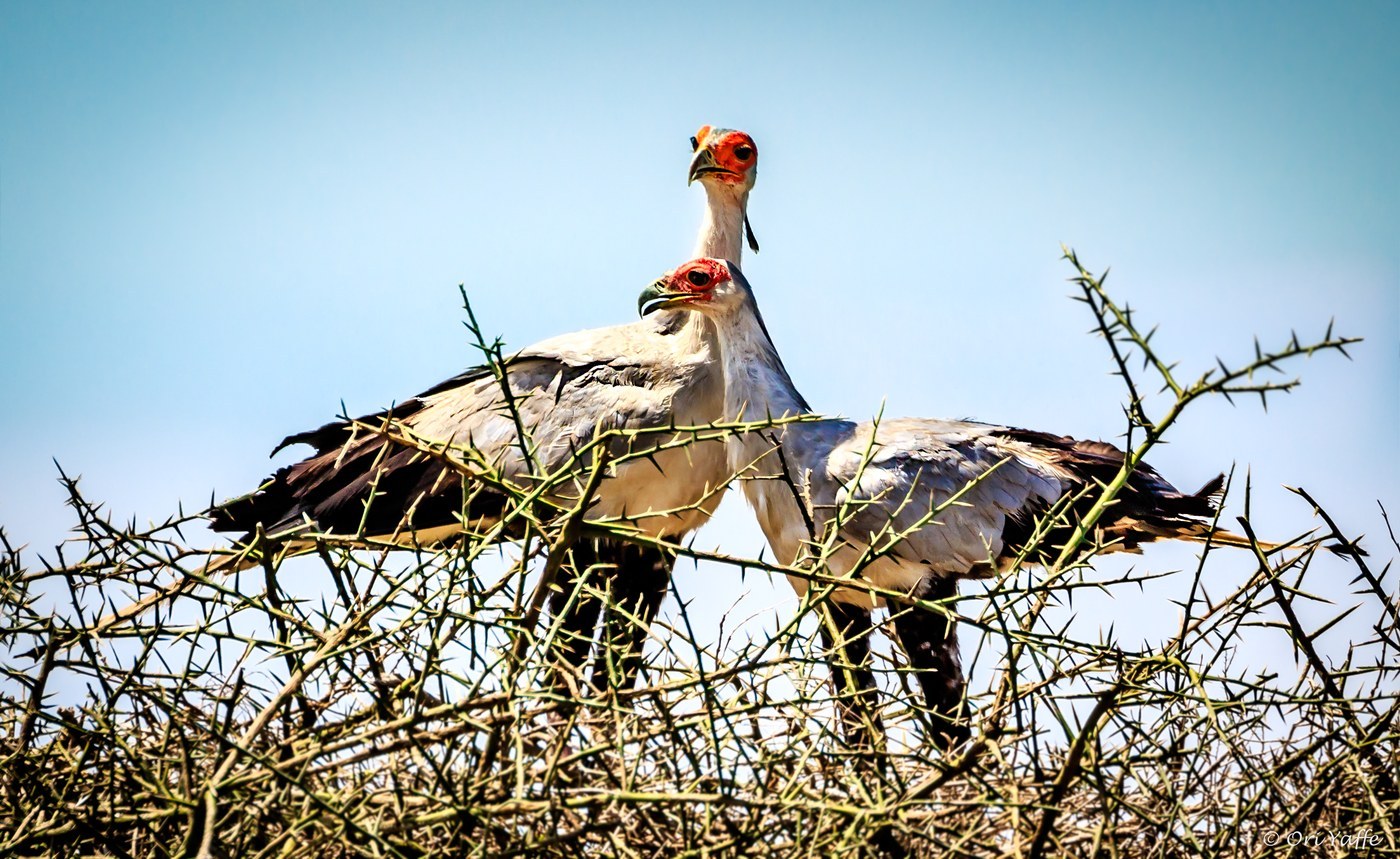
Secretarybird
Long crest feathers; broad flight feathers; elongated central tail feathers

Orange-breasted Falcon
Broad-based pointed flight feathers; bold breast and belly feathers
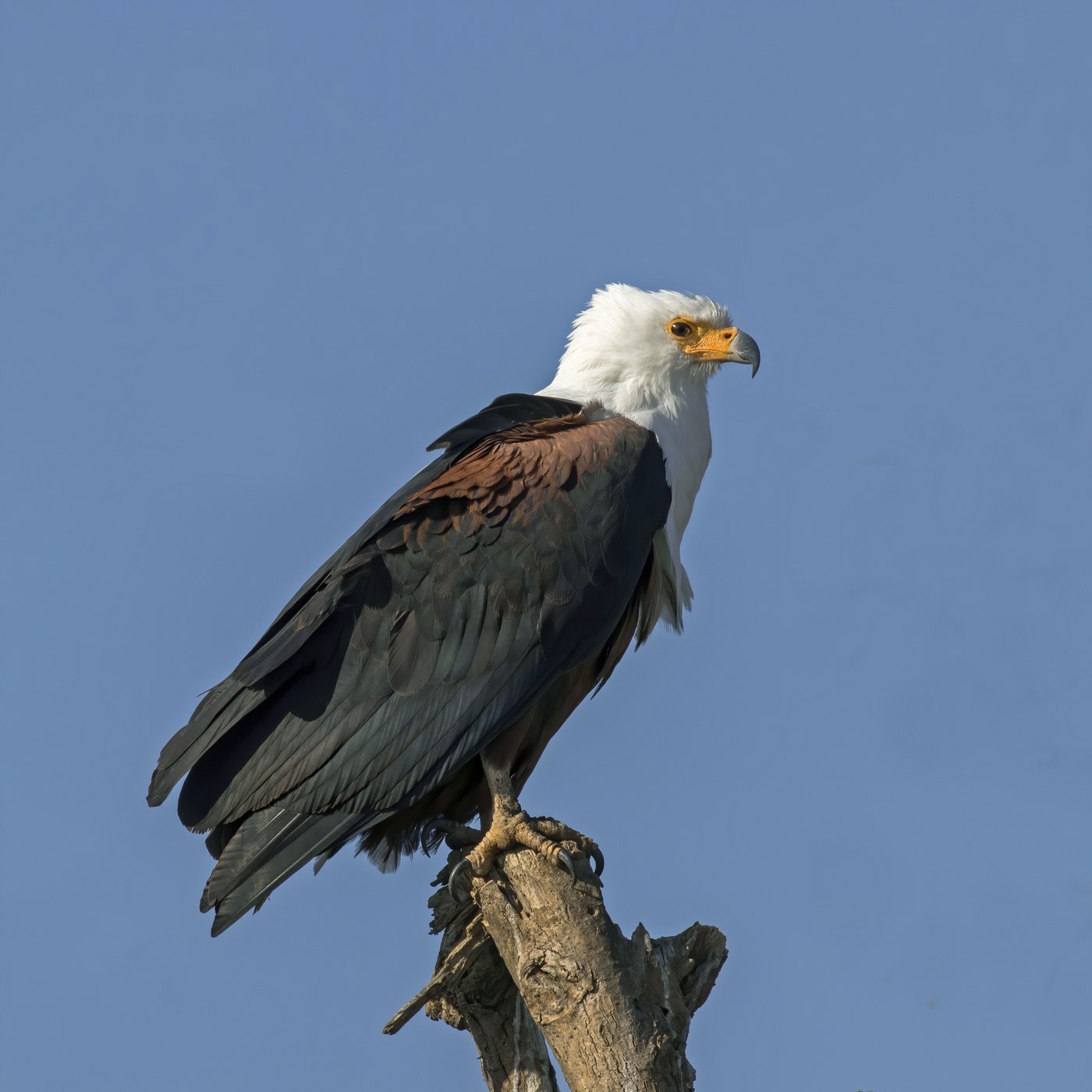
African Fish Eagle
Flight, tail, and body feathers

Amur Falcon
Slender pointed flight feathers; soft slate or orange-buff contour feathers
Red Kite
Flight (wing) and tail feathers
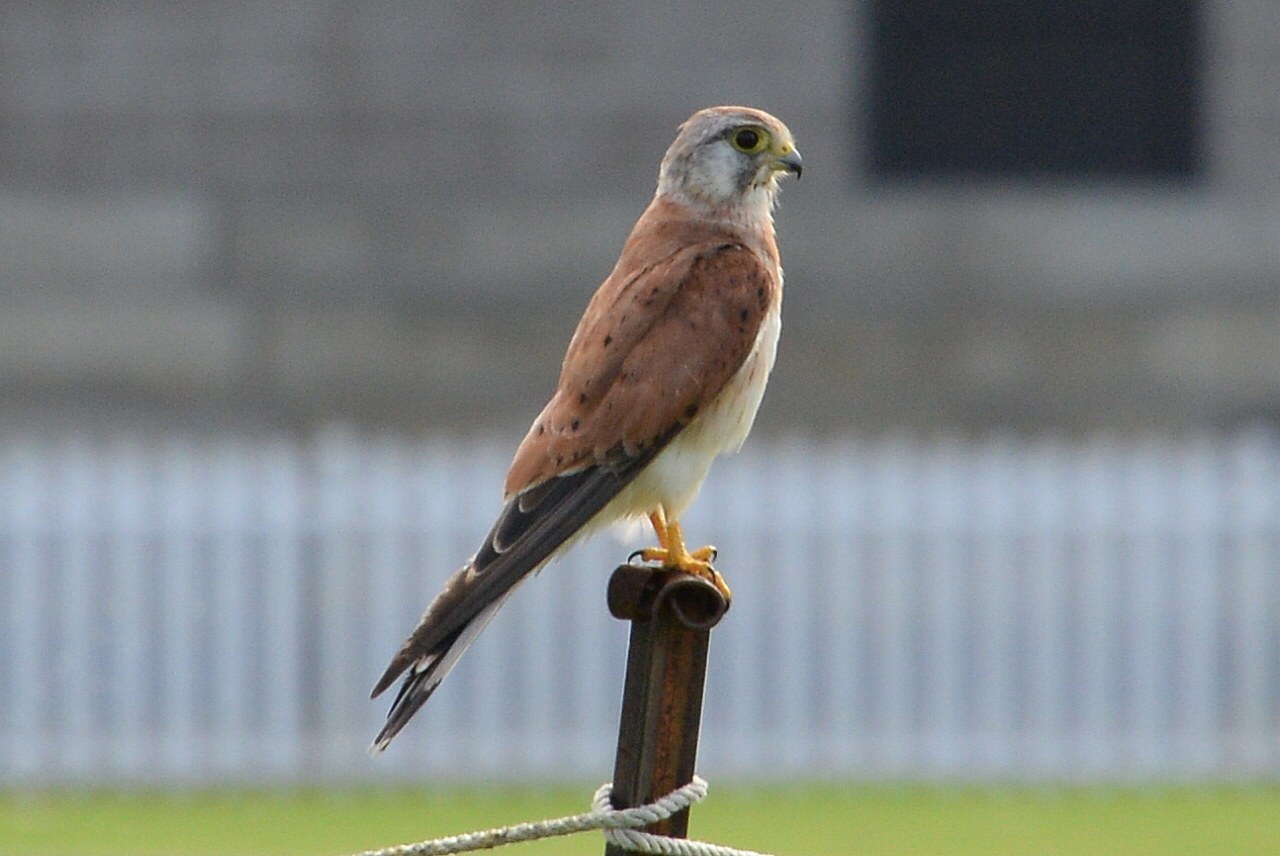
Nankeen Kestrel
Slim pointed flight feathers; lightly marked contour feathers

Andean Condor
Massive flight feathers; broad primaries and secondaries; sturdy tail feathers

Plumbeous Forest Falcon
Short rounded flight feathers; finely barred tail feathers

Sooty Falcon
Long pointed flight feathers; slim tail feathers