
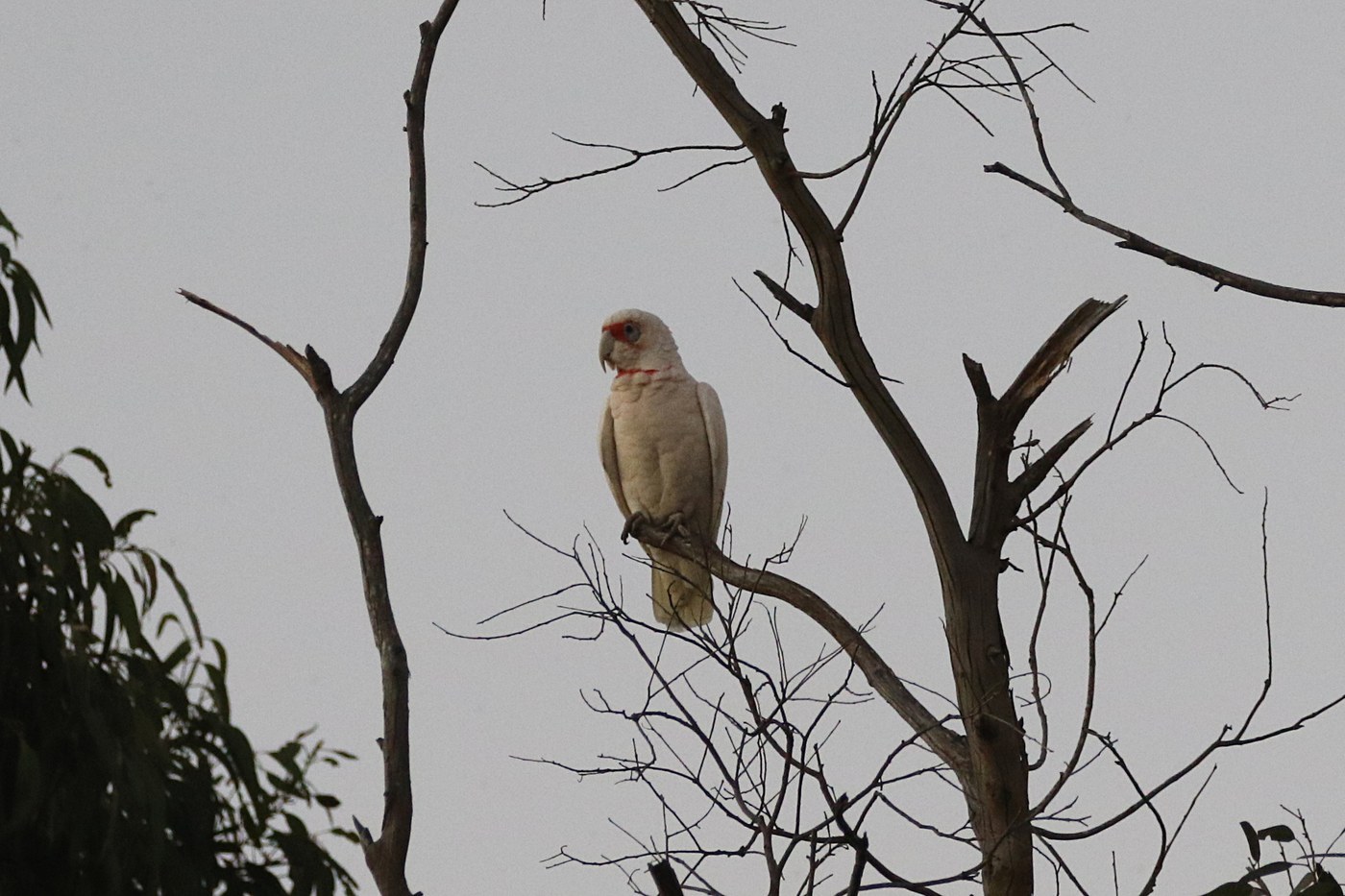
Long-billed Corella
Cacatua tenuirostris
A white Australian cockatoo with an unusually long, curved upper bill, the Long-billed Corella shows more extensive pink-red coloring on the face and breast than its close relatives.
- Feather type
- Soft, powder-producing contour feathers; short crest; elongated bill
- Colours
- White overall, with pink-red wash on the face and breast feathers
- Bird size
- Pigeon-to-crow-sized, ~35-41 cm
Found a feather like this?
Identify any feather from a photo, free.
Overview
The Long-billed Corella is native to grassland and farmland of southeastern Australia, distinguished from other white corellas by its notably elongated upper bill, used for digging up roots and bulbs. Its plumage carries more visible pink-red coloring than the similar Little Corella, particularly across the face and breast.
Identifying the Feather
Feathers on the face, throat, and upper breast show a more extensive and visible dusky pink-red wash compared to the Little Corella, where similar coloring is largely hidden at the feather base. The crest is short and rounded, lying flat except during display. Body plumage is otherwise white with grayish undersides to the flight feathers. The elongated, strongly curved upper bill, though not a feather feature, is a key associated field mark supporting identification when feathers are found near a foraging site. Compared to the Little Corella, feathers with more visible pink-red coloring on the face and breast, rather than only at the hidden feather base, point to this species.
Plumage & Molt
Sexes look similar in plumage. Juveniles show a less developed pink-red wash and a shorter bill than adults, developing full coloration and bill length with maturity. Molt is gradual through the year.
Habitat & Range
This species occupies grassland, farmland, and open woodland primarily in southeastern Australia, often foraging in paddocks and cultivated land. It is generally sedentary to locally nomadic, with flocks moving in response to food availability rather than fixed migration.
Behavior & Field Notes
Long-billed Corellas use their elongated bill to dig for roots, bulbs, and below-ground plant material, in addition to feeding on seeds and grain at the surface. They nest in tree hollows, sometimes in loose colonies. Their calls are harsh, screeching notes similar to related corellas. Flocks can gather in large numbers in agricultural areas, sometimes causing conflict with farming operations due to their digging and feeding habits.
Frequently asked questions
How is this species different from the Little Corella?
It shows more visible pink-red coloring on the face and breast feathers and has a notably longer, more strongly curved upper bill.
Why is the bill so long?
The elongated bill is adapted for digging up roots and bulbs from the ground, a foraging method not typical of shorter-billed corellas.
Where is it found?
Primarily in grassland, farmland, and open woodland of southeastern Australia.
Does it migrate?
No, it is generally sedentary to locally nomadic, moving mainly in response to food availability.
Long-billed Corella guides
In-depth guides for identifying and understanding Long-billed Corella.
Other feathers you may enjoy
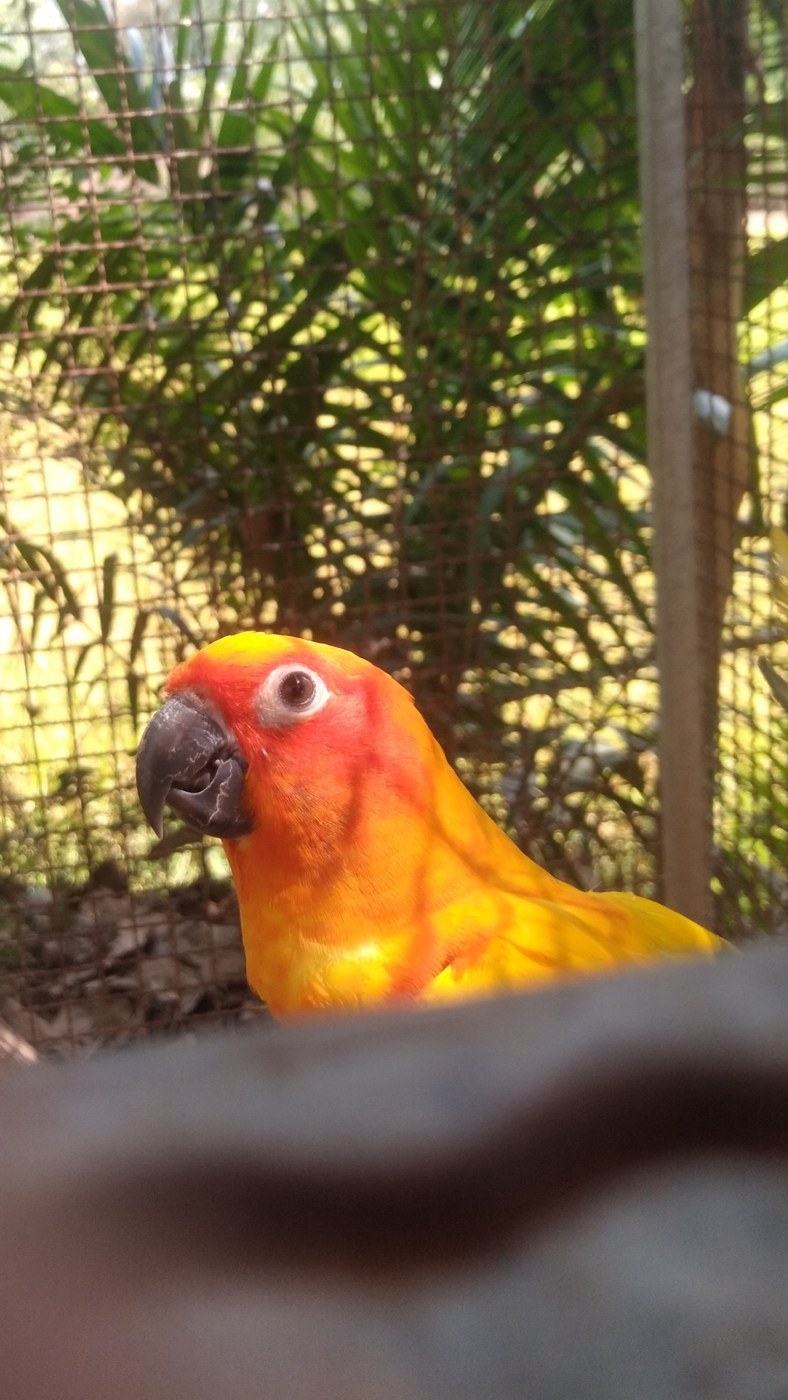
Sun Parakeet
Bright, dense body contour feathers; medium pointed tail feathers

Yellow-naped Amazon
Broad rounded contour feathers with sturdy flight feathers
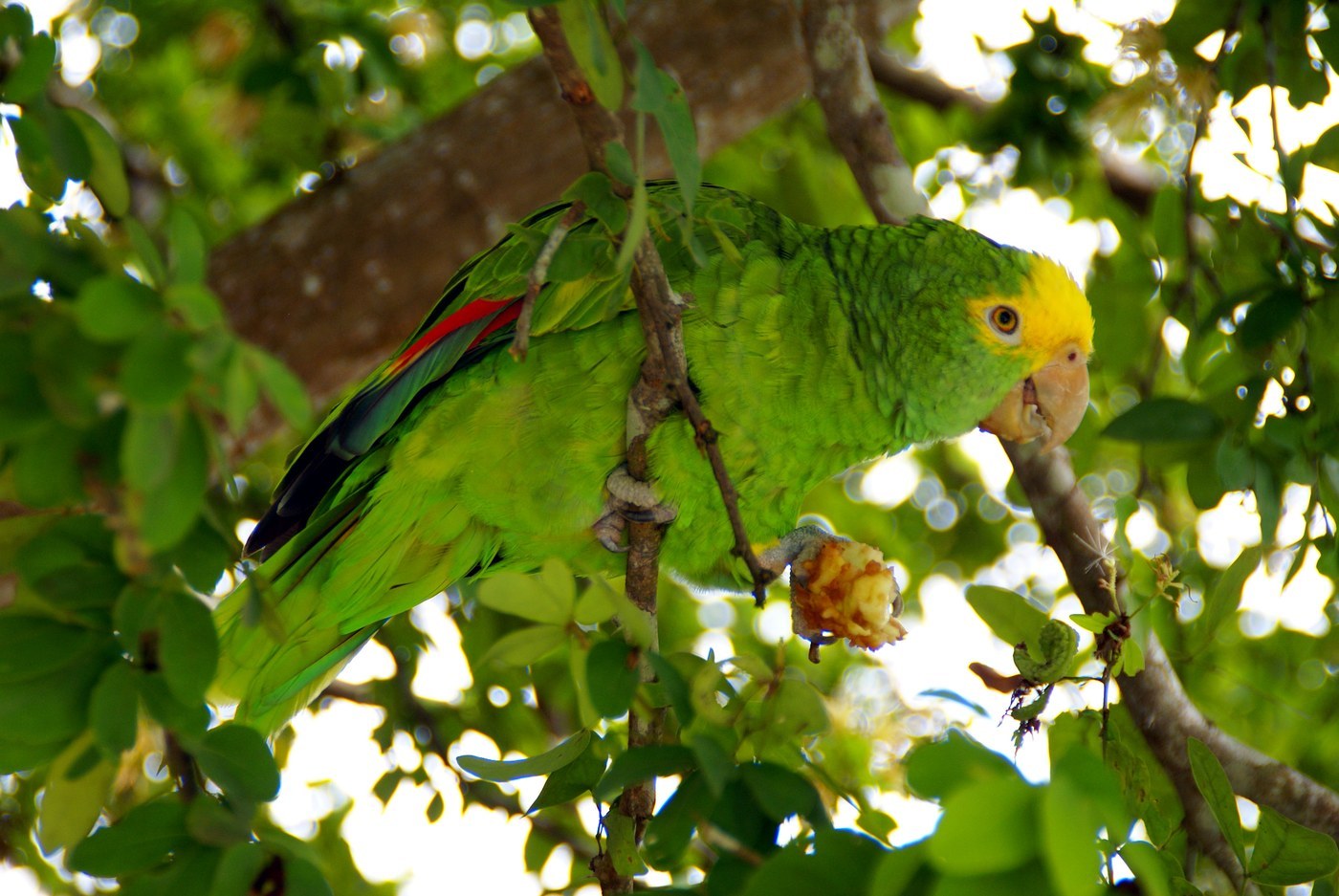
Yellow-headed Amazon
Dense, rounded body contour feathers; broad flight feathers
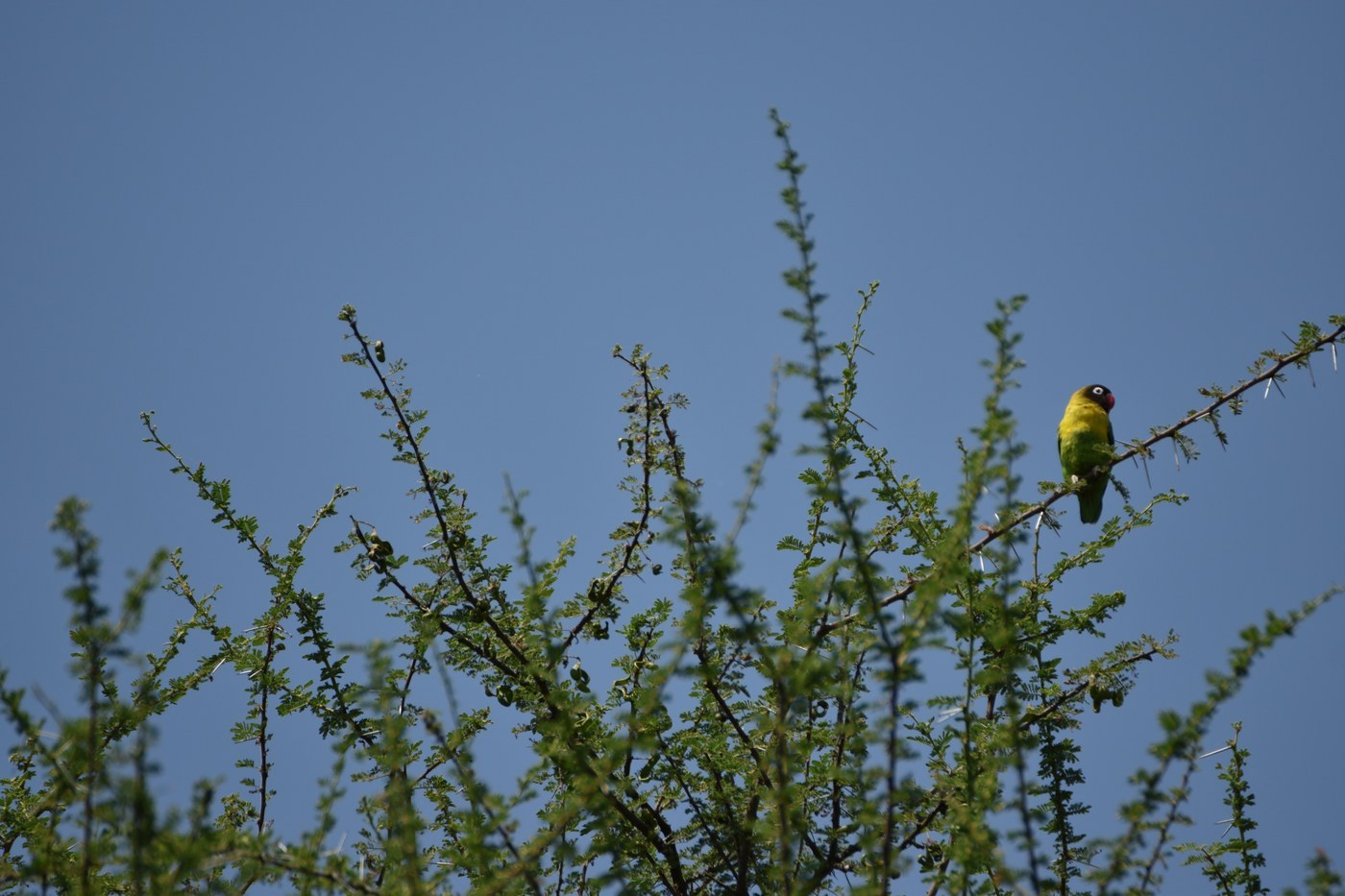
Yellow-collared Lovebird
Small compact flight feathers, short rounded tail

White-eyed Conure
Medium contour and long, graduated tail feathers

Yellow-tailed Black Cockatoo
Large, sturdy contour and flight feathers; short crest

Scarlet-chested Parrot
Small contour and flight feathers

Timneh Parrot
Broad flight feathers, scalloped body feathers with pale edges
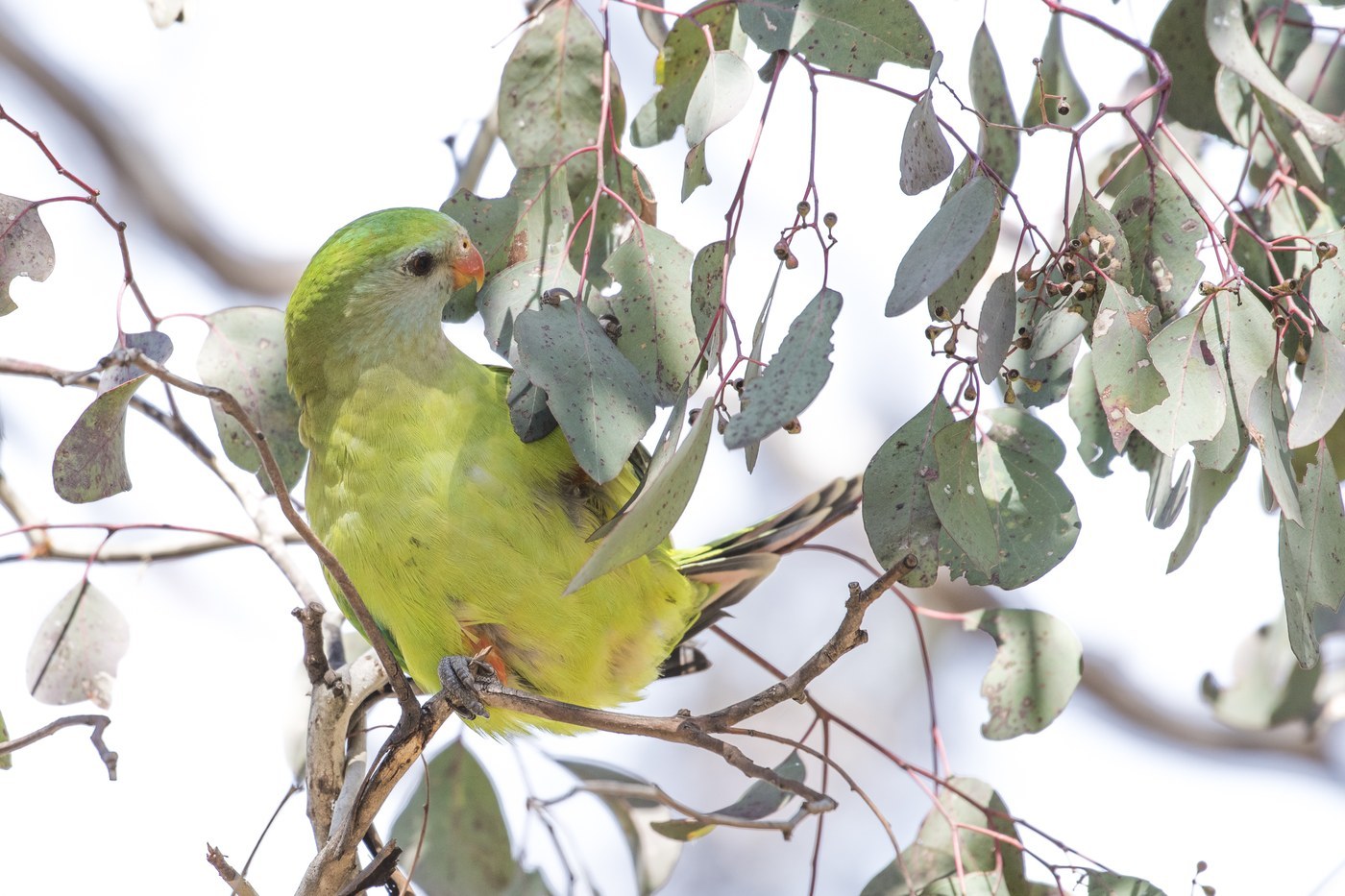
Superb Parrot
Sleek contour feathers with a long tapering tail

Red-shouldered Macaw
Compact body contour feathers; medium flight and tail feathers
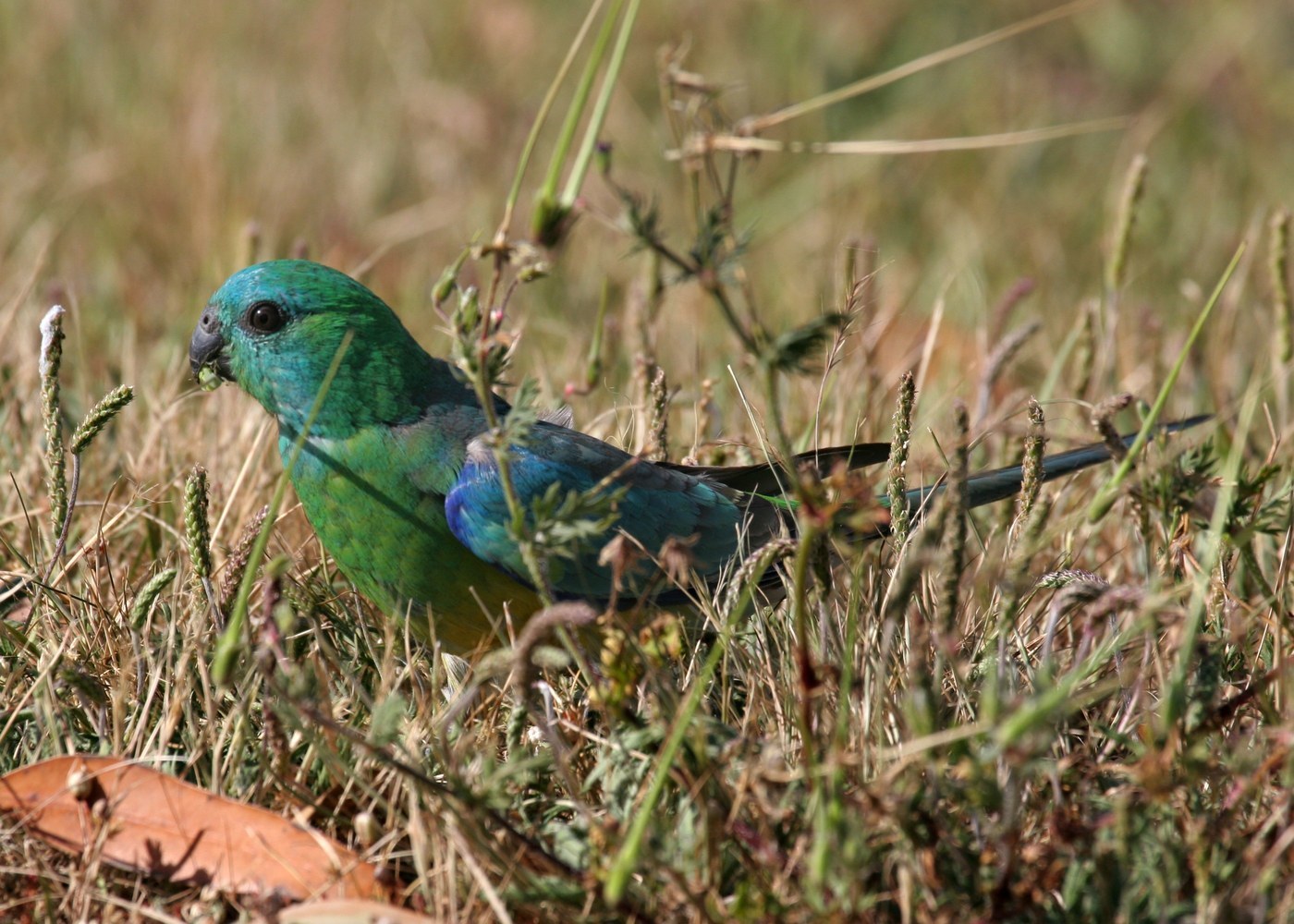
Red-rumped Parrot
Sleek contour feathers with a bright rump patch in males

White-capped Pionus
Compact contour feathers and short, squared tail feathers