

Loggerhead Shrike
Lanius ludovicianus
A compact gray predator songbird with a black bandit mask and a hooked bill, known for impaling prey on thorns and barbed wire.
- Feather type
- Firm body feathers, hooked bill for prey handling, stiff flight feathers
- Colours
- Gray above, white below, with a black mask and black-and-white wings
- Bird size
- Robin-sized, ~23 cm
Found a feather like this?
Identify any feather from a photo, free.
Overview
The Loggerhead Shrike is a robin-sized predatory songbird found across open country in North America. Despite being a passerine, it hunts like a small raptor, using a stout hooked bill to capture insects, small vertebrates, and occasionally impaling prey on thorns or barbed wire for later use, a habit that has earned it the nickname 'butcher bird.'
Identifying the Feather
Flight feathers: black with a bold white patch at the base of the primaries, visible as a flash in flight. Tail feathers: black with white outer edges. Body feathers: soft gray above, white below, with a broad black mask running through the eye and across the forehead in males, though the feathers themselves are unremarkable except for their clean gray-white contrast. Compared to the Northern Shrike, Loggerhead Shrike feathers are smaller overall, the mask is broader and extends across the top of the bill, and the underparts lack the fine barring sometimes visible on Northern Shrike.
Plumage & Molt
Sexes look similar, though the black mask may be slightly less extensive in females. Adults show gray upperparts, white underparts, black wings with a white primary patch, and a black tail with white edges. Juveniles are duller with faint barring on the underparts and a less crisp mask, molting into adult-like plumage within their first year. There is no strong seasonal plumage variation in adults.
Habitat & Range
Loggerhead Shrikes favor open habitats with scattered perches, including pastures, grasslands, agricultural fields, and shrubby edges across much of North America. Northern populations are migratory, moving south in winter, while southern populations tend to be resident year-round.
Behavior & Field Notes
This shrike hunts from an exposed perch, dropping down to catch insects, small reptiles, rodents, and occasionally small birds. Lacking the strong feet of raptors, it often impales prey on thorns, spines, or barbed wire to hold it while feeding or to cache food for later. Nests are bulky cups built low in dense shrubs or small trees. Its voice includes harsh, scratchy calls and a variable song mixing whistles and mimicked sounds.
Frequently asked questions
How can I tell a Loggerhead Shrike feather from a mockingbird feather?
Loggerhead Shrike feathers are grayer with a bolder black-and-white wing pattern and come with a black facial mask, while mockingbirds lack the mask and have proportionately longer tails.
What is distinctive about the wing feathers?
The primaries show a bold white patch at the base that flashes conspicuously in flight, a useful field mark shared with the Northern Shrike.
How do juvenile feathers differ from adult feathers?
Juveniles show fainter barring on the underparts and a less crisp black mask, gradually molting into the bolder adult pattern.
Why is this species called a 'butcher bird'?
It often impales captured prey on thorns or barbed wire, a behavior used to secure food items since it lacks the strong grasping feet of true raptors.
Loggerhead Shrike guides
In-depth guides for identifying and understanding Loggerhead Shrike.

Other feathers you may enjoy

Yellow-breasted Bunting
Contour and flight feathers, chestnut-and-yellow breeding pattern
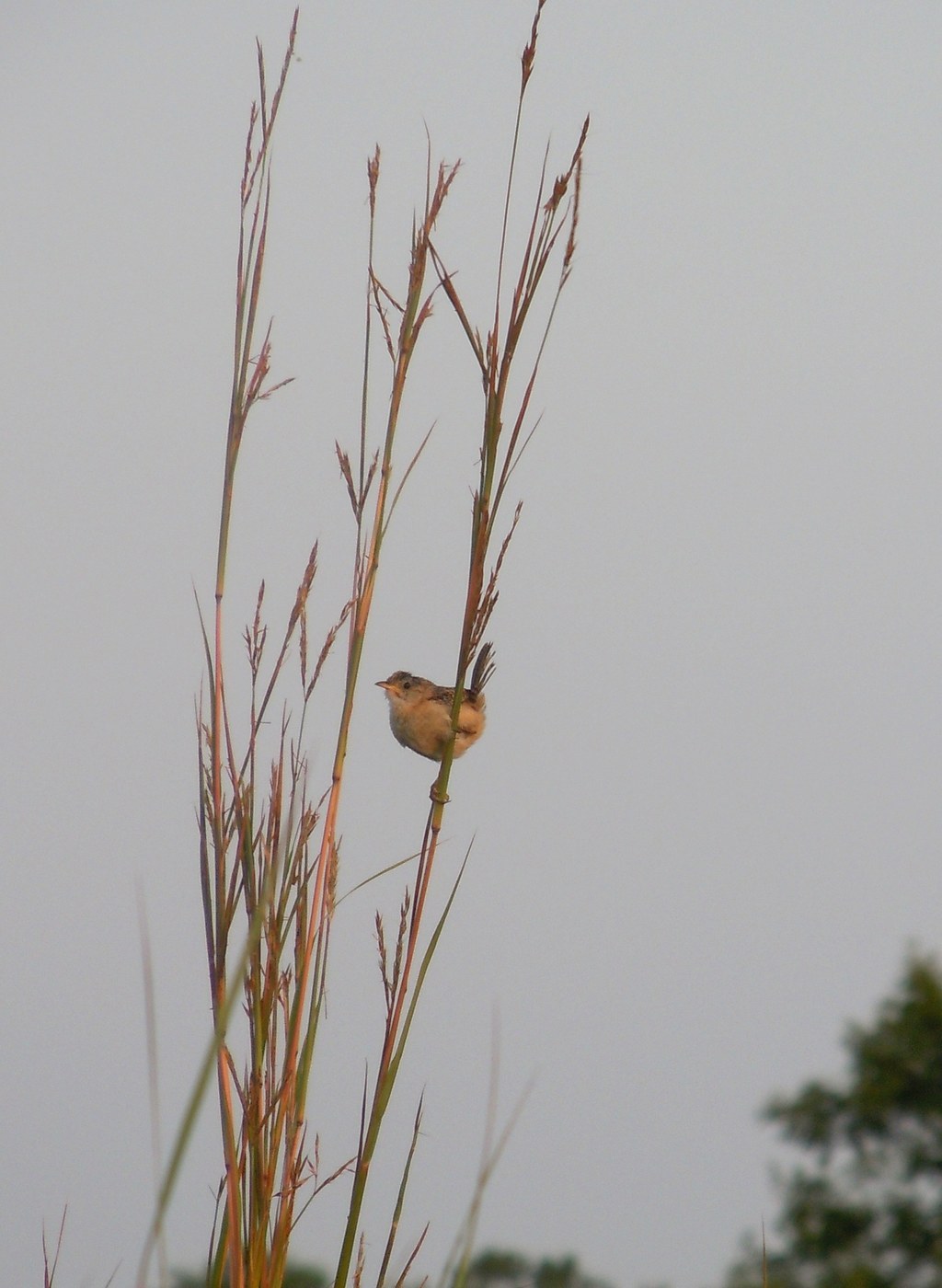
Sedge Wren
Tiny streaked crown and back feathers

Yellow-winged Cacique
Glossy black body feathers, yellow wing patch, shaggy crest

Yellow Warbler
Small contour and flight feathers
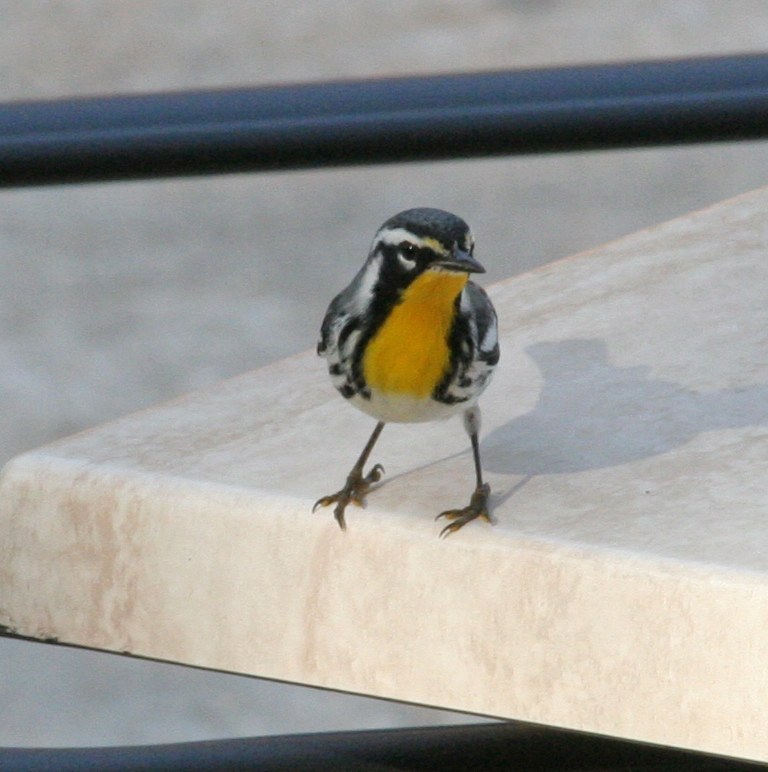
Yellow-throated Warbler
Small contour and flight feathers
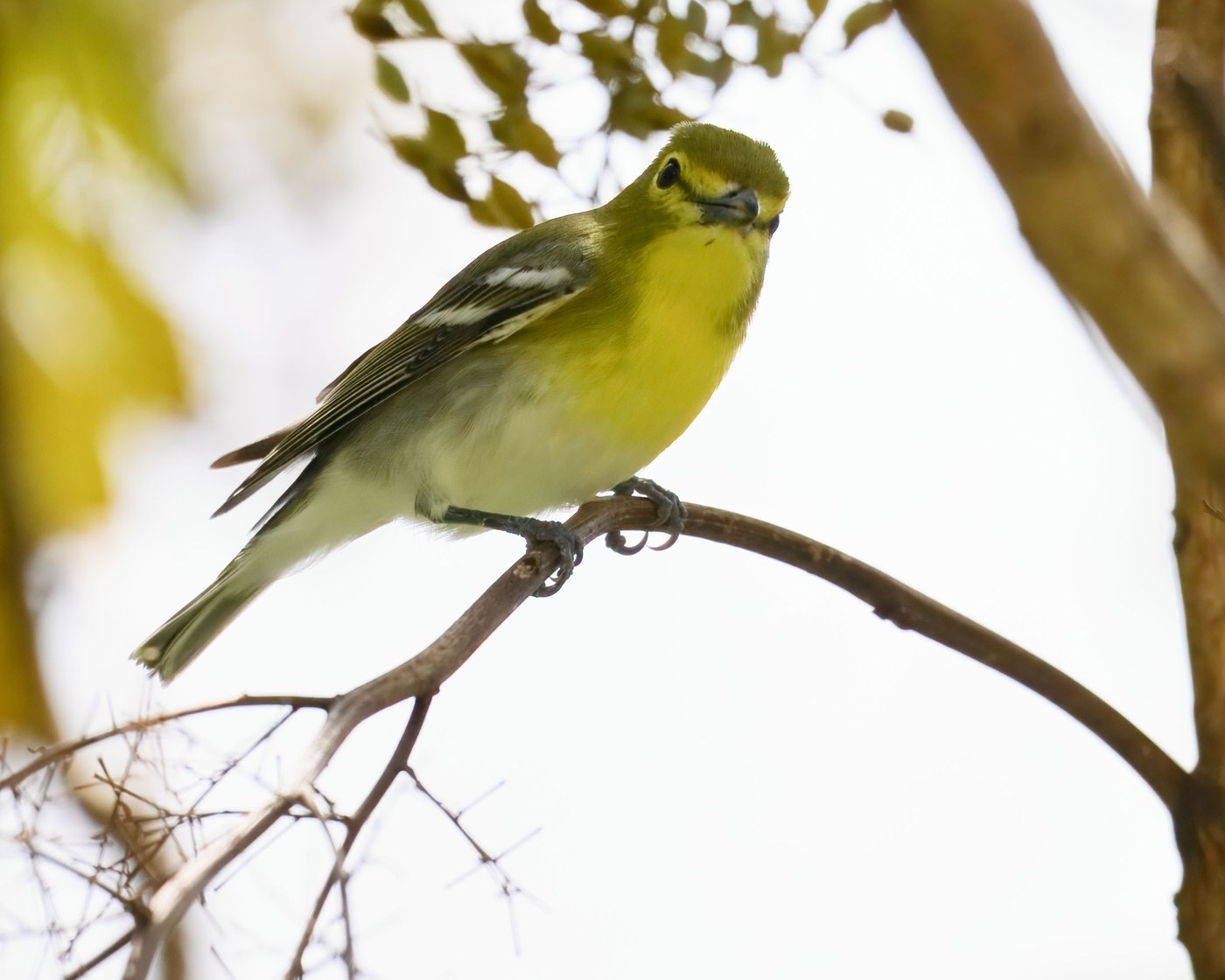
Yellow-throated Vireo
Bright yellow throat and spectacle feathers; olive-green back feathers; two white wing-bar feathers

Yellow-rumped Warbler
Small contour and flight feathers
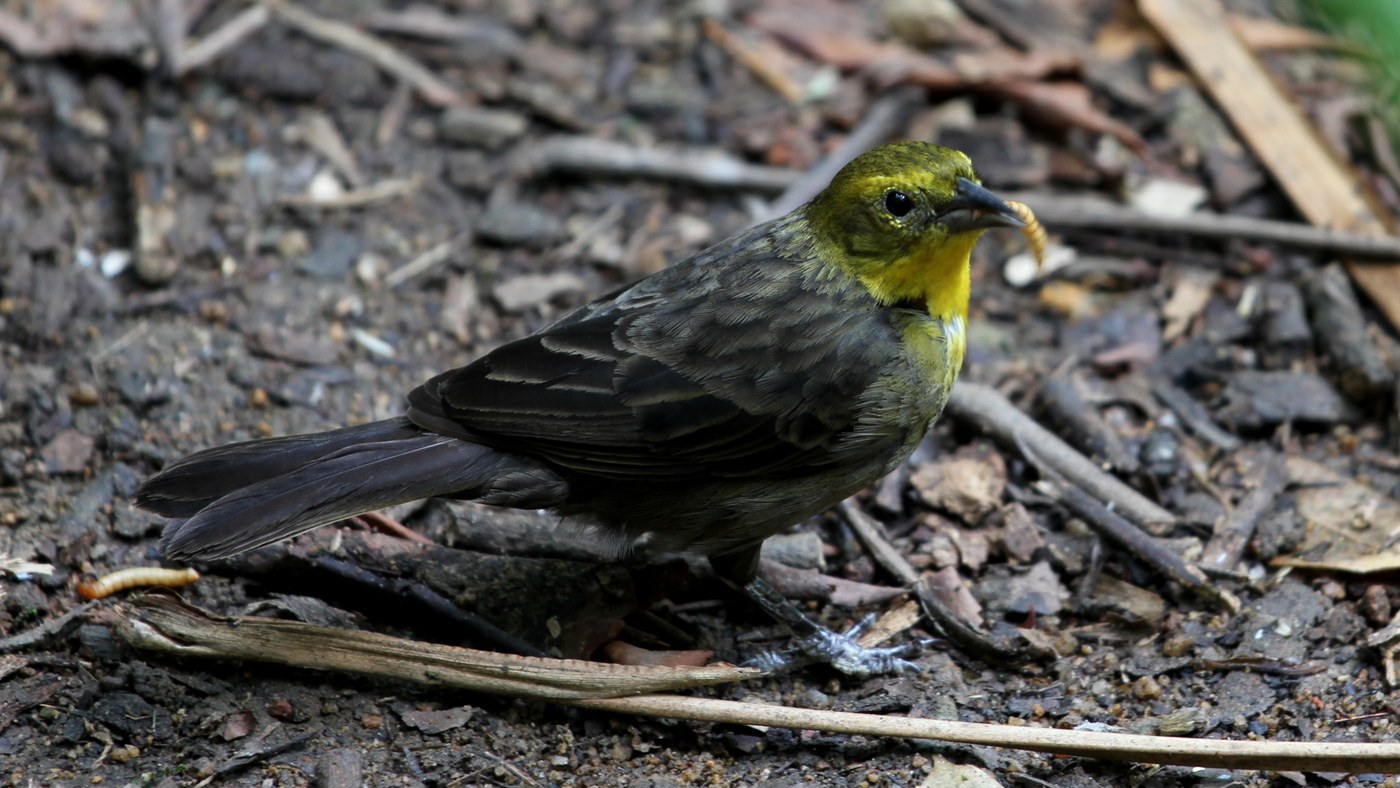
Yellow-hooded Blackbird
Contrasting hood and body feathers
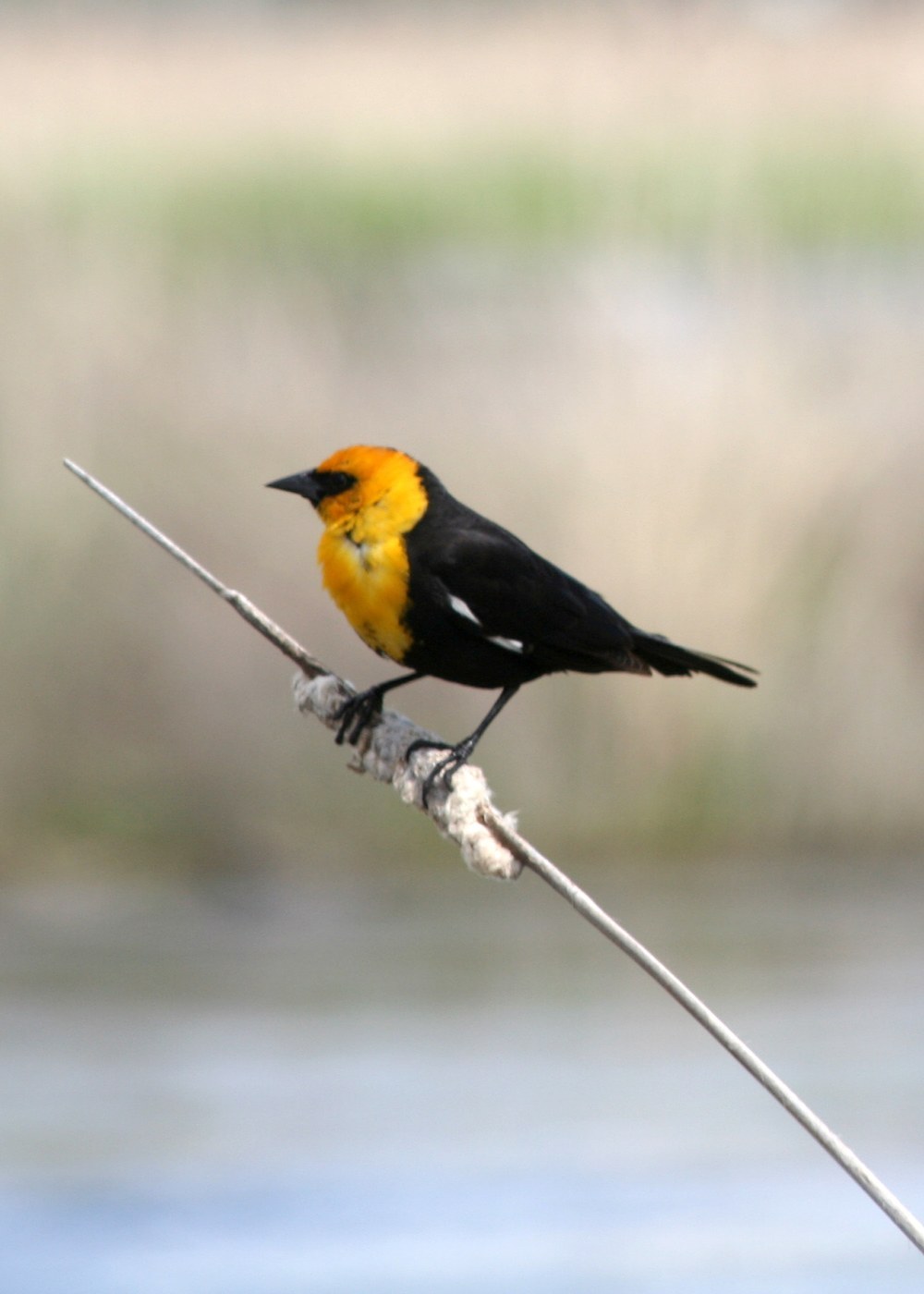
Yellow-headed Blackbird
Glossy black body plumage with a bright yellow head and breast

Yellow-eyed Junco
Contour and flight feathers

Yellow-fronted Canary
Small, smooth body plumage

Yellow-breasted Greenfinch
Compact, smooth body plumage