
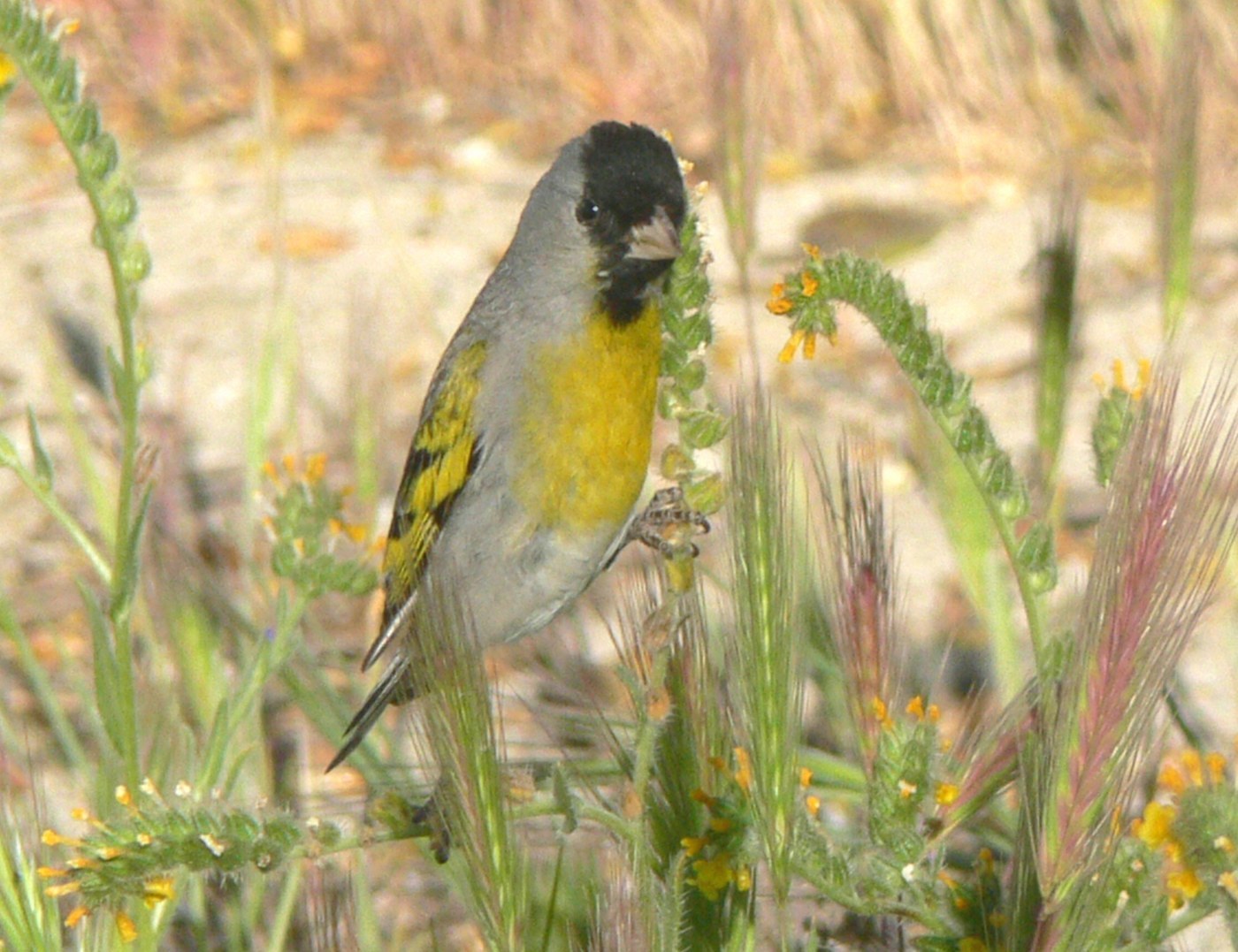
Lawrence's Goldfinch
Spinus lawrencei
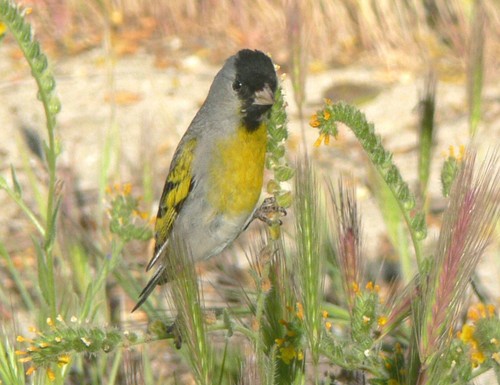
A small California and Baja California finch, gray-bodied with a black face on males and bright yellow wing and rump patches.
- Feather type
- Small grey body feathers with yellow wing patches
- Colours
- Grey, black, and yellow
- Bird size
- Small, ~11-12 cm
Found a feather like this?
Identify any feather from a photo, free.
Overview
Overview
Lawrence's Goldfinch has one of the most restricted ranges of any North American finch, breeding mainly in California and Baja California in chaparral, oak woodland, and arid scrub near water. Its overall gray tone set against yellow wing patches makes it distinctive among goldfinches.
Its numbers and distribution can shift noticeably from year to year depending on rainfall and seed availability.
Identifying the Feather
Feather Identification
- Body: soft grey overall, unlike the yellow body of American or Lesser Goldfinch.
- Face: black in breeding males, covering the forehead, face, and chin.
- Wings: bright yellow patches on the flight feathers, contrasting with black wing feathers.
- Rump: touched with yellow, visible in flight.
The combination of an overall grey body with yellow confined mainly to the wings and rump separates this species from the more uniformly yellow American and Lesser Goldfinches.
Plumage & Molt
Plumage Notes
Breeding males show the black face and cleanest grey body with bright yellow wing patches. Females and nonbreeding males are duller, lacking the black face and showing reduced yellow in the wings.
Juveniles resemble females, with softer overall tones. A single annual molt follows breeding, with plumage change relatively subtle compared to some other goldfinches.
Habitat & Range
Habitat & Range
This species breeds mainly in California and northern Baja California, in chaparral, oak woodland, and arid scrub typically near a water source. Some post-breeding dispersal occurs into the desert southwest.
Population numbers and local distribution fluctuate with rainfall patterns, as breeding success is tied to seed and water availability in its semi-arid habitat.
Behavior & Field Notes
Behavior & Field Notes
Lawrence's Goldfinches forage on the ground and in low vegetation for seeds, often visiting water sources, and may gather in small flocks outside the breeding season.
The nest is built in trees or shrubs, often oak or chaparral vegetation. The song is a variable, bubbling series of notes with some mimicry. The grey body combined with yellow wing patches, rather than an overall yellow body, is the most useful field mark distinguishing this species from other goldfinches.
Frequently asked questions
How does Lawrence's Goldfinch differ from other goldfinches?
It has an overall grey body rather than yellow, with yellow largely confined to the wings and rump, unlike the more uniformly yellow American and Lesser Goldfinches.
Where is this species typically found?
It breeds mainly in California and northern Baja California, in chaparral, oak woodland, and arid scrub near water sources.
Why do numbers of this species vary so much year to year?
Breeding success and local distribution are closely tied to rainfall and the resulting seed and water availability in its semi-arid habitat.
What does a female Lawrence's Goldfinch look like?
Females are duller than males, lacking the black face and showing reduced yellow in the wings, but retain the overall grey body tone.
Lawrence's Goldfinch guides
In-depth guides for identifying and understanding Lawrence's Goldfinch.
Other feathers you may enjoy

Yellow-breasted Bunting
Contour and flight feathers, chestnut-and-yellow breeding pattern
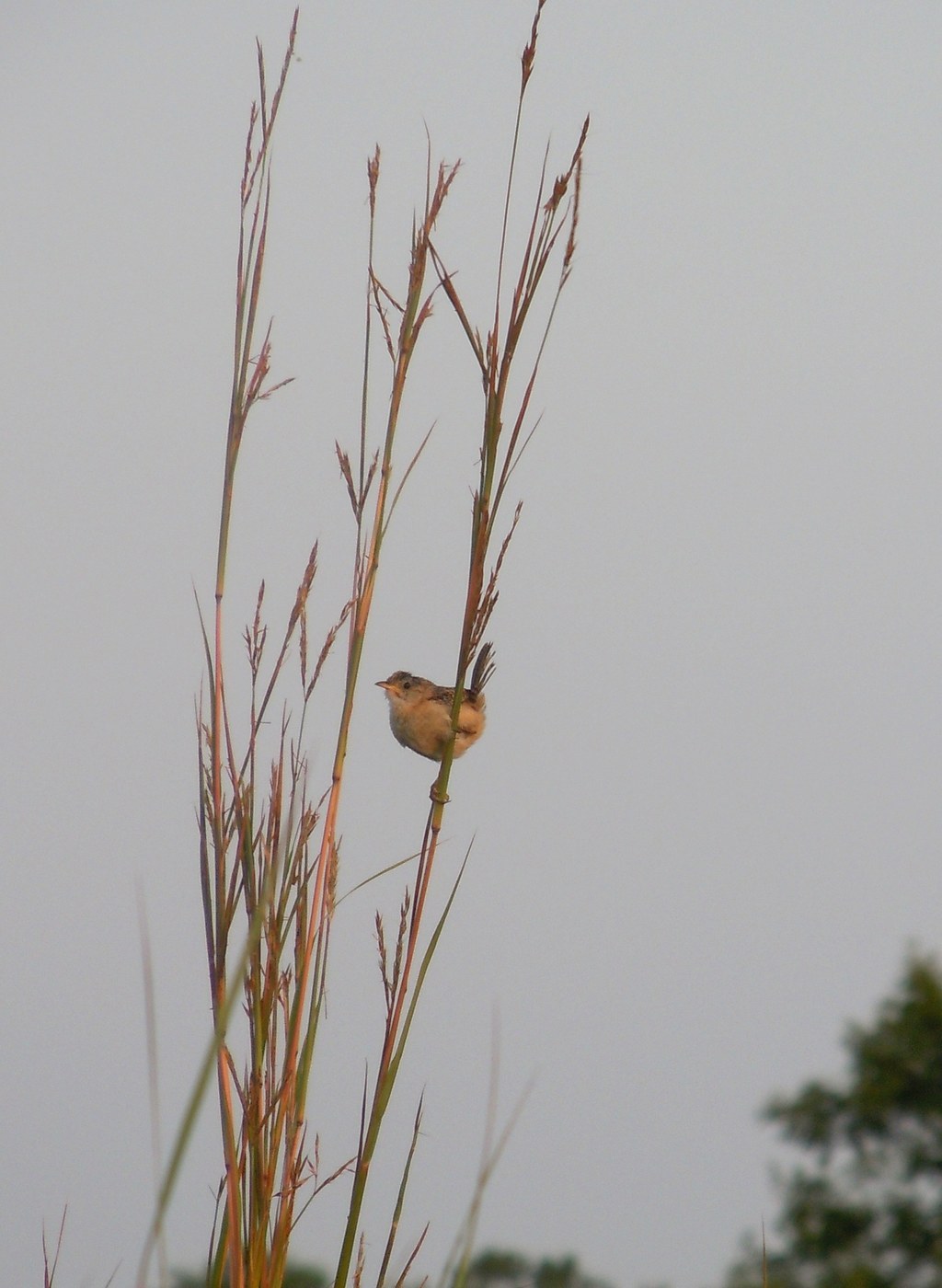
Sedge Wren
Tiny streaked crown and back feathers

Yellow-winged Cacique
Glossy black body feathers, yellow wing patch, shaggy crest

Yellow Warbler
Small contour and flight feathers
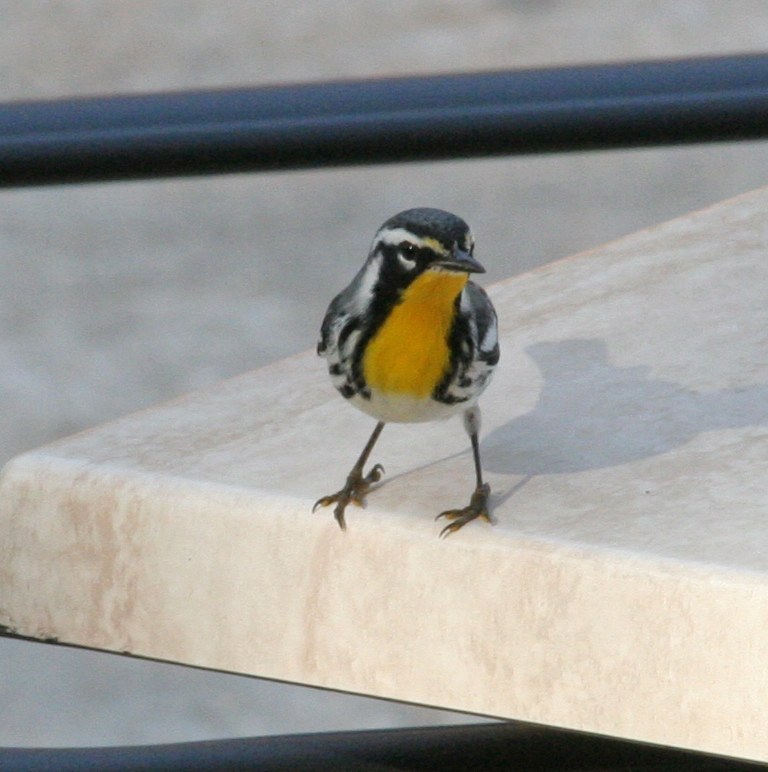
Yellow-throated Warbler
Small contour and flight feathers
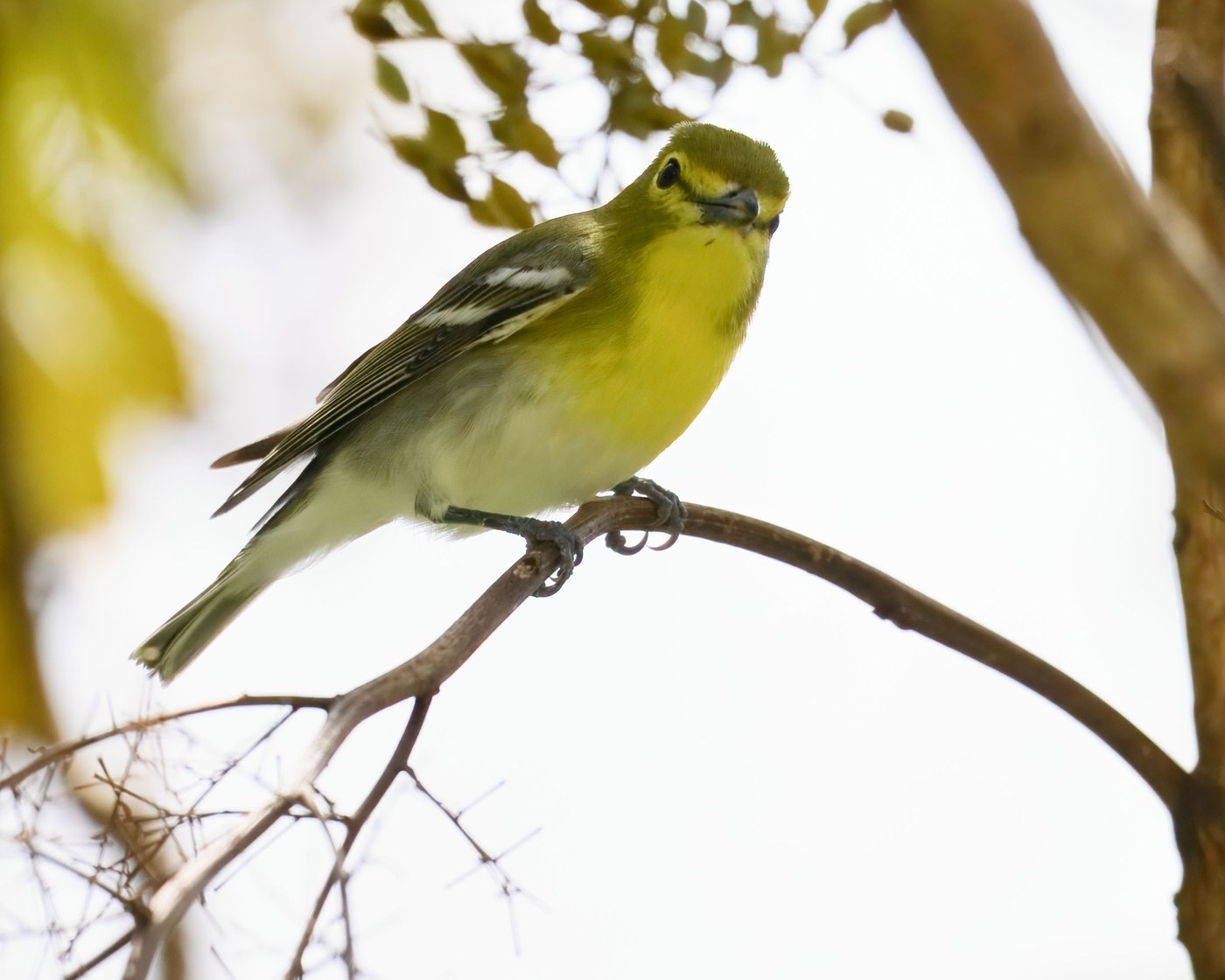
Yellow-throated Vireo
Bright yellow throat and spectacle feathers; olive-green back feathers; two white wing-bar feathers

Yellow-rumped Warbler
Small contour and flight feathers
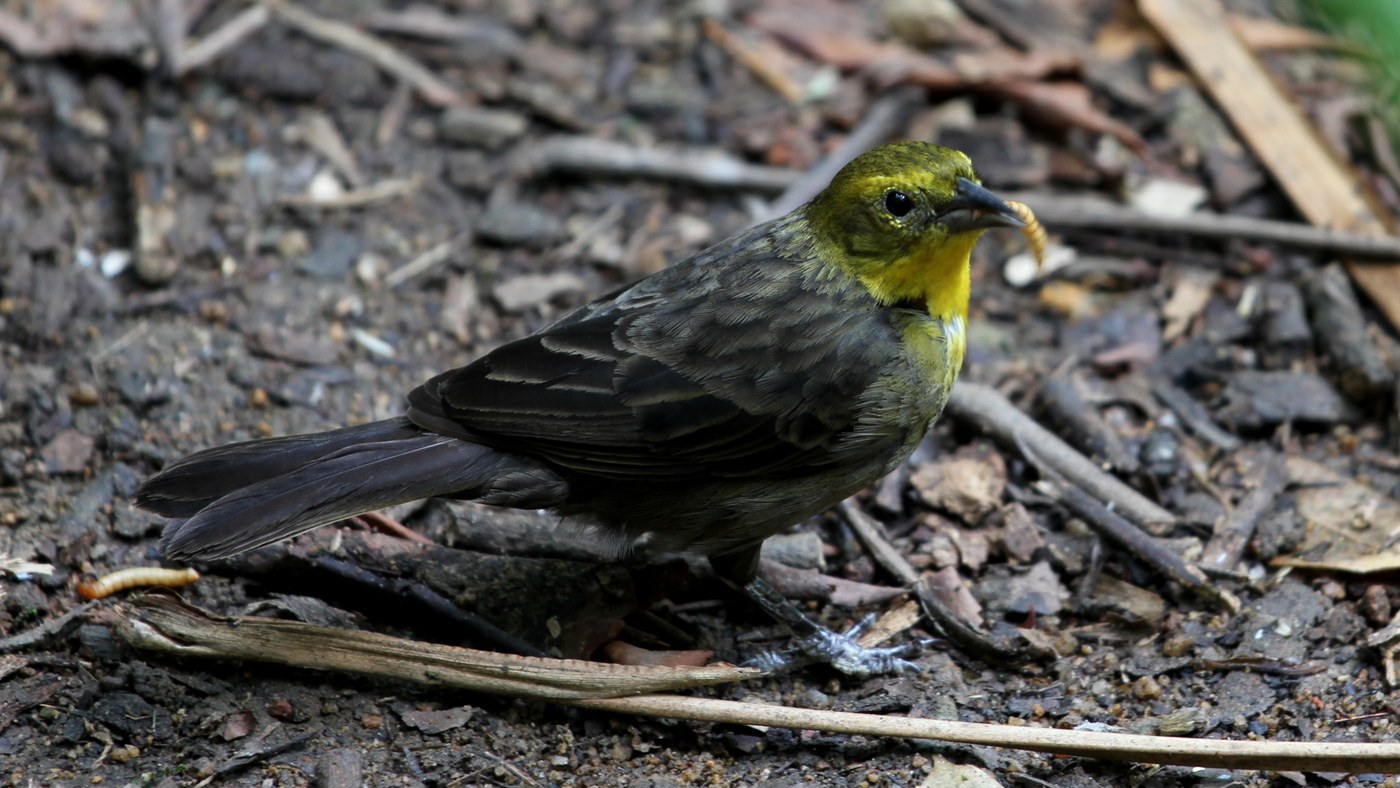
Yellow-hooded Blackbird
Contrasting hood and body feathers
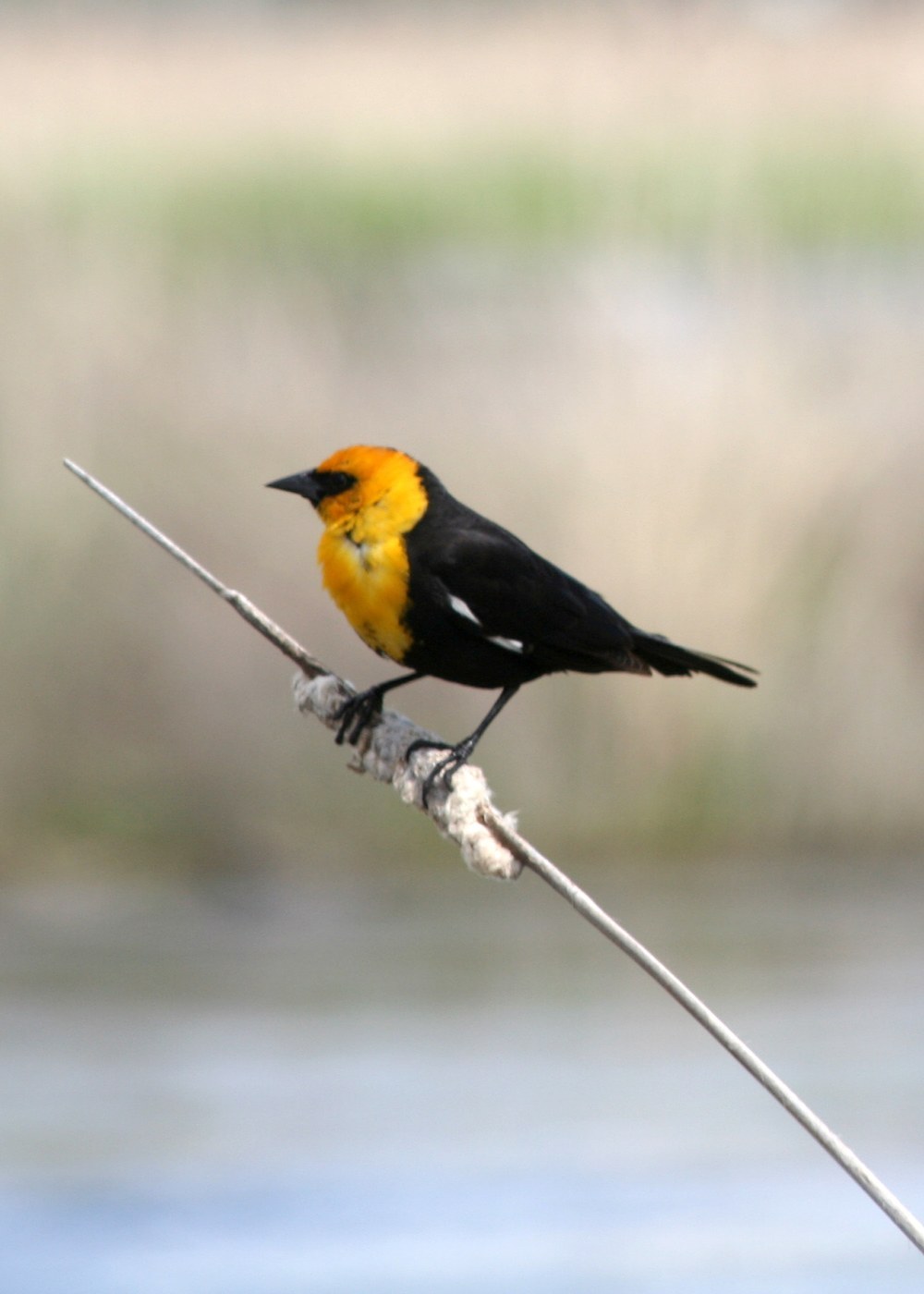
Yellow-headed Blackbird
Glossy black body plumage with a bright yellow head and breast

Yellow-eyed Junco
Contour and flight feathers

Yellow-fronted Canary
Small, smooth body plumage

Yellow-breasted Greenfinch
Compact, smooth body plumage