
Kakapo
Strigops habroptilus
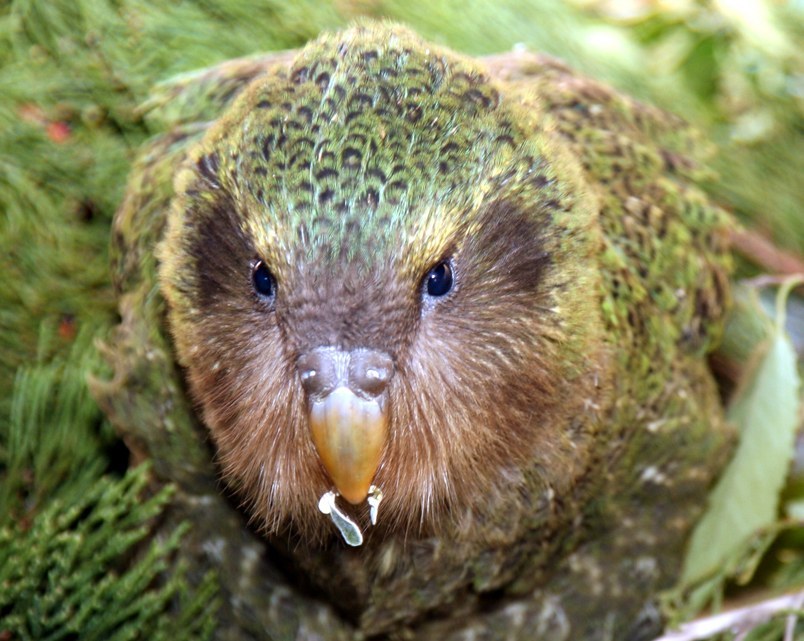
A large, flightless, nocturnal parrot with soft, moss-green plumage patterned for camouflage on the forest floor.
- Feather type
- Soft, dense body feathers and reduced flight feathers
- Colours
- Moss green mottled with black and yellow barring
- Bird size
- Large, heavy-bodied, ~60 cm and flightless
Found a feather like this?
Identify any feather from a photo, free.
Overview
Overview
The Kakapo is a large, flightless, nocturnal parrot found only in New Zealand, one of the most unusual members of the parrot family. Its heavy body, soft owl-like facial feathering, and cryptic green plumage reflect a long evolutionary history without mammalian predators, a history disrupted by introduced predators that now confine it to intensively managed island sanctuaries.
- The world's heaviest parrot species
- Flightless, relying on climbing and walking rather than flight
- Critically low population managed through active conservation
Identifying the Feather
Feather Identification
Kakapo feathers are notably soft and loosely structured compared to most parrots, an adaptation linked to its flightless, ground-dwelling lifestyle.
- Body feathers: moss to yellowish-green, broadly mottled and barred with black and dull yellow, producing a mossy, disruptive pattern
- Facial feathers: fine and radiating around the eyes in a subtle disc, reminiscent of an owl's facial disc, unusual among parrots
- Flight feathers: present but reduced in structural rigidity and asymmetry compared to flying parrots, reflecting its flightlessness
- Underparts: paler yellow-green with less black barring than the back
- Compared to similar species: no other parrot combines this mossy black-and-yellow barred pattern with soft, downy-textured flight feathers, making Kakapo feathers unmistakable among parrot material
Plumage & Molt
Plumage Notes
Sexes look alike in plumage, both showing the same cryptic green-and-black barred pattern, though males average larger. Juveniles resemble adults but may show slightly less defined barring.
- No dramatic seasonal plumage change
- Molt is not linked to migration, since the species is entirely sedentary and flightless
- The disruptive barring pattern functions as camouflage against forest floor litter and moss rather than for display
Habitat & Range
Habitat & Range
Originally widespread across New Zealand's forests, the Kakapo now survives only on a small number of predator-free offshore islands where it is intensively monitored.
- Prefers dense native forest and scrub with cover for daytime roosting
- Entirely non-migratory and flightless, moving on foot or by climbing
- Represents one of the most range-restricted parrot species due to historic predation pressure on the mainland
Behavior & Field Notes
Behavior & Field Notes
The Kakapo is strictly nocturnal, resting by day in a sheltered spot and becoming active after dark to forage and move about its territory.
- Diet: a range of plant material including fruits, seeds, and foliage gathered while foraging on the ground and by climbing into low vegetation
- Nesting: nests in ground burrows or natural cavities, with males gathering at traditional display grounds to attract females
- Voice: males produce a deep, resonant booming call during the breeding season, audible over long distances
- Field notes: its combination of flightlessness, nocturnal habits, and cryptic plumage makes direct sightings rare even where it survives
Frequently asked questions
What is unusual about Kakapo feathers compared to other parrots?
Their feathers are notably soft and loosely structured, with a mossy green, black, and yellow barred pattern suited to camouflage rather than flight.
Can the Kakapo fly?
No, it is flightless, and its flight feathers are reduced in rigidity compared to flying parrot species.
Why does the Kakapo have facial feathering like an owl?
It has fine feathers radiating around the eyes forming a subtle facial disc, an unusual feature among parrots linked to its nocturnal habits.
Where does the Kakapo live today?
It survives only on a small number of predator-free offshore islands in New Zealand under close conservation management.
Kakapo guides
In-depth guides for identifying and understanding Kakapo.
Other feathers you may enjoy
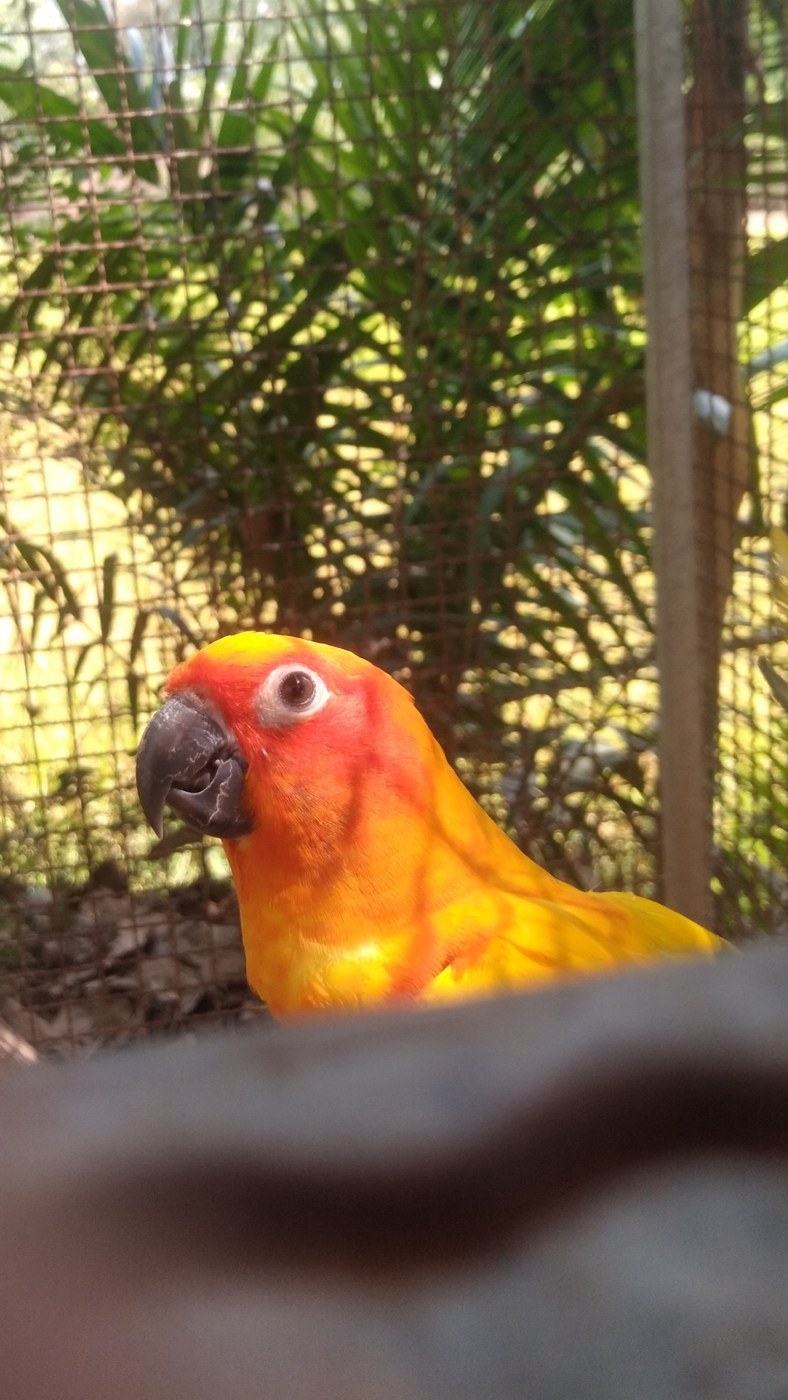
Sun Parakeet
Bright, dense body contour feathers; medium pointed tail feathers

Yellow-naped Amazon
Broad rounded contour feathers with sturdy flight feathers
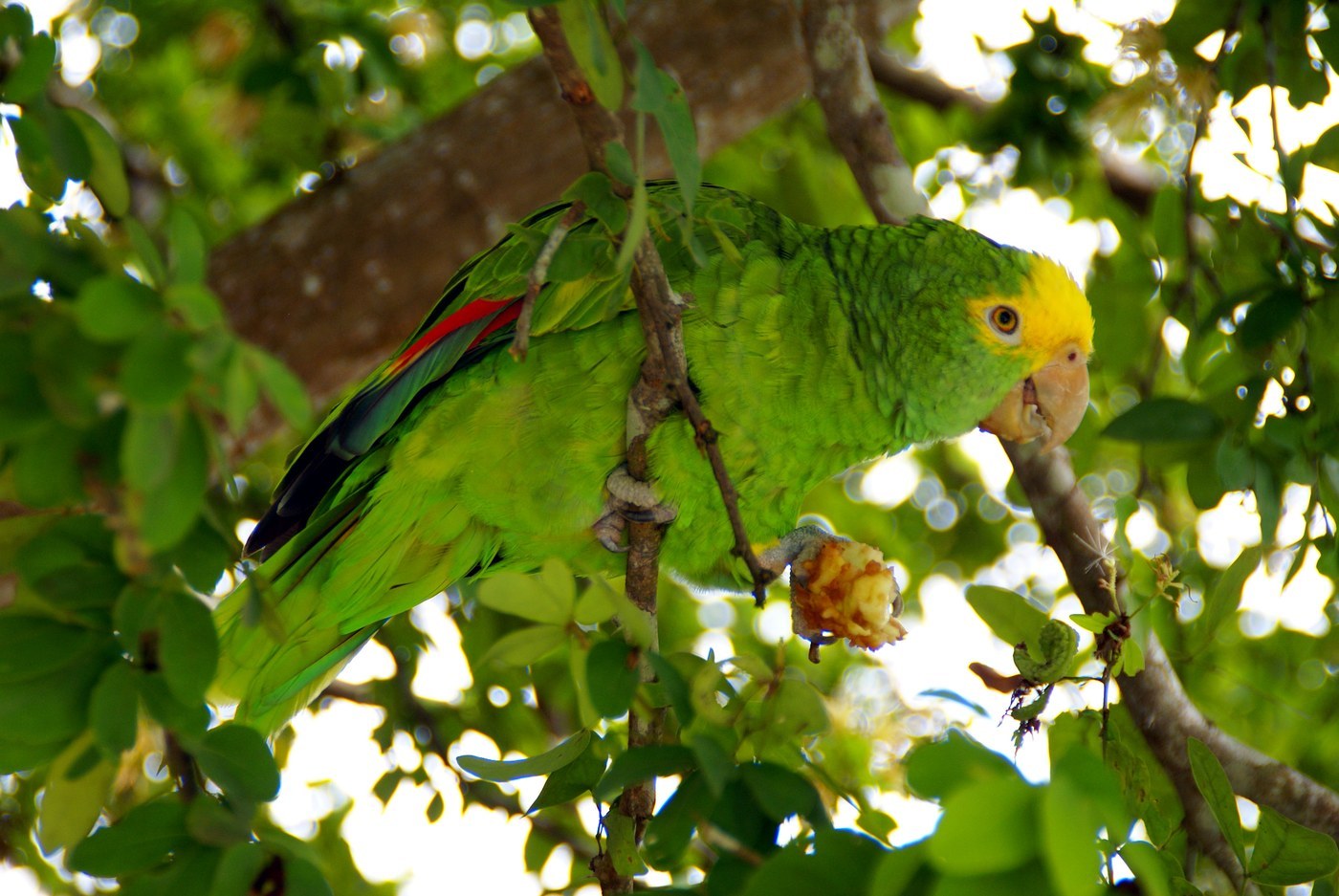
Yellow-headed Amazon
Dense, rounded body contour feathers; broad flight feathers
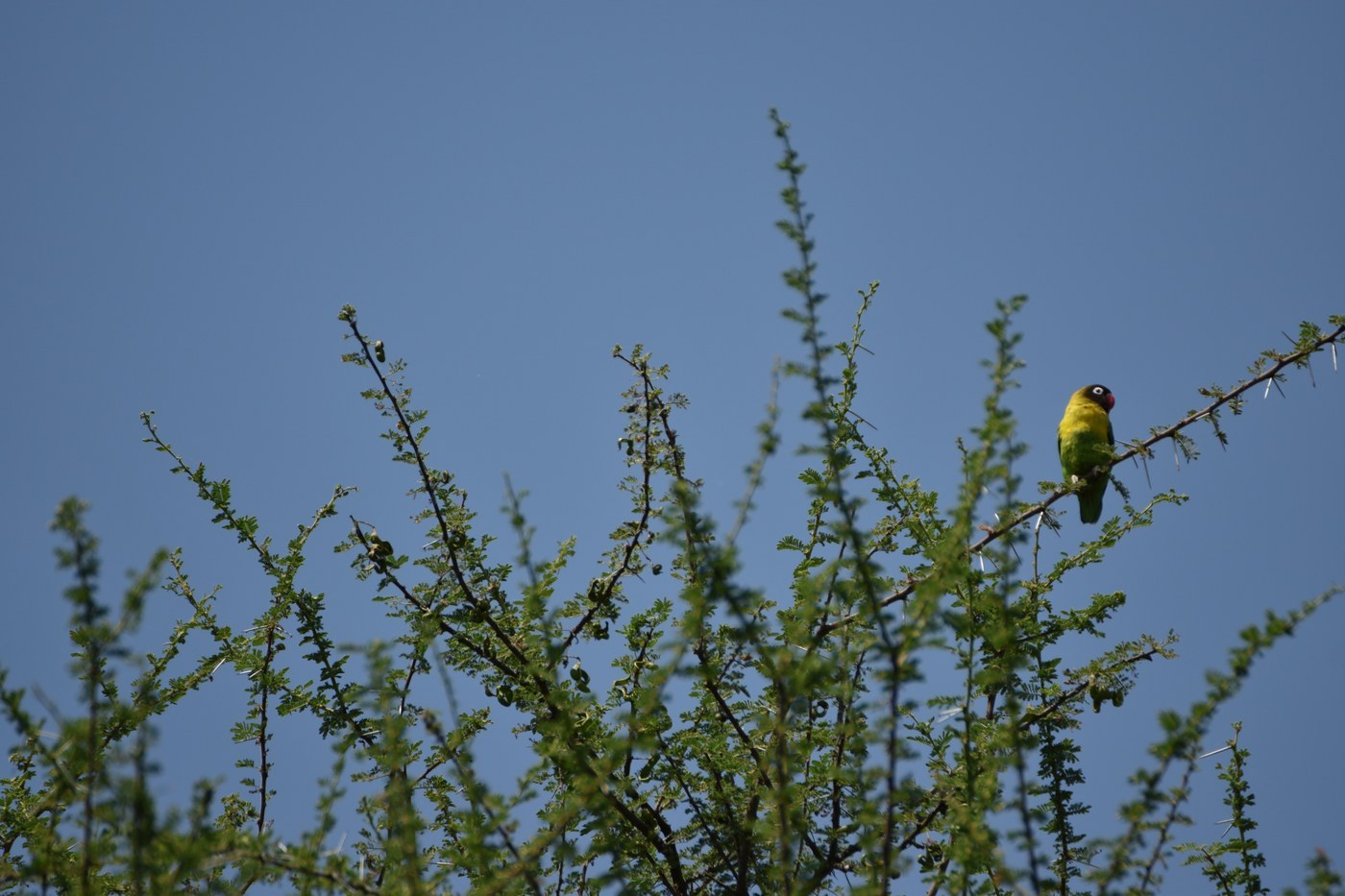
Yellow-collared Lovebird
Small compact flight feathers, short rounded tail

White-eyed Conure
Medium contour and long, graduated tail feathers

Yellow-tailed Black Cockatoo
Large, sturdy contour and flight feathers; short crest

Scarlet-chested Parrot
Small contour and flight feathers

Timneh Parrot
Broad flight feathers, scalloped body feathers with pale edges
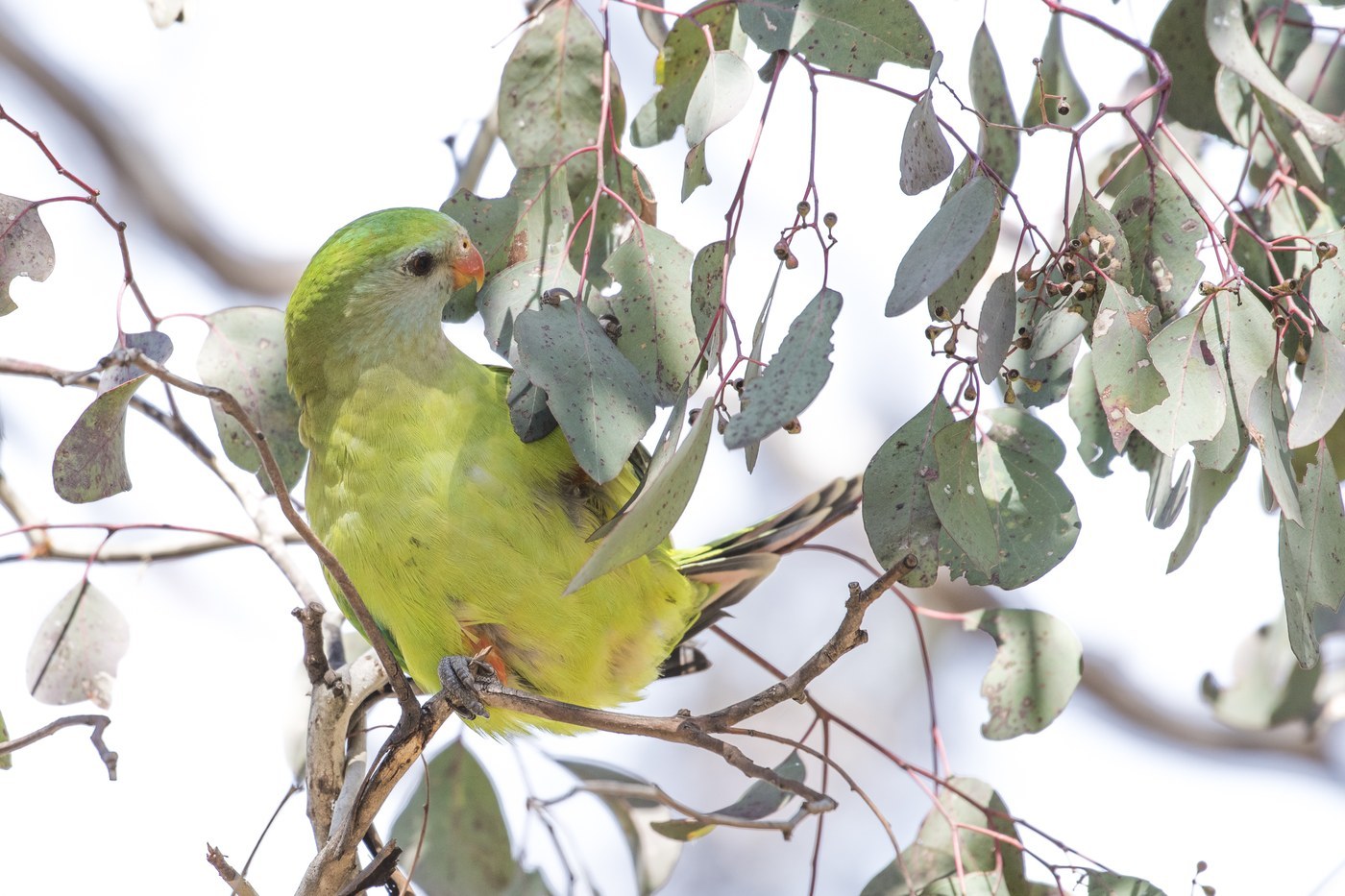
Superb Parrot
Sleek contour feathers with a long tapering tail

Red-shouldered Macaw
Compact body contour feathers; medium flight and tail feathers
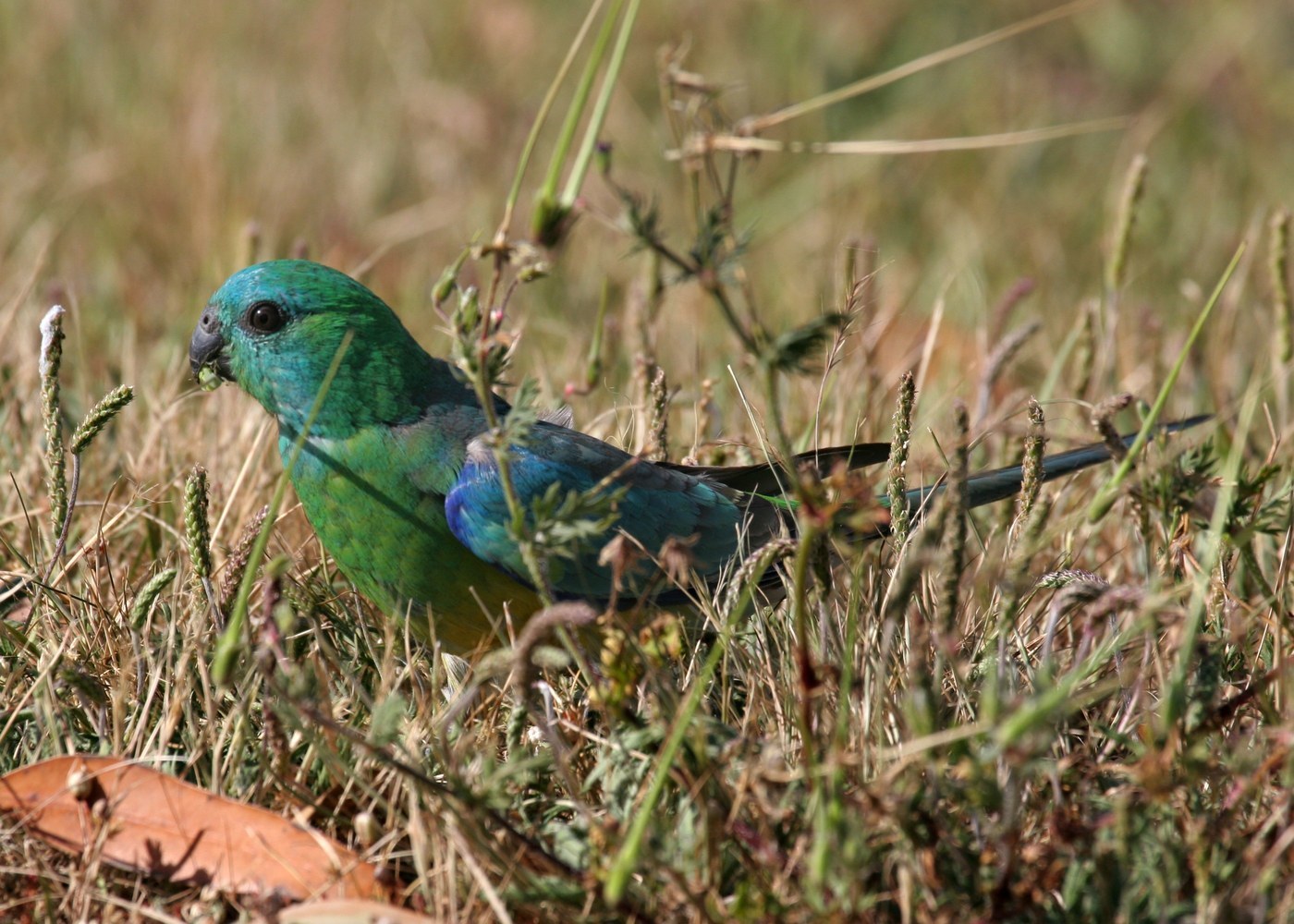
Red-rumped Parrot
Sleek contour feathers with a bright rump patch in males

White-capped Pionus
Compact contour feathers and short, squared tail feathers