
Harpy Eagle
Harpia harpyja
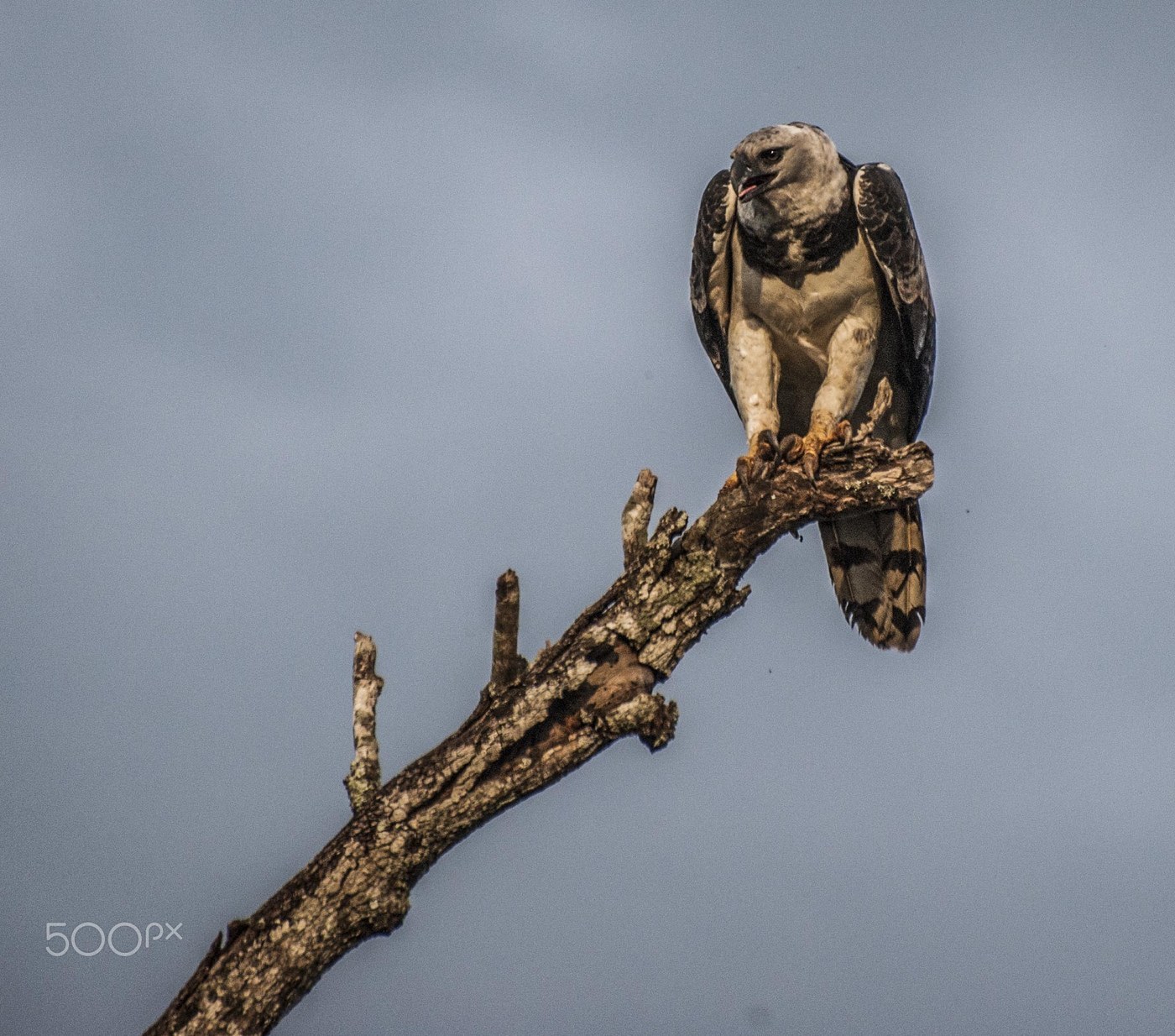
The Harpy Eagle is a massive Neotropical forest eagle with a pale grey head, blackish breast band, boldly banded black-and-grey tail, and a distinctive double crest, all suited to powerful ambush hunting beneath the rainforest canopy.
- Feather type
- Very broad, short, rounded flight feathers; long broad barred tail; prominent double crest feathers
- Colours
- Blackish-grey upperparts and breast band; pale grey head; white underparts; tail boldly banded black and pale grey
- Bird size
- One of the world's largest and heaviest eagles, ~89-107 cm, with very broad wings relative to length
Found a feather like this?
Identify any feather from a photo, free.
Overview
Harpy Eagle
The Harpy Eagle is among the largest and most powerful eagles on Earth, a top predator of the Neotropical rainforest canopy from Mexico to Argentina. Its massive size, striking grey-and-black plumage, and prominent double crest make it one of the most recognizable raptors in the Americas.
Adapted for hunting within dense forest, it has unusually short, broad wings and a long tail compared to open-country eagles, giving it agility for maneuvering between tree trunks while pursuing canopy-dwelling prey such as sloths and monkeys.
Identifying the Feather
Identifying Harpy Eagle Feathers
- Primaries/secondaries: exceptionally broad and rounded, blackish-grey above, with pale grey-and-black barring visible on the underside, adapted for maneuvering rather than fast soaring.
- Tail feathers: very long, broad, and boldly banded in alternating black and pale grey, among the most strikingly patterned tail feathers of any raptor in its range.
- Body feathers: breast feathers form a solid blackish-grey band, while belly and leg feathers are white, sometimes with fine dark barring on the flanks.
- Crest feathers: elongated, blackish-grey feathers on the crown that the bird can raise into a distinctive double crest.
- The sheer size of the feathers combined with bold black-and-grey tail banding readily distinguishes this species from other Neotropical raptors.
Plumage & Molt
Plumage
Adults have a pale grey head, blackish-grey upperparts and breast band, and white underparts and legs, with a long tail boldly banded black and grey. The double crest is a signature feature, raised when the bird is alert. Juveniles are paler overall with a whitish head and more mottled grey upperparts, taking several years to reach full adult plumage. Sexes are similar, though females are considerably larger and heavier than males. Molt is slow given the bird's great size.
Habitat & Range
Habitat & Range
Resident in lowland tropical rainforest from southern Mexico through Central America and much of tropical South America to northern Argentina, generally requiring extensive unbroken forest. It is non-migratory and pairs hold large forest territories year-round.
Behavior & Field Notes
Behavior & Field Notes
Harpy Eagles hunt by perching quietly and using short, powerful bursts of flight through the canopy to seize arboreal prey such as sloths, monkeys, and large birds with exceptionally strong feet. Nests are massive stick platforms in emergent canopy trees, used repeatedly over years. Calls are relatively high-pitched, whining notes given mainly near the nest. Finding a large, boldly grey-and-black banded tail feather on the forest floor within its Neotropical range is a strong indicator of this species, given few other raptors reach its size and pattern.
Frequently asked questions
What is the most distinctive feather feature of the Harpy Eagle?
Its long, broad tail feathers boldly banded in alternating black and pale grey, combined with the species' exceptionally large overall feather size, are the most reliable identification clues.
Do Harpy Eagles have crest feathers?
Yes, a prominent double crest of elongated grey-black feathers on the crown, which the bird raises when alert or excited.
How does this species' wing shape differ from open-country eagles?
Its wings are unusually short and broad for such a large eagle, an adaptation for maneuvering through dense forest canopy rather than soaring over open terrain.
Where in the Americas would I encounter this species?
Within lowland tropical rainforest from southern Mexico through Central America and much of tropical South America, generally requiring large tracts of intact forest.
Harpy Eagle guides
In-depth guides for identifying and understanding Harpy Eagle.
Other feathers you may enjoy

Australian Hobby
Long, narrow pointed flight feathers; slender tail feathers

California Condor
Massive flight feathers; long broad primaries; large tail feathers

Brown Falcon
Broad, rounded flight feathers; variable-toned contour feathers
Secretarybird
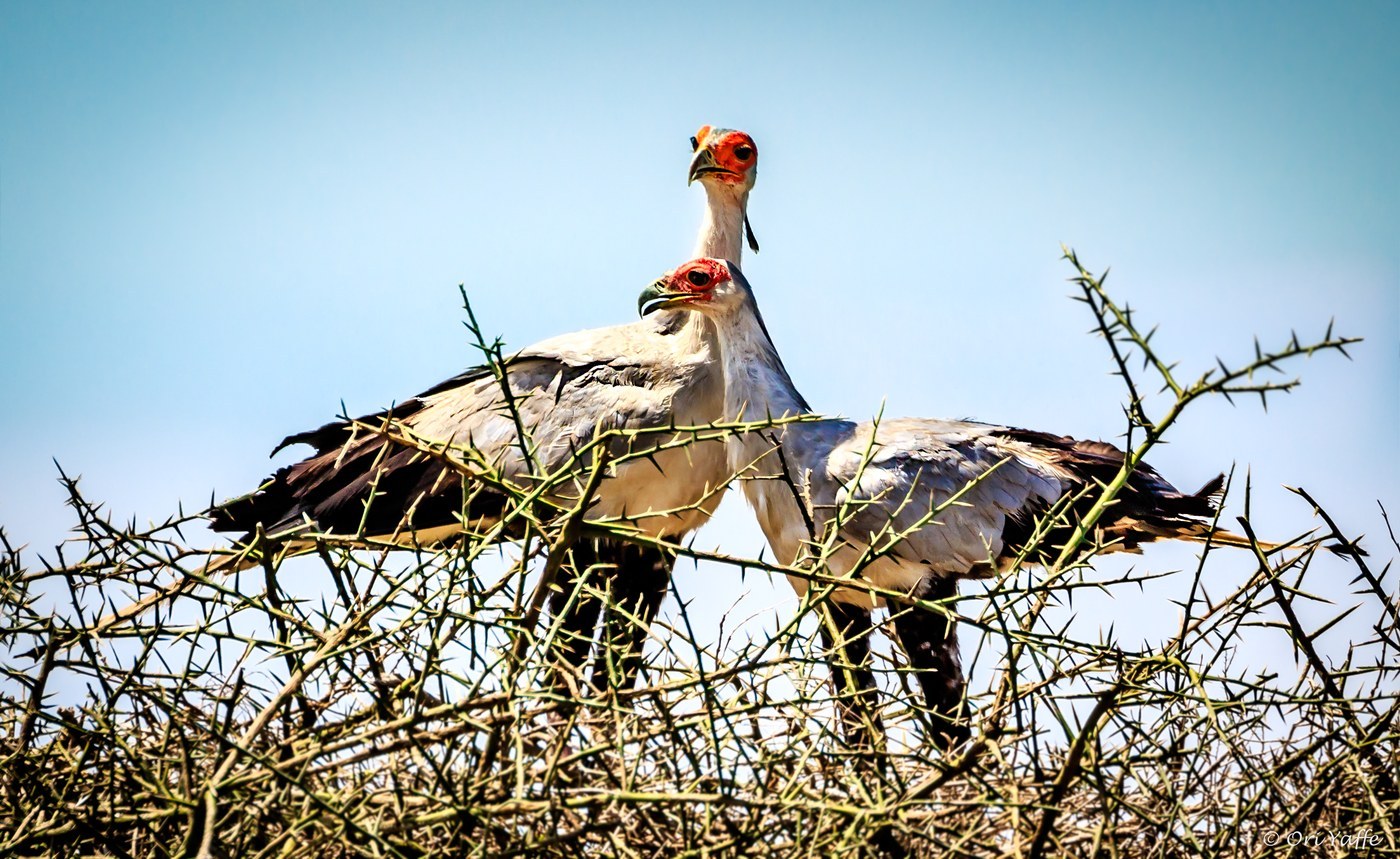
Long crest feathers; broad flight feathers; elongated central tail feathers

Orange-breasted Falcon
Broad-based pointed flight feathers; bold breast and belly feathers
African Fish Eagle
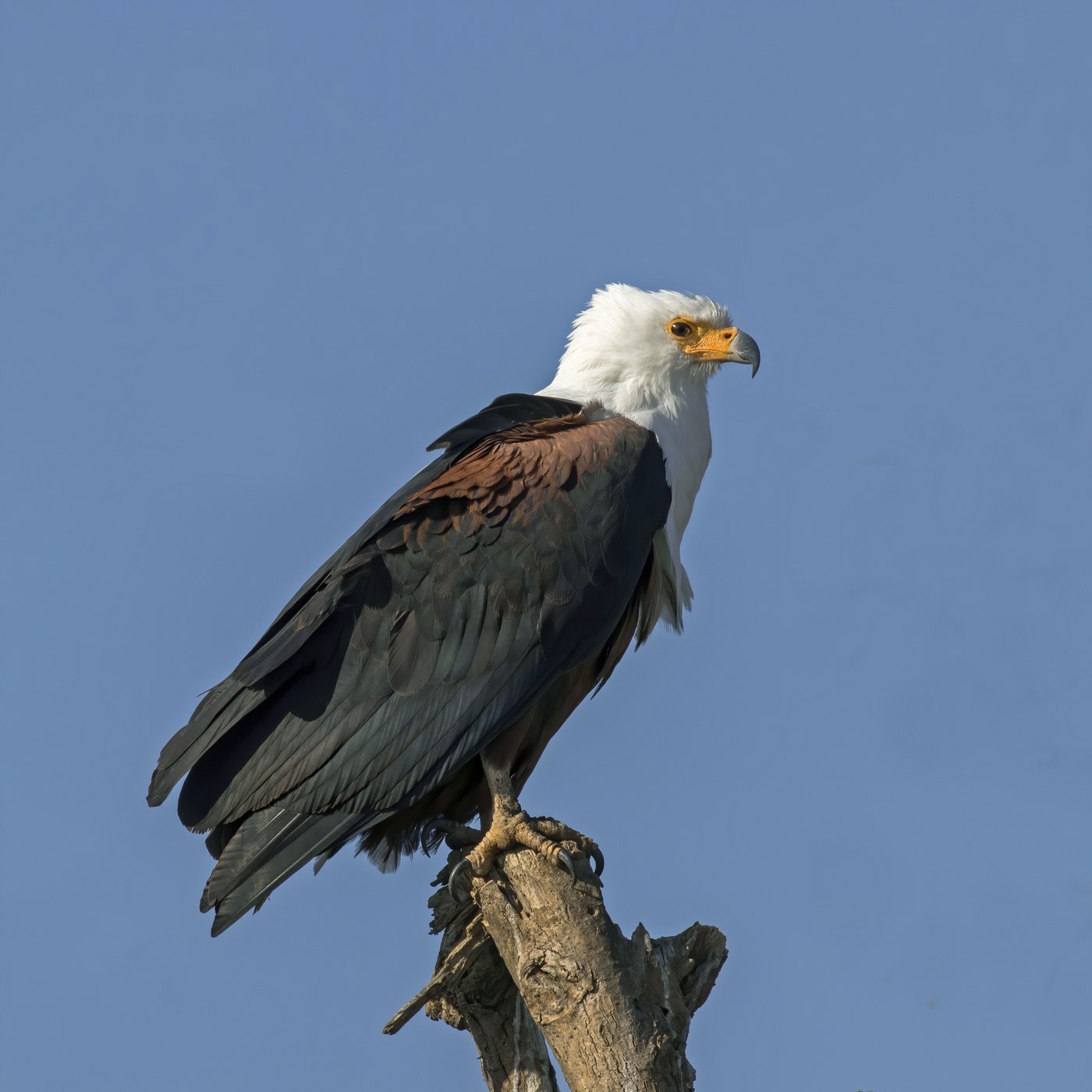
Flight, tail, and body feathers

Amur Falcon
Slender pointed flight feathers; soft slate or orange-buff contour feathers
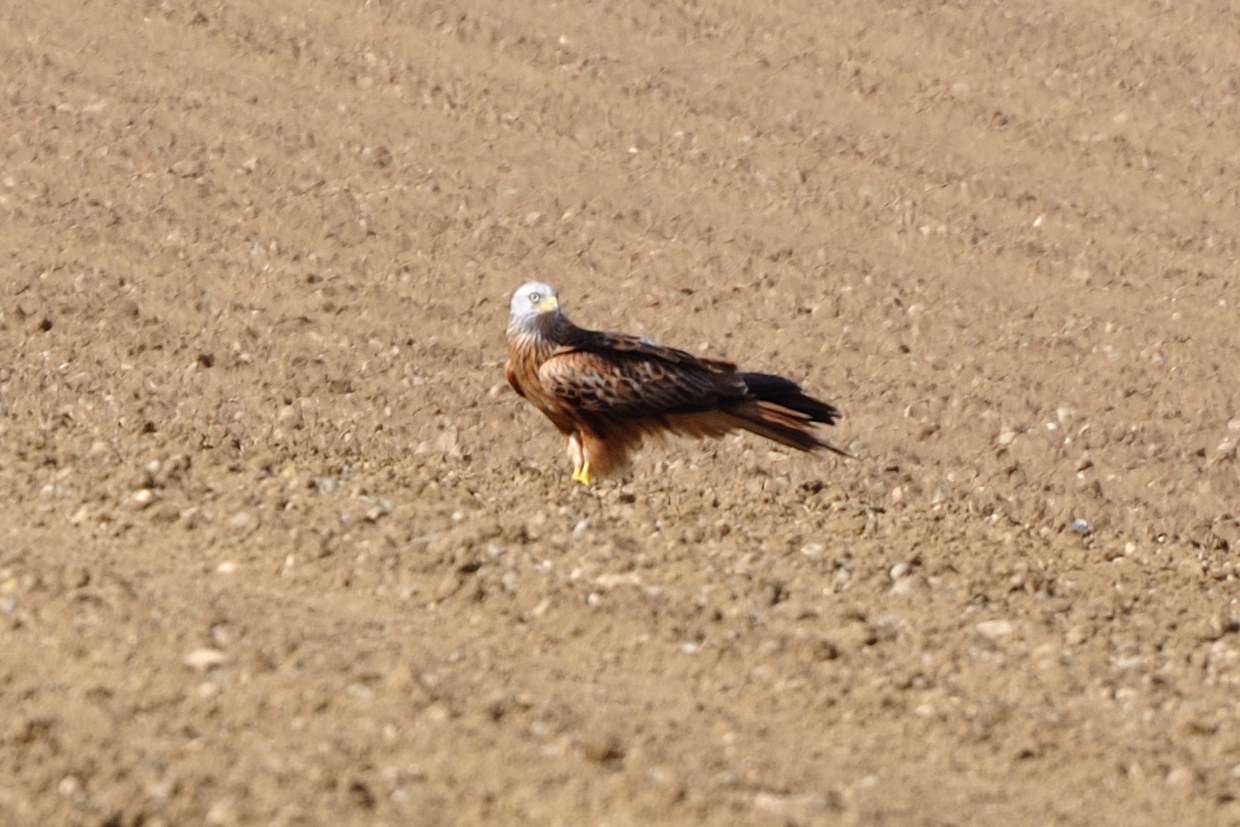
Red Kite
Flight (wing) and tail feathers
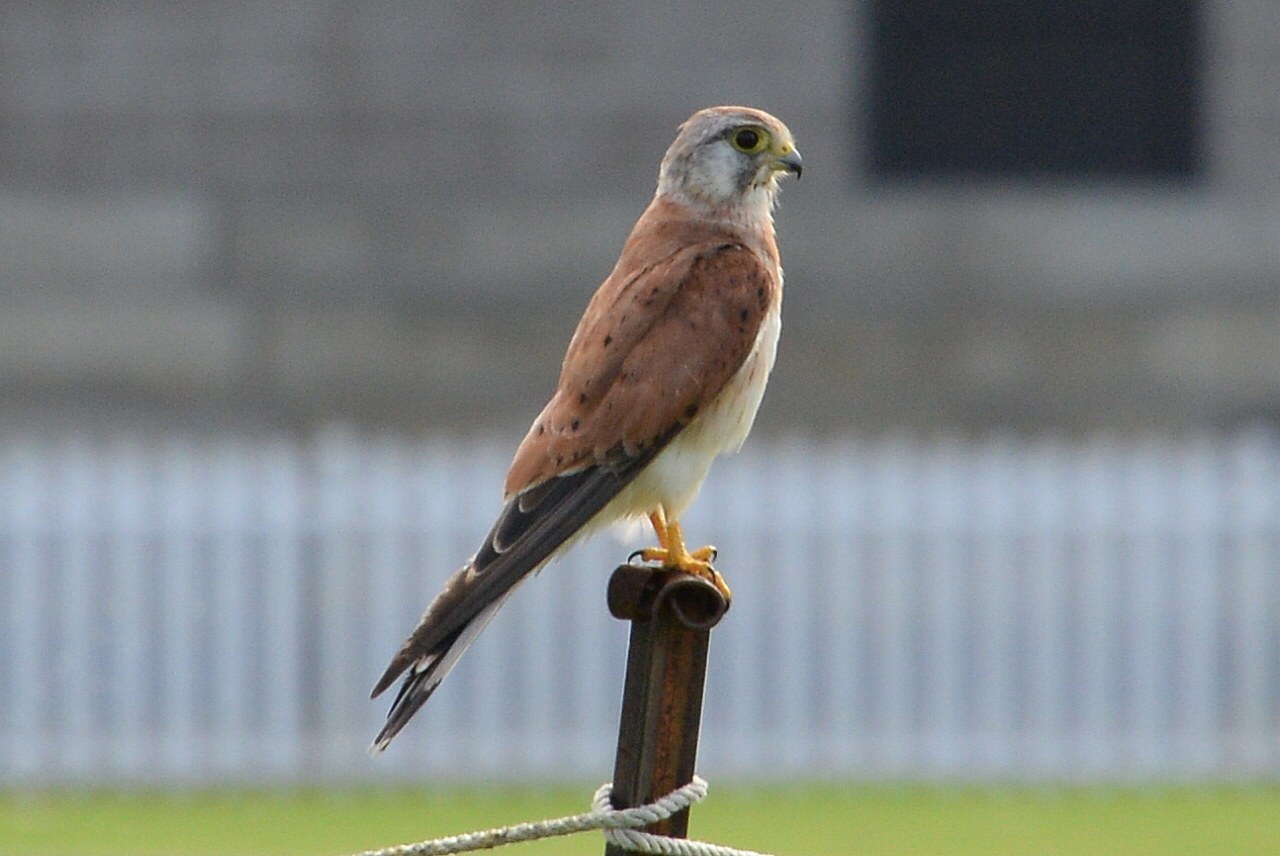
Nankeen Kestrel
Slim pointed flight feathers; lightly marked contour feathers

Andean Condor
Massive flight feathers; broad primaries and secondaries; sturdy tail feathers

Plumbeous Forest Falcon
Short rounded flight feathers; finely barred tail feathers

Sooty Falcon
Long pointed flight feathers; slim tail feathers