

Guianan Cock-of-the-rock
Rupicola rupicola
A brilliant orange-yellow songbird of the Guiana Shield's rocky lowland forests, males show the same striking disc-shaped crest as their Andean relative, displayed at communal leks near boulders.
- Feather type
- Dense, rounded body contour feathers; disc-shaped crest of modified feathers
- Colours
- Bright orange-yellow male plumage with black-and-white wing markings
- Bird size
- Pigeon-sized, ~28-30 cm
Found a feather like this?
Identify any feather from a photo, free.
Overview
The Guianan Cock-of-the-rock is a vividly colored songbird found in lowland and hill forest across the Guiana Shield region of northern South America, closely related to the Andean Cock-of-the-rock but adapted to lower-elevation forest with rocky outcrops rather than montane cloud forest.
Males share the striking flattened crest of their Andean relative and perform similarly elaborate lek displays, typically near boulder fields or rocky forest clearings, to attract females for mating.
Identifying the Feather
- Male body is bright orange-yellow, generally slightly paler and more yellow-toned than the deeper orange of the Andean Cock-of-the-rock
- Crest is a large, flattened, disc-shaped structure of modified feathers extending from the bill to the crown
- Wings show black-and-white patterning, with pale buff or whitish markings contrasting against darker flight feathers, differing from the plain silvery wing band of the Andean species
- Tail is short and dark relative to body size
- Female is dull grayish-brown overall, lacking the bright coloration and exaggerated crest, aiding camouflage at the nest
- Distinguished from the Andean Cock-of-the-rock by its more yellow-orange tone, different wing pattern, and lowland (rather than montane) range
Plumage & Molt
Adult males display the bright orange-yellow body, black-and-white wing markings, and large disc-shaped crest described above, fully developed plumage reached only at maturity and prominently used in lek displays. Females are uniformly dull grayish-brown, without the crest's exaggerated form or bright coloration, well camouflaged at the nest. Juveniles resemble females, with young males gradually developing full adult coloration and crest structure over several years.
Habitat & Range
This species inhabits lowland and hill tropical forest across the Guiana Shield, including Guyana, Suriname, French Guiana, and adjacent parts of Venezuela and Brazil, often near rocky outcrops, boulder fields, and forest streams. It is largely resident, with males maintaining fidelity to traditional lek sites near suitable rocky terrain.
Behavior & Field Notes
Guianan Cock-of-the-rocks feed primarily on fruit, along with some insects and small vertebrates, foraging within the forest canopy and understory. Males gather at communal leks near rock outcrops, performing bobbing and hopping displays paired with harsh calls to attract females. Females construct cup nests of mud and plant material on rock faces or cave-like crevices, and they raise the young without male assistance.
Frequently asked questions
What does a Guianan Cock-of-the-rock feather look like?
Male body feathers are bright orange-yellow, the wings show black-and-white markings, and a large flattened, disc-shaped crest of modified feathers covers much of the head.
How is the Guianan Cock-of-the-rock different from the Andean Cock-of-the-rock?
It shows a more yellow-orange tone with distinct black-and-white wing markings rather than a plain silvery band, and it lives in lowland forest rather than montane cloud forest.
Where does the Guianan Cock-of-the-rock live?
It is found in lowland and hill forest across the Guiana Shield region of northern South America.
Why do Guianan Cock-of-the-rocks gather at leks?
Males gather at traditional display sites near rocky terrain to perform courtship displays competing for the attention of visiting females.
Guianan Cock-of-the-rock guides
In-depth guides for identifying and understanding Guianan Cock-of-the-rock.

Other feathers you may enjoy

Yellow-breasted Bunting
Contour and flight feathers, chestnut-and-yellow breeding pattern
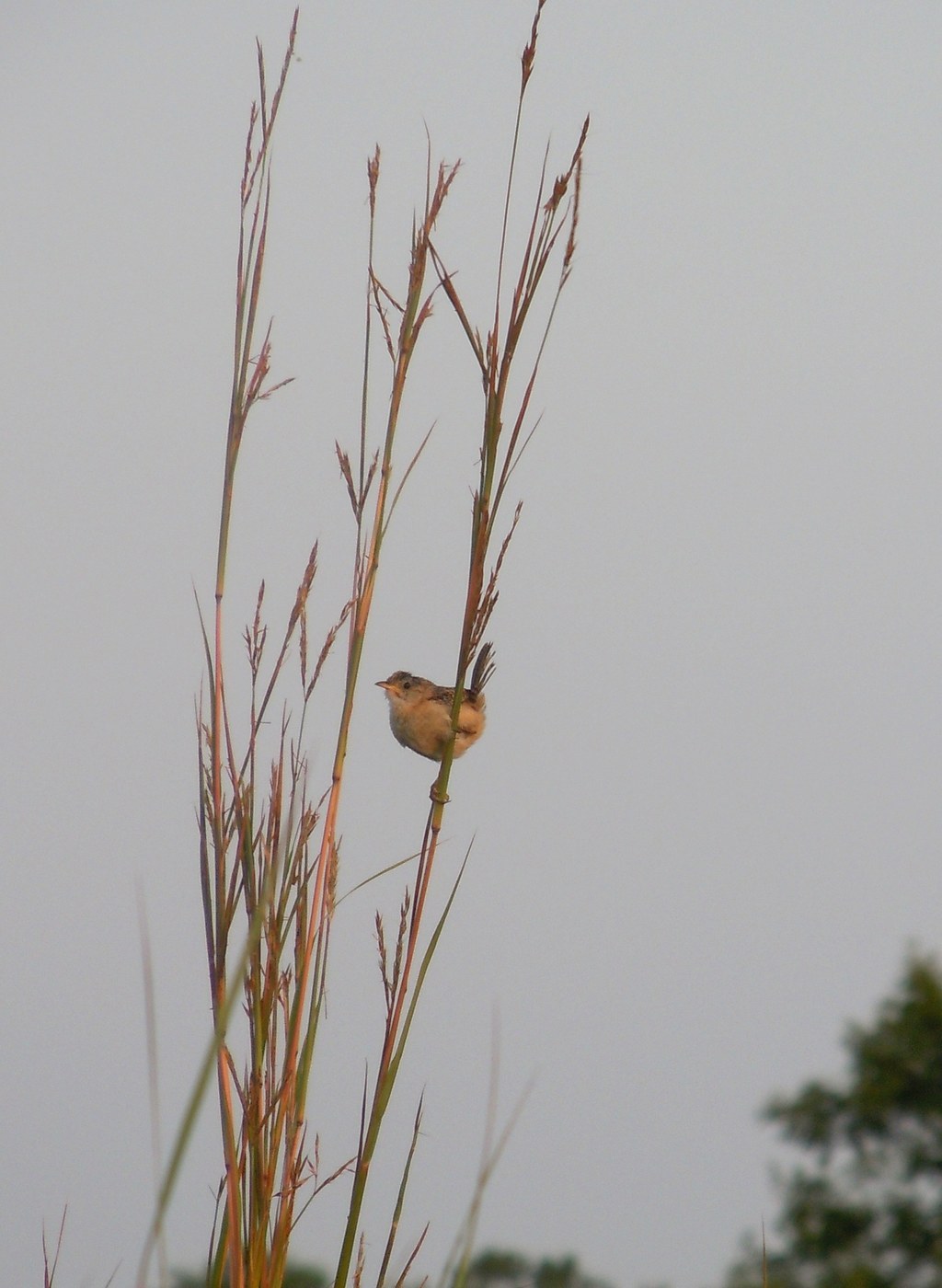
Sedge Wren
Tiny streaked crown and back feathers

Yellow-winged Cacique
Glossy black body feathers, yellow wing patch, shaggy crest

Yellow Warbler
Small contour and flight feathers
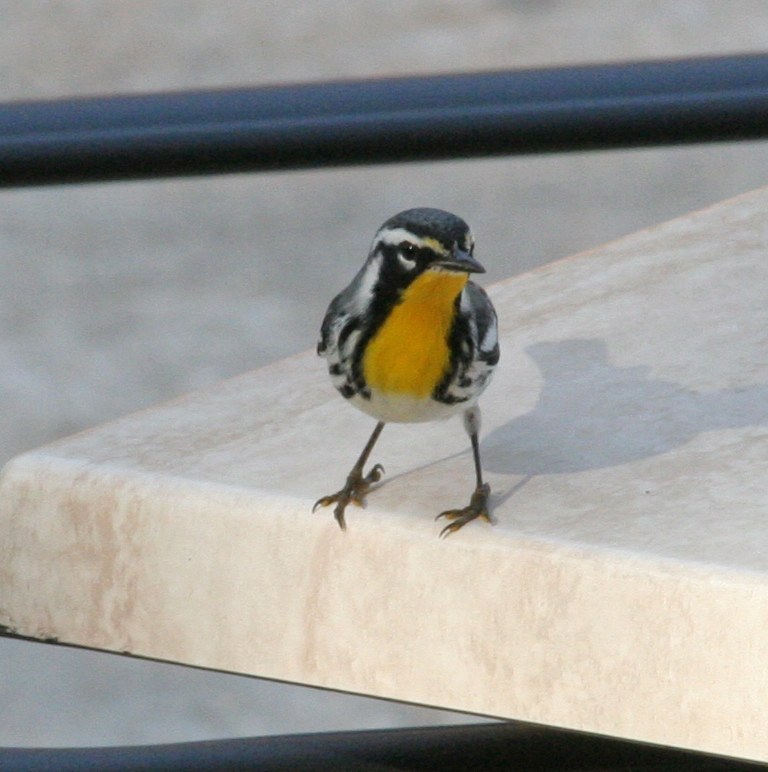
Yellow-throated Warbler
Small contour and flight feathers
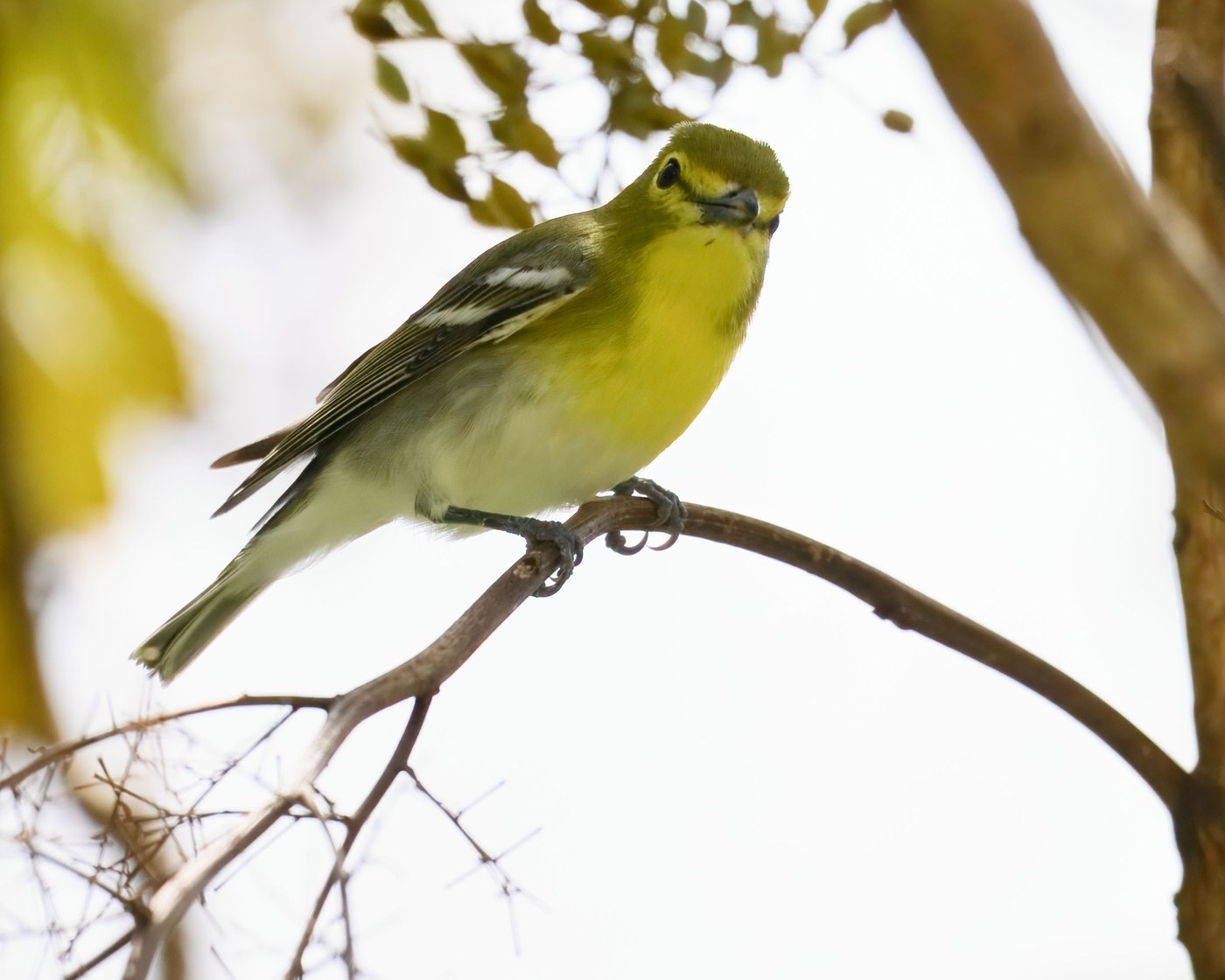
Yellow-throated Vireo
Bright yellow throat and spectacle feathers; olive-green back feathers; two white wing-bar feathers

Yellow-rumped Warbler
Small contour and flight feathers
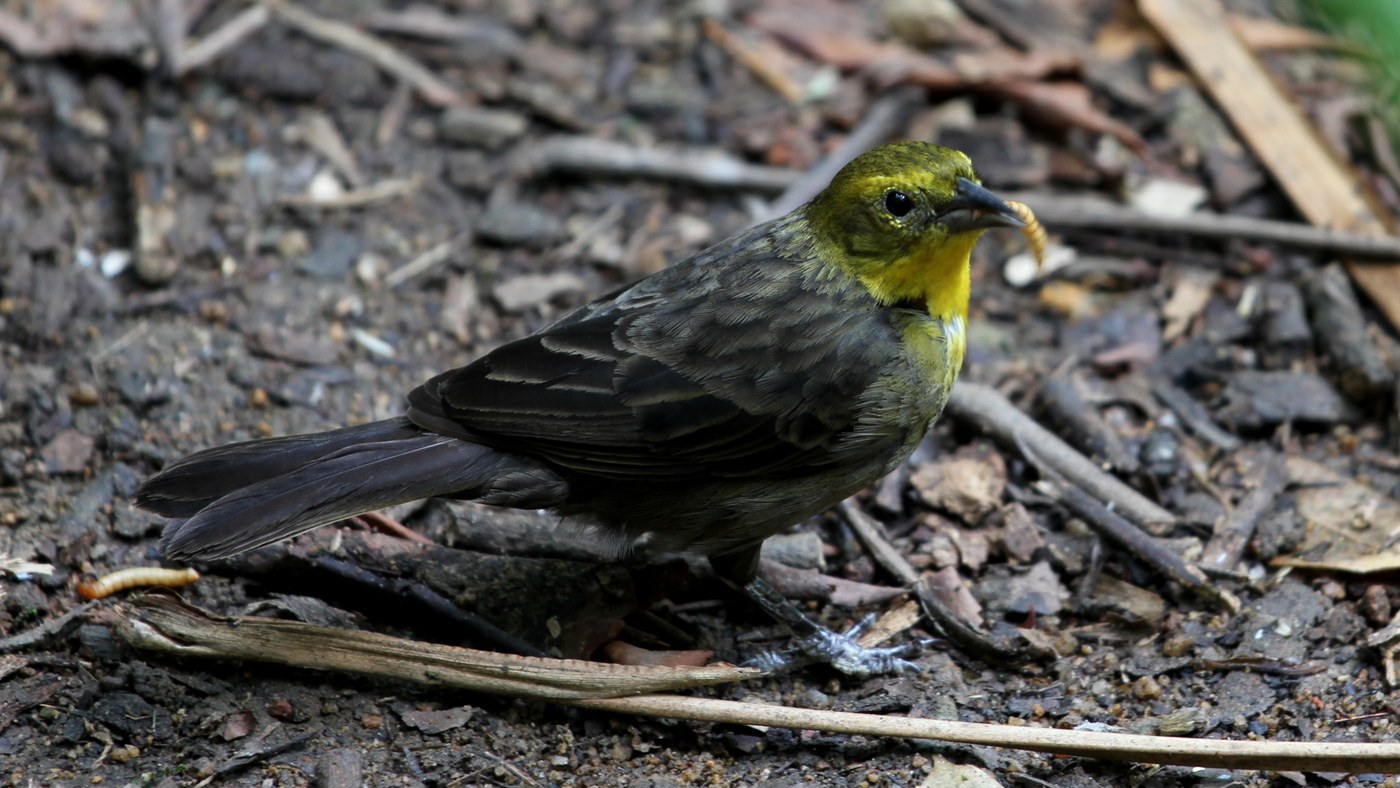
Yellow-hooded Blackbird
Contrasting hood and body feathers
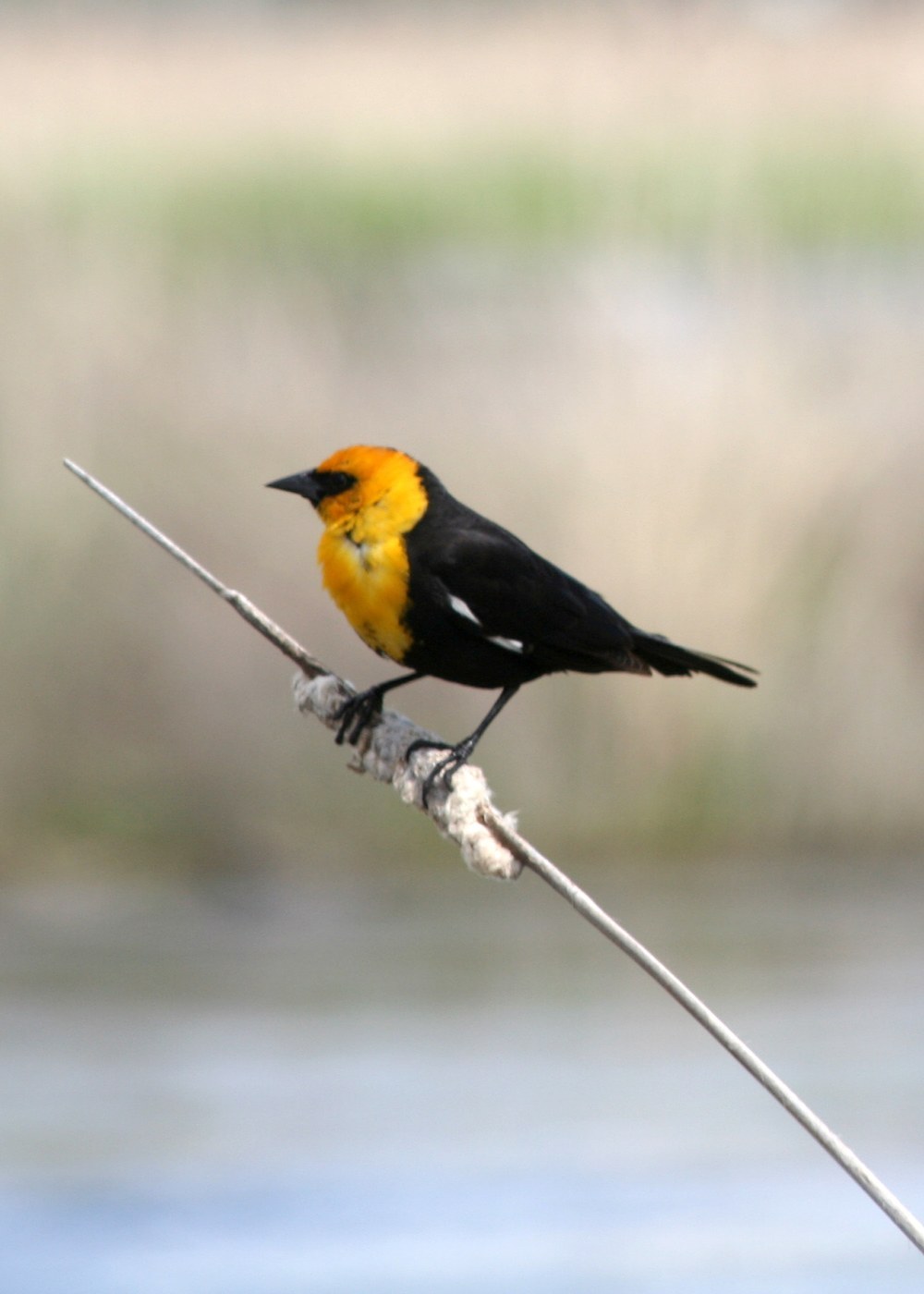
Yellow-headed Blackbird
Glossy black body plumage with a bright yellow head and breast

Yellow-eyed Junco
Contour and flight feathers

Yellow-fronted Canary
Small, smooth body plumage

Yellow-breasted Greenfinch
Compact, smooth body plumage