

Greater White-fronted Goose
Anser albifrons
A brown, scale-patterned goose named for the band of white feathers at the base of its bill, with variable black barring across the belly that gives it the nickname "specklebelly."
- Feather type
- Contour and flight feathers
- Colours
- Brown with pale scaling, black belly bars, white bill base
- Bird size
- Medium goose, ~70 cm
Found a feather like this?
Identify any feather from a photo, free.
Overview
The Greater White-fronted Goose is a widespread circumpolar breeder found across Arctic tundra in North America, Europe, and Asia. Its warm brown, evenly scaled plumage and the diagnostic white feathering around the base of the bill set it apart from other brown geese, and its irregular black belly markings have earned it the popular nickname "specklebelly" among waterfowl hunters and birders alike.
Identifying the Feather
Body and breast feathers are warm grayish-brown broadly edged in buff or whitish, producing a neat scaled or scalloped texture across the back and flanks. Belly feathers show irregular black blotches and bars that vary greatly between individuals and increase with age, a pattern not found in Snow Geese, Canada Geese, or Greylag Geese. A narrow ring of white feathers rims the base of the pinkish-orange bill, contrasting with the darker brown face. Legs and feet are orange. Compare with the Greylag Goose, which lacks both the white bill base and the black belly bars, and the Bean Goose, which is darker overall without belly barring.
Plumage & Molt
Sexes look alike. Juveniles lack the white face ring and black belly bars entirely, appearing plain brown, and gradually acquire both features over their first one to two years as they mature. Adults molt flight feathers on the breeding grounds in a flightless period during summer.
Habitat & Range
Breeds on wet Arctic and subarctic tundra across North America, Greenland, and Eurasia. Winters on wetlands, coastal marshes, and agricultural fields at temperate latitudes, including the southern United States, Mexico, and parts of Europe and Asia, depending on the population.
Behavior & Field Notes
Grazes on grasses, sedges, and waste grain in farm fields, often forming large mixed flocks with other geese on wintering grounds. Nests on the open tundra, timed to snowmelt. Known for a distinctive high-pitched, laughing or yelping call given in flight, quite different from the deeper honks of larger geese, and often the easiest way to detect a flock overhead before it comes into view.
Frequently asked questions
Why is it called "specklebelly"?
Adults develop irregular black bars and blotches across the belly feathers that vary in extent between individuals, resembling dark speckling.
What does the "white-fronted" name refer to?
A narrow band of white feathers surrounds the base of the bill, contrasting with the brown face.
Do young Greater White-fronted Geese have belly bars?
No, juveniles are plain brown below and gradually develop the black barring and white face ring as they mature.
How can you identify this species by call?
It gives a distinctive high, laughing or yelping call in flight, higher-pitched and more musical than the deep honks of Canada or Greylag Geese.
Greater White-fronted Goose guides
In-depth guides for identifying and understanding Greater White-fronted Goose.

Greater White-fronted Goose identified by the community
Real feathers identified with Feather Identifier.

Other feathers you may enjoy

Mallard
Wing (speculum), body, and tail feathers

Spectacled Eider
Large sea-duck body feathers with distinctive eye-ring patches

Canada Goose
Body and flight feathers
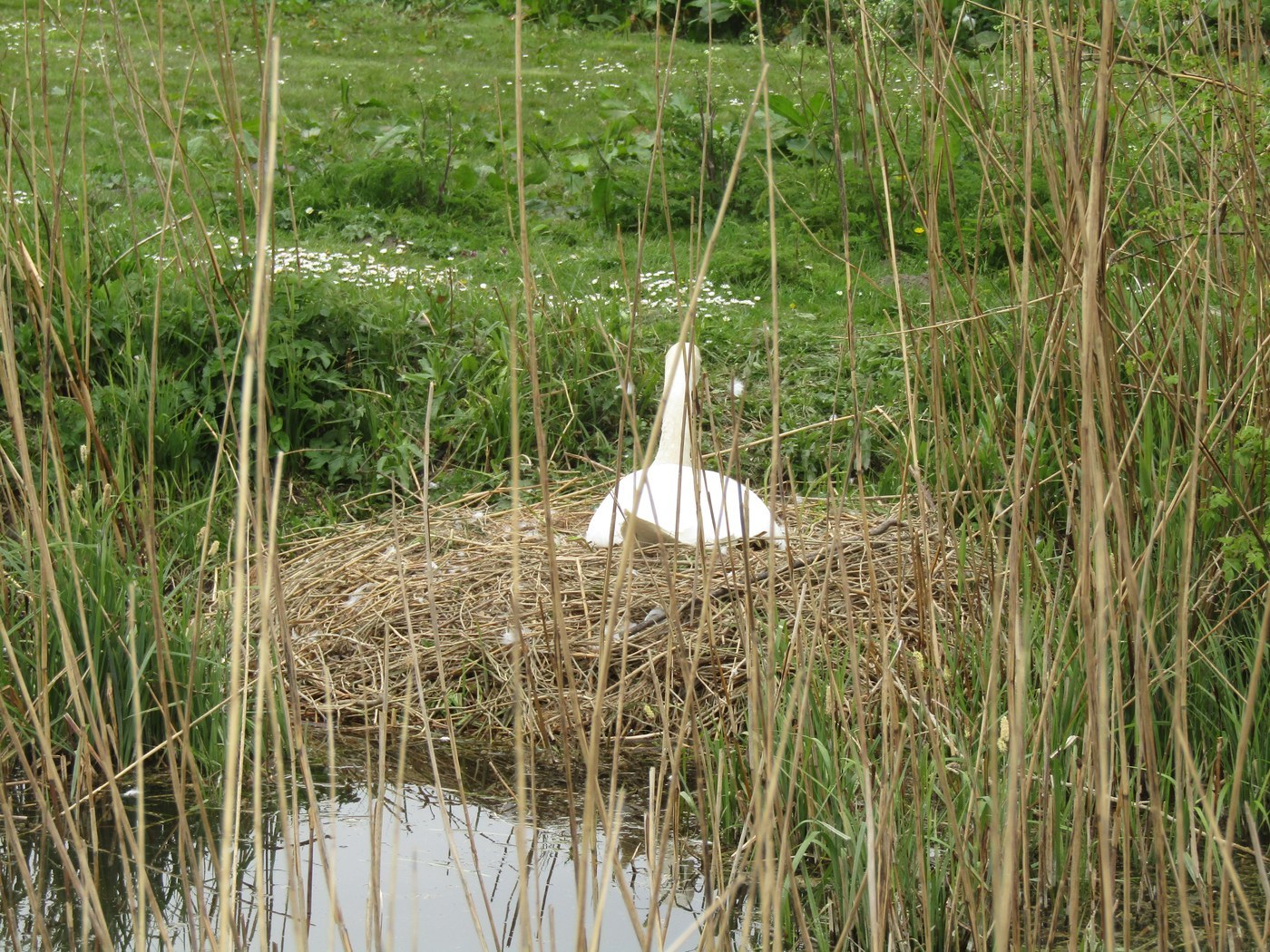
Mute Swan
Body (contour) and flight feathers

Wood Duck
Iridescent crest feathers; ornate scapular and flank feathers; white teardrop facial feathers (female)
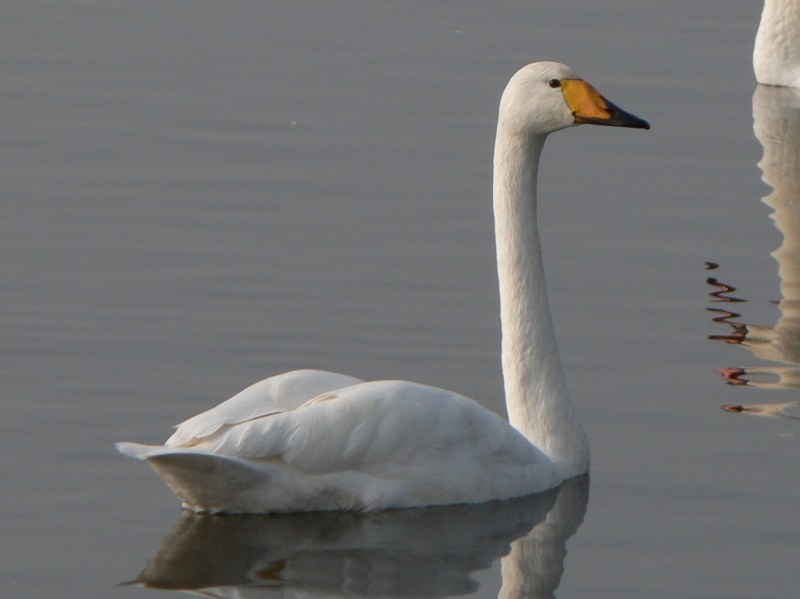
Whooper Swan
Contour and flight feathers

White-winged Scoter
Large sea-duck body feathers with a white wing patch

Ruddy Duck
Stiff tail feathers and compact body plumage

Ross's Goose
Contour and flight feathers

White-cheeked Pintail
Contour and elongated tail feathers

Torrent Duck
Dense, sleek contour feathers; stiff, pointed tail feathers used for bracing against rocks

Tundra Swan
Contour and flight feathers