
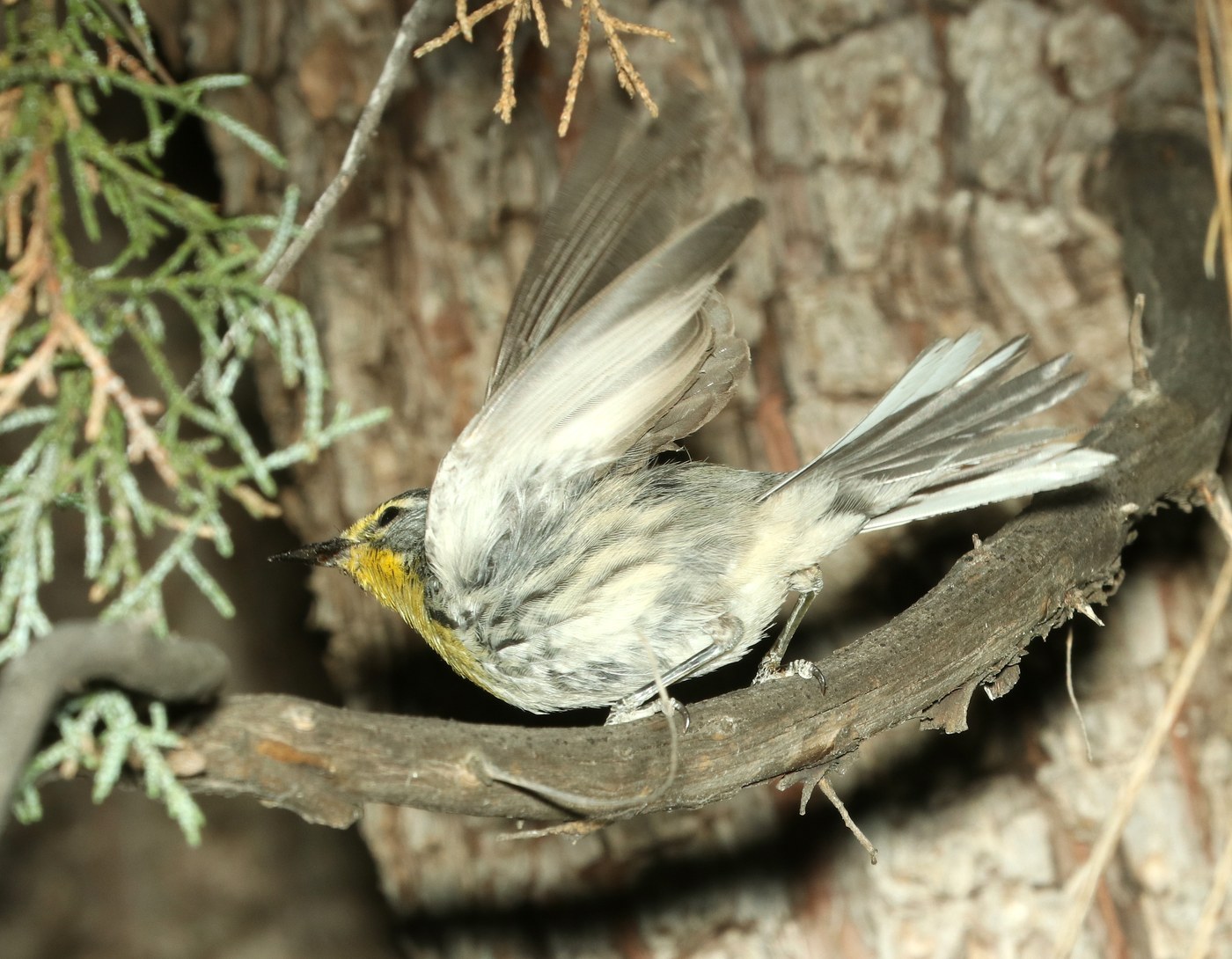
Grace's Warbler
Setophaga graciae
Grace's Warbler is a small, treetop-loving warbler of southwestern pine forests, showing a bright yellow throat set against a gray-streaked back.
- Feather type
- Streaked back feathers; two white wing-bar feathers; short pointed flight feathers
- Colours
- Blue-gray back with black streaking, yellow throat feathers, white belly, white eyebrow stripe
- Bird size
- Small warbler, ~11-12 cm
Found a feather like this?
Identify any feather from a photo, free.
Overview
Overview
Grace's Warbler is closely tied to open ponderosa and other yellow pine forests across the mountains of the southwestern United States and Mexico, foraging high in the canopy where it can be hard to observe directly. Its combination of gray upperparts, yellow throat, and white wing bars makes it a recognizable member of its pine habitat.
Because it stays in the treetops, feathers found on the ground are usually molted flight or contour feathers rather than fresh plumage.
Identifying the Feather
Recognizing the Feathers
- Back feathers: blue-gray with distinct black streaking
- Throat & upper breast feathers: bright yellow, unstreaked
- Flank feathers: white with black streaking
- Wing feathers: dark with two crisp white wing bars
- Face feathers: gray with a short white eyebrow stripe and white crescents around the eye
The streaked gray back paired with a solid yellow throat (rather than yellow extending over the whole underside) helps distinguish this species from similar pine-forest warblers.
Plumage & Molt
Plumage
Males show a cleaner, more contrasting pattern with a bright yellow throat and crisply streaked gray back; females and immatures are duller overall with less defined streaking and a paler yellow throat. There is no marked seasonal plumage change, and a single complete molt occurs after the breeding season.
Habitat & Range
Habitat & Range
This warbler breeds in open pine and pine-oak woodlands through the mountains of the southwestern United States, Mexico, and parts of Central America. Northern populations are migratory, moving south for winter, while southern populations may be more resident.
Behavior & Field Notes
Behavior & Field Notes
Grace's Warbler forages actively high in pine canopies, gleaning insects from needle clusters much like a kinglet or other treetop specialist. It builds its nest in a needle cluster or fork well up in a pine tree and delivers a rapid, trilling song from the canopy. Its habit of staying high overhead makes it easier to hear than to see.
Frequently asked questions
What makes Grace's Warbler feathers distinctive?
A streaked blue-gray back combined with a solid bright yellow throat and two clean white wing bars is a useful combination not shared by many other pine-forest warblers.
Do males and females look different?
Yes, males show brighter yellow and crisper streaking, while females and young birds are duller and less contrasted.
Where is this species typically found?
In open pine and pine-oak forests through mountain ranges of the southwestern United States, Mexico, and Central America.
Is the yellow limited to the throat?
Yes, unlike many warblers with yellow extending down the breast and belly, Grace's Warbler keeps the yellow mostly confined to the throat and upper breast, with white below.
Grace's Warbler guides
In-depth guides for identifying and understanding Grace's Warbler.
Other feathers you may enjoy

Yellow-breasted Bunting
Contour and flight feathers, chestnut-and-yellow breeding pattern
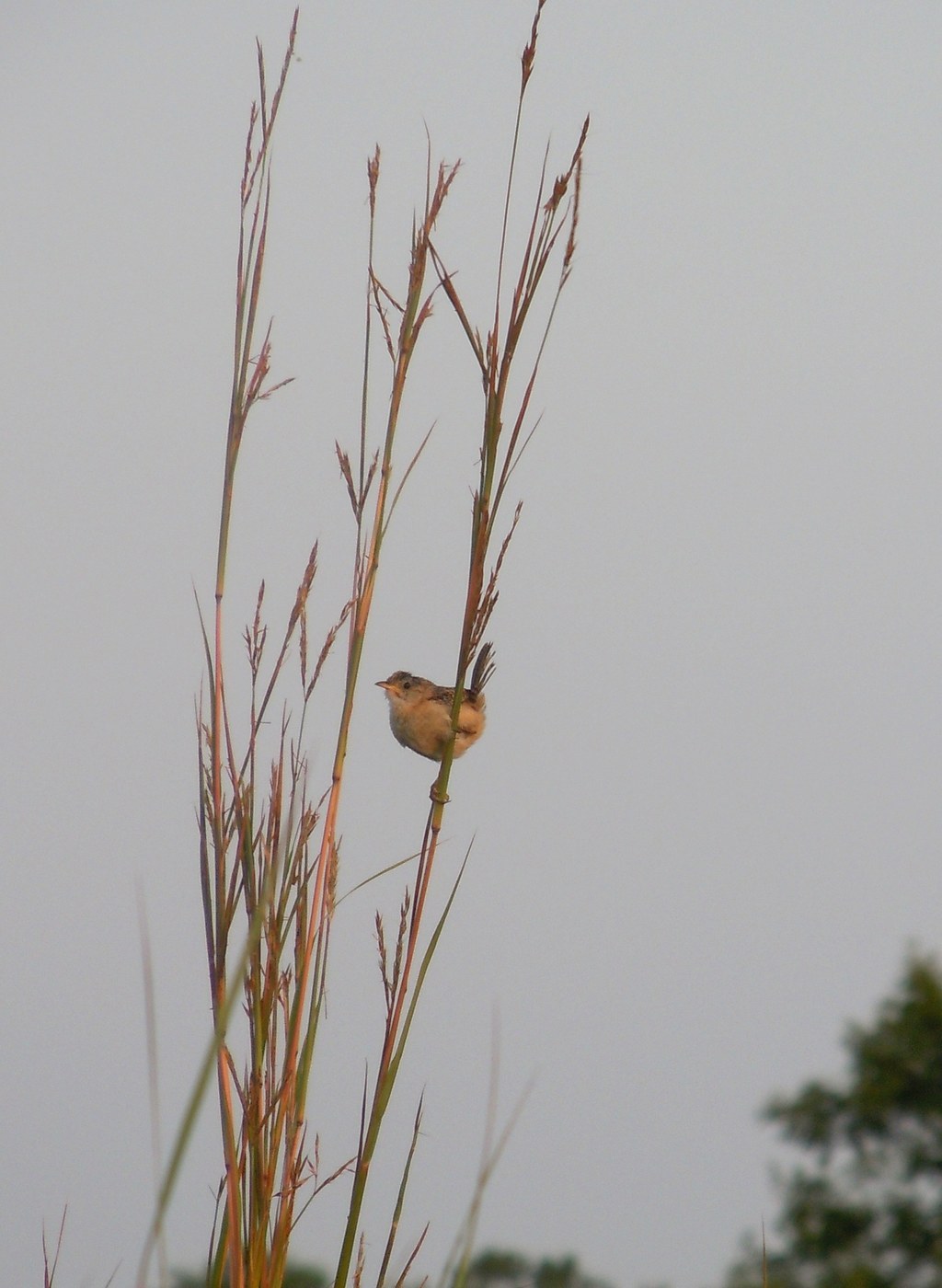
Sedge Wren
Tiny streaked crown and back feathers

Yellow-winged Cacique
Glossy black body feathers, yellow wing patch, shaggy crest

Yellow Warbler
Small contour and flight feathers
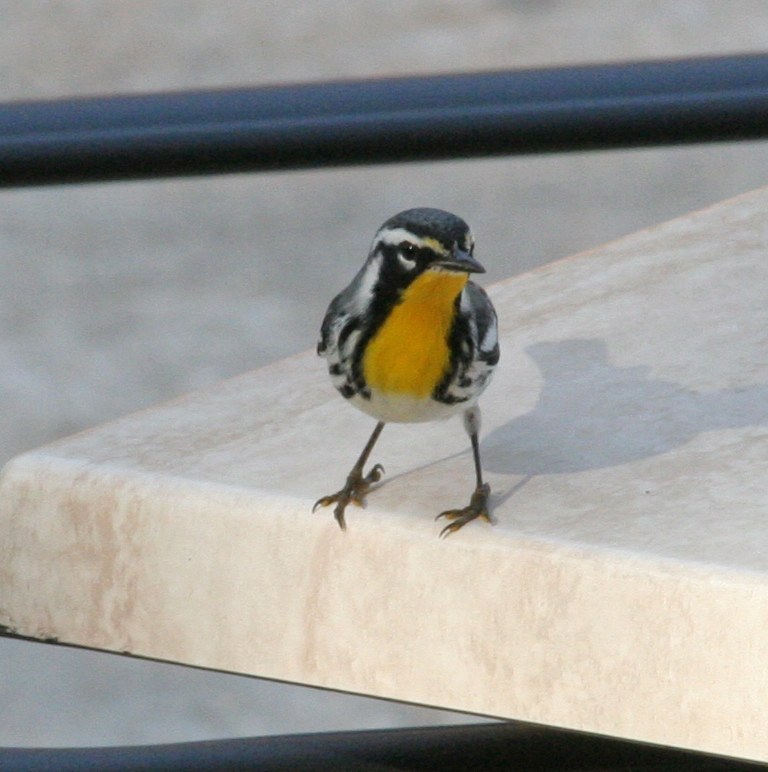
Yellow-throated Warbler
Small contour and flight feathers
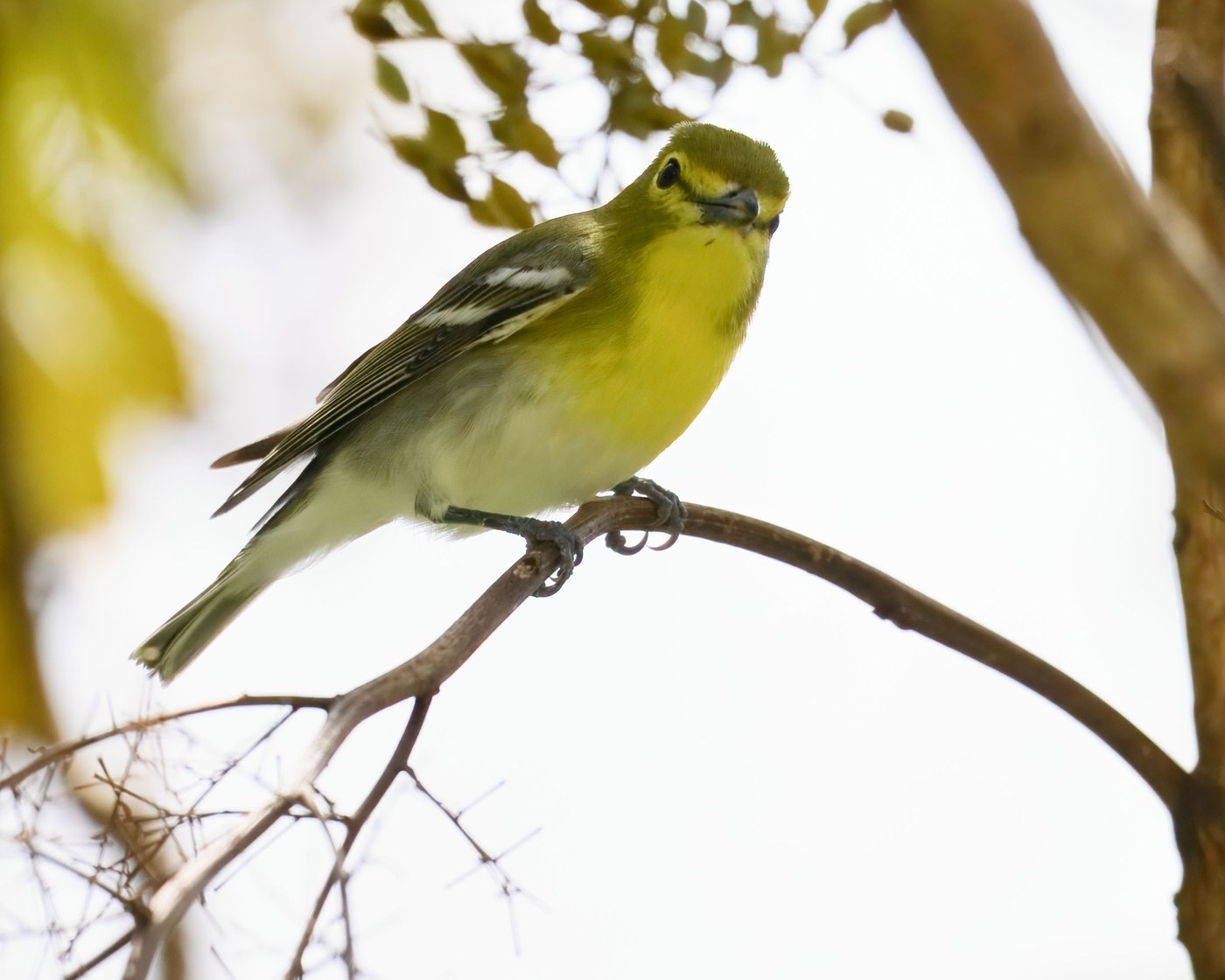
Yellow-throated Vireo
Bright yellow throat and spectacle feathers; olive-green back feathers; two white wing-bar feathers

Yellow-rumped Warbler
Small contour and flight feathers
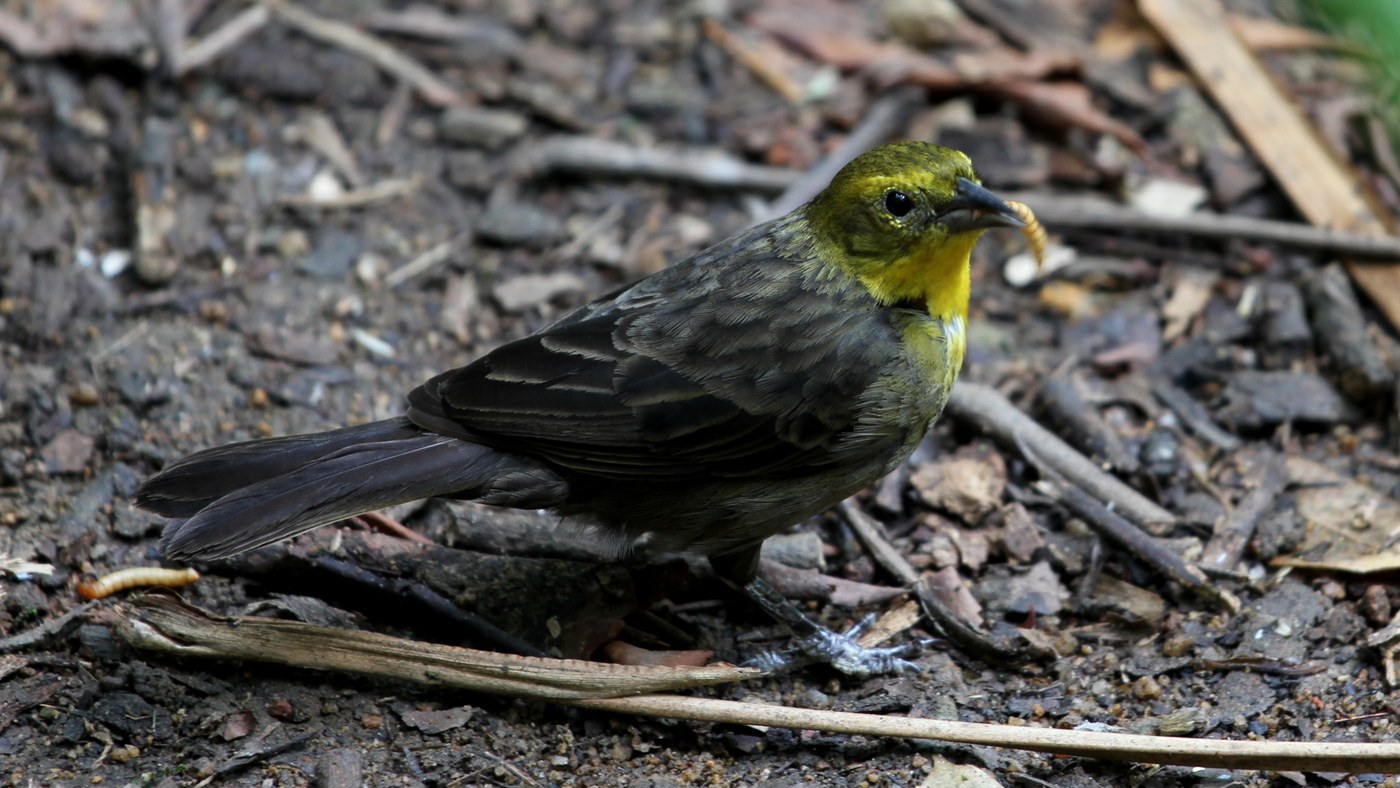
Yellow-hooded Blackbird
Contrasting hood and body feathers
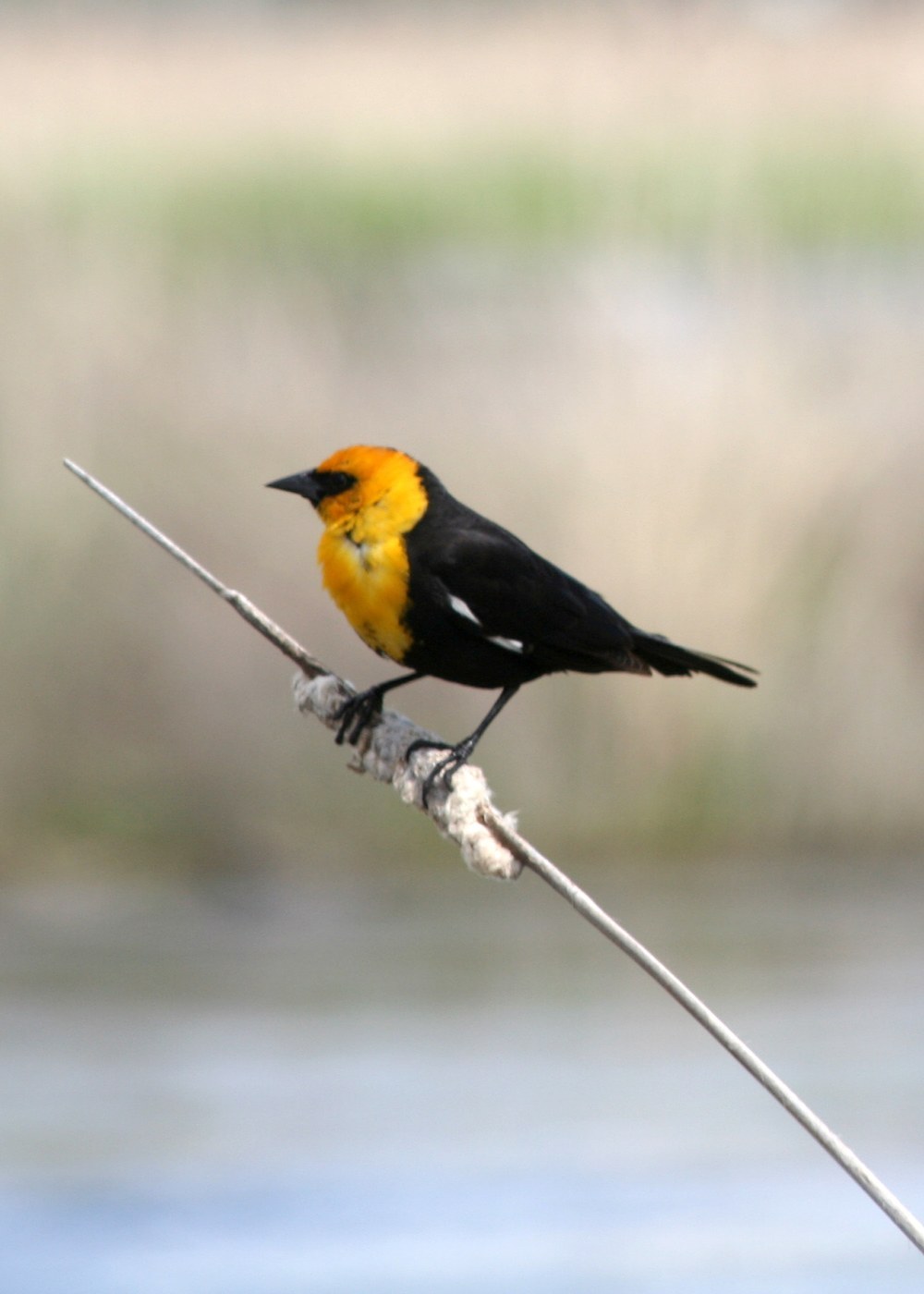
Yellow-headed Blackbird
Glossy black body plumage with a bright yellow head and breast

Yellow-eyed Junco
Contour and flight feathers

Yellow-fronted Canary
Small, smooth body plumage

Yellow-breasted Greenfinch
Compact, smooth body plumage