

Golden-headed Quetzal
Pharomachrus auriceps
A trogon-family bird of Andean cloud forests, the Golden-headed Quetzal shows brilliant metallic green plumage that shifts to golden tones in good light.
- Feather type
- Dense, glossy contour feathers; males grow elongated, curved uppertail coverts
- Colours
- Metallic golden-green above, crimson to yellow below depending on population
- Bird size
- Jay-sized, ~34 cm with tail plumes
Found a feather like this?
Identify any feather from a photo, free.
Overview
The Golden-headed Quetzal is a mid-sized member of the trogon family found in humid montane forest along the Andes. Like its relatives, it perches upright and quietly for long stretches, relying on shimmering plumage and a stout, slightly hooked bill rather than loud activity to stand out. Males in breeding condition grow long, drooping uppertail covert plumes that arch well past the true tail feathers, a signature trait shared with other quetzals.
Identifying the Feather
Body and head feathers show an intense metallic green-gold iridescence that can look bronze, emerald, or golden depending on the viewing angle, a helpful clue that separates loose feathers from duller forest birds. The breast and belly feathers are plain and matte by contrast, colored crimson-red or yellow depending on the subspecies, with a sharp, clean border where the metallic feathering ends. Male uppertail coverts are unusually long, softly curved, and narrow, unlike the stiffer, squared true tail feathers underneath. Flight feathers are broad, dark, and largely non-iridescent. Compared to the Resplendent Quetzal, this species lacks the extremely long, streaming tail plumes, and its head lacks a forward-curling crest.
Plumage & Molt
Adult males are golden-green above with a rounded, feathered crest-like crown and no elongated crest feathers, distinguishing them from crested quetzal relatives. Females and immatures are duller, showing more bronze-green or grayish tones on the head and reduced or absent covert plumes. Seasonal molt renews the ornamental tail coverts, so the elongated plumes are most visible in breeding condition and shorter or absent after molt.
Habitat & Range
This species inhabits wet, mossy cloud forest at mid to high elevations along the Andes from Venezuela south to Bolivia. It stays within the forest interior and canopy, favoring areas with abundant fruiting trees and old-growth structure. It is largely non-migratory, making local elevational movements tied to fruit availability rather than long-distance migration.
Behavior & Field Notes
Golden-headed Quetzals feed mainly on fruit taken in short sallies from a perch, supplementing their diet with large insects and occasionally small vertebrates. They nest in cavities, often excavating or reusing holes in soft, decaying tree trunks. Their voice is a series of low, mellow whistled or clucking notes, less far-carrying than some lowland trogons. Field observers often locate them by soft calls before spotting the bird sitting motionless in mid-canopy.
Frequently asked questions
What makes a Golden-headed Quetzal feather distinctive?
Its metallic golden-green iridescence combined with plain crimson or yellow underparts and, in males, unusually long curved tail covert plumes.
How does it differ from the Resplendent Quetzal?
It lacks the Resplendent Quetzal's extremely long streaming tail plumes and forward-curling crest, and is generally smaller.
Where would you find this species?
In humid montane cloud forest along the Andes, usually perched quietly within the canopy or subcanopy.
Do males and females look different?
Yes, males show brighter golden-green plumage and longer ornamental tail coverts, while females are duller and less ornamented.
Golden-headed Quetzal guides
In-depth guides for identifying and understanding Golden-headed Quetzal.

Other feathers you may enjoy

Common Cuckoo
Flight and body feathers
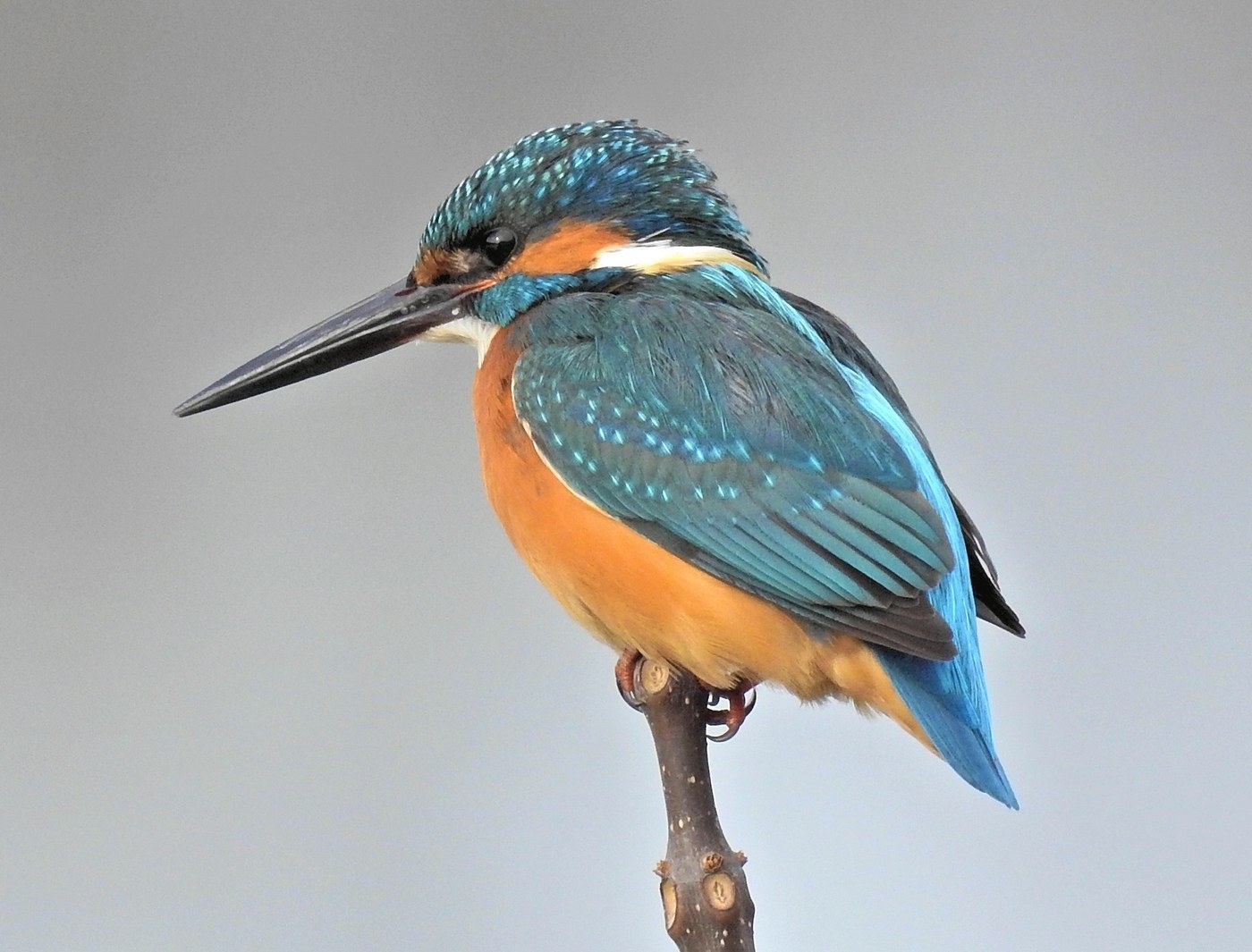
Common Kingfisher
Body (contour) and wing feathers
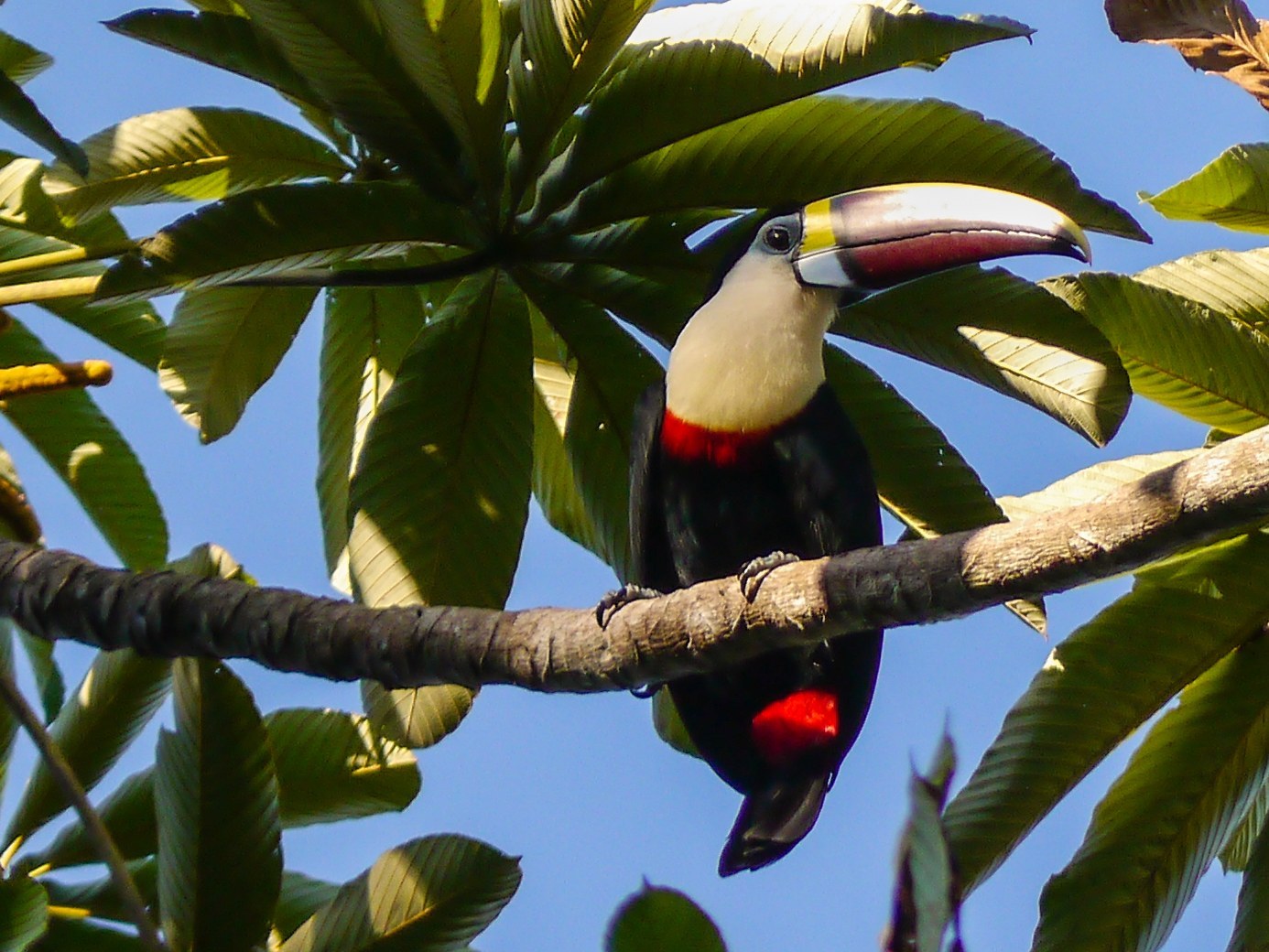
White-throated Toucan
Short rounded contour feathers, short broad wings
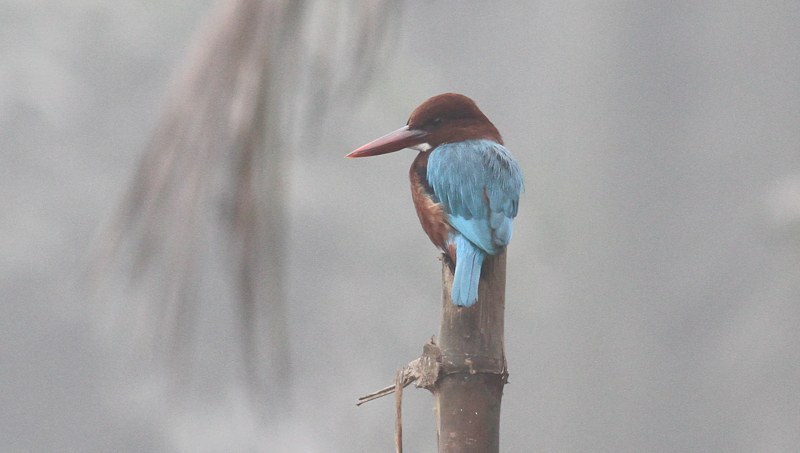
White-throated Kingfisher
Dense contour feathers; broad rounded wings

White-throated Bee-eater
Sleek, aerodynamic contour feathers; elongated central tail streamers
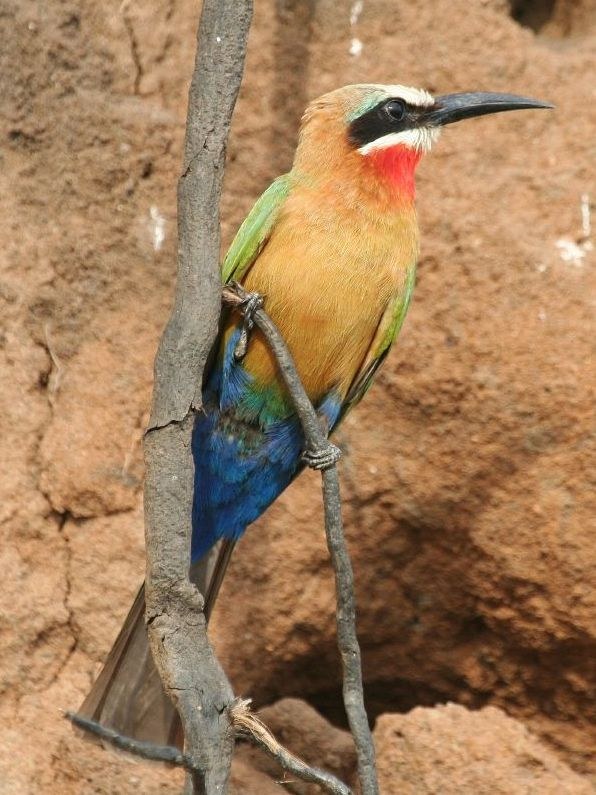
White-fronted Bee-eater
Sleek contour feathers; short tail with slight point

Southern Yellow-billed Hornbill
Slender contour feathers, moderate flight feathers
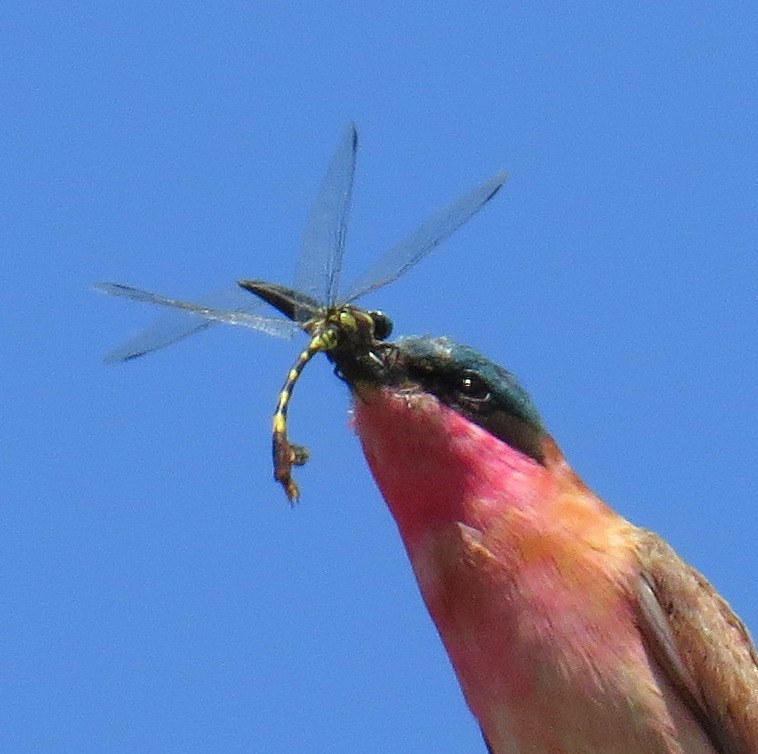
Southern Carmine Bee-eater
Sleek, pointed contour feathers; elongated central tail streamers
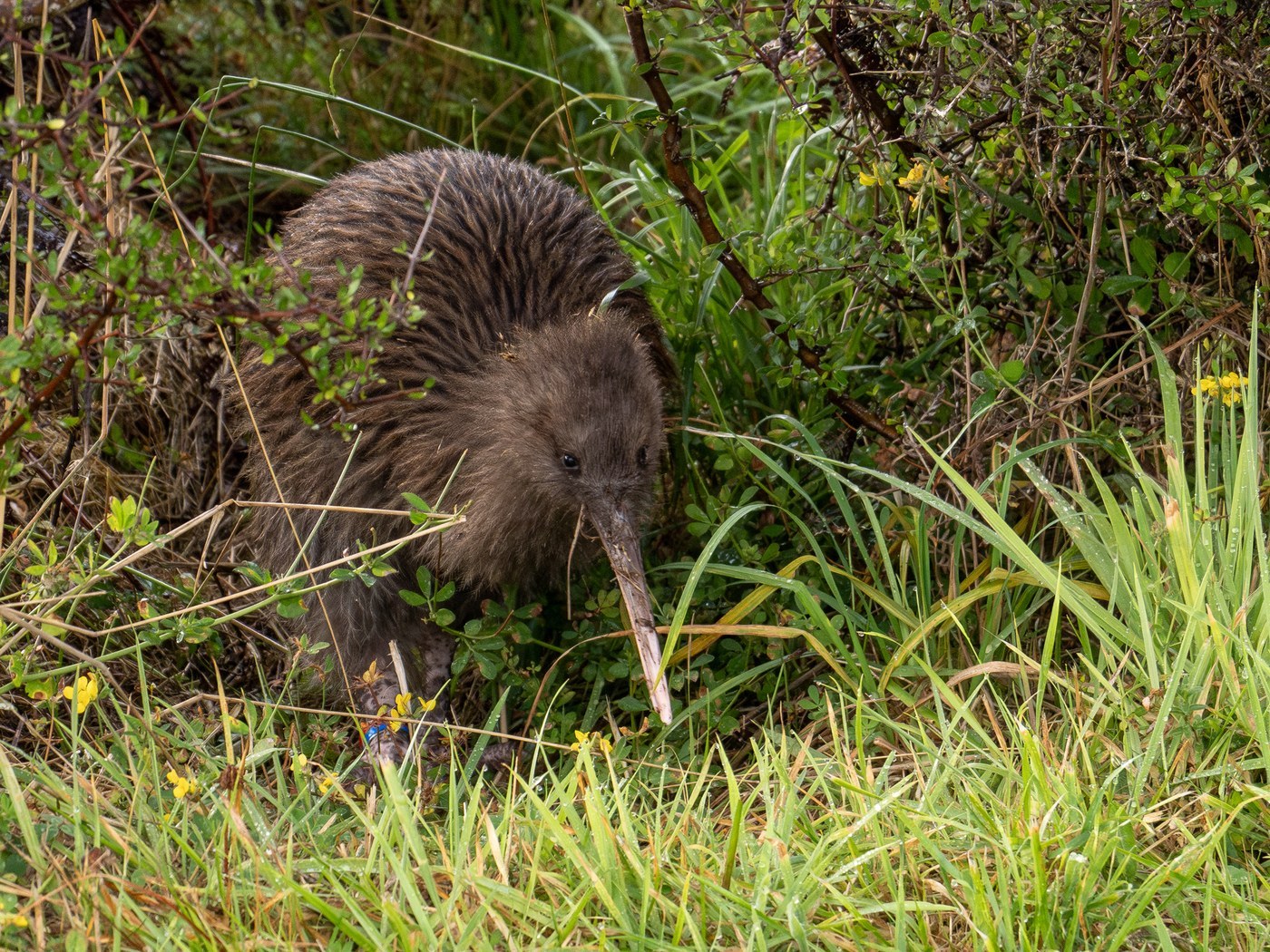
Southern Brown Kiwi
Shaggy, hair-like plumage with loose barbs lacking barbules; flightless, vestigial wings hidden beneath body feathers

Somali Ostrich
Loose, soft plumes lacking interlocking barbules

Wreathed Hornbill
Dense contour feathers, broad flight feathers

Woodland Kingfisher
Firm contour feathers; broad wing feathers