
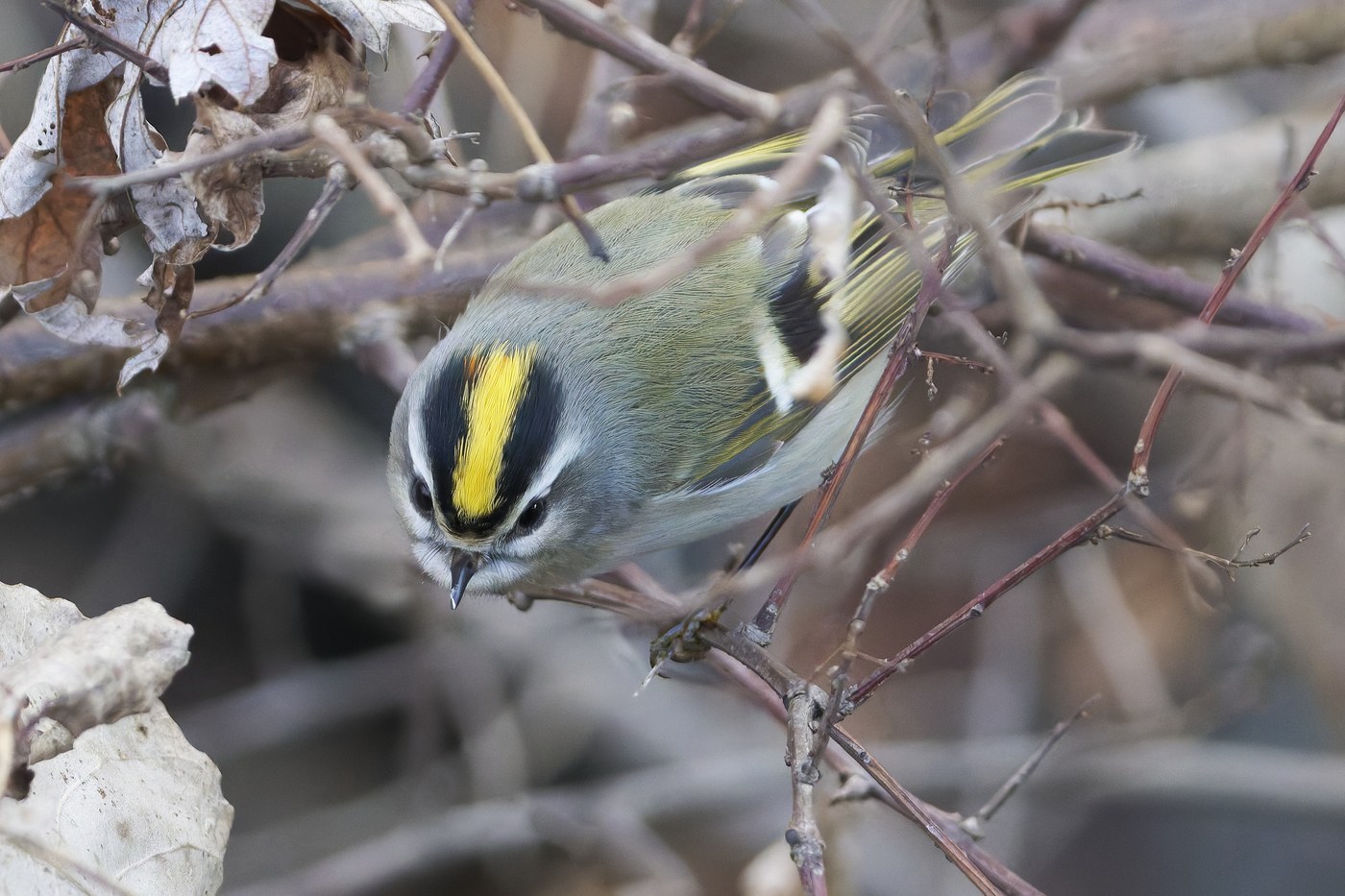
Golden-crowned Kinglet
Regulus satrapa
A tiny, hyperactive conifer specialist named for its glowing crown patch, with soft olive body feathers and delicately edged flight feathers scaled to its diminutive size.
- Feather type
- Tiny soft contour feathers; short rounded flight feathers with pale edging
- Colours
- Olive-green above with a black-bordered yellow-orange crown patch; dull whitish-buff below
- Bird size
- Very small, ~9-10 cm, one of the smallest North American songbirds
Found a feather like this?
Identify any feather from a photo, free.
Overview
The Golden-crowned Kinglet is one of the smallest songbirds in North America, weighing barely more than a coin. It forages almost constantly in the outer branches of conifers, flicking its wings as it gleans tiny insects and eggs from needle clusters.
Because of its small size and preference for dense evergreen canopy, this species is rarely seen well, but its feathers occasionally turn up beneath conifer stands after molt or predation events.
Its feathers are recognizable chiefly by their diminutive scale combined with soft olive tones and, on crown feathers, a vivid yellow-to-orange center bordered in black.
Identifying the Feather
Identifying Golden-crowned Kinglet feathers
- Size: Individual feathers are tiny, generally under 4 cm even for wing feathers, reflecting the bird's minuscule body.
- Crown feathers: Unmistakable if found intact — bright yellow to orange-red center bordered by black, sitting atop a whitish supercilium stripe.
- Body feathers: Soft, olive-green to olive-gray, with a slightly fluffy, downy base typical of small passerines needing insulation.
- Flight feathers: Short, dark grayish-olive with narrow pale yellowish-green edging, especially visible on the folded wing as a pale panel.
- Compared to similar species: Ruby-crowned Kinglet feathers are similarly tiny and olive but lack the black-bordered crown patch and instead show a concealed red crown patch in males with no black border.
Plumage & Molt
Plumage overview
Adults are olive-green above and pale grayish-white below, with two white wingbars and a black eye-stripe bordering a white supercilium. The crown is the signature feature: males show an orange-yellow patch bordered in black, while females have a slightly duller all-yellow crown patch without orange.
Juveniles lack the colored crown patch entirely until their first molt. There is no major seasonal plumage change; a single complete molt occurs after the breeding season in late summer.
Habitat & Range
Habitat and range
Golden-crowned Kinglets breed across the boreal conifer belt of Canada and the northern U.S., as well as high-elevation conifer forests in the western mountains and Appalachians. In winter, many individuals move to lower elevations and more southerly latitudes, though some populations are resident year-round in suitable conifer habitat.
They strongly favor spruce, fir, hemlock, and pine, and are seldom found far from evergreen cover even in migration.
Behavior & Field Notes
Behavior and field notes
This species forages almost non-stop, hovering briefly at branch tips and gleaning small arthropods and eggs from needles and bark crevices. It often joins mixed foraging flocks with chickadees and nuthatches in winter.
Its call is a very high, thin "see-see-see," often the first clue to its presence given how easily it is overlooked visually. Nests are deep cups suspended from conifer branches, well hidden and insulated with feathers and lichen.
Because it stays high in dense conifer canopy, a dropped feather is more likely to be found on the ground beneath a spruce or fir than in open habitat.
Frequently asked questions
How can I tell a Golden-crowned Kinglet feather from a warbler feather?
Kinglet feathers are noticeably smaller and softer than most warbler feathers, and crown feathers show a distinctive black-bordered yellow-orange patch not seen in warblers.
Do male and female Golden-crowned Kinglets have different feathers?
Yes — males show an orange center within the yellow crown patch, while females have an all-yellow crown patch without orange.
Where would I likely find a Golden-crowned Kinglet feather?
Beneath dense conifer stands such as spruce, fir, or pine, since this species rarely strays from evergreen canopy.
Are Golden-crowned Kinglet feathers brightly colored overall?
No, only the crown patch is brightly colored; the rest of the plumage is subdued olive-green and grayish-white.
Golden-crowned Kinglet guides
In-depth guides for identifying and understanding Golden-crowned Kinglet.
Other feathers you may enjoy

Yellow-breasted Bunting
Contour and flight feathers, chestnut-and-yellow breeding pattern
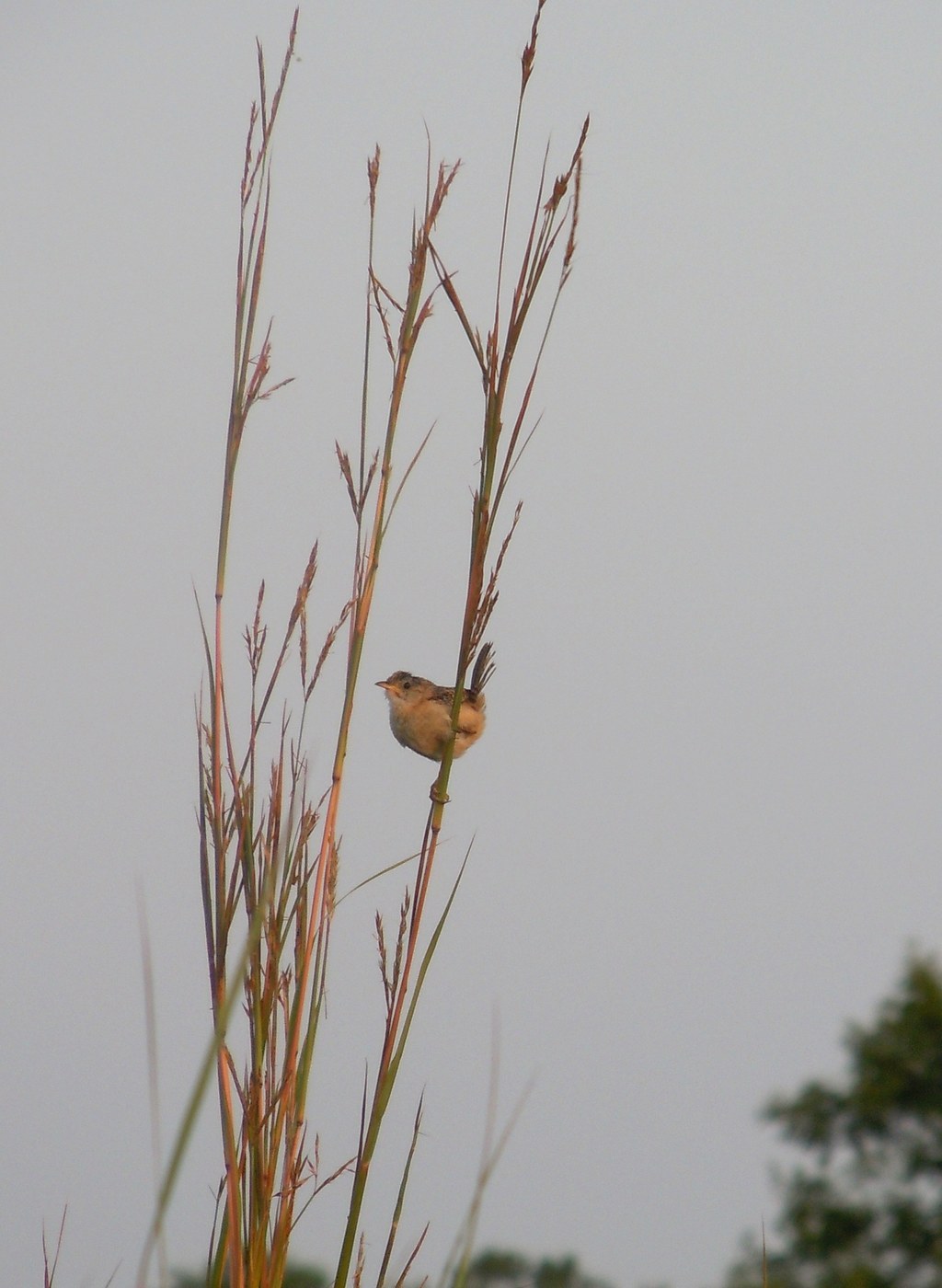
Sedge Wren
Tiny streaked crown and back feathers

Yellow-winged Cacique
Glossy black body feathers, yellow wing patch, shaggy crest

Yellow Warbler
Small contour and flight feathers
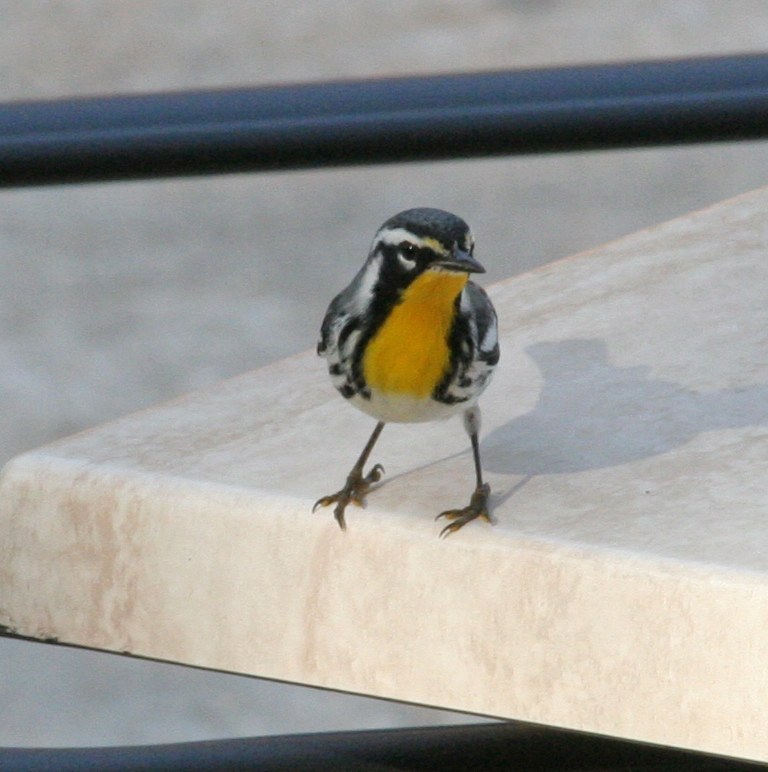
Yellow-throated Warbler
Small contour and flight feathers
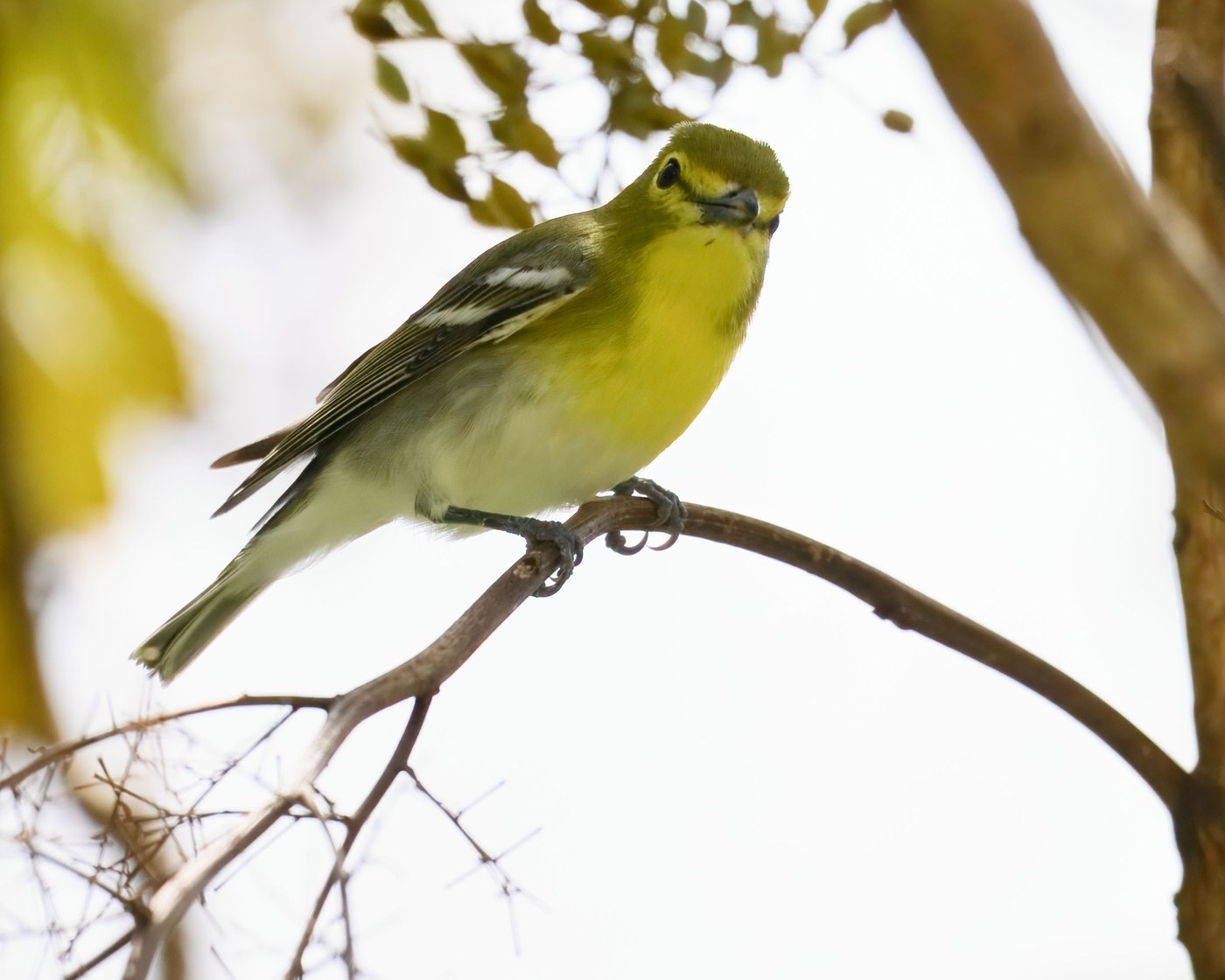
Yellow-throated Vireo
Bright yellow throat and spectacle feathers; olive-green back feathers; two white wing-bar feathers

Yellow-rumped Warbler
Small contour and flight feathers
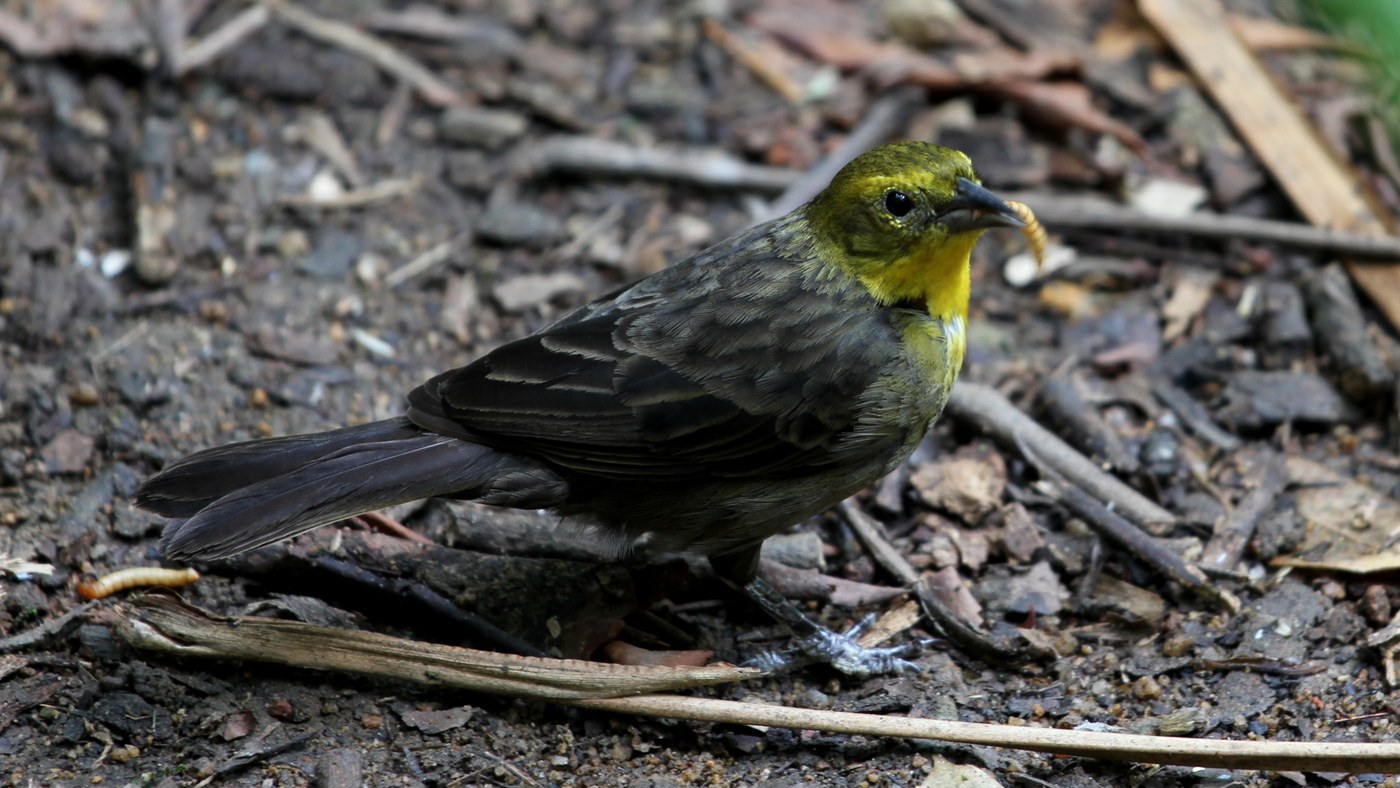
Yellow-hooded Blackbird
Contrasting hood and body feathers
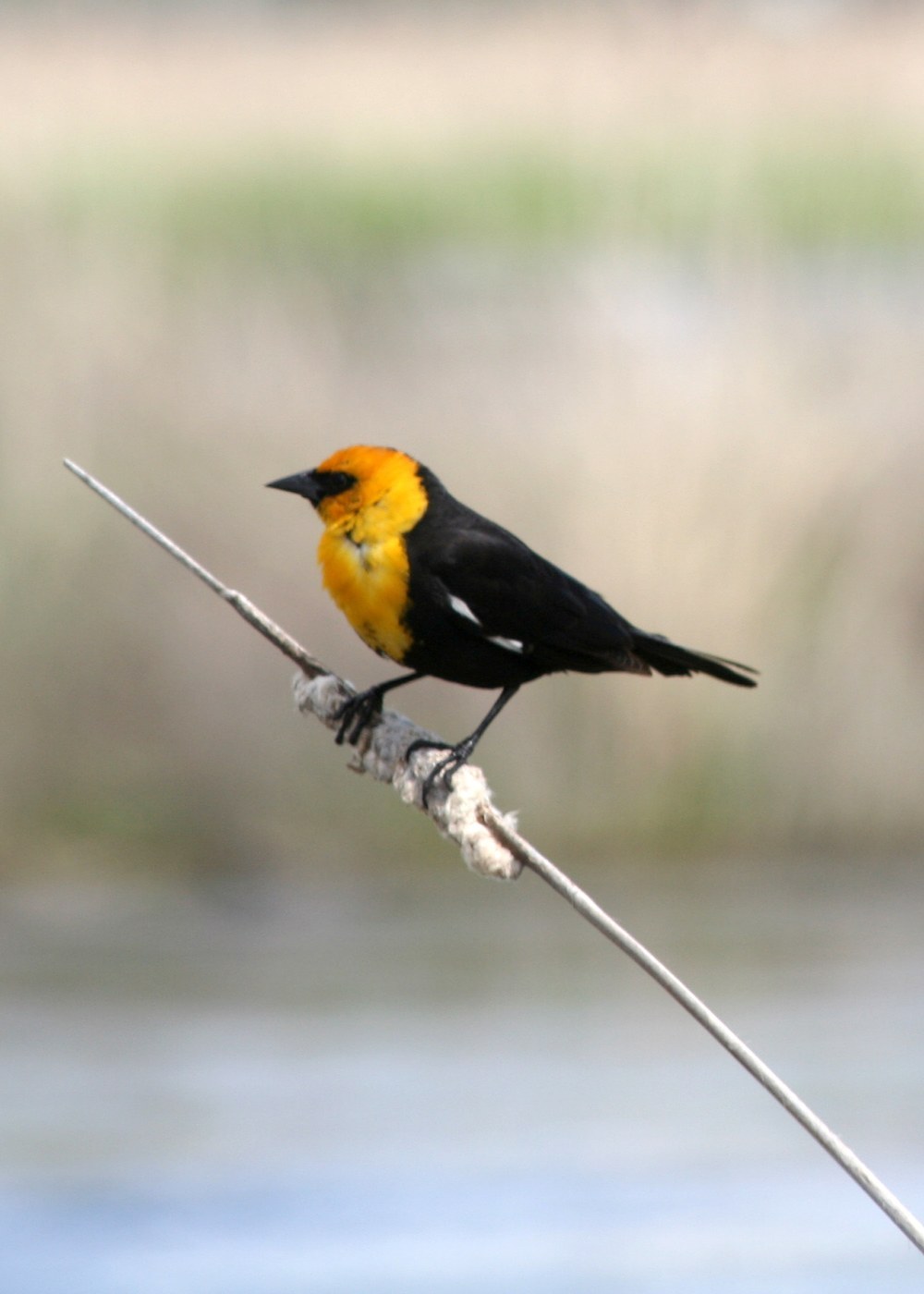
Yellow-headed Blackbird
Glossy black body plumage with a bright yellow head and breast

Yellow-eyed Junco
Contour and flight feathers

Yellow-fronted Canary
Small, smooth body plumage

Yellow-breasted Greenfinch
Compact, smooth body plumage