

Evening Grosbeak
Coccothraustes vespertinus
A large, boldly patterned finch of northern and montane conifer forests, males showing a striking combination of black, bright yellow, and white feathers along with an oversized pale bill.
- Feather type
- Large contour and flight feathers
- Colours
- Bold yellow, black, and white (males), grayish-yellow (females)
- Bird size
- Medium-large, ~18-22 cm
Found a feather like this?
Identify any feather from a photo, free.
Overview
The Evening Grosbeak is a large, heavy-billed finch of northern and high-elevation coniferous forests, known for irruptive winter movements that can bring flocks well south of the typical breeding range in years of poor cone crops. Males show a bold pattern of black head and wings, a bright yellow body and forehead patch, and large white wing patches, while females are more subdued grayish-yellow with less contrast. The species' large size and bold pattern make its feathers relatively easy to identify where they occur.
Identifying the Feather
Size and Shape
Feathers are large and robust, among the biggest of the regularly occurring North American finches, consistent with the species' heavy conical bill.
Color and Pattern
- Male head feathers: black crown with a bright yellow forehead patch
- Male body feathers: bright yellow, richest on the back and rump
- Male wing feathers: black with large white patches
- Female feathers: grayish-yellow overall, with more muted wing patterning than males
Distinguishing from Similar Species
The combination of large size, black-and-yellow body pattern, and bold white wing patches in males is distinctive among northern finches; no similarly sized common finch shares this exact pattern, making Evening Grosbeak feathers relatively straightforward to identify by color alone.
Plumage & Molt
Adult males show a black crown, bright yellow body, and black-and-white wings; adult females are duller grayish-yellow with less sharply defined wing patches. Juveniles resemble females initially. Adults undergo a complete molt after the breeding season, generally in late summer.
Habitat & Range
Evening Grosbeaks breed across the boreal forest of Canada and in montane conifer forests of the western United States, and are known for irregular, irruptive winter movements south into the northern and even central United States when conifer seed crops fail farther north. The species' winter range and abundance can vary considerably from year to year depending on food availability.
Behavior & Field Notes
This grosbeak feeds heavily on tree seeds, particularly from conifers and maples, using its massive bill to crack open tough seed coats, and also visits feeders for sunflower seeds during winter irruptions. It builds a loose cup nest, often high in conifers. Its calls include a sharp, ringing "clee-ip" note, often the first indication of a flock's presence, and it typically travels and feeds in flocks, especially outside the breeding season.
Frequently asked questions
What color are Evening Grosbeak feathers?
Males show a black crown, bright yellow body, and bold black-and-white wings; females are duller grayish-yellow with less contrast.
Why do Evening Grosbeaks appear far south of their range some winters?
The species undertakes irruptive movements driven by conifer seed crop failures farther north, bringing flocks to unexpected areas in search of food.
Where would I find an Evening Grosbeak feather?
In boreal and montane coniferous forests during the breeding season, or wherever winter flocks settle during irruption years.
How big are Evening Grosbeak feathers compared to other finches?
They are notably large and robust, among the biggest feathers of any common North American finch, matching the species' heavy bill and stocky build.
Evening Grosbeak guides
In-depth guides for identifying and understanding Evening Grosbeak.

Evening Grosbeak identified by the community
Real feathers identified with Feather Identifier.

Other feathers you may enjoy

Yellow-breasted Bunting
Contour and flight feathers, chestnut-and-yellow breeding pattern
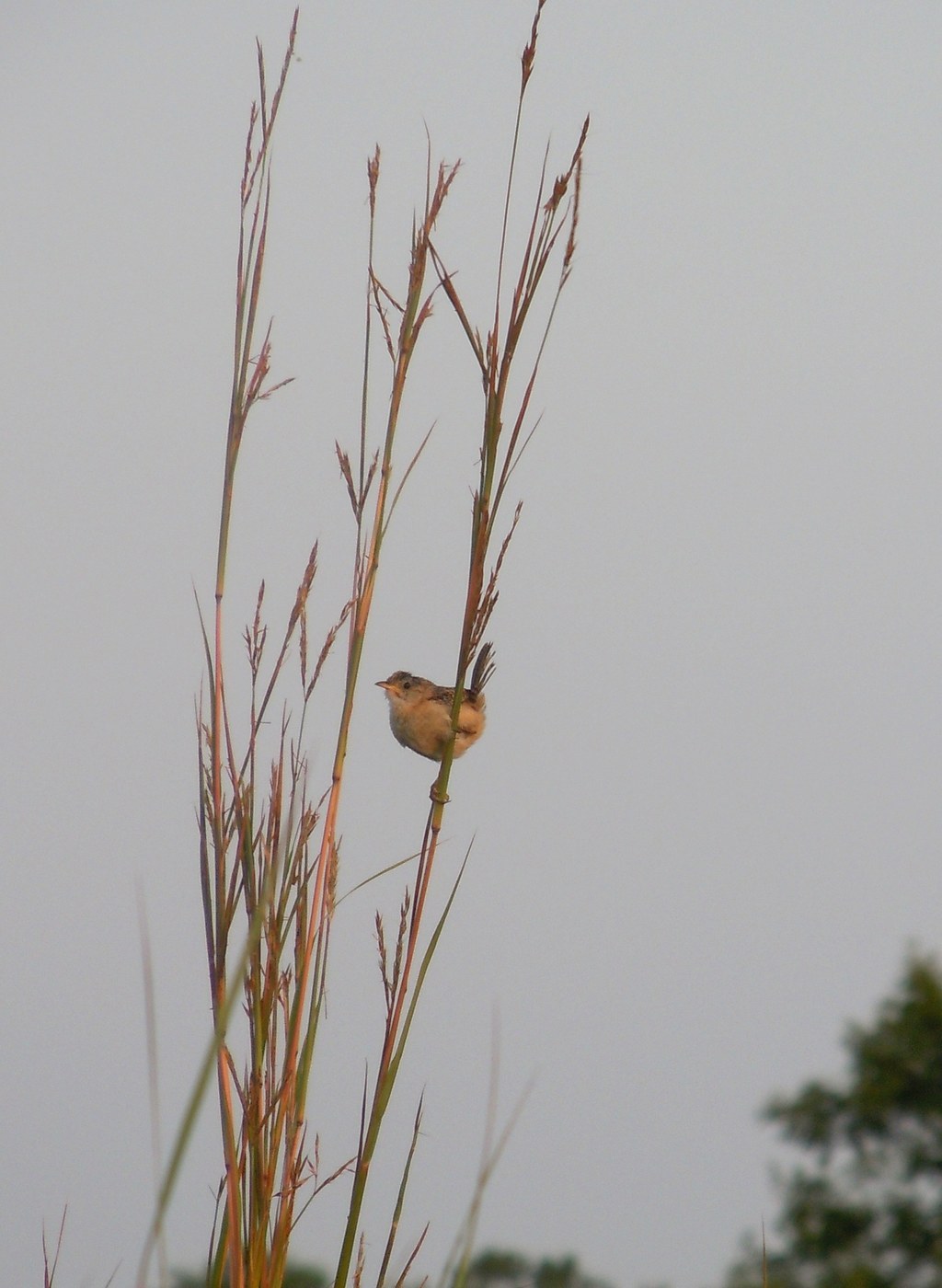
Sedge Wren
Tiny streaked crown and back feathers

Yellow-winged Cacique
Glossy black body feathers, yellow wing patch, shaggy crest

Yellow Warbler
Small contour and flight feathers
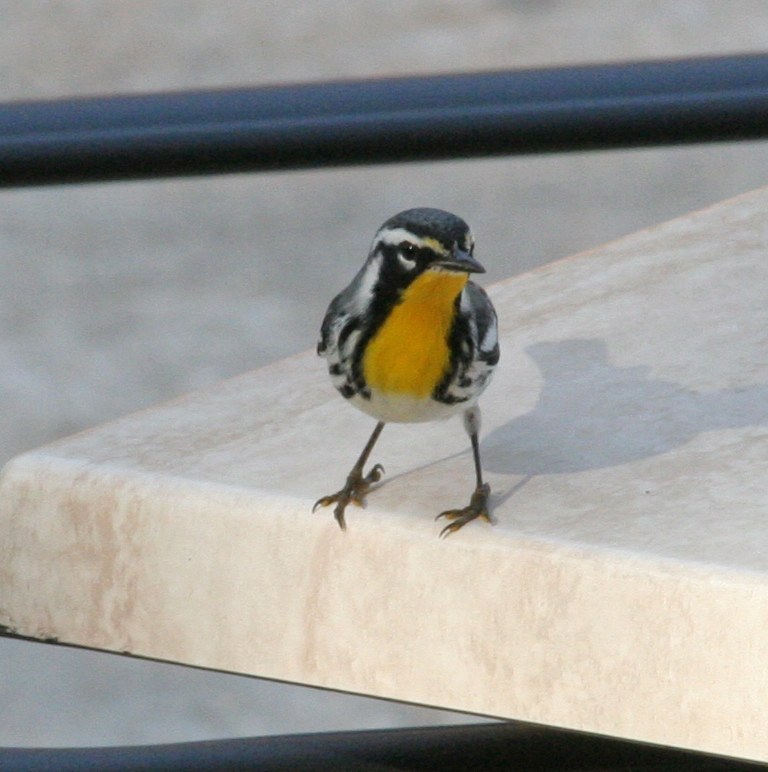
Yellow-throated Warbler
Small contour and flight feathers
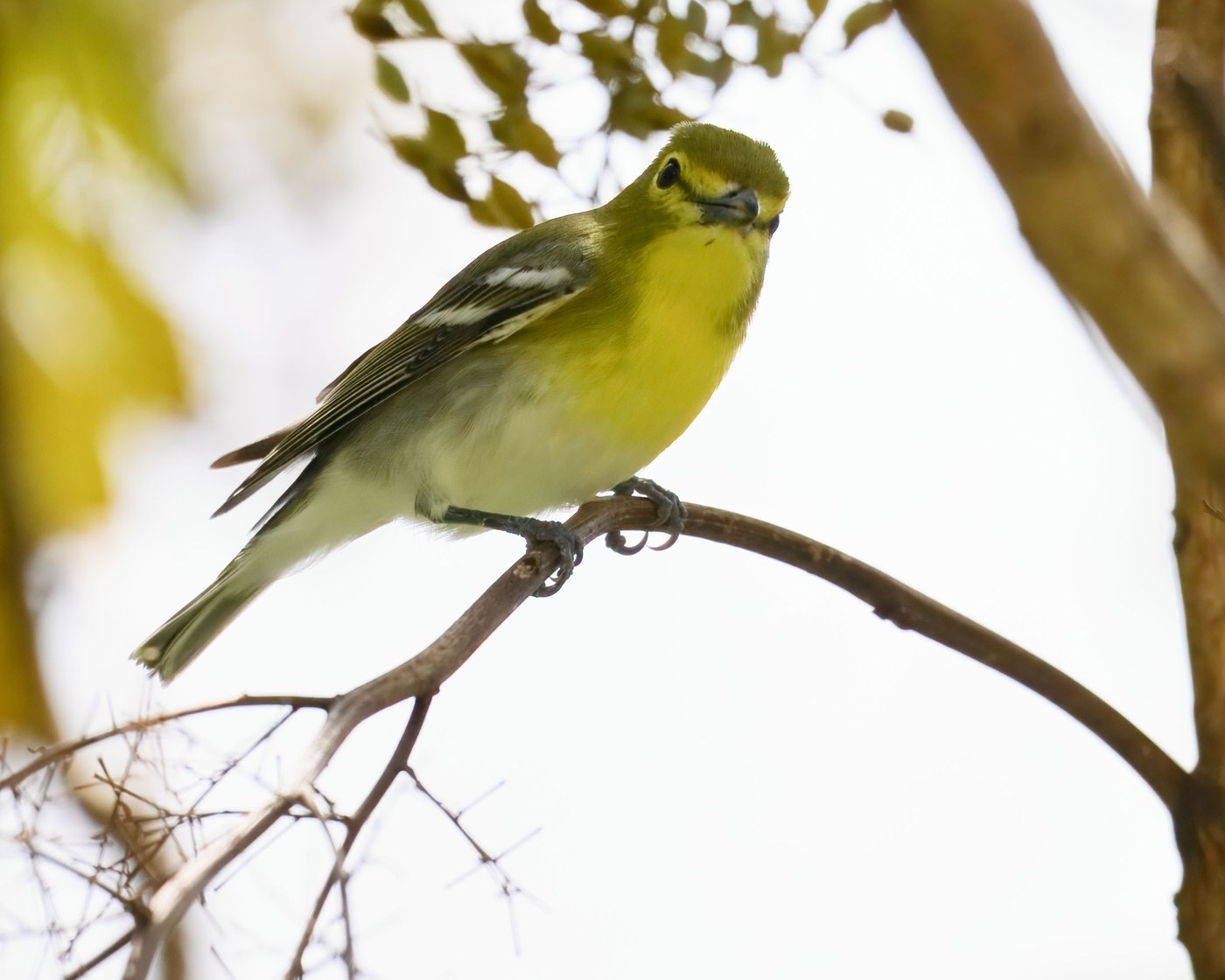
Yellow-throated Vireo
Bright yellow throat and spectacle feathers; olive-green back feathers; two white wing-bar feathers

Yellow-rumped Warbler
Small contour and flight feathers
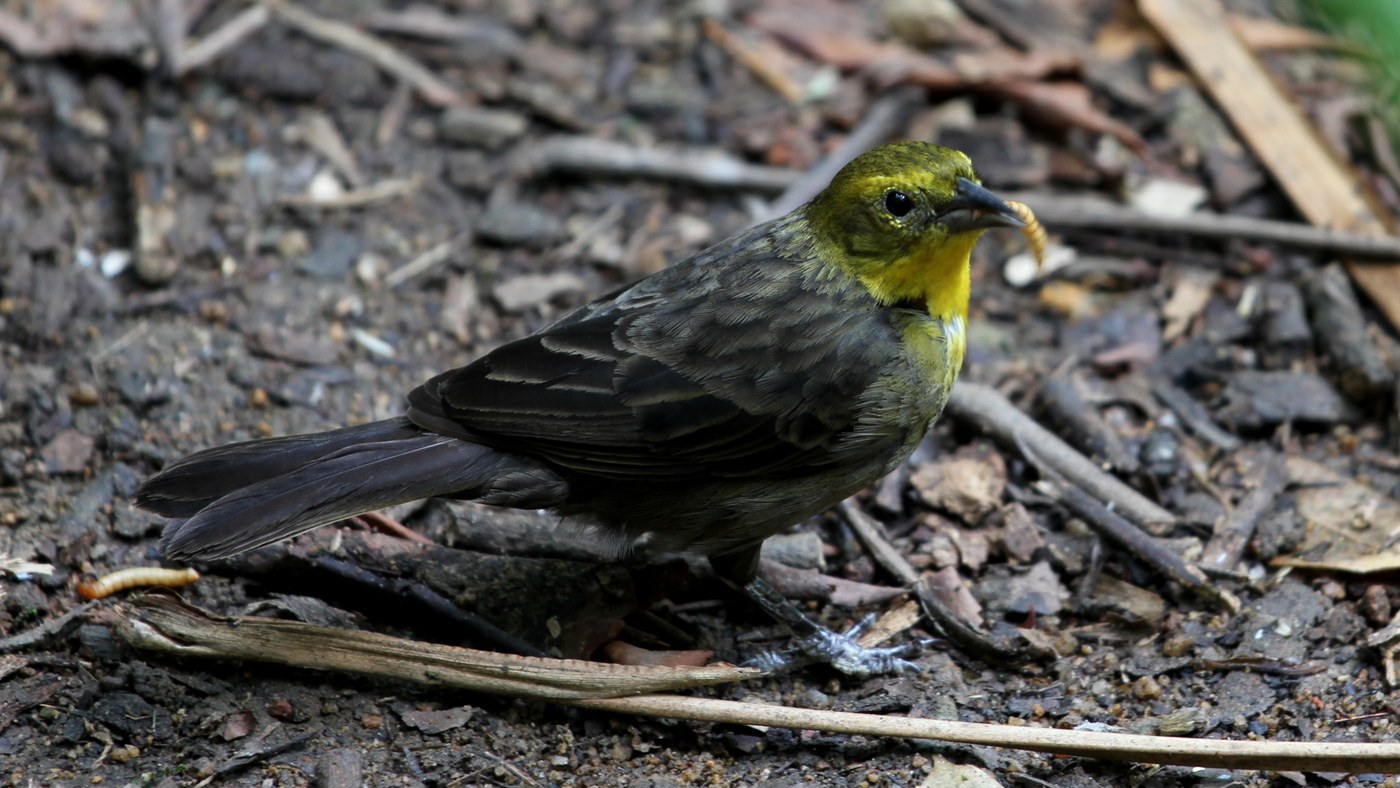
Yellow-hooded Blackbird
Contrasting hood and body feathers
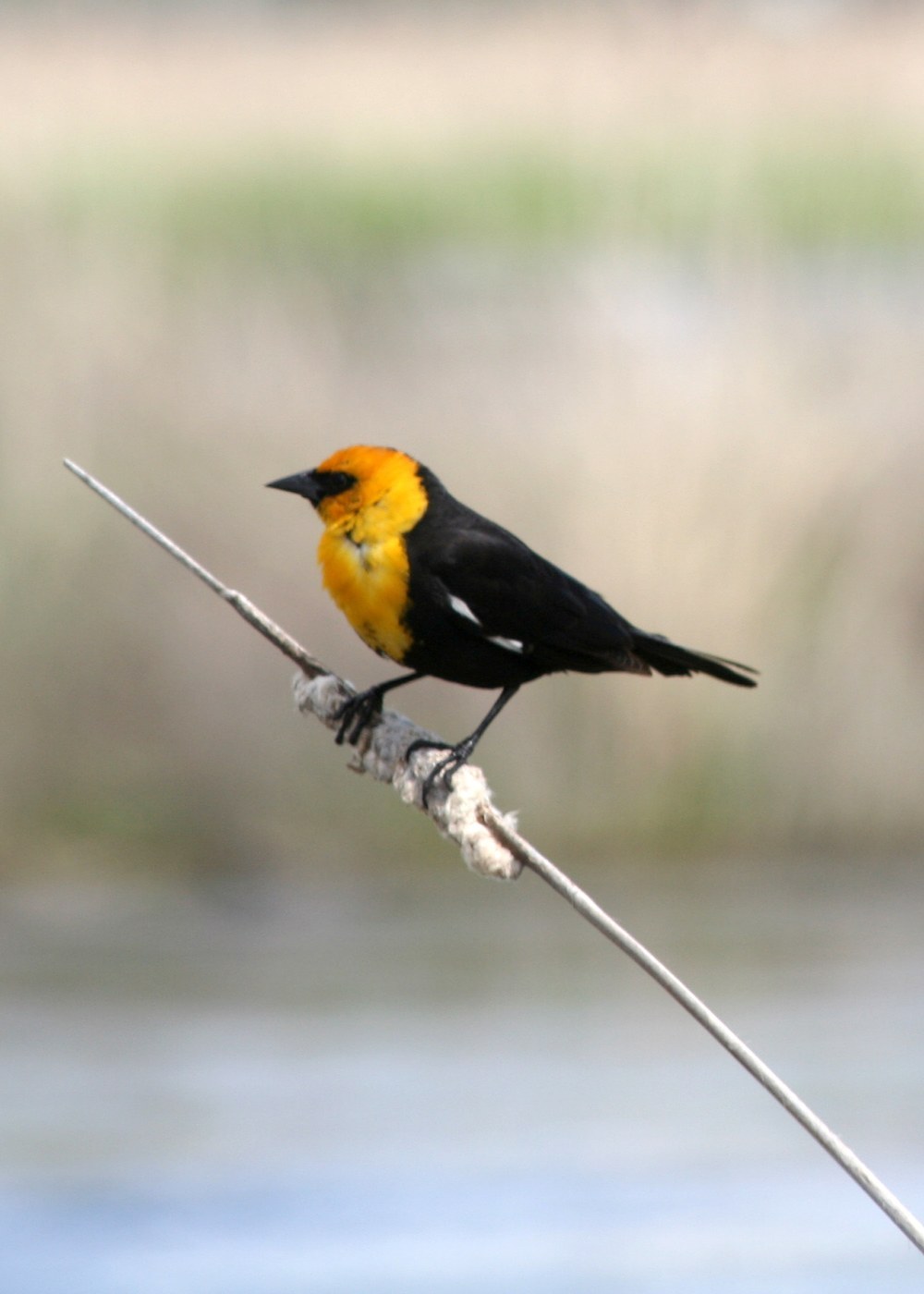
Yellow-headed Blackbird
Glossy black body plumage with a bright yellow head and breast

Yellow-eyed Junco
Contour and flight feathers

Yellow-fronted Canary
Small, smooth body plumage

Yellow-breasted Greenfinch
Compact, smooth body plumage