
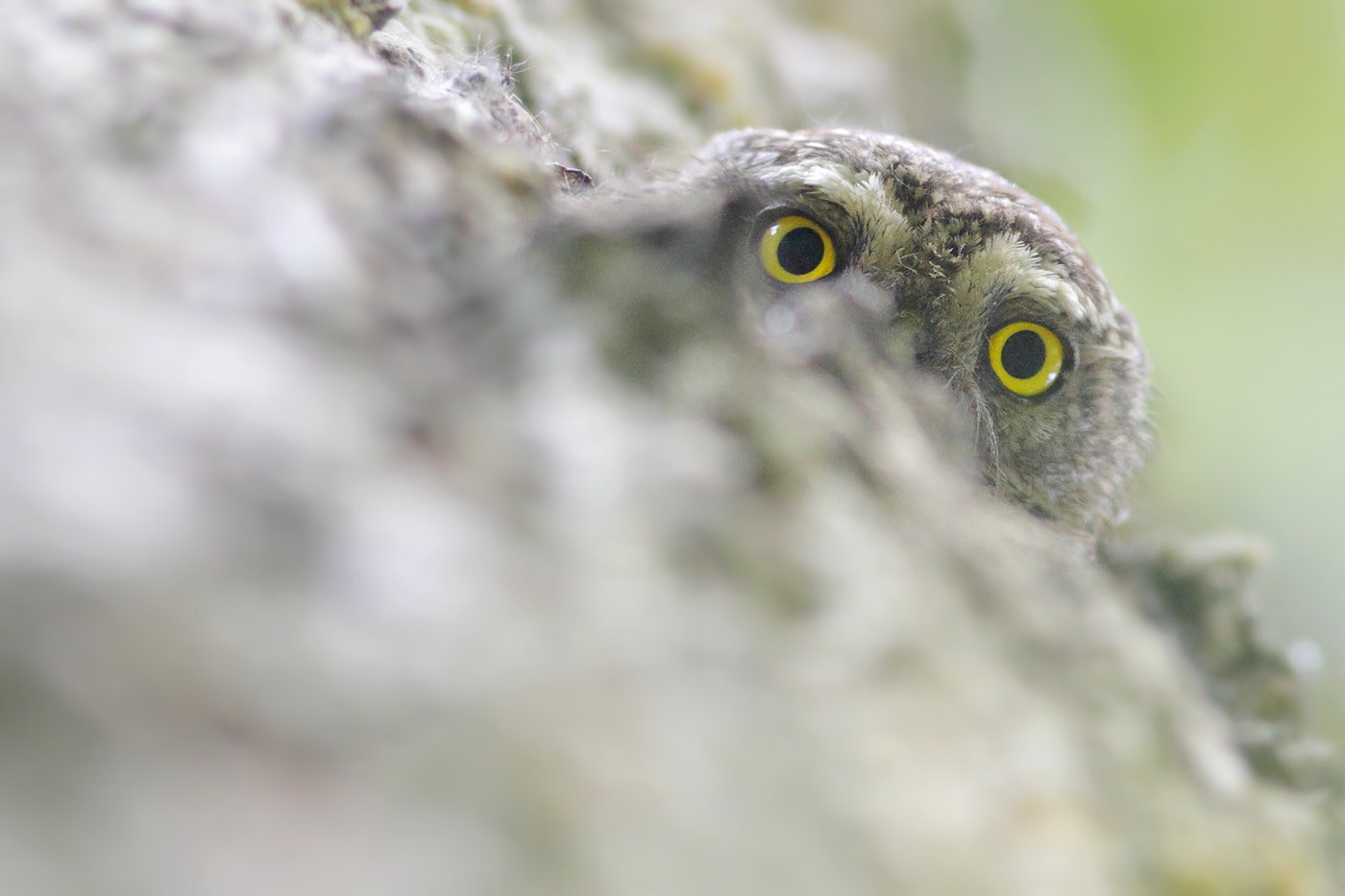
Eurasian Pygmy-Owl
Glaucidium passerinum
Europe's smallest owl, a boreal forest specialist that hunts small birds and rodents largely by day. Its feathers are gray-brown to rufous with crisp white spotting and a narrowly barred tail.
- Feather type
- Short rounded wing feathers; barred tail; densely spotted body plumage
- Colours
- Grayish-brown to rufous-brown upperparts with white spotting; white underparts with brown streaking
- Bird size
- Sparrow-sized, ~16-19 cm
Found a feather like this?
Identify any feather from a photo, free.
Overview
The Eurasian Pygmy-Owl is the smallest owl species in Europe, inhabiting dense spruce and pine forests across Scandinavia, the Alps, and the boreal belt into Russia. Despite its diminutive size it is a capable predator of small birds and rodents, and it frequently caches surplus prey in tree cavities.
It is more often heard than seen, giving a thin, repeated whistling call, but it will perch conspicuously at dawn or dusk and is occasionally active during full daylight, especially in winter. Molted feathers are sometimes found near favored hunting perches or old woodpecker holes used for roosting and nesting.
Because of its small size and quiet, unobtrusive habits, this species is easily overlooked despite living close to areas frequented by people in parts of its range, such as forest edges and managed woodland.
Identifying the Feather
Size and shape
Among the smallest owl feathers found in Europe, matching a bird only 16-19 cm long. Flight feathers are short, broad, and rounded at the tip.
Color and pattern
- Upperparts are grayish-brown to warm rufous-brown, marked with rows of small, round to oval white spots on the crown, nape, and wing coverts.
- The tail feathers are dark brown with 4-6 narrow white or pale gray bars, and the tail is often held slightly cocked.
- Underparts show whitish ground color with fine brown streaking, less bold than the spotting above.
- Facial disc feathers are pale grayish, subtly outlined.
Distinguishing from similar species
Compared to the Tengmalm's (Boreal) Owl, which shares its boreal range, Eurasian Pygmy-Owl feathers are notably smaller with finer, more delicate spotting rather than the larger blotchy markings of Tengmalm's Owl, and the tail bars are narrower and more numerous.
Plumage & Molt
Adults are grayish-brown to rufous-brown above with rows of small whitish spots, and whitish below with brown streaking that is heaviest on the flanks. There is no obvious sexual dimorphism in plumage color, though females are noticeably larger than males. Juveniles are plainer and duller, with less distinct spotting on the crown. The species undergoes a single complete molt after the breeding season, replacing flight feathers gradually so that some hunting capability is retained throughout.
Habitat & Range
This species is a specialist of boreal and montane coniferous forest, particularly old spruce stands with abundant woodpecker holes for roosting and nesting. Its range spans Fennoscandia, the Alps, the Carpathians, and across the taiga belt of Russia to Siberia. Most populations are resident, though northern birds may make short-distance movements south in severe winters when prey becomes scarce.
Behavior & Field Notes
Eurasian Pygmy-Owls hunt small passerines and small mammals, often from a series of perches within a territory, and are known for caching surplus prey in tree holes for later use. They are unusually active for an owl at dawn, dusk, and sometimes in daylight, particularly outside the breeding season. The male's advertising call is a series of clear, evenly spaced whistled notes, often given from a treetop. Nests are placed in old woodpecker cavities, particularly those of the Great Spotted Woodpecker. When identifying a feather, look for the very small size, rounded shape, fine white spotting on a gray-brown or rufous ground, and the narrowly, evenly barred tail.
Frequently asked questions
Is the Eurasian Pygmy-Owl really the smallest owl in Europe?
Yes, it holds the title of Europe's smallest owl species, and its feathers are correspondingly tiny and delicate compared to other European owls.
What color pattern should I look for on a Eurasian Pygmy-Owl feather?
Look for gray-brown or rufous-brown feathers with small, round white spots above and fine brown streaking on whitish underparts, plus a tail with several narrow pale bars.
Does this owl hunt at night or during the day?
It is unusually flexible, hunting at dawn and dusk and often during full daylight, especially outside the breeding season, unlike most strictly nocturnal owls.
Where in Europe would I most likely find this owl's feathers?
Feathers are most likely found in boreal or montane spruce and pine forest, particularly in Scandinavia, the Alps, and the Carpathians, near old woodpecker cavities used for roosting.
Eurasian Pygmy-Owl guides
In-depth guides for identifying and understanding Eurasian Pygmy-Owl.

Eurasian Pygmy-Owl identified by the community
Real feathers identified with Feather Identifier.

Other feathers you may enjoy

Tawny Owl
Wing (flight) and body (contour) feathers
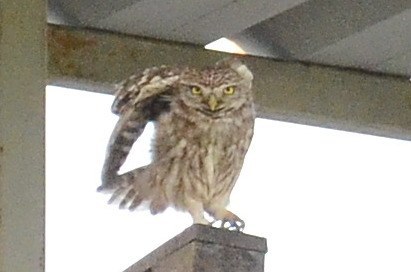
Little Owl
Wing and body feathers

Balsas Screech-Owl
Small ear-tuft feathers; soft, finely vermiculated body feathers

Blakiston's Fish Owl
Massive flight feathers with looser structure; shaggy body plumage; prominent ear-tuft feathers

Barn Owl
Wing and facial-disc feathers
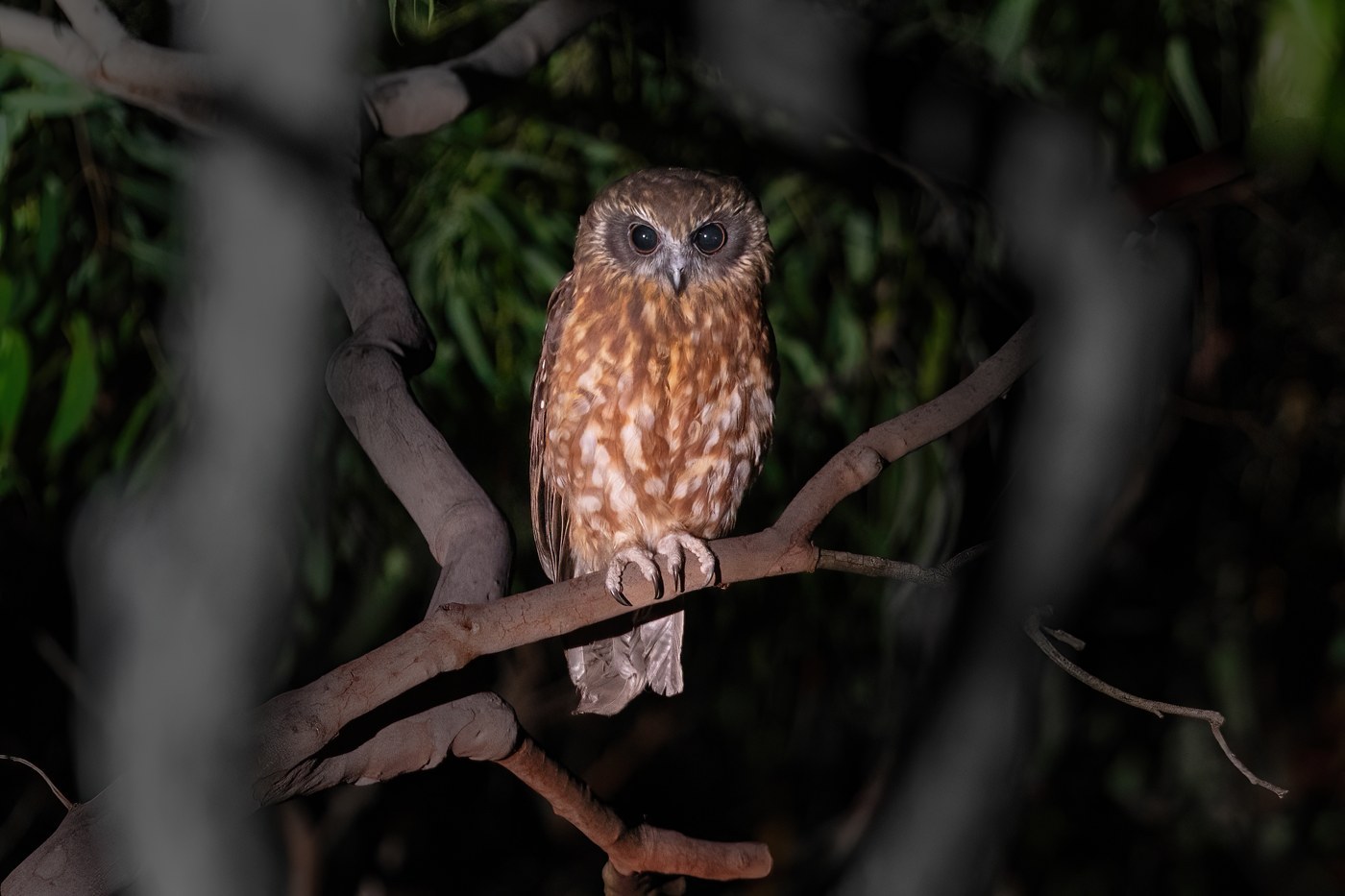
Southern Boobook
Rounded flight feathers; banded tail; spotted body plumage

Sooty Owl
Broad soft-edged flight feathers; heart-shaped facial disc feathers; finely speckled body plumage

Short-eared Owl
Broad soft-fringed flight feathers; streaked body feathers; tiny, rarely visible ear tufts

Stygian Owl
Dark, mottled flight and body feathers with long, closely-set ear tufts
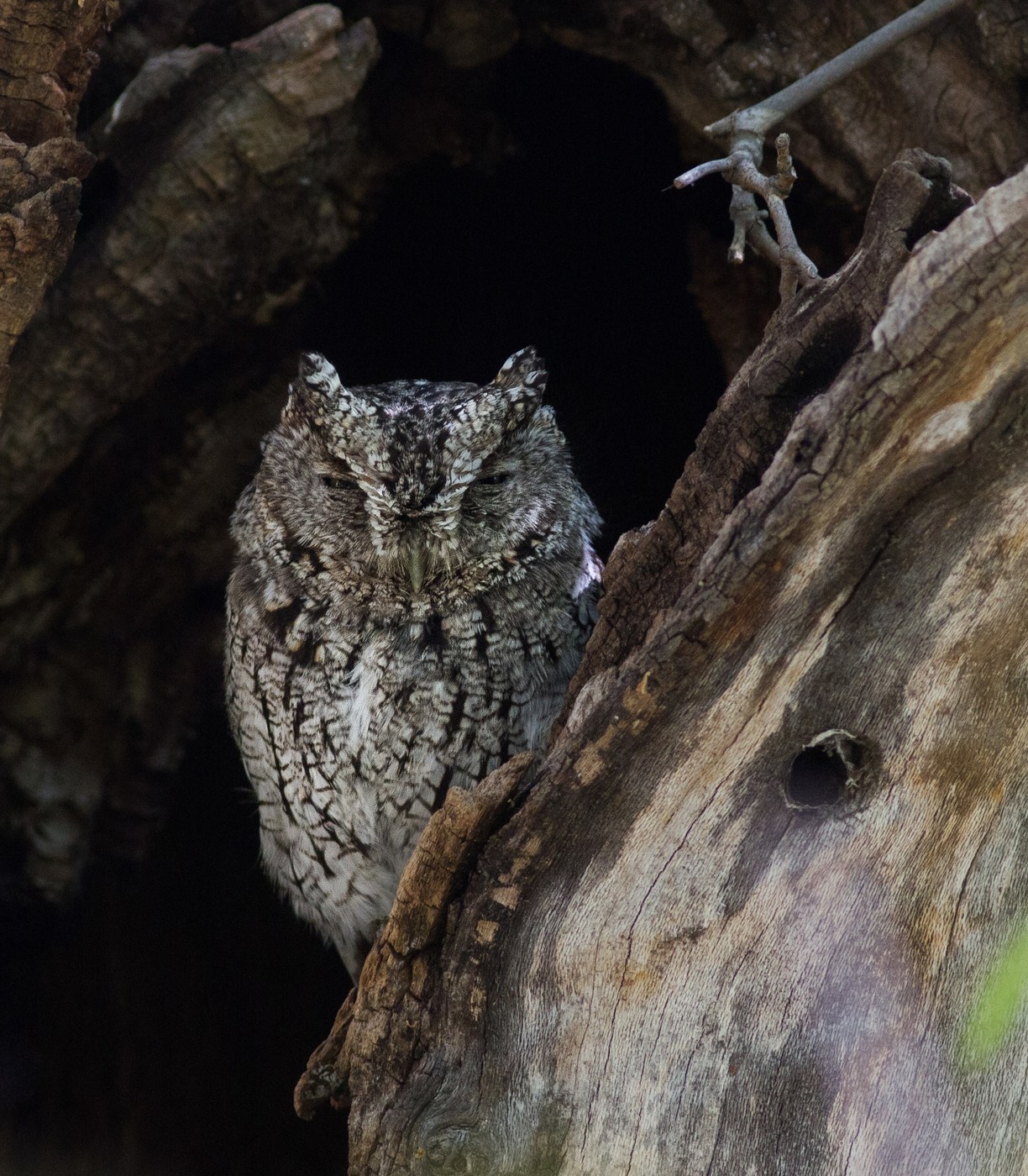
Whiskered Screech-Owl
Small soft-fringed flight feathers; finely mottled body feathers; short ear tufts
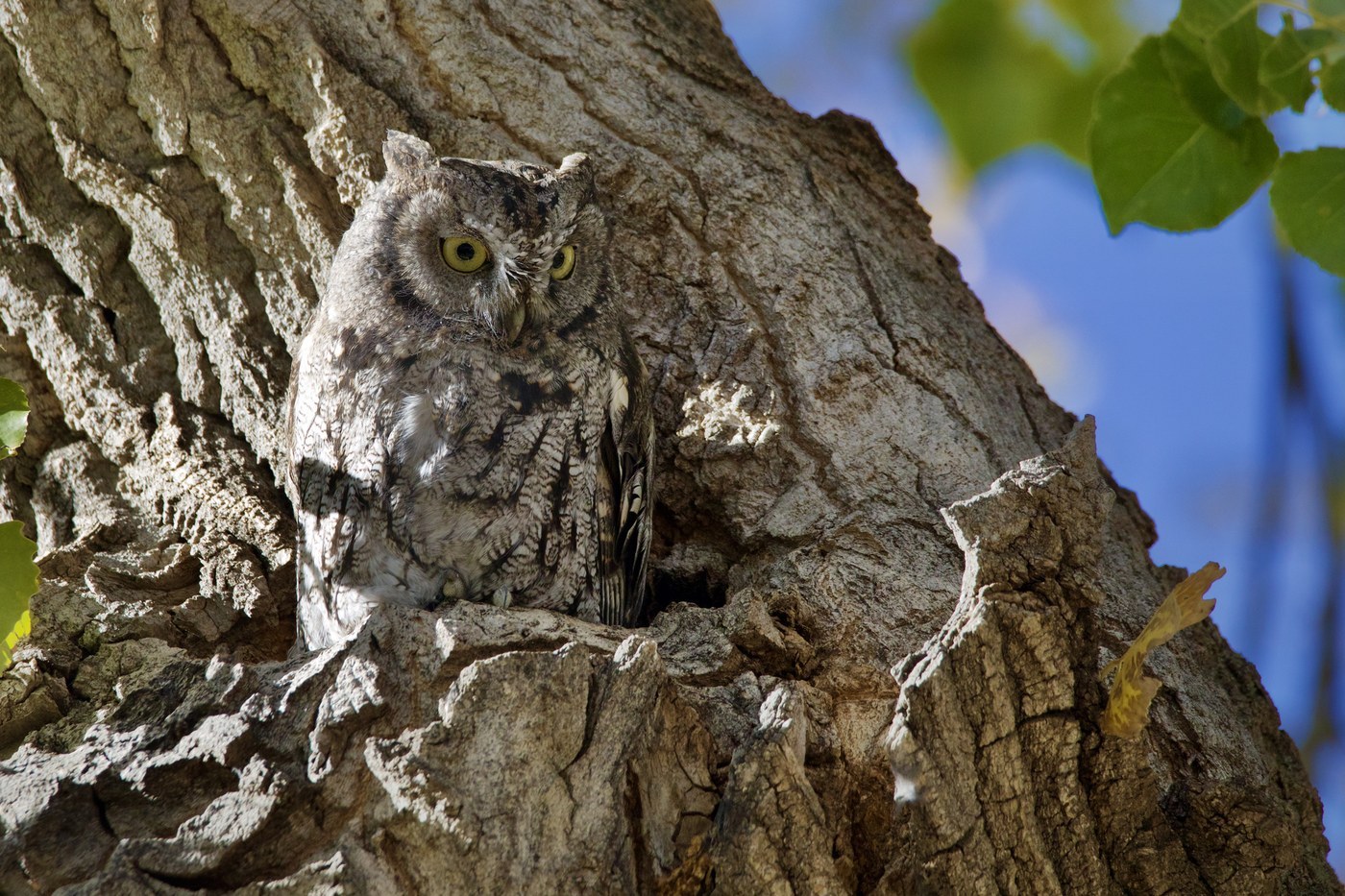
Western Screech-Owl
Small soft-fringed flight feathers; cryptic mottled/streaked body feathers; short ear tufts

White-faced Scops Owl
Small to medium flight feathers with a distinctive whitish facial disc and long ear-tuft plumes