
Eurasian Bullfinch
Pyrrhula pyrrhula
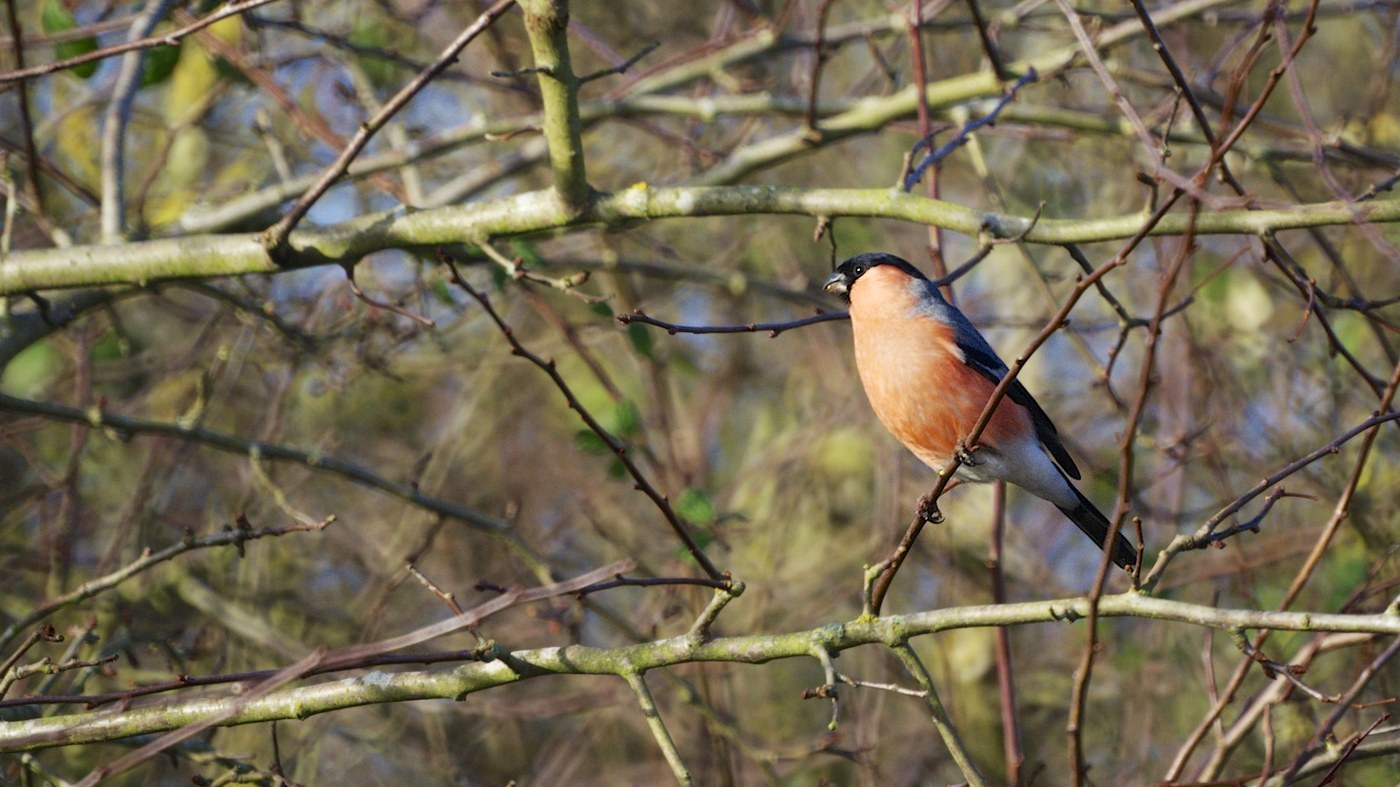
A stocky, short-billed finch with a black cap, grey back, and a rosy-pink breast in males, easily told by its bright white rump patch in flight.
- Feather type
- Soft, plump body plumage
- Colours
- Rosy-pink underparts (male), black cap, grey back, white rump
- Bird size
- Medium finch, ~14.5-16.5 cm
Found a feather like this?
Identify any feather from a photo, free.
Overview
Overview
The Eurasian Bullfinch is a plump, short-necked finch found across woodland edges, hedgerows, and gardens throughout Europe and temperate Asia. Its rounded body, stubby black bill, and quiet, understated presence make it a distinctive but often shy woodland bird.
Males are particularly striking with rosy-pink underparts set against a black cap and grey back, while females show a more muted pinkish-buff or grey-brown tone in the same pattern. Both sexes share a bold white rump that flashes clearly in flight.
Identifying the Feather
Feather Identification
- Male body feathers: rosy-pink breast and cheeks, contrasting with a glossy black cap and grey back.
- Female/immature body feathers: similar pattern but with grey-buff or dull pinkish-brown underparts instead of bright pink.
- Rump feathers: bright white in both sexes, highly visible in flight and a key identification feature.
- Wing feathers: black with a pale grey wing bar.
- Distinguishing from similar species: the combination of black cap, grey back, and white rump is distinctive among European finches; no similar species combines all three features.
Plumage & Molt
Plumage Details
Adult males show a glossy black cap, grey back, and rosy-pink underparts extending from the throat to the belly, all set off by a bright white rump and black tail. Females share the same pattern but with grey-brown to dull pink-buff underparts rather than the male's vivid pink. Juveniles lack the black cap entirely, showing a plain brownish head until their first molt. The white rump patch is present in birds of all ages and sexes.
Habitat & Range
Habitat & Range
Eurasian Bullfinches favor dense woodland edges, hedgerows, orchards, and scrubby thickets across much of Europe and temperate Asia. They are largely sedentary, though northern populations may shift short distances in response to harsh winter conditions.
Behavior & Field Notes
Behavior & Field Notes
Bullfinches feed on buds, seeds, and berries, using their stout bill to strip material from twigs, often foraging quietly within dense cover rather than in the open. Pairs tend to stay together and can often be spotted moving low through hedgerows. Their call is a soft, mournful piping note. Nests are built in dense shrubs or low tree branches. The white rump combined with the black cap and pink or buff underparts makes this species one of the more readily identifiable finches in its range.
Frequently asked questions
How can you tell a male from a female Eurasian Bullfinch by feather color?
Males have bright rosy-pink underparts while females show a duller grey-brown or pinkish-buff tone in the same area, both sharing the black cap and white rump.
What is the most distinctive feather feature of this species?
The bright white rump patch, visible in flight and present in both sexes, combined with the black cap and grey back.
Do juvenile Bullfinches have the black cap?
No, juveniles lack the black cap and show a plainer brownish head until they molt into adult plumage.
Where is the Eurasian Bullfinch typically found?
In woodland edges, hedgerows, orchards, and scrub across Europe and temperate Asia, usually staying within dense cover.
Eurasian Bullfinch guides
In-depth guides for identifying and understanding Eurasian Bullfinch.
Other feathers you may enjoy

Yellow-breasted Bunting
Contour and flight feathers, chestnut-and-yellow breeding pattern
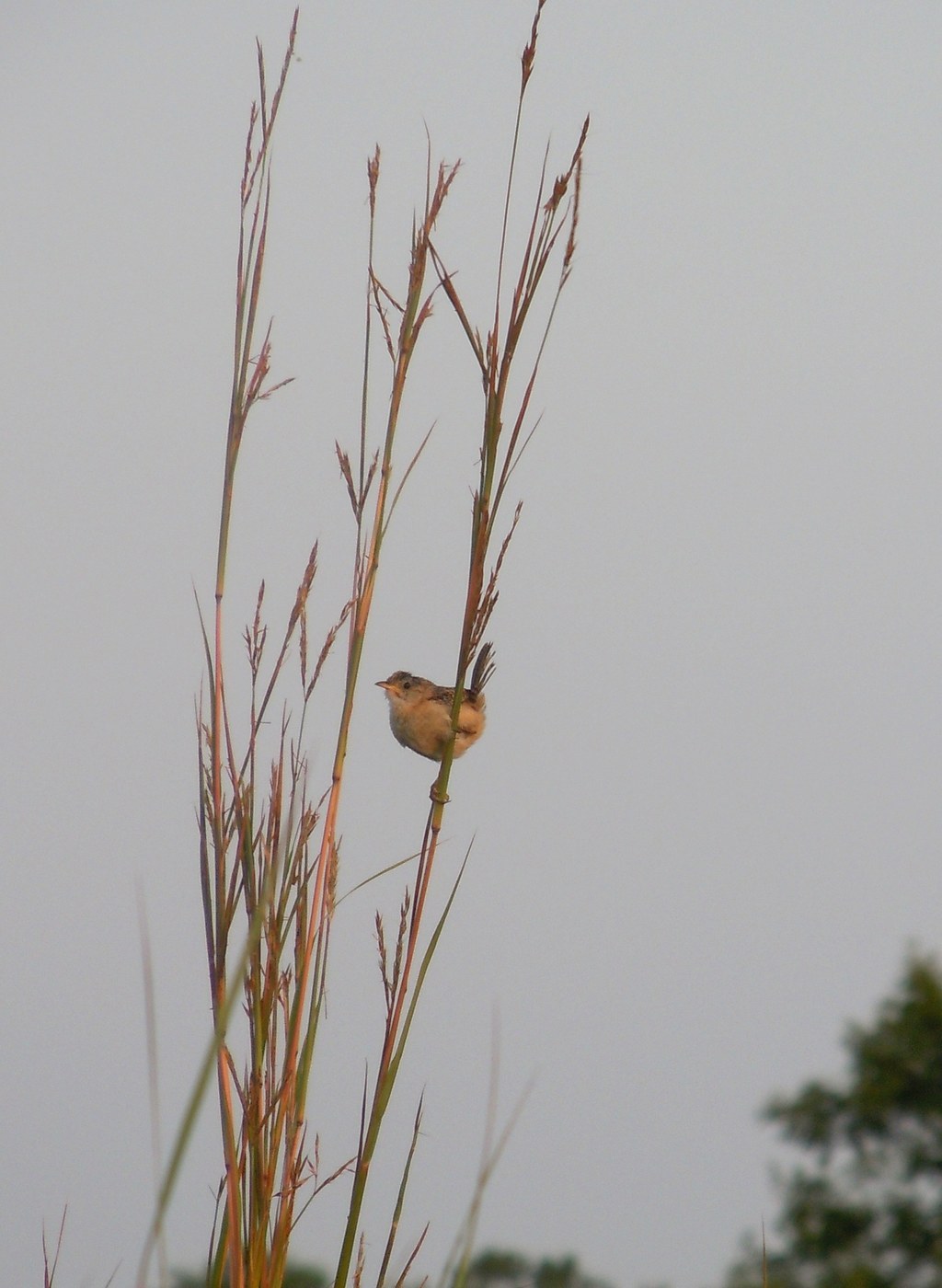
Sedge Wren
Tiny streaked crown and back feathers

Yellow-winged Cacique
Glossy black body feathers, yellow wing patch, shaggy crest

Yellow Warbler
Small contour and flight feathers
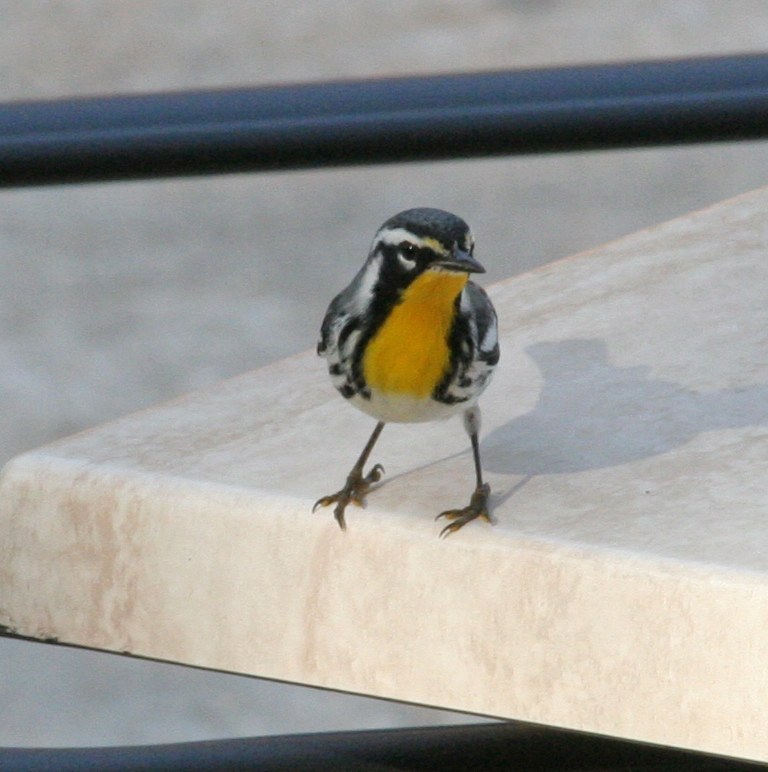
Yellow-throated Warbler
Small contour and flight feathers
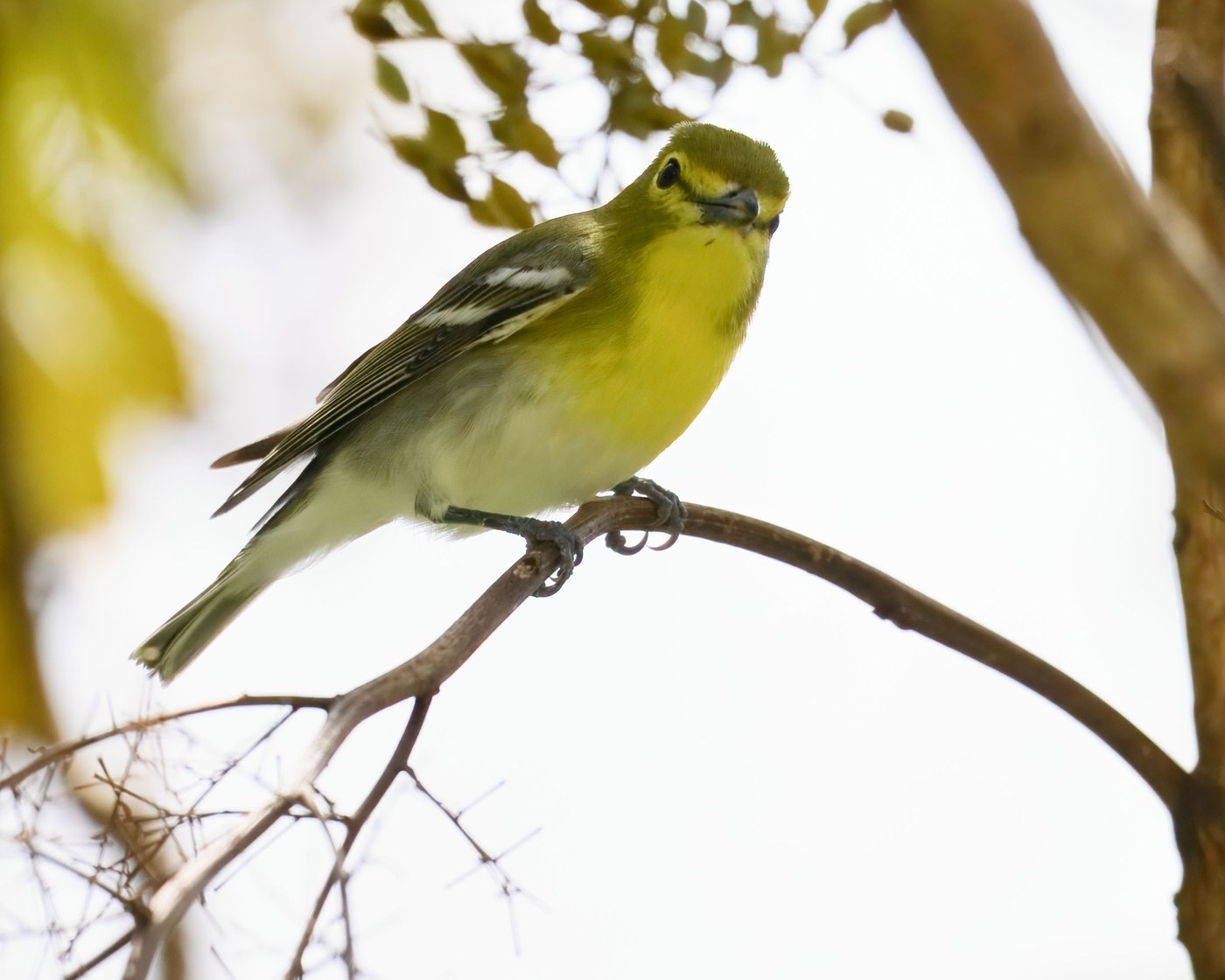
Yellow-throated Vireo
Bright yellow throat and spectacle feathers; olive-green back feathers; two white wing-bar feathers

Yellow-rumped Warbler
Small contour and flight feathers
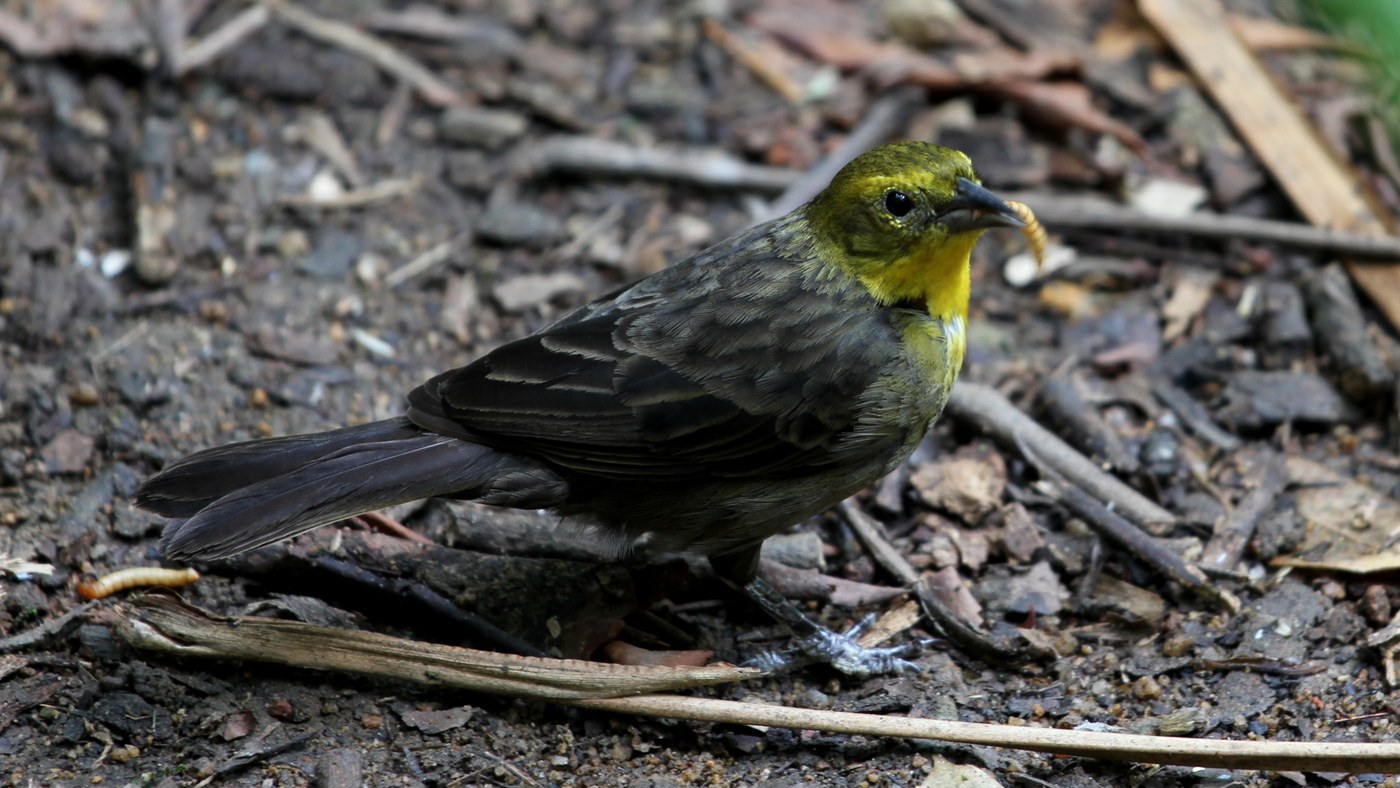
Yellow-hooded Blackbird
Contrasting hood and body feathers
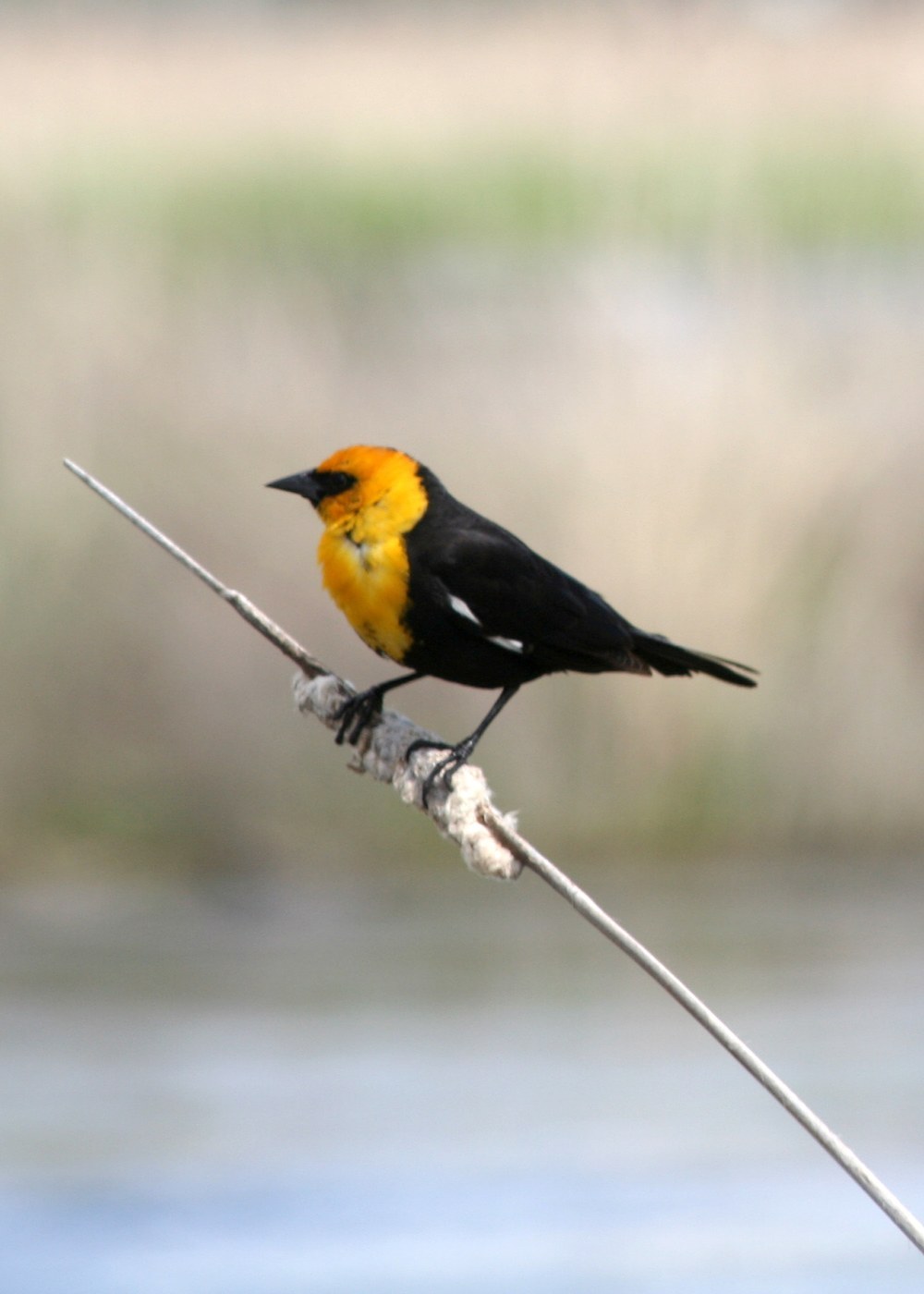
Yellow-headed Blackbird
Glossy black body plumage with a bright yellow head and breast

Yellow-eyed Junco
Contour and flight feathers

Yellow-fronted Canary
Small, smooth body plumage

Yellow-breasted Greenfinch
Compact, smooth body plumage