

Emperor Goose
Anser canagicus
A small, stocky goose with a bold black-and-white scalloped body pattern, a white head and neck often stained rust-orange, and a black throat.
- Feather type
- Contour and flight feathers
- Colours
- Blue-gray body with black-and-white scalloped edging, white head
- Bird size
- Small stocky goose, ~71 cm
Found a feather like this?
Identify any feather from a photo, free.
Overview
The Emperor Goose is a distinctive, range-restricted goose breeding along the coasts of western Alaska and eastern Siberia and wintering almost entirely along rocky shorelines and tidal flats of the Aleutian Islands and Alaska Peninsula, rarely straying far from salt water at any season. Its bold scalloped body pattern is unlike that of any other goose.
Identifying the Feather
Body feathers are blue-gray, each broadly tipped first in black then white, producing a crisp, repeating scalloped or scaled pattern across the back and flanks that is unmatched by any other goose species and instantly recognizable even from a single feather. The head and back of the neck are white, frequently stained rust-orange from iron-rich feeding substrates. The throat and foreneck are black, and the bird has a notably short neck and stocky build with orange-yellow legs and a small bill with a pink base.
Plumage & Molt
Sexes are alike. Juveniles lack the white head, appearing overall dusky gray-brown with a less crisply defined scalloped pattern, gaining the adult head coloring and sharper scaling over their first year.
Habitat & Range
Breeds along coastal tundra of western Alaska and adjacent eastern Siberia. Winters almost exclusively along rocky and tidal shorelines of the Aleutian Islands and Alaska Peninsula, rarely moving far inland or far south.
Behavior & Field Notes
Forages along shorelines and tidal flats for aquatic vegetation, mollusks, and other invertebrates, as well as grazing on tundra plants during the breeding season. Nests on the ground on open tundra, often near the coast. Gregarious in relatively small flocks compared to other geese, giving low, cackling honks.
Frequently asked questions
What is the most distinctive feather pattern of the Emperor Goose?
Blue-gray body feathers broadly tipped in black then white, creating a bold scalloped pattern unlike any other goose.
Why do Emperor Geese often have rust-stained heads?
Feeding along iron-rich coastal substrates can stain the white head and neck feathers a rusty orange color.
Where does the Emperor Goose spend the winter?
Almost entirely along rocky and tidal shorelines of the Aleutian Islands and Alaska Peninsula.
Do young Emperor Geese have white heads?
No, juveniles are overall dusky gray-brown and develop the white head as they mature into adulthood.
Emperor Goose guides
In-depth guides for identifying and understanding Emperor Goose.

Other feathers you may enjoy

Mallard
Wing (speculum), body, and tail feathers

Spectacled Eider
Large sea-duck body feathers with distinctive eye-ring patches

Canada Goose
Body and flight feathers
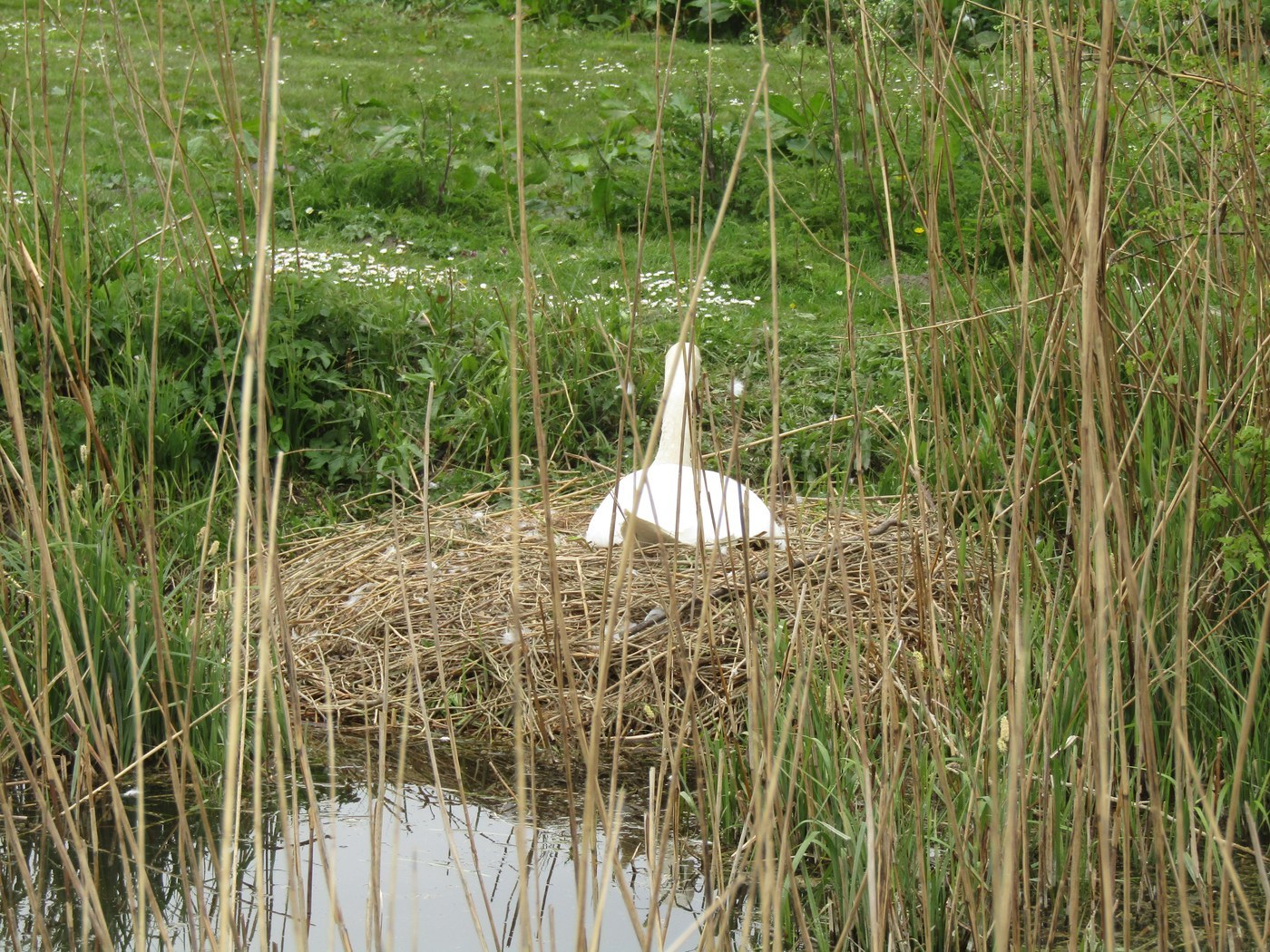
Mute Swan
Body (contour) and flight feathers

Wood Duck
Iridescent crest feathers; ornate scapular and flank feathers; white teardrop facial feathers (female)
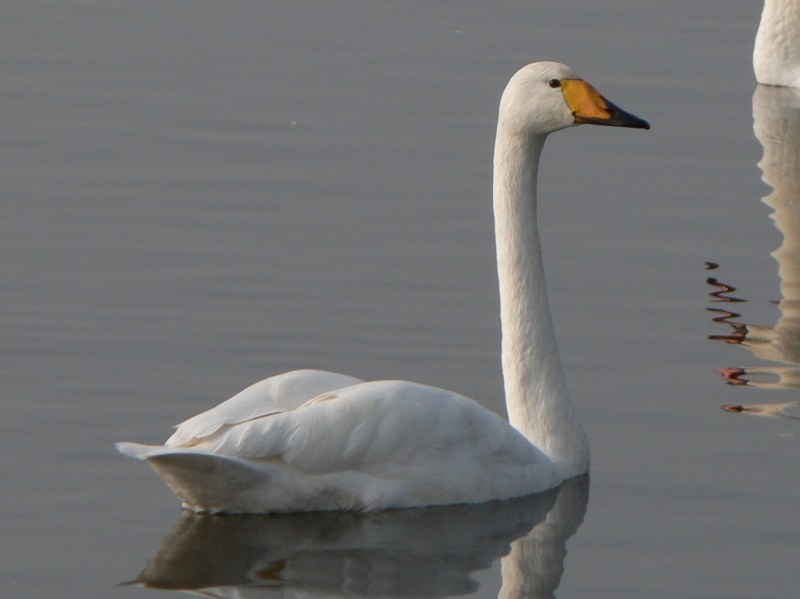
Whooper Swan
Contour and flight feathers

White-winged Scoter
Large sea-duck body feathers with a white wing patch

Ruddy Duck
Stiff tail feathers and compact body plumage

Ross's Goose
Contour and flight feathers

White-cheeked Pintail
Contour and elongated tail feathers

Torrent Duck
Dense, sleek contour feathers; stiff, pointed tail feathers used for bracing against rocks

Tundra Swan
Contour and flight feathers