

Eastern Bluebird
Sialia sialis
A small, vividly colored thrush whose blue feathers are produced by feather structure rather than pigment, giving them a shifting brightness depending on the angle of light.
- Feather type
- Soft, vivid blue back, wing, and tail contour feathers; rusty-orange breast feathers; white belly feathers
- Colours
- Male brilliant sky-to-royal blue above with a rusty-orange throat and breast and white belly; female much duller grayish-blue with a muted orange wash
- Bird size
- Small thrush, ~16-21 cm
Found a feather like this?
Identify any feather from a photo, free.
Overview
The Eastern Bluebird is a small, brightly colored thrush of open country, meadows, and orchards, closely associated with nest box programs that helped its population recover after historical declines. Adult males show a striking combination of vivid blue upperparts and a warm rusty-orange breast.
Its blue coloring is structural rather than pigment-based, meaning it is produced by the microscopic structure of the feather scattering light rather than by a blue pigment. This means the blue can appear duller or grayish in flat light and only shows its full brilliance when catching direct sunlight at the right angle.
Females show a much more muted version of the male's pattern, with grayish-blue upperparts and a softer orange wash on the breast, making male and female feathers noticeably different in overall brightness.
Identifying the Feather
Size and Shape
Small, soft contour feathers typical of a small thrush.
Color and Pattern
- Male back, wing, and tail feathers are vivid blue, though the intensity depends heavily on lighting angle due to the structural nature of the color.
- Breast and throat feathers are rusty-orange in males, contrasting with a white belly.
- Female feathers show the same basic pattern but in much more muted grayish-blue and pale orange tones.
- Juveniles show a spotted grayish body typical of young thrushes, with a blue wash developing on the wings and tail.
Comparisons
The combination of blue upperparts with a rusty-orange breast is distinctive among small North American songbirds, though the blue can look surprisingly dull gray-brown in indirect light, since it depends on feather structure rather than pigment; checking for any blue sheen at an angle helps confirm identification.
Plumage & Molt
Males are noticeably brighter blue with a bolder orange breast, while females are duller grayish-blue with a more muted orange wash. Juveniles show a heavily spotted grayish body typical of young thrushes, with blue developing on the wings and tail before the first full molt. One complete molt occurs annually after breeding.
Habitat & Range
Eastern Bluebirds are found across the eastern United States and southern Canada in open habitat with scattered trees, meadows, and orchards, largely as year-round residents, though northern populations migrate short distances south for winter.
Behavior & Field Notes
This species nests in cavities and readily uses nest boxes, a practice that has aided its recovery after significant population declines. It hunts by perching on wires or fences and dropping down to catch insects on the ground. Its song is a soft, warbling series of notes. It feeds on insects during the warmer months and shifts toward fruit in winter. A soft blue feather with a rusty-orange wash, especially one that looks duller in flat light but flashes blue at an angle, is a good match for this species.
Frequently asked questions
Why does an Eastern Bluebird feather sometimes look gray instead of blue?
The blue color is structural, produced by the physical arrangement of the feather rather than a pigment, so it can look dull gray-brown in indirect light and only shows full blue brilliance at certain angles in direct light.
How can I tell a male from a female Eastern Bluebird feather?
Male feathers are brighter blue with a bolder rusty-orange breast, while female feathers are duller grayish-blue with a more muted orange wash.
What do juvenile Eastern Bluebird feathers look like?
Juveniles show a heavily spotted grayish body typical of young thrushes, with blue developing mainly on the wing and tail feathers before their first full molt.
Where would I most likely find this species' feathers?
In open country with scattered trees, meadows, orchards, and areas with nest boxes across the eastern United States.
Eastern Bluebird guides
In-depth guides for identifying and understanding Eastern Bluebird.

Eastern Bluebird identified by the community
Real feathers identified with Feather Identifier.


Other feathers you may enjoy

Yellow-breasted Bunting
Contour and flight feathers, chestnut-and-yellow breeding pattern
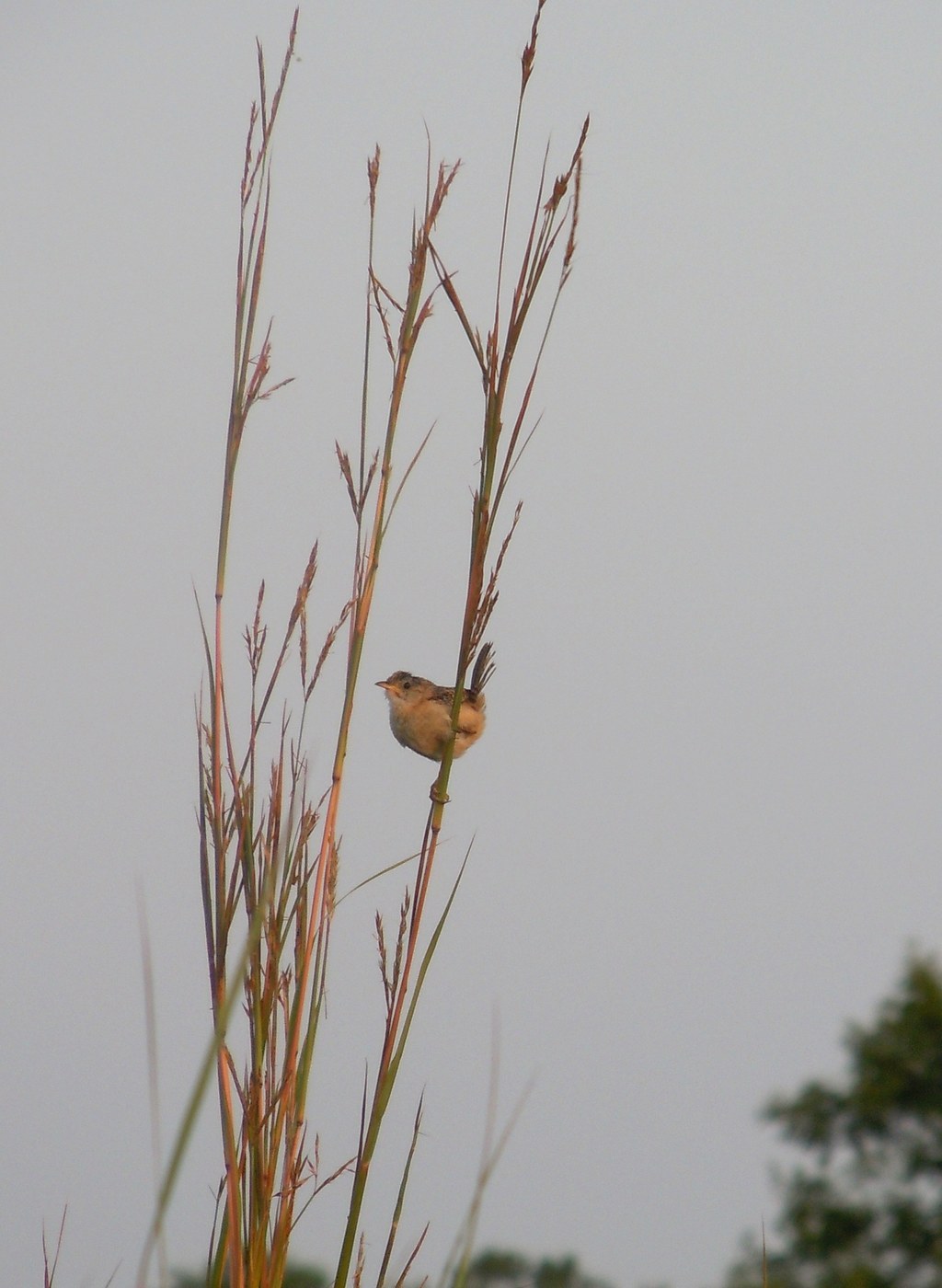
Sedge Wren
Tiny streaked crown and back feathers

Yellow-winged Cacique
Glossy black body feathers, yellow wing patch, shaggy crest

Yellow Warbler
Small contour and flight feathers
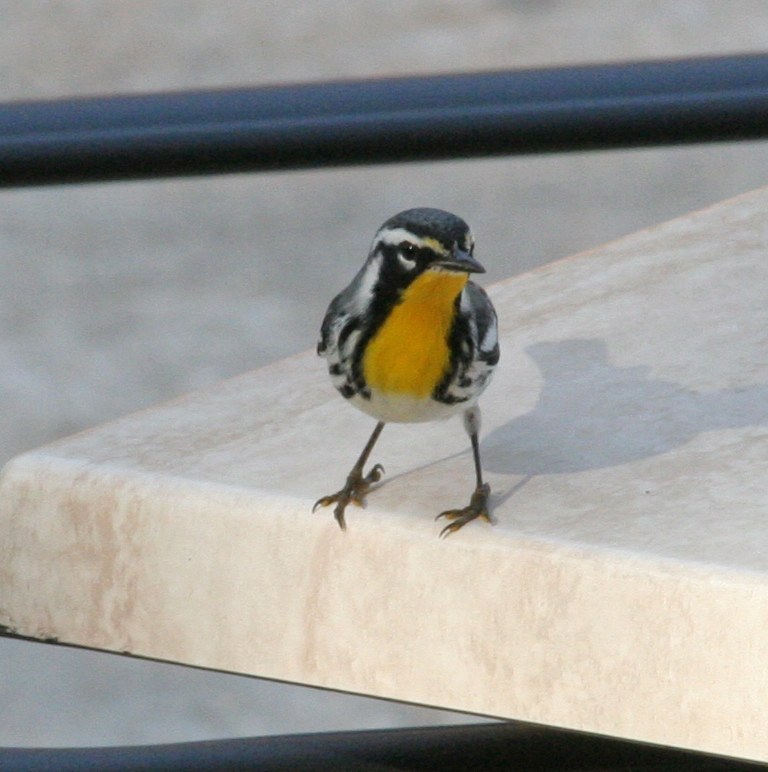
Yellow-throated Warbler
Small contour and flight feathers
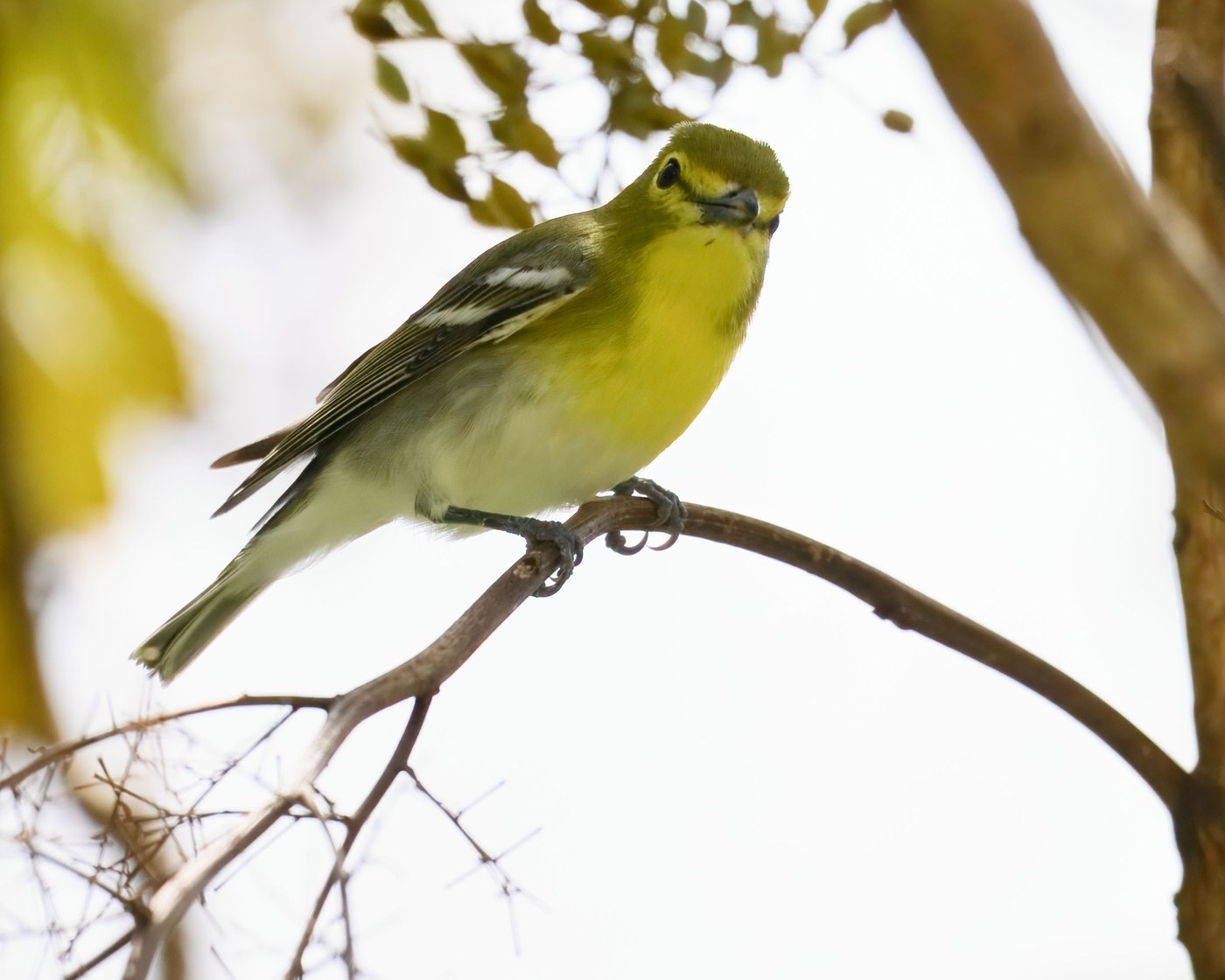
Yellow-throated Vireo
Bright yellow throat and spectacle feathers; olive-green back feathers; two white wing-bar feathers

Yellow-rumped Warbler
Small contour and flight feathers
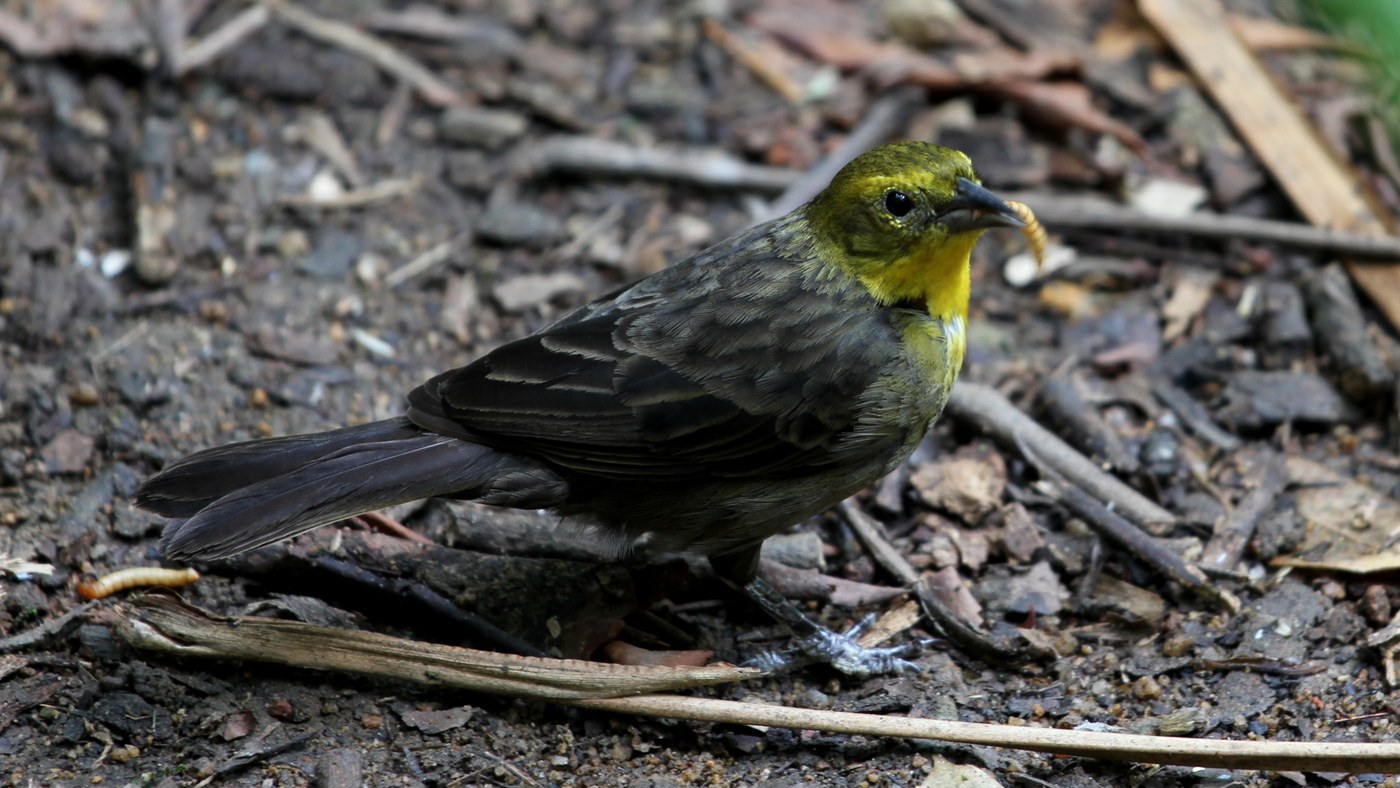
Yellow-hooded Blackbird
Contrasting hood and body feathers
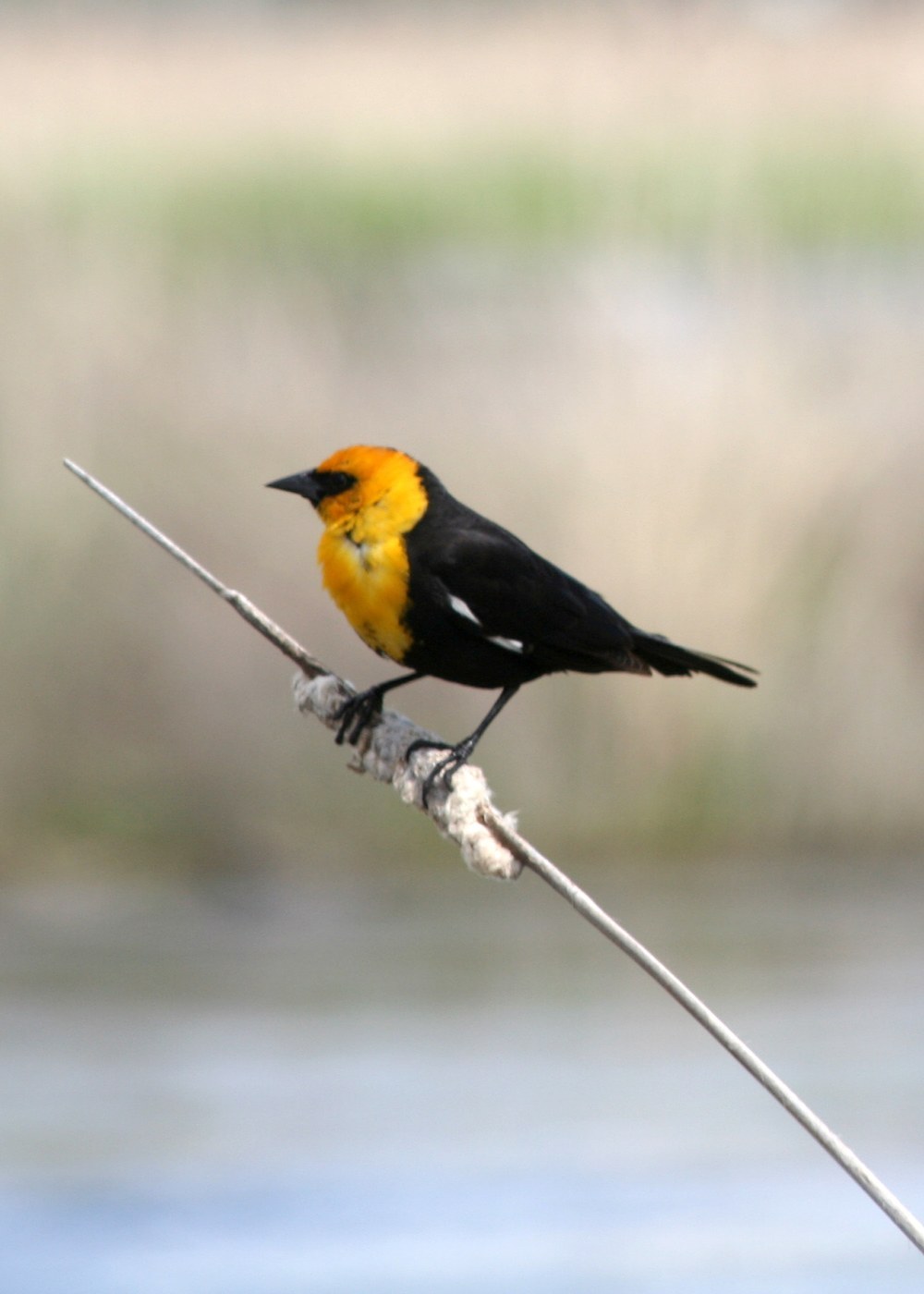
Yellow-headed Blackbird
Glossy black body plumage with a bright yellow head and breast

Yellow-eyed Junco
Contour and flight feathers

Yellow-fronted Canary
Small, smooth body plumage

Yellow-breasted Greenfinch
Compact, smooth body plumage