

Desert Finch
Rhodospiza obsoleta
A pale, sand-colored finch of arid country, notable for its black-tipped wings crossed by a soft pink panel.
- Feather type
- Loose, soft body feathers; black-tipped flight feathers
- Colours
- Pale sandy-buff body, black wingtips, pink-tinged wing panel
- Bird size
- Sparrow-sized, ~14 cm
Found a feather like this?
Identify any feather from a photo, free.
Overview
Overview
The Desert Finch inhabits dry steppe, semi-desert, and cultivated areas from the Middle East across Central Asia. Its overall pale, sandy plumage provides camouflage against arid backgrounds, while the contrasting black-and-pink wing pattern becomes obvious in flight. It typically forages in small flocks on the ground, feeding on seeds of desert and cultivated plants.
Identifying the Feather
Feather Identification
- Body feathers are pale sandy-buff to grayish, providing strong camouflage in arid terrain
- Flight feathers are blackish with a soft pink-tinged panel across the secondaries and wing coverts, a key diagnostic feature
- Tail feathers are black with white edges visible when spread
- Bill is stout and pale, contrasting with the darker wingtips
- Females and juveniles are slightly duller than males but share the same overall pattern
- Distinguished from other pale desert finches by the specific combination of black wingtips and pink wing panel against sandy body plumage
Plumage & Molt
Plumage Notes
Adults show pale sandy-buff body plumage with black-tipped flight feathers and a pink panel across the wing. Sexes are similar, though females may show slightly less vivid pink tones. Juveniles are duller and more uniformly buff, gradually acquiring the adult wing pattern. A single annual molt follows breeding.
Habitat & Range
Habitat & Range
Found from the eastern Mediterranean and Middle East through Central Asia, in arid steppe, semi-desert, and oasis or cultivated habitats. Many populations are resident, though some make local or short-distance movements related to seasonal food and water availability.
Behavior & Field Notes
Behavior & Field Notes
Desert Finches forage on the ground in small flocks, taking seeds of grasses, weeds, and cultivated crops, and often visit oases or irrigated fields where food and water are more reliable. Nests are built in trees or shrubs, frequently near human settlements. The call is a soft, nasal twittering. Flocks are often first detected by their calls as they fly low across open desert terrain.
Frequently asked questions
How can I identify a Desert Finch feather?
Look for pale sandy-buff body plumage combined with black-tipped flight feathers crossed by a soft pink panel, a pattern unique among arid-zone finches.
Where does the Desert Finch live?
In arid steppe, semi-desert, and cultivated oases from the Middle East across Central Asia.
Are males and females different?
They are similar, though females may show slightly less vivid pink wing tones than males.
Is the Desert Finch migratory?
Most populations are resident or make only local movements tied to food and water availability rather than long migrations.
Desert Finch guides
In-depth guides for identifying and understanding Desert Finch.

Other feathers you may enjoy

Yellow-breasted Bunting
Contour and flight feathers, chestnut-and-yellow breeding pattern
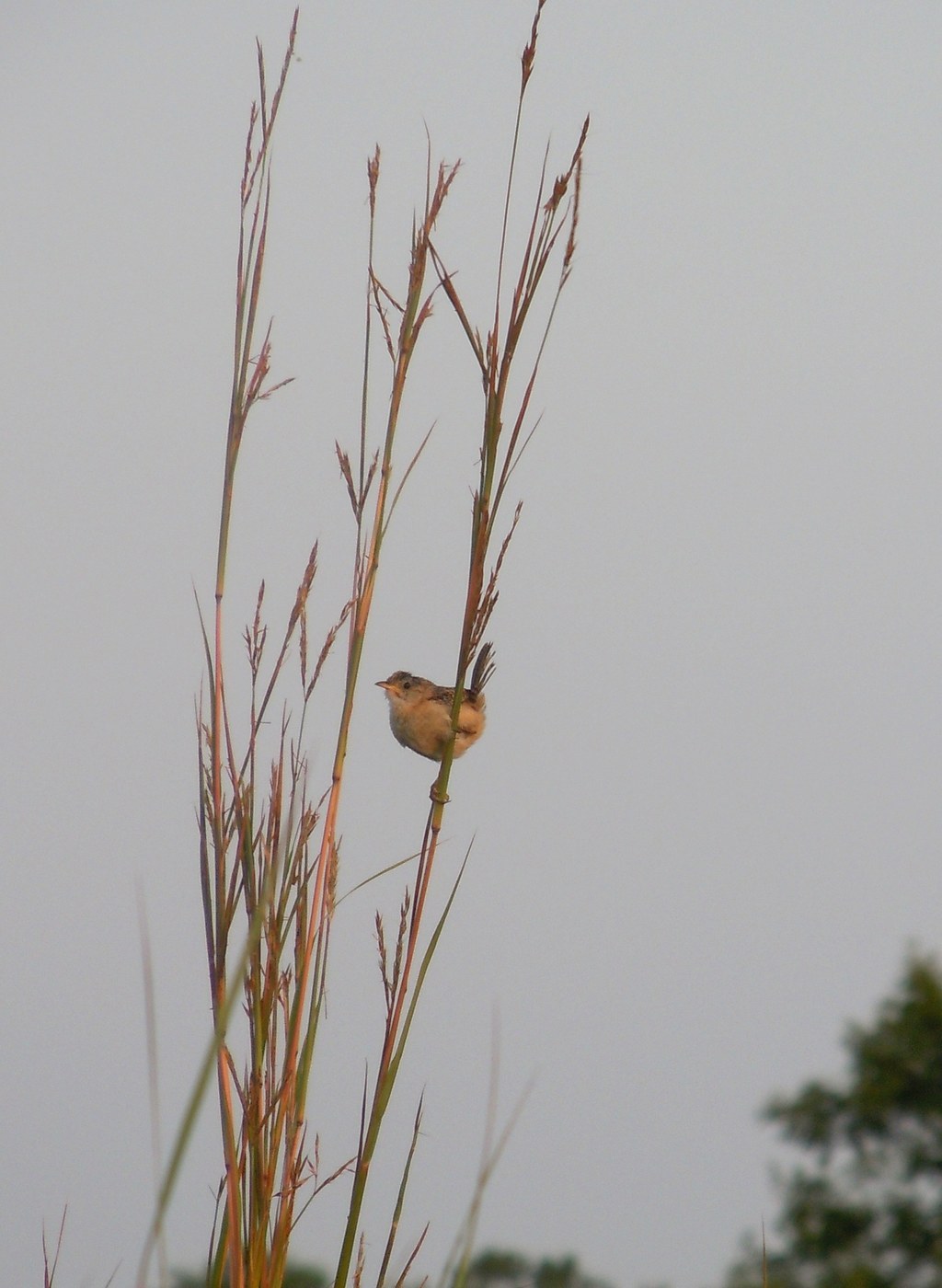
Sedge Wren
Tiny streaked crown and back feathers

Yellow-winged Cacique
Glossy black body feathers, yellow wing patch, shaggy crest

Yellow Warbler
Small contour and flight feathers
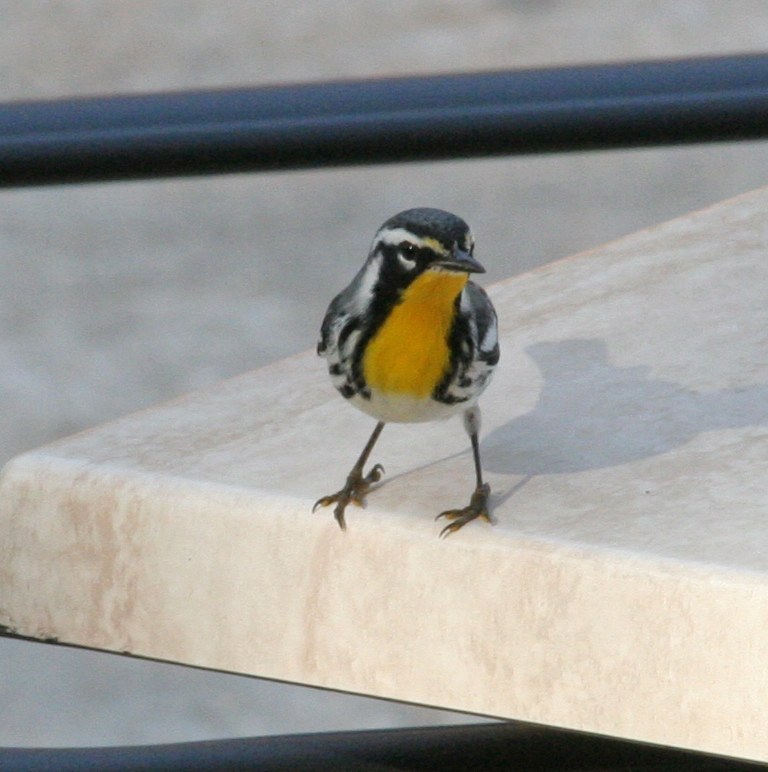
Yellow-throated Warbler
Small contour and flight feathers
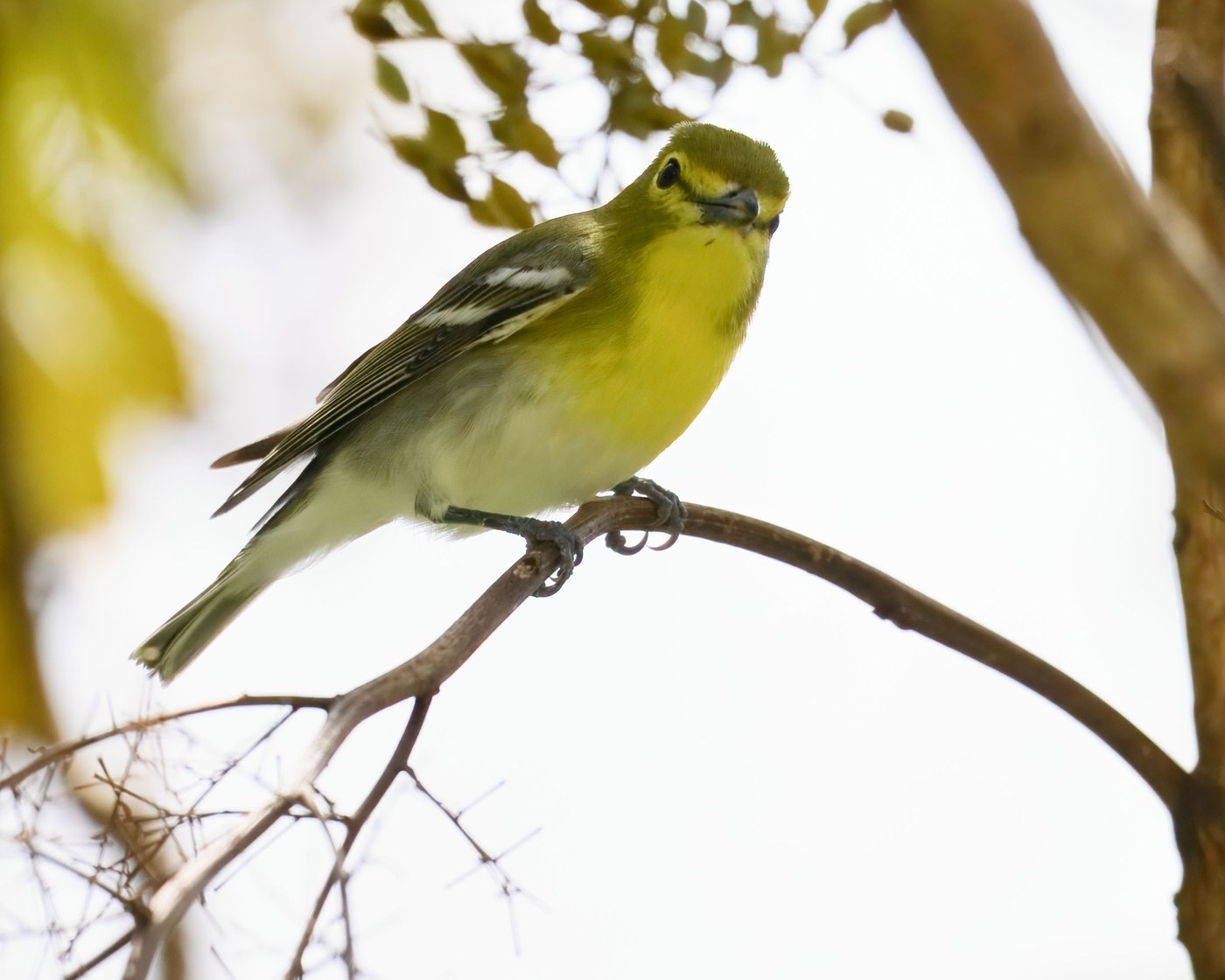
Yellow-throated Vireo
Bright yellow throat and spectacle feathers; olive-green back feathers; two white wing-bar feathers

Yellow-rumped Warbler
Small contour and flight feathers
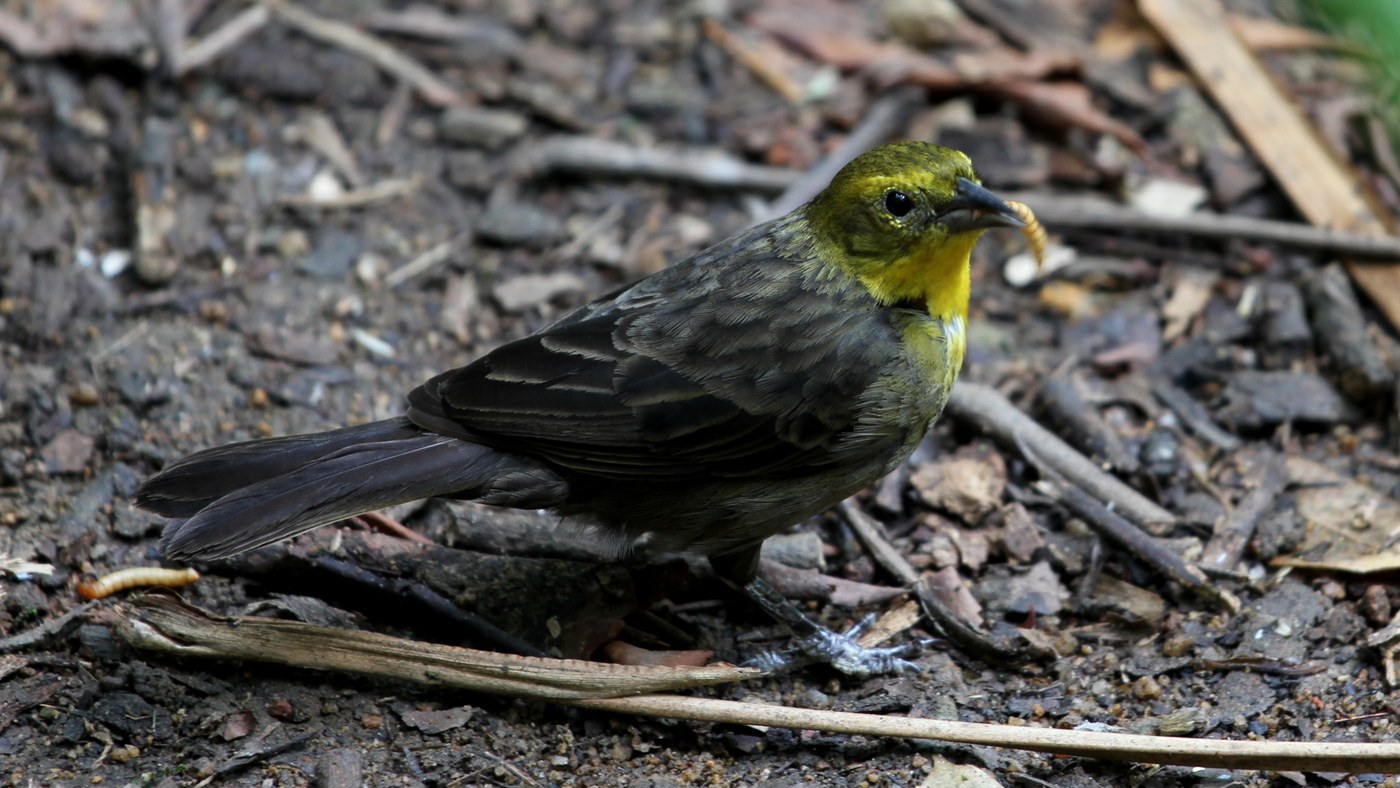
Yellow-hooded Blackbird
Contrasting hood and body feathers
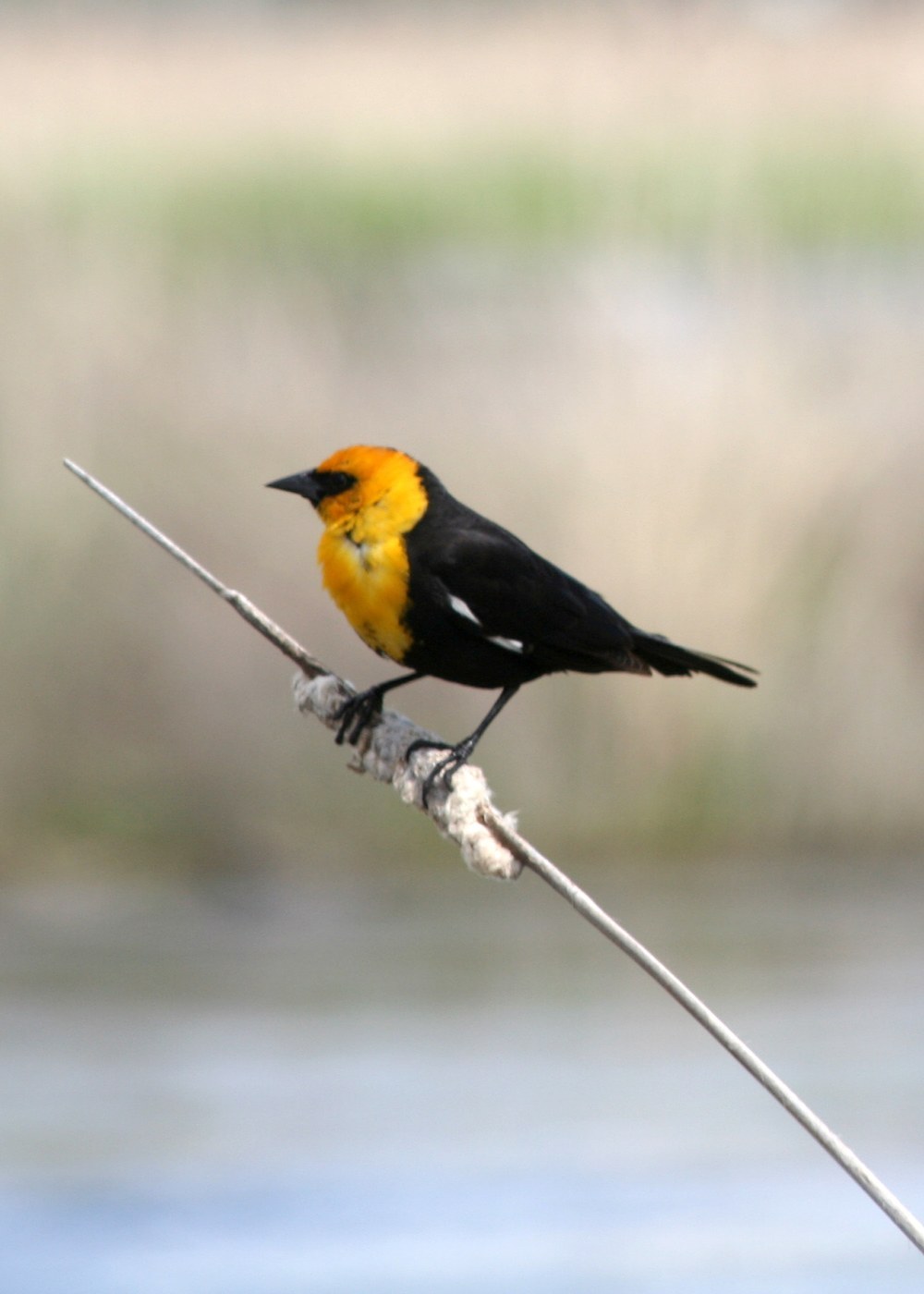
Yellow-headed Blackbird
Glossy black body plumage with a bright yellow head and breast

Yellow-eyed Junco
Contour and flight feathers

Yellow-fronted Canary
Small, smooth body plumage

Yellow-breasted Greenfinch
Compact, smooth body plumage