

Common Scoter
Melanitta nigra
The Common Scoter is the Eurasian counterpart of the Black Scoter, a sea duck whose breeding male is entirely black apart from a yellow-orange patch along the ridge of the bill.
- Feather type
- Uniformly dark sea-duck body feathers
- Colours
- Entirely black body plumage with a yellow-orange bill ridge
- Bird size
- Medium, ~44-54 cm
Found a feather like this?
Identify any feather from a photo, free.
Overview
Overview
The Common Scoter is a medium-sized sea duck native to northern Eurasia, closely related to and long considered the same species as the North American Black Scoter. Breeding males show completely black plumage without white markings, similar to the Black Scoter, differing mainly in the placement and shape of the yellow-orange bill coloring rather than in feather pattern. Females are brown with paler cheeks and throat contrasting against a darker cap, much like the Black Scoter.
Identifying the Feather
Feather Identification
- Absence of white: Breeding males show entirely black body and head feathering, with no white patches, matching the pattern of the closely related Black Scoter.
- Female facial contrast: Females show a pale cheek and throat against a darker crown, similar to female Black Scoters, making the two species very difficult to separate by feather pattern alone.
- Range as identification context: Because feather patterns overlap almost completely with the Black Scoter, geographic range - Eurasia for Common Scoter versus North America for Black Scoter - is often the most practical way to assign a feather to one species or the other.
- Wing pattern: Wings are uniformly dark in both sexes, without a white speculum.
- Bill note: The male's bill shows a yellow-orange patch mainly along the top ridge rather than as a rounded knob, a subtle difference from the Black Scoter, though this is a bare-part rather than feather trait.
Plumage & Molt
Plumage Notes
Breeding males are entirely black, closely matching the plumage of the Black Scoter. Females and immatures are brown with paler cheeks and throat contrasting against a darker cap. Eclipse plumage in males shows little change from breeding plumage. The species undergoes a complete molt after breeding with a flightless period. Juveniles resemble females and gradually acquire the male's all-black plumage.
Habitat & Range
Habitat & Range
Common Scoters breed on lakes and wetlands across northern Europe and Asia, nesting on the ground near water. In winter, they move to coastal ocean waters across temperate Europe, often forming large flocks along favored coastlines. The species is migratory, moving from northern breeding lakes to coastal wintering areas each year.
Behavior & Field Notes
Behavior & Field Notes
Common Scoters dive to forage on aquatic invertebrates along the seafloor, typically in nearshore waters. They are gregarious in winter, forming large rafts along favored coastlines. Nesting occurs on the ground near lakes and wetlands, well hidden in vegetation. The species gives whistled calls during courtship, similar to the closely related Black Scoter, and flight is strong and direct, typically low over open water in loose flocks.
Frequently asked questions
How does a Common Scoter feather differ from a Black Scoter feather?
The two are extremely similar in plumage, both showing entirely black feathering in males; they are best distinguished by geographic range rather than feather pattern alone.
Where is the Common Scoter found?
Across northern Eurasia, breeding on lakes and wintering along temperate coastal waters, unlike the Black Scoter which occurs in North America.
Do female Common Scoters show any distinctive facial pattern?
Yes, a pale cheek and throat contrast against a darker crown, similar to the pattern seen in female Black Scoters.
Is the Common Scoter the same species as the Black Scoter?
They were once considered the same species but are now generally treated as separate, closely related species occupying different continents.
Common Scoter guides
In-depth guides for identifying and understanding Common Scoter.

Other feathers you may enjoy

Mallard
Wing (speculum), body, and tail feathers

Spectacled Eider
Large sea-duck body feathers with distinctive eye-ring patches

Canada Goose
Body and flight feathers
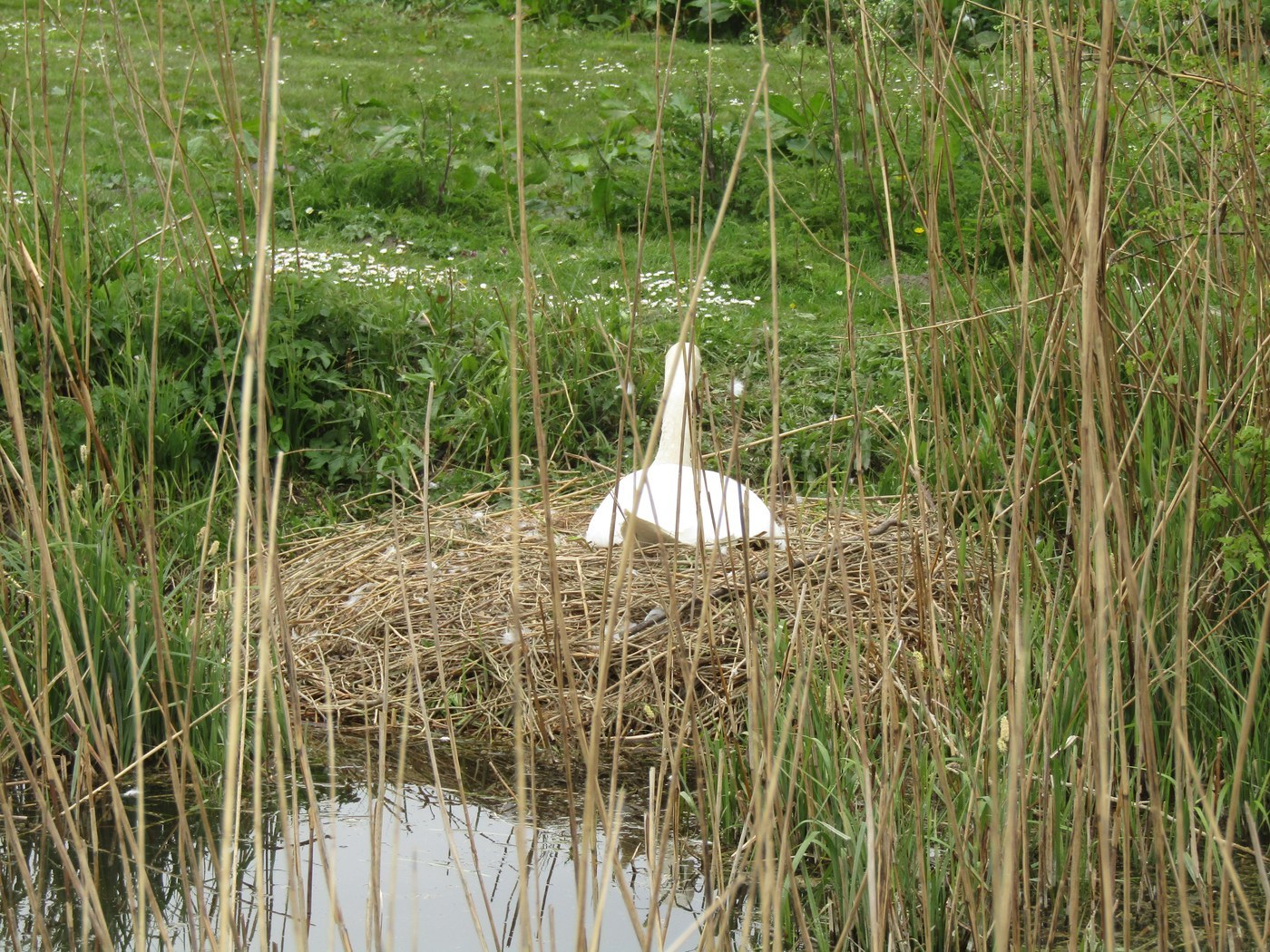
Mute Swan
Body (contour) and flight feathers

Wood Duck
Iridescent crest feathers; ornate scapular and flank feathers; white teardrop facial feathers (female)
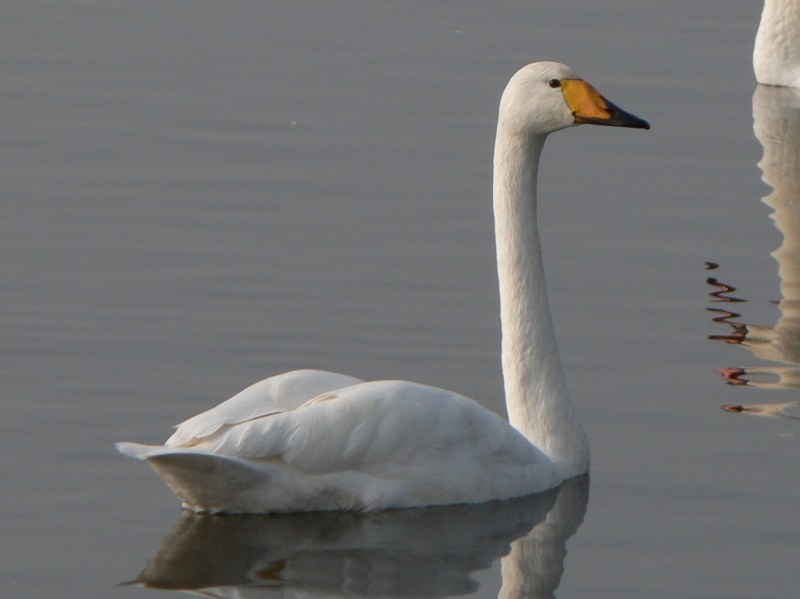
Whooper Swan
Contour and flight feathers

White-winged Scoter
Large sea-duck body feathers with a white wing patch

Ruddy Duck
Stiff tail feathers and compact body plumage

Ross's Goose
Contour and flight feathers

White-cheeked Pintail
Contour and elongated tail feathers

Torrent Duck
Dense, sleek contour feathers; stiff, pointed tail feathers used for bracing against rocks

Tundra Swan
Contour and flight feathers