
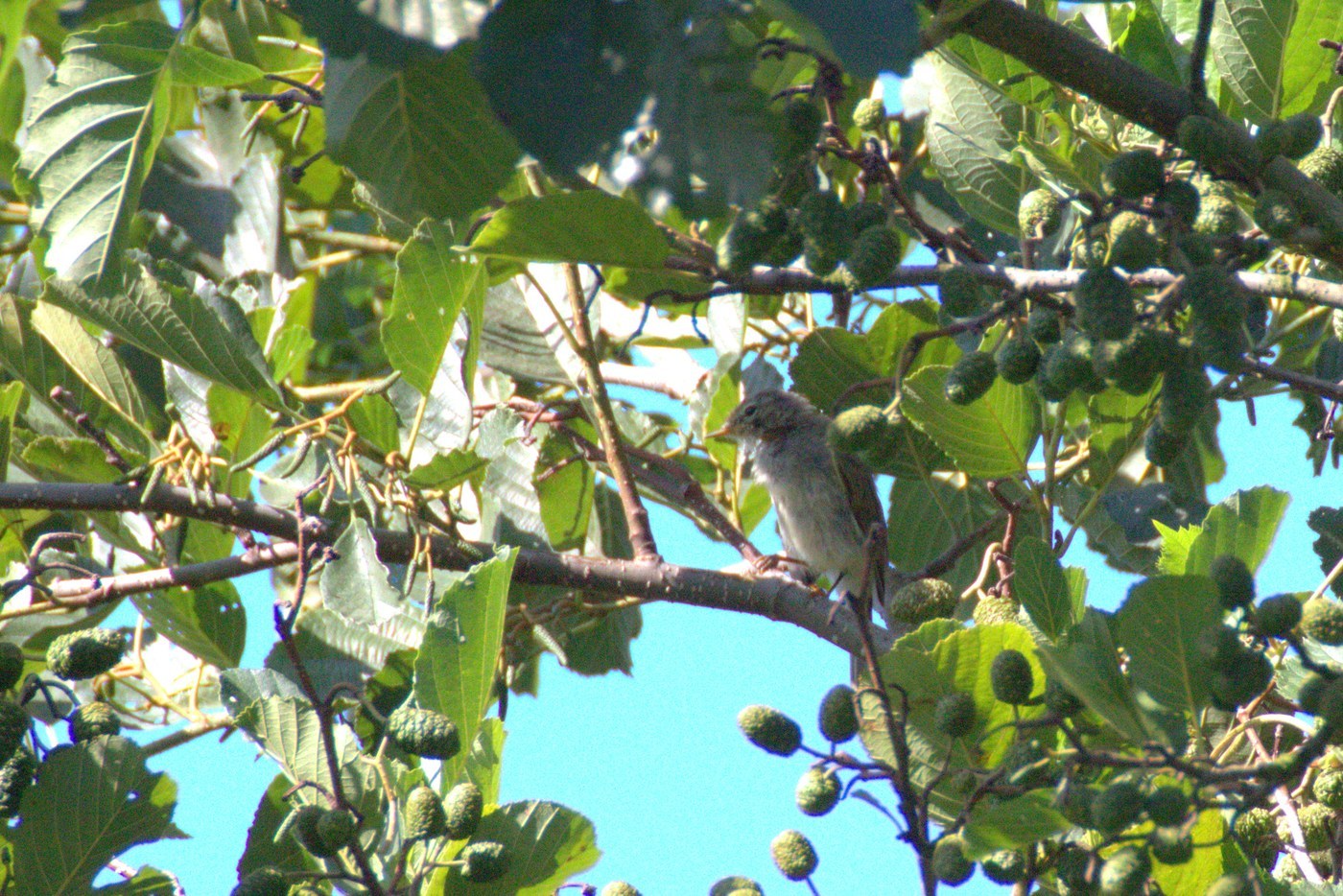
Common Chiffchaff
Phylloscopus collybita
A tiny, plain olive-brown warbler best known by its song, with dark legs and only faint facial markings — one of the least boldly patterned small European songbirds.
- Feather type
- Tiny, soft olive-brown body feathers; short rounded wing feathers; dark leg feathers/scales
- Colours
- Olive-brown above, pale buff-white below, with dark legs
- Bird size
- Very small songbird, ~11 cm
Found a feather like this?
Identify any feather from a photo, free.
Overview
The Common Chiffchaff is a tiny, unassuming warbler most often identified by its simple, repetitive 'chiff-chaff' song rather than by sight, since its plumage is plain and easily confused with several other small warblers.
It breeds across much of Europe and winters in southern Europe, North Africa, and parts of Asia, arriving early in spring and often the first migrant warbler heard each year in many areas.
A Chiffchaff feather is small, plain olive-brown above and pale below, with few strong markings — dark leg coloring is one of the more reliable supporting clues when comparing with the very similar Willow Warbler.
Identifying the Feather
Body feathers
- Small and plain, olive-brown above and pale buffish-white below, without bold wing bars or strong facial patterning.
Facial feathers
- A faint, indistinct pale eyebrow stripe and eye-ring are present but not strongly marked.
Leg feathering/scales
- Legs are dark blackish-brown, a helpful clue distinguishing this species from the pinkish-legged Willow Warbler when foot or leg material is present.
Size
- Tiny, among the smallest feathers likely to be found from a common European songbird.
Confusion species
Willow Warbler looks extremely similar but is generally slightly yellower overall with pinkish (not dark) legs and a more defined pale eyebrow stripe; leg color is often the most dependable distinguishing feature between the two.
Plumage & Molt
Adults are olive-brown above and pale buff-white below, with a faint pale eyebrow stripe, a thin dark eye-line, and dark legs. Males and females look alike.
Juveniles are yellower overall than adults, becoming duller after their first molt.
Chiffchaffs undergo a complete molt after breeding, generally in late summer, with some individuals molting partially before migration and completing molt on the wintering grounds.
Habitat & Range
Chiffchaffs favor woodland edge, scrub, and gardens or parks with mature trees and some open, low vegetation for foraging. They are widespread breeders across most of Europe.
Most populations are migratory, wintering in southern Europe, North Africa, and parts of the Middle East and southern Asia, though some individuals in milder climates may remain year-round.
Behavior & Field Notes
Chiffchaffs feed almost entirely on small invertebrates, gleaned actively from leaves and twigs while constantly flicking their wings and tail. Their simple, repetitive 'chiff-chaff' song is one of the most recognizable and often the earliest heard in spring.
They build a domed nest low in vegetation, well hidden from view. Because Chiffchaff and Willow Warbler look so similar, song and call are usually more reliable field identification tools than plumage alone.
A tiny, plain olive-brown feather with dark leg material attached, found in woodland edge or scrub habitat, is consistent with Chiffchaff, though confirming against Willow Warbler from feathers alone can be difficult.
Frequently asked questions
How can I tell a Chiffchaff feather from a Willow Warbler feather?
The two are very similar, but Chiffchaff has dark legs while Willow Warbler has pinkish legs, and Willow Warbler is often slightly yellower overall with a more defined eyebrow stripe.
Are Chiffchaff feathers brightly colored?
No, they are plain olive-brown above and pale below, among the least boldly marked small songbird feathers in the region.
What size is a typical Chiffchaff feather?
Very small, reflecting the bird's tiny overall size of around 11 centimeters.
Is the Chiffchaff resident or migratory?
Most populations are migratory, wintering in southern Europe, North Africa, or parts of Asia, though some in milder areas may stay year-round.
Why is song more useful than feathers for identifying this species?
Because Chiffchaff and Willow Warbler plumage is nearly identical, the distinctive repetitive 'chiff-chaff' song is a far more reliable identification method than feather examination alone.
Common Chiffchaff guides
In-depth guides for identifying and understanding Common Chiffchaff.
Other feathers you may enjoy

Yellow-breasted Bunting
Contour and flight feathers, chestnut-and-yellow breeding pattern
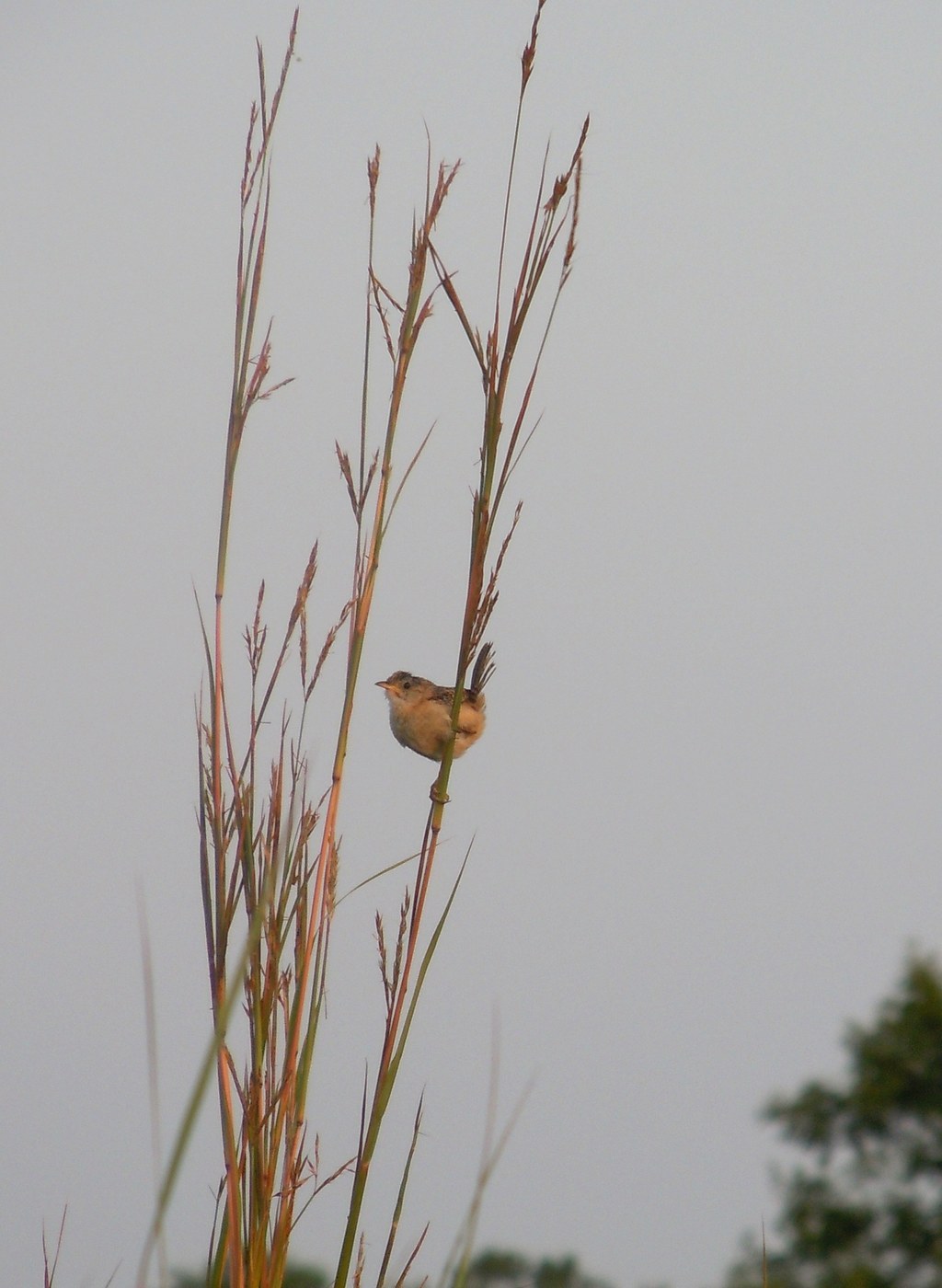
Sedge Wren
Tiny streaked crown and back feathers

Yellow-winged Cacique
Glossy black body feathers, yellow wing patch, shaggy crest

Yellow Warbler
Small contour and flight feathers
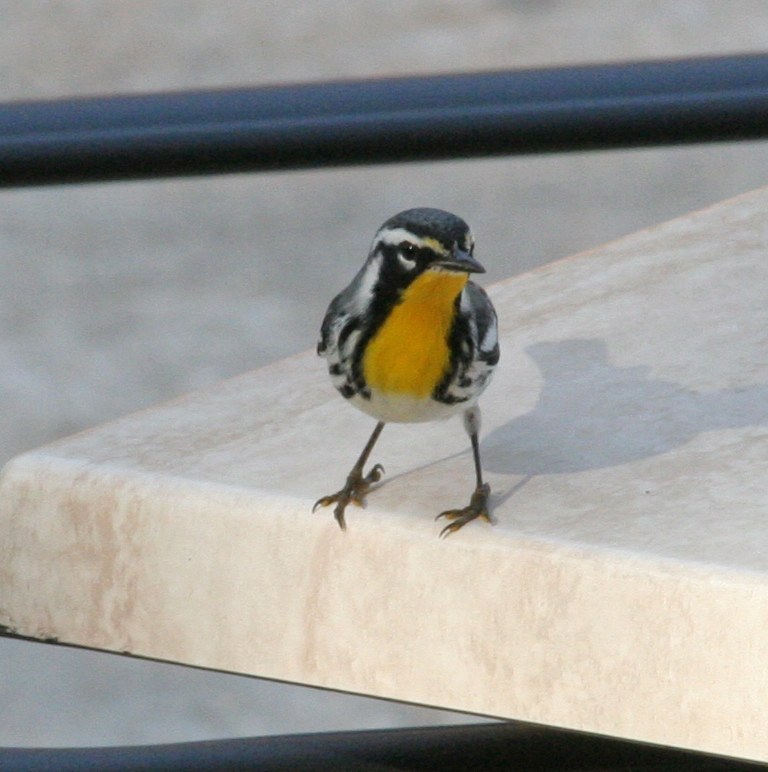
Yellow-throated Warbler
Small contour and flight feathers
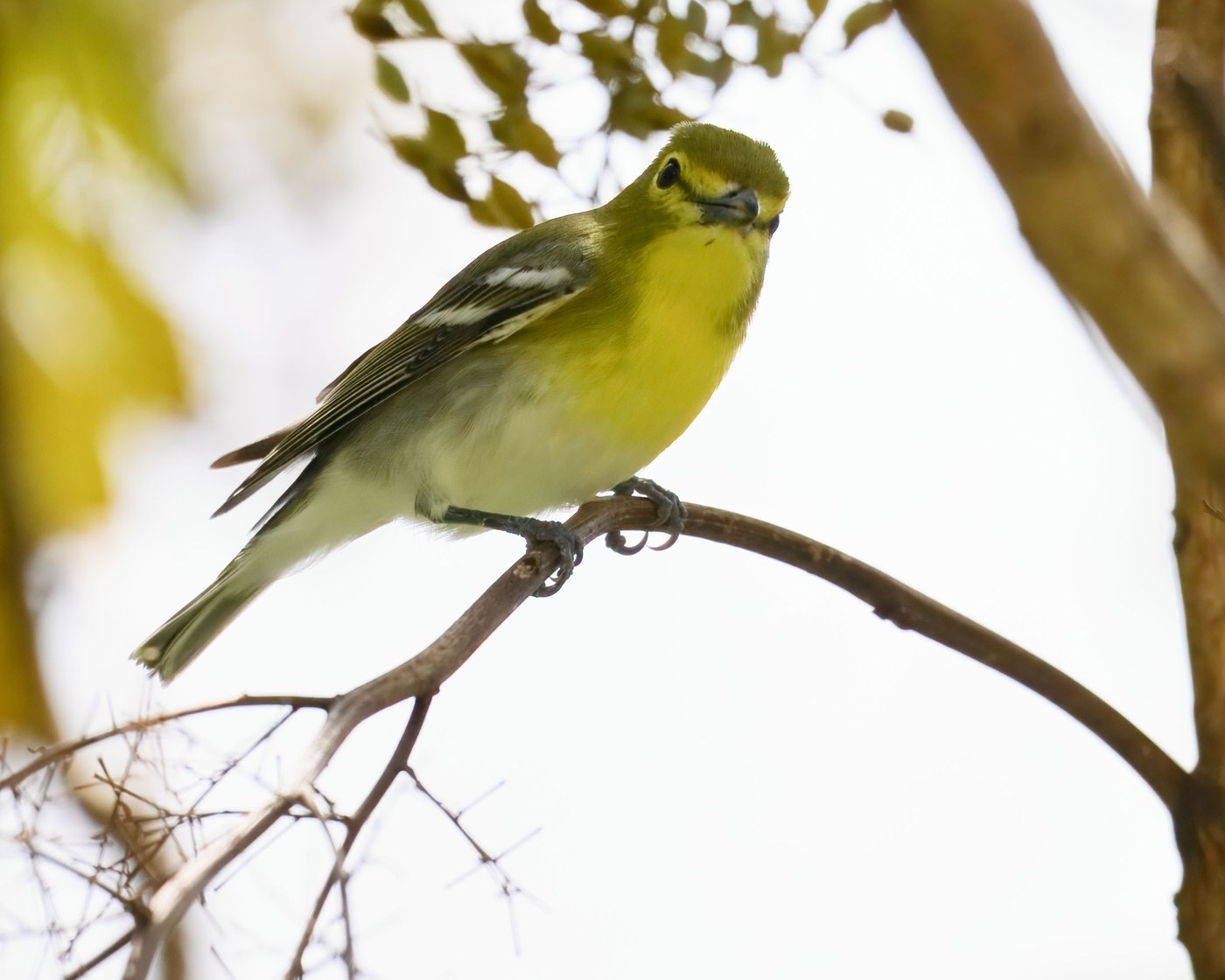
Yellow-throated Vireo
Bright yellow throat and spectacle feathers; olive-green back feathers; two white wing-bar feathers

Yellow-rumped Warbler
Small contour and flight feathers
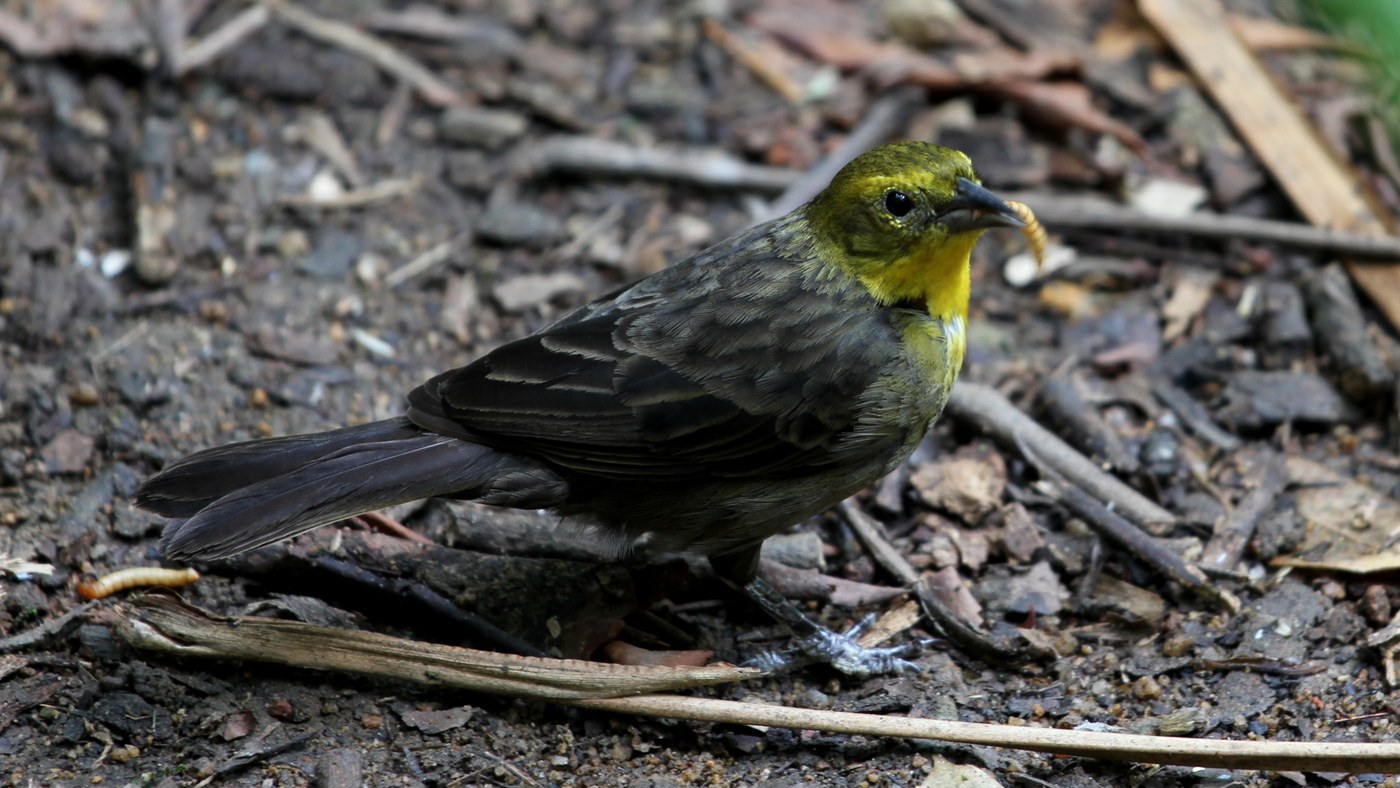
Yellow-hooded Blackbird
Contrasting hood and body feathers
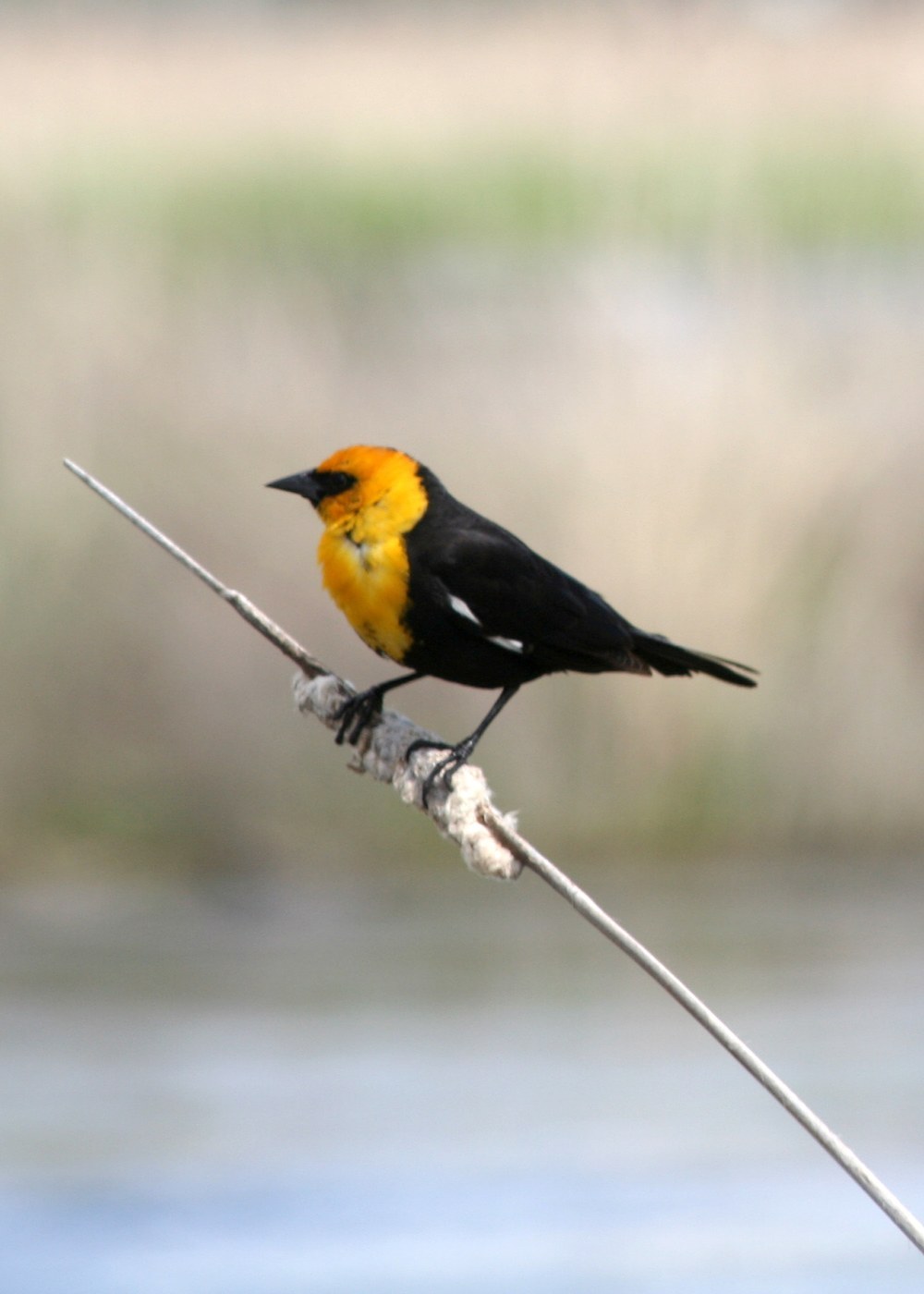
Yellow-headed Blackbird
Glossy black body plumage with a bright yellow head and breast

Yellow-eyed Junco
Contour and flight feathers

Yellow-fronted Canary
Small, smooth body plumage

Yellow-breasted Greenfinch
Compact, smooth body plumage