

Cliff Swallow
Petrochelidon pyrrhonota
A colonial swallow with a pale buffy rump, chestnut face and throat, and a pale forehead patch, best known for its gourd-shaped mud nests.
- Feather type
- Contour and flight feathers
- Colours
- Dark blue-black back, pale buffy rump, chestnut face/throat, pale forehead patch
- Bird size
- Sparrow-sized, ~14 cm
Found a feather like this?
Identify any feather from a photo, free.
Overview
Overview
The Cliff Swallow is a highly social, colonial swallow found across much of North America, best known for constructing gourd-shaped mud nests in dense clusters on cliff faces, bridges, culverts, and building eaves. Its plumage combines dark upperparts with a distinctive pale buffy rump patch, a chestnut face and throat, and a pale patch on the forehead that helps distinguish it from other swallow species.
Upperparts are dark blue-black, contrasting with a pale, buffy-orange rump that is especially conspicuous in flight, while the face and throat show rich chestnut coloring set off by a pale, often creamy-white forehead patch.
Identifying the Feather
Feather ID Notes
Cliff Swallow feathers show a dark blue-black back and crown, a pale buffy-orange rump patch that stands out clearly in flight, and rich chestnut coloring on the face and throat. A pale, often whitish or creamy forehead patch contrasts with the darker crown.
- Back/crown feathers: dark blue-black, glossy
- Rump feathers: pale buffy-orange, a key field mark visible in flight
- Face/throat feathers: rich chestnut
- Forehead patch: pale whitish to creamy, contrasting with the dark crown The pale buffy rump combined with the chestnut face and pale forehead patch readily separates this species from Barn Swallow, which lacks the pale rump and shows a deeply forked tail, and from Cave Swallow, which shows a paler, more orange-buff throat.
Plumage & Molt
Plumage Details
Sexes look alike in this species, both showing the same dark back, pale rump, and chestnut face pattern. Juveniles are notably duller, with less defined chestnut coloring and a browner overall appearance until their first complete molt. There is no distinct seasonal plumage change, though feather wear can slightly dull the rump and face coloring later in the breeding season.
Habitat & Range
Habitat & Range
Cliff Swallows breed across much of North America, nesting colonially on natural cliff faces as well as a wide variety of human-made structures such as bridges, culverts, and building eaves, typically near open country used for foraging. They are long-distance migrants, wintering in South America, and are known for their large, dense breeding colonies that can include hundreds of nests.
Behavior & Field Notes
Behavior & Field Notes
This species forages on the wing in open airspace, often over fields, water, or other open habitat, catching flying insects in flight. Diet consists almost entirely of flying insects. Nests are distinctive gourd-shaped structures built from mud pellets, constructed in large, densely packed colonies attached to vertical surfaces. Calls include a variety of squeaky, chattering notes given both in flight and at the nest colony.
Frequently asked questions
What feather feature best identifies Cliff Swallow in flight?
A pale buffy-orange rump patch that contrasts with the dark back, visible even at a distance.
How does it differ from Barn Swallow?
Cliff Swallow has a pale rump and a square-ish tail, while Barn Swallow lacks the pale rump and shows a deeply forked tail.
What is distinctive about Cliff Swallow nests?
They build gourd-shaped mud nests in large, densely packed colonies on cliffs, bridges, or building eaves.
Where does the Cliff Swallow spend the winter?
It migrates long distances to South America for the winter months.
Cliff Swallow guides
In-depth guides for identifying and understanding Cliff Swallow.

Other feathers you may enjoy

Yellow-breasted Bunting
Contour and flight feathers, chestnut-and-yellow breeding pattern
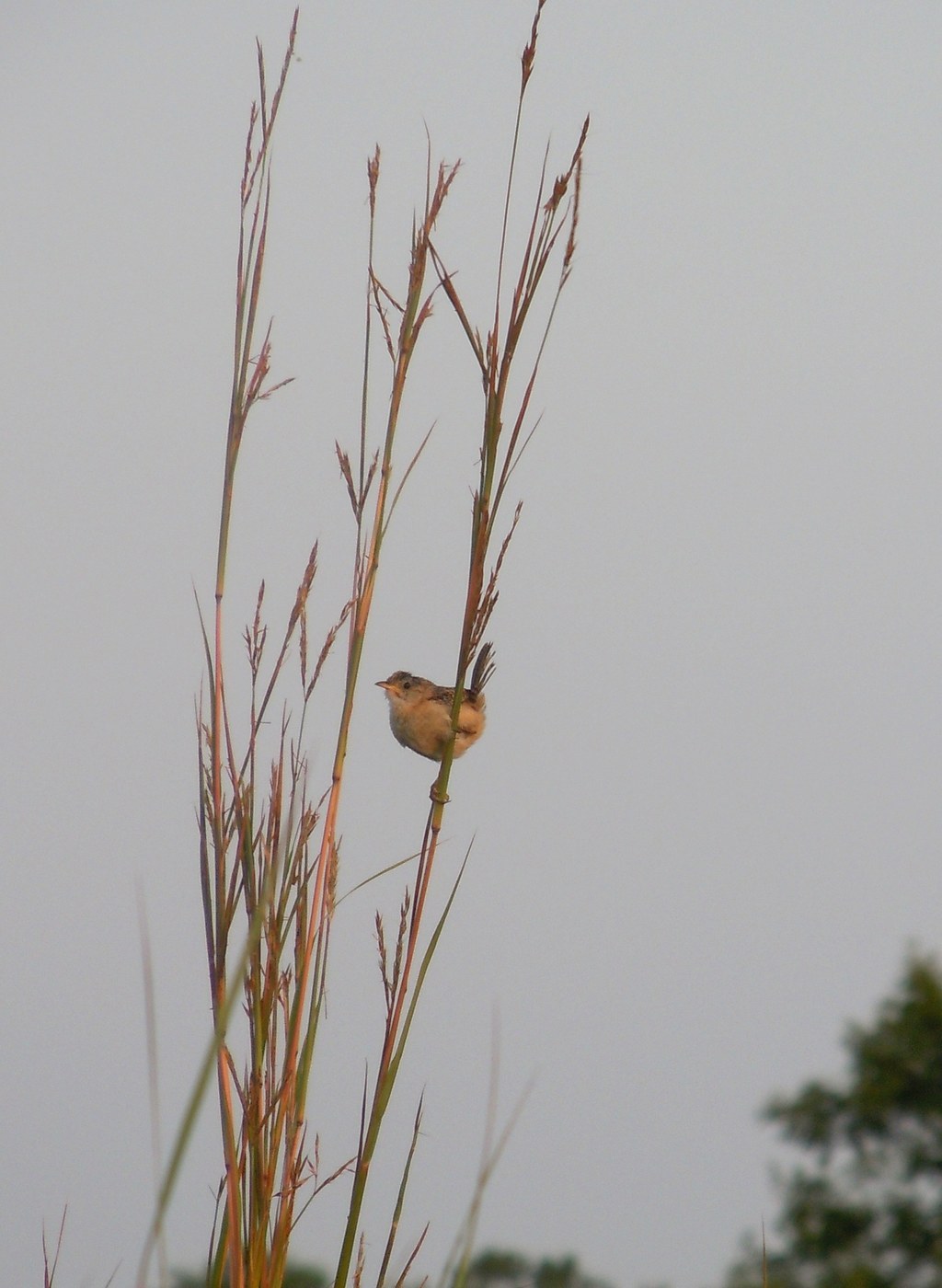
Sedge Wren
Tiny streaked crown and back feathers

Yellow-winged Cacique
Glossy black body feathers, yellow wing patch, shaggy crest

Yellow Warbler
Small contour and flight feathers
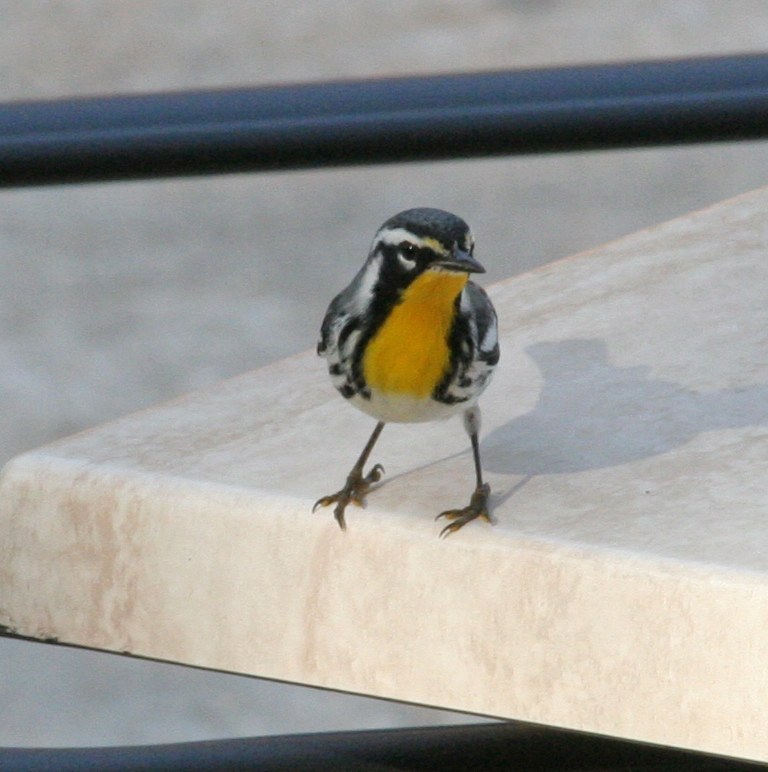
Yellow-throated Warbler
Small contour and flight feathers
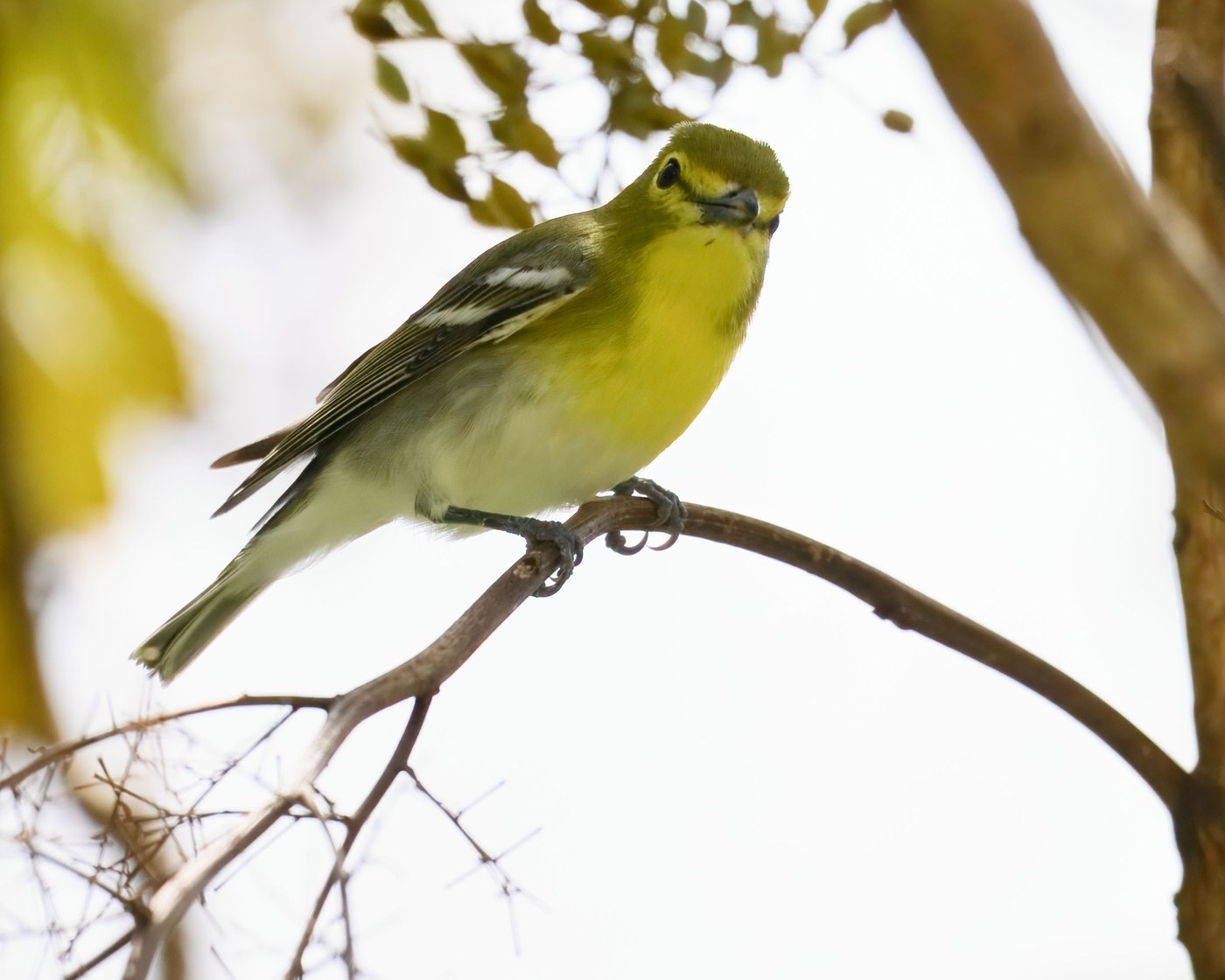
Yellow-throated Vireo
Bright yellow throat and spectacle feathers; olive-green back feathers; two white wing-bar feathers

Yellow-rumped Warbler
Small contour and flight feathers
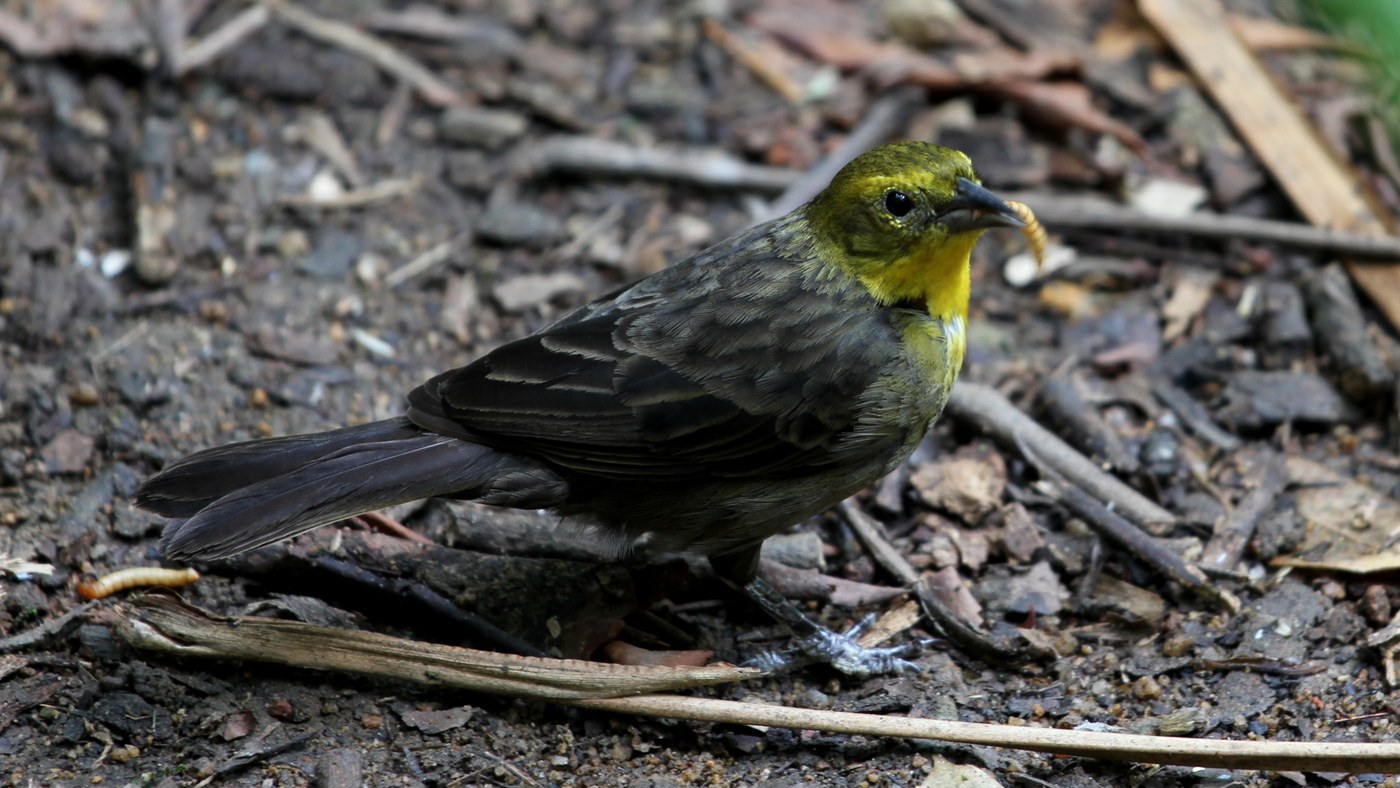
Yellow-hooded Blackbird
Contrasting hood and body feathers
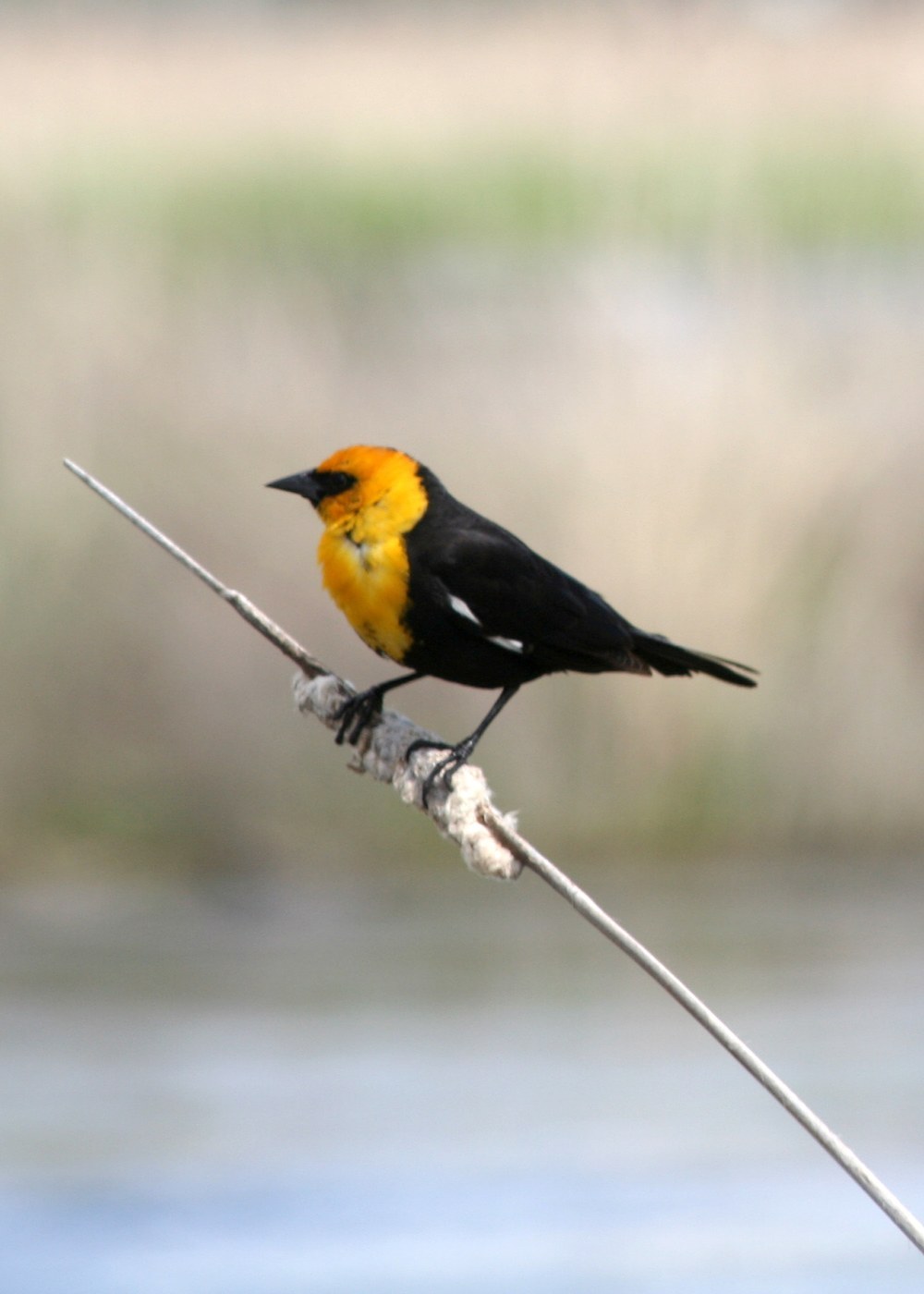
Yellow-headed Blackbird
Glossy black body plumage with a bright yellow head and breast

Yellow-eyed Junco
Contour and flight feathers

Yellow-fronted Canary
Small, smooth body plumage

Yellow-breasted Greenfinch
Compact, smooth body plumage