
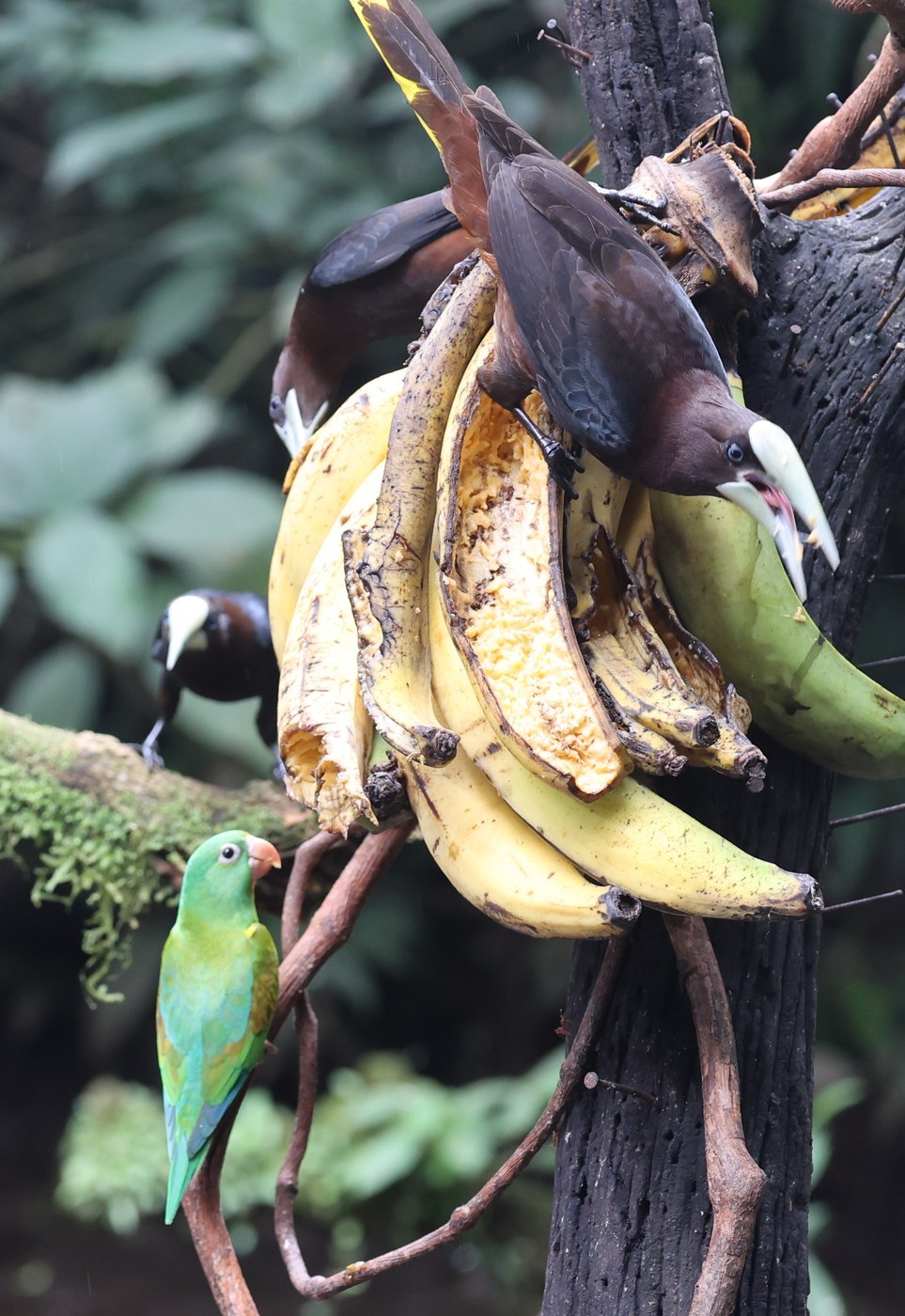
Chestnut-headed Oropendola
Psarocolius wagleri
A medium-sized oropendola with a rich chestnut head and neck contrasting against a black body, a pale bill, and a small patch of yellow at the tail tip.
- Feather type
- Chestnut head feathers, black body
- Colours
- Chestnut head and neck, black body, yellow tail tip
- Bird size
- Large, ~28-38 cm
Found a feather like this?
Identify any feather from a photo, free.
Overview
Overview
The Chestnut-headed Oropendola is a colonial forest songbird found from southern Mexico to Ecuador, distinguished by its rich chestnut head and neck set against an otherwise black body. It is smaller than the Montezuma Oropendola but shares the family's habit of building long, woven hanging nests in colonies within tall canopy trees.
Identifying the Feather
Feather Identification
- Head and neck feathers: Rich chestnut, contrasting sharply with the black body
- Body feathers: Black overall, including the back, wings, and underparts
- Tail feathers: Mostly black with a small patch of yellow at the tip of the outer feathers
- Bill: Pale, whitish to cream-colored
- Similar species: Smaller than Montezuma Oropendola, which has a chestnut body rather than a chestnut head; lacks the yellow-and-black tail pattern of Crested Oropendola
Plumage & Molt
Plumage Details
Adults show a rich chestnut head and neck contrasting with an otherwise black body, wings, and mostly black tail with a small yellow patch at the tip. The bill is pale whitish to cream. Males are larger than females, though the plumage pattern is shared by both sexes. Juveniles show duller, less defined chestnut coloring on the head.
Habitat & Range
Habitat & Range
Chestnut-headed Oropendolas inhabit humid lowland and foothill forests and forest edges from southern Mexico through Central America to western Ecuador. The species is largely resident, with local movements tied to fruiting trees and breeding colonies.
Behavior & Field Notes
Behavior & Field Notes
Chestnut-headed Oropendolas forage for fruit and insects in the forest canopy and breed colonially, weaving long hanging nests suspended from tall trees. Males perform bowing courtship displays accompanied by a loud, liquid gurgling song. Colonies are often placed near wasp nests, which may help deter nest predators.
Frequently asked questions
How can I identify Chestnut-headed Oropendola feathers?
Look for a rich chestnut head and neck contrasting with an otherwise black body and a small yellow patch at the tail tip.
How does the Chestnut-headed Oropendola differ from the Montezuma Oropendola?
The chestnut coloring is confined to the head and neck rather than covering the whole body as in the Montezuma Oropendola.
What color is the Chestnut-headed Oropendola's bill?
It is pale, whitish to cream-colored, contrasting with the dark plumage.
Where does the Chestnut-headed Oropendola live?
It is found in humid lowland and foothill forests from southern Mexico through Central America to western Ecuador.
Chestnut-headed Oropendola guides
In-depth guides for identifying and understanding Chestnut-headed Oropendola.
Other feathers you may enjoy

Yellow-breasted Bunting
Contour and flight feathers, chestnut-and-yellow breeding pattern
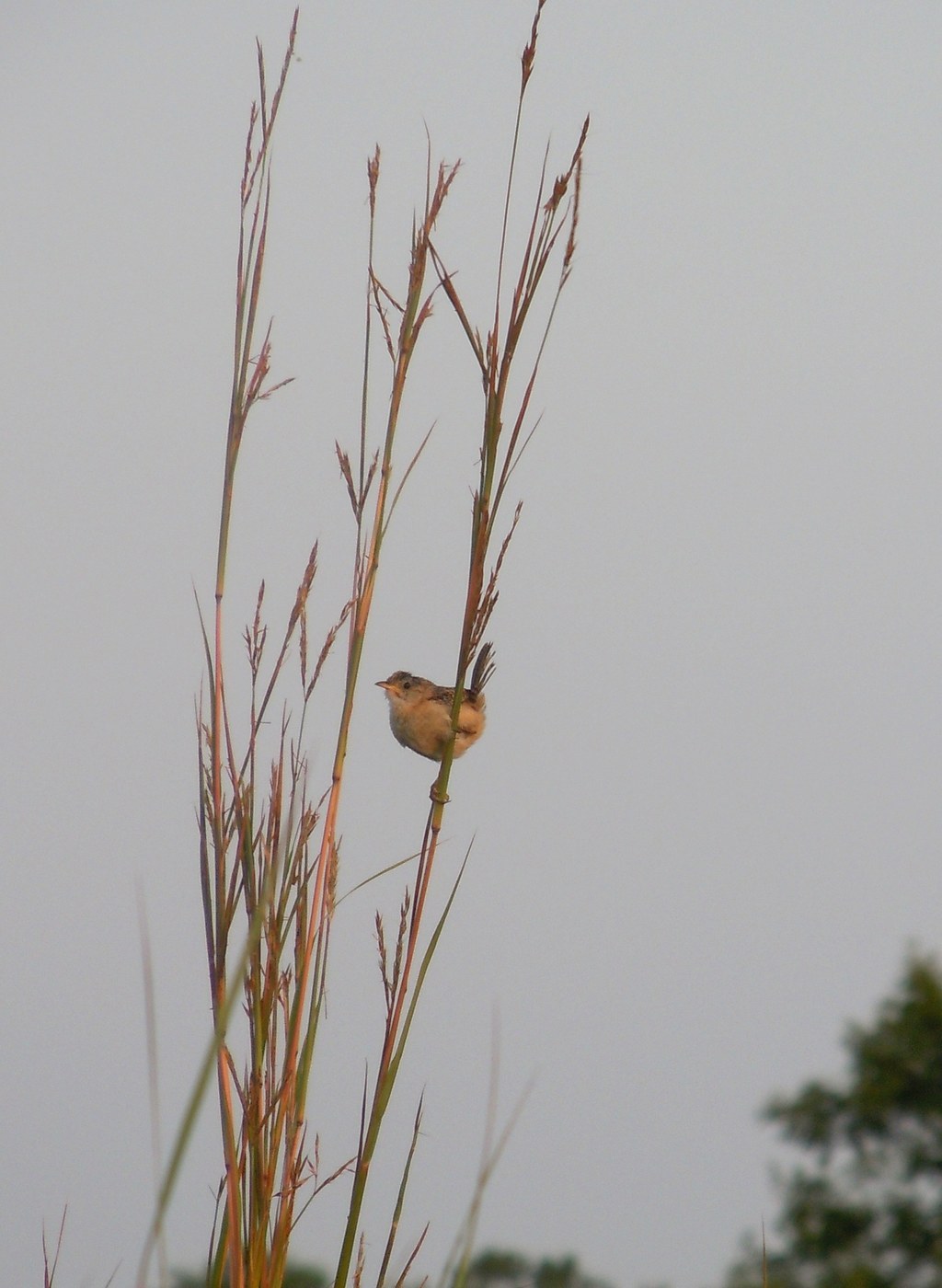
Sedge Wren
Tiny streaked crown and back feathers

Yellow-winged Cacique
Glossy black body feathers, yellow wing patch, shaggy crest

Yellow Warbler
Small contour and flight feathers
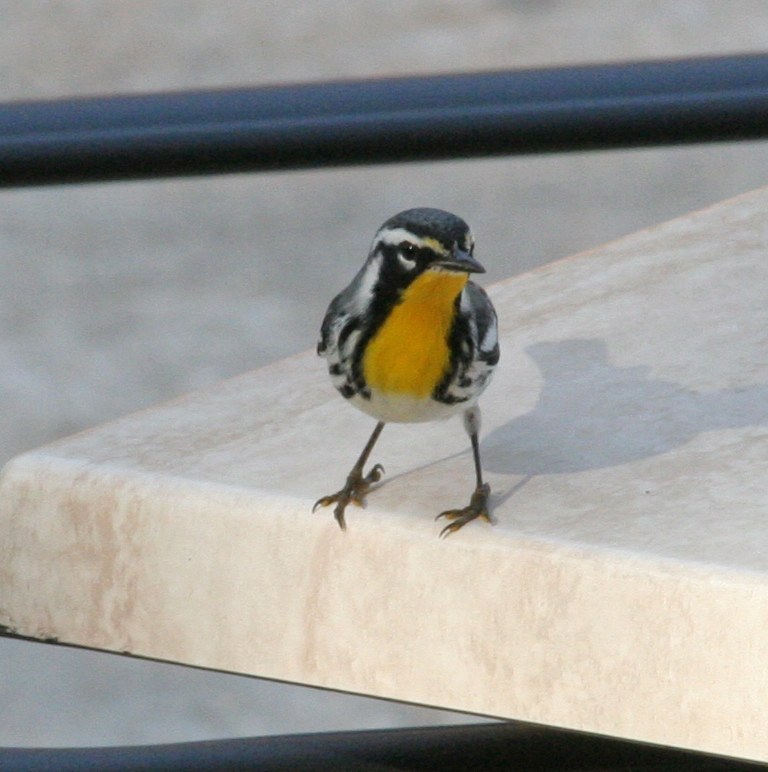
Yellow-throated Warbler
Small contour and flight feathers
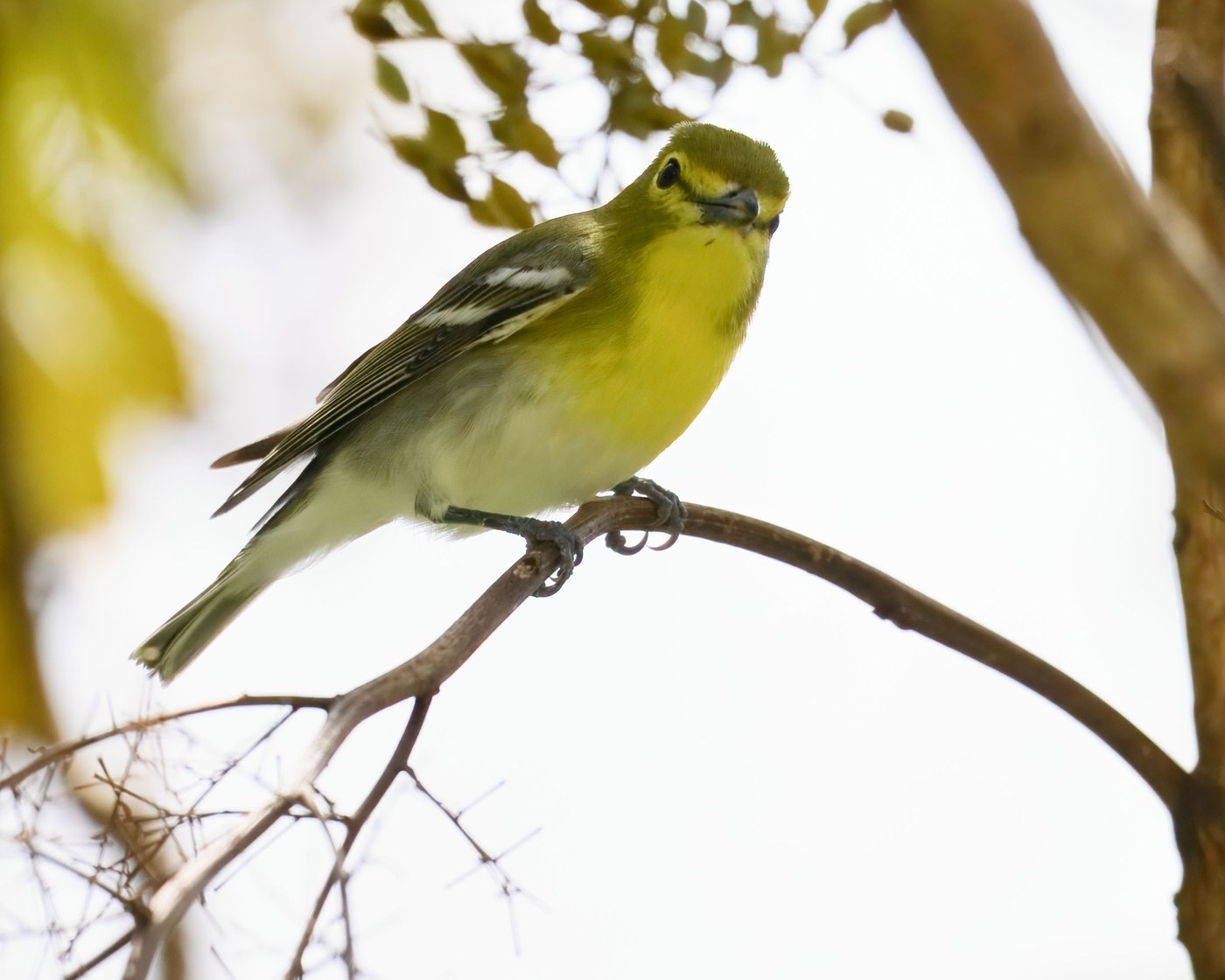
Yellow-throated Vireo
Bright yellow throat and spectacle feathers; olive-green back feathers; two white wing-bar feathers

Yellow-rumped Warbler
Small contour and flight feathers
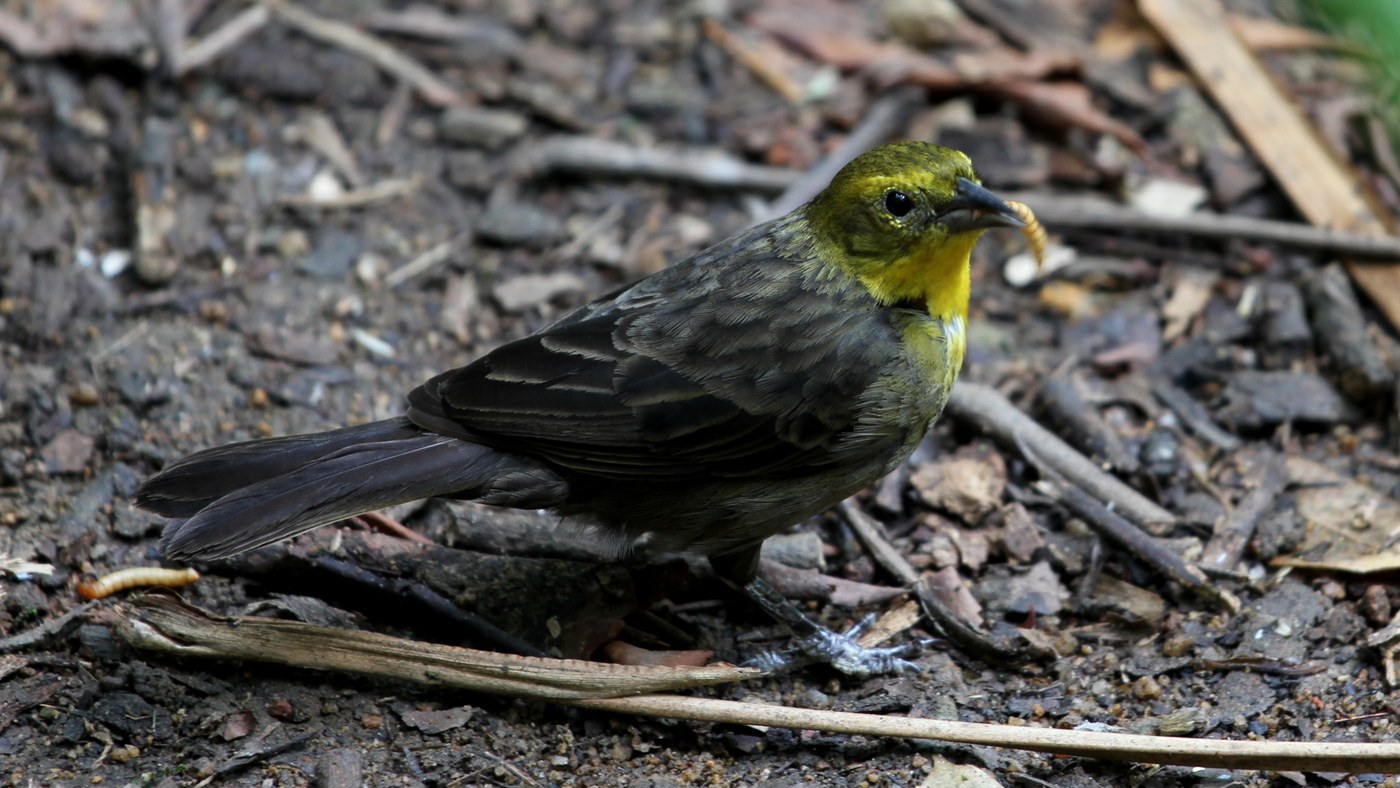
Yellow-hooded Blackbird
Contrasting hood and body feathers
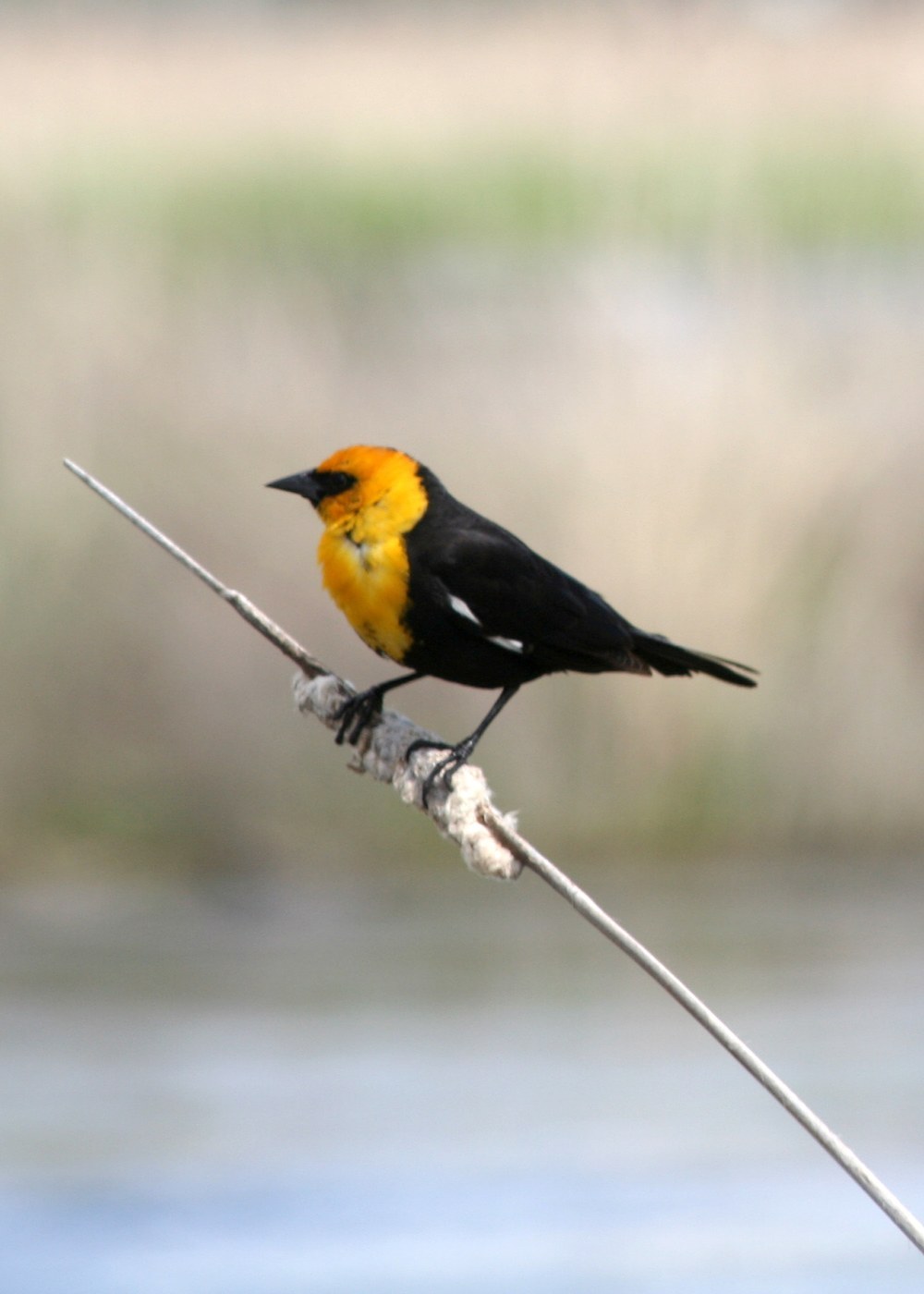
Yellow-headed Blackbird
Glossy black body plumage with a bright yellow head and breast

Yellow-eyed Junco
Contour and flight feathers

Yellow-fronted Canary
Small, smooth body plumage

Yellow-breasted Greenfinch
Compact, smooth body plumage