

Channel-billed Toucan
Ramphastos vitellinus
A widespread Amazonian toucan with a mostly dark bill and warm yellow-orange chest, common in lowland rainforest canopy.
- Feather type
- Dense, glossy contour feathers; short broad wings
- Colours
- Black body, yellow-orange bib, red undertail coverts, dark bill with pale base
- Bird size
- Crow-sized, ~48-55 cm including the large bill
Found a feather like this?
Identify any feather from a photo, free.
Overview
Overview
The Channel-billed Toucan is a common and widespread toucan across the Amazon Basin and northern South America, frequently encountered in lowland rainforest canopy. It is closely related to the Keel-billed Toucan but occupies a more southerly range with a different bill pattern.
- Widely distributed across the Amazon Basin
- Bill is darker overall than the Keel-billed Toucan's rainbow bill
- Frequently seen in small social groups moving through the canopy
Identifying the Feather
Feather Identification
Channel-billed Toucan feathers show a black body with a warm chest patch.
- Body: glossy black feathers over most of the body
- Chest and throat: yellow-orange feathers, deeper toned than the lemon-yellow of the Keel-billed Toucan
- Undertail coverts: red
- Bill: mostly dark blackish with a pale, often bluish-gray base, distinct from the vivid rainbow bill of the Keel-billed Toucan
The darker overall bill color and deeper yellow-orange chest tone are the main features separating this species from the similar Keel-billed Toucan.
Plumage & Molt
Plumage Details
Sexes look alike, both black-bodied with a yellow-orange chest and red undertail coverts. Juveniles show duller chest coloring and a less developed bill pattern. A single annual molt maintains adult plumage.
Habitat & Range
Habitat & Range
Found across the Amazon Basin and northern South America, including Brazil, the Guianas, Venezuela, and parts of the Andean foothills, inhabiting lowland and foothill tropical rainforest. It is generally resident within forested habitat.
Behavior & Field Notes
Behavior & Field Notes
Channel-billed Toucans feed mainly on fruit, supplemented by insects and occasionally small vertebrates or eggs, foraging in the forest canopy often in small groups. They nest in tree cavities. Their call is a repeated, croaking or yelping note given from the canopy. The darker bill and deep yellow-orange chest patch help distinguish this species from the brighter-billed Keel-billed Toucan in areas where ranges might otherwise cause confusion.
Frequently asked questions
How does the Channel-billed Toucan differ from the Keel-billed Toucan?
Its bill is mostly dark with a pale base, rather than the vivid rainbow pattern of the Keel-billed Toucan, and its chest patch is a deeper yellow-orange.
Where does the Channel-billed Toucan live?
Across the Amazon Basin and northern South America in lowland and foothill tropical rainforest.
Does this toucan travel in groups?
Yes, it is often seen in small social groups moving through the rainforest canopy.
What does the Channel-billed Toucan eat?
Primarily fruit, supplemented by insects and occasionally small vertebrates or eggs.
Channel-billed Toucan guides
In-depth guides for identifying and understanding Channel-billed Toucan.

Other feathers you may enjoy

Common Cuckoo
Flight and body feathers
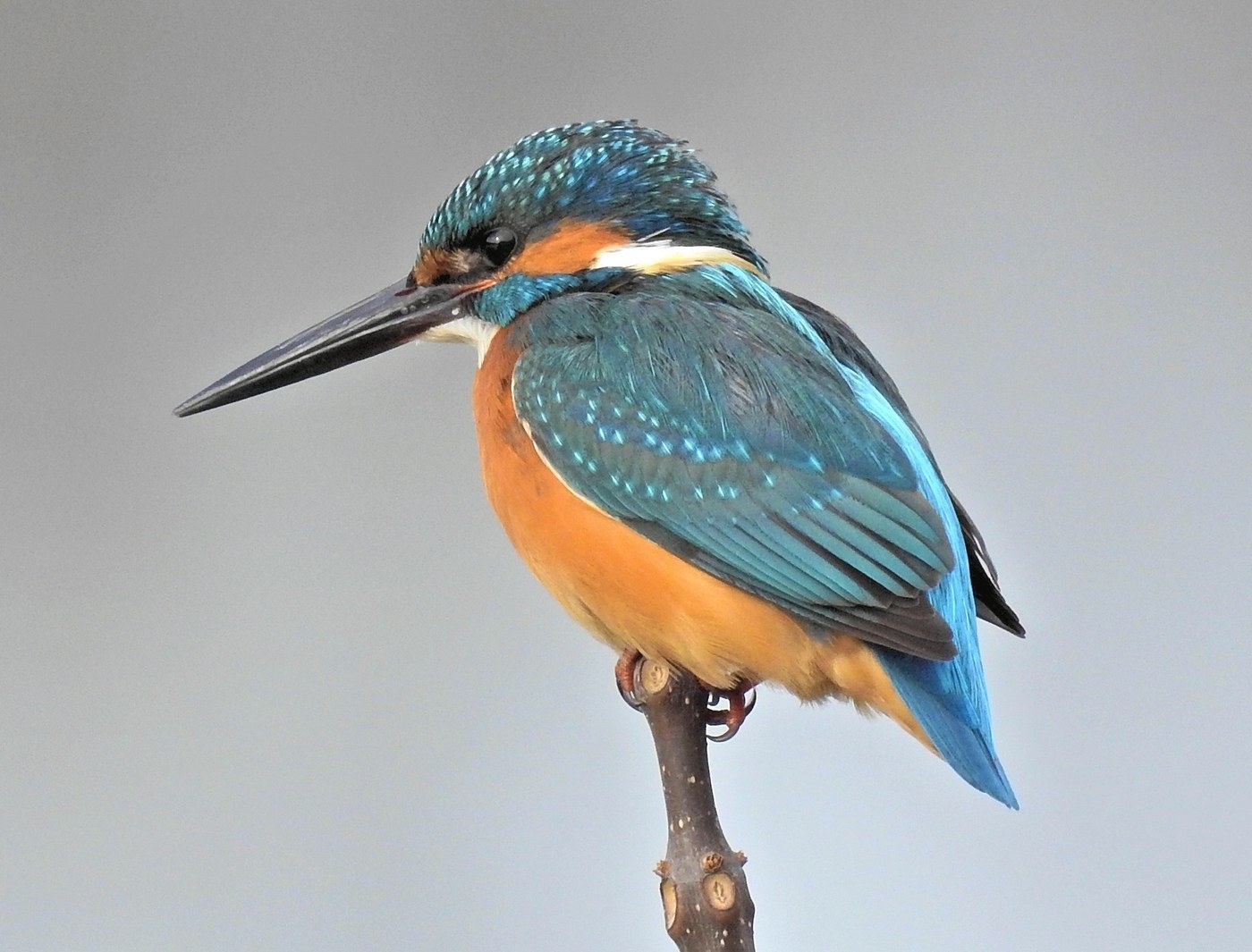
Common Kingfisher
Body (contour) and wing feathers
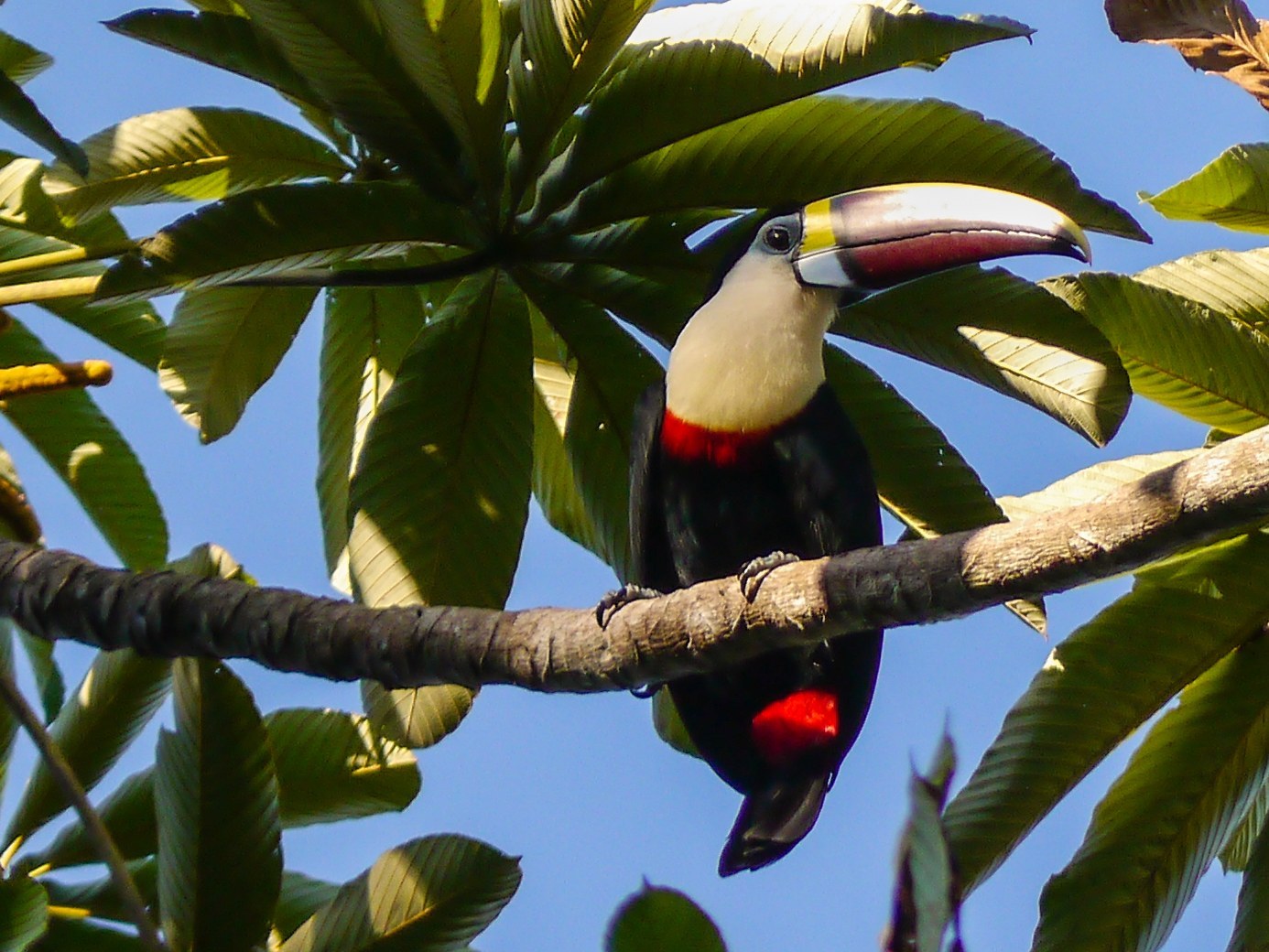
White-throated Toucan
Short rounded contour feathers, short broad wings
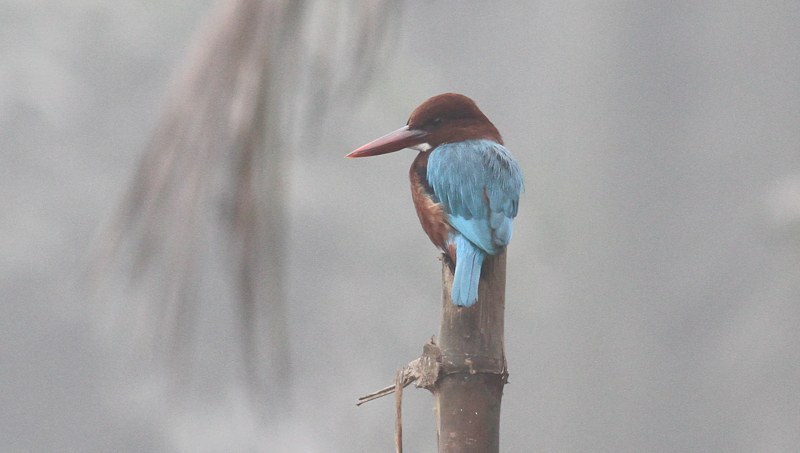
White-throated Kingfisher
Dense contour feathers; broad rounded wings

White-throated Bee-eater
Sleek, aerodynamic contour feathers; elongated central tail streamers
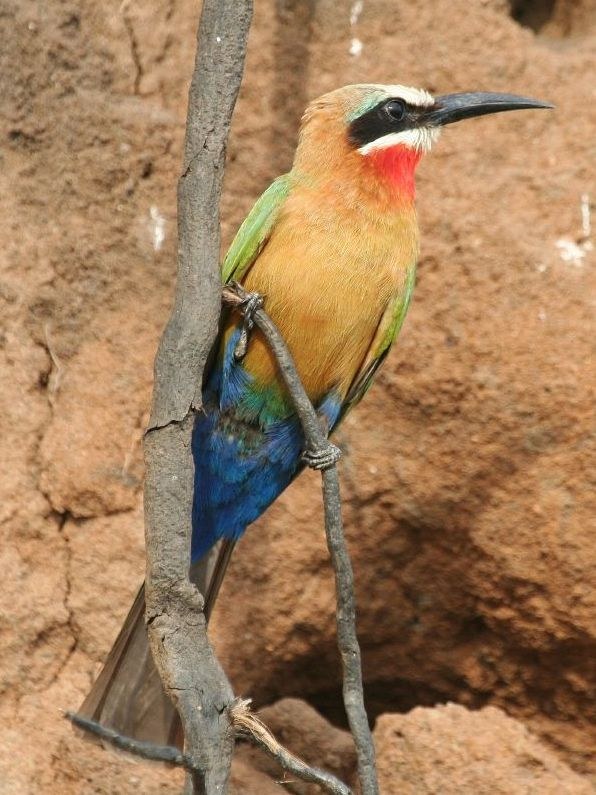
White-fronted Bee-eater
Sleek contour feathers; short tail with slight point

Southern Yellow-billed Hornbill
Slender contour feathers, moderate flight feathers
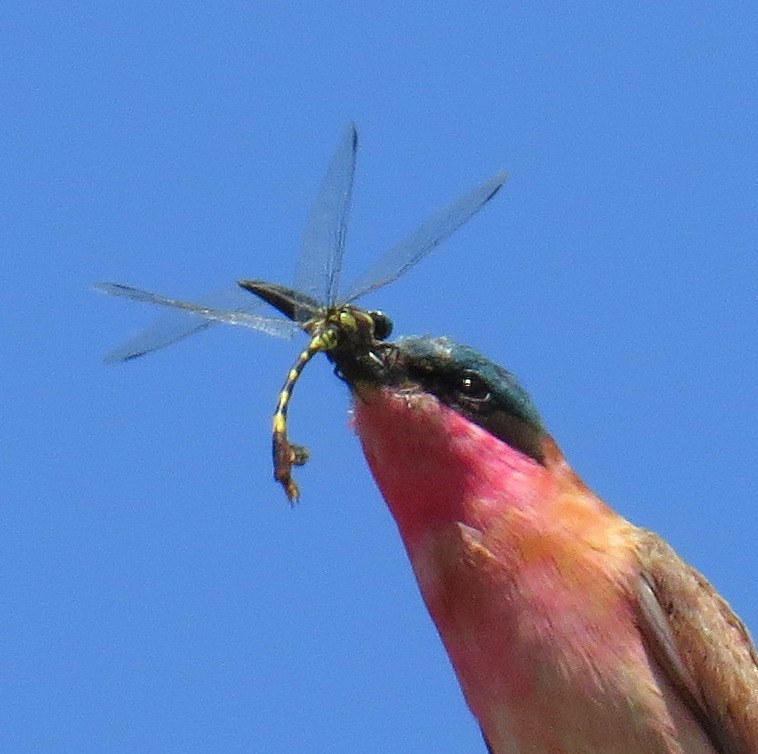
Southern Carmine Bee-eater
Sleek, pointed contour feathers; elongated central tail streamers
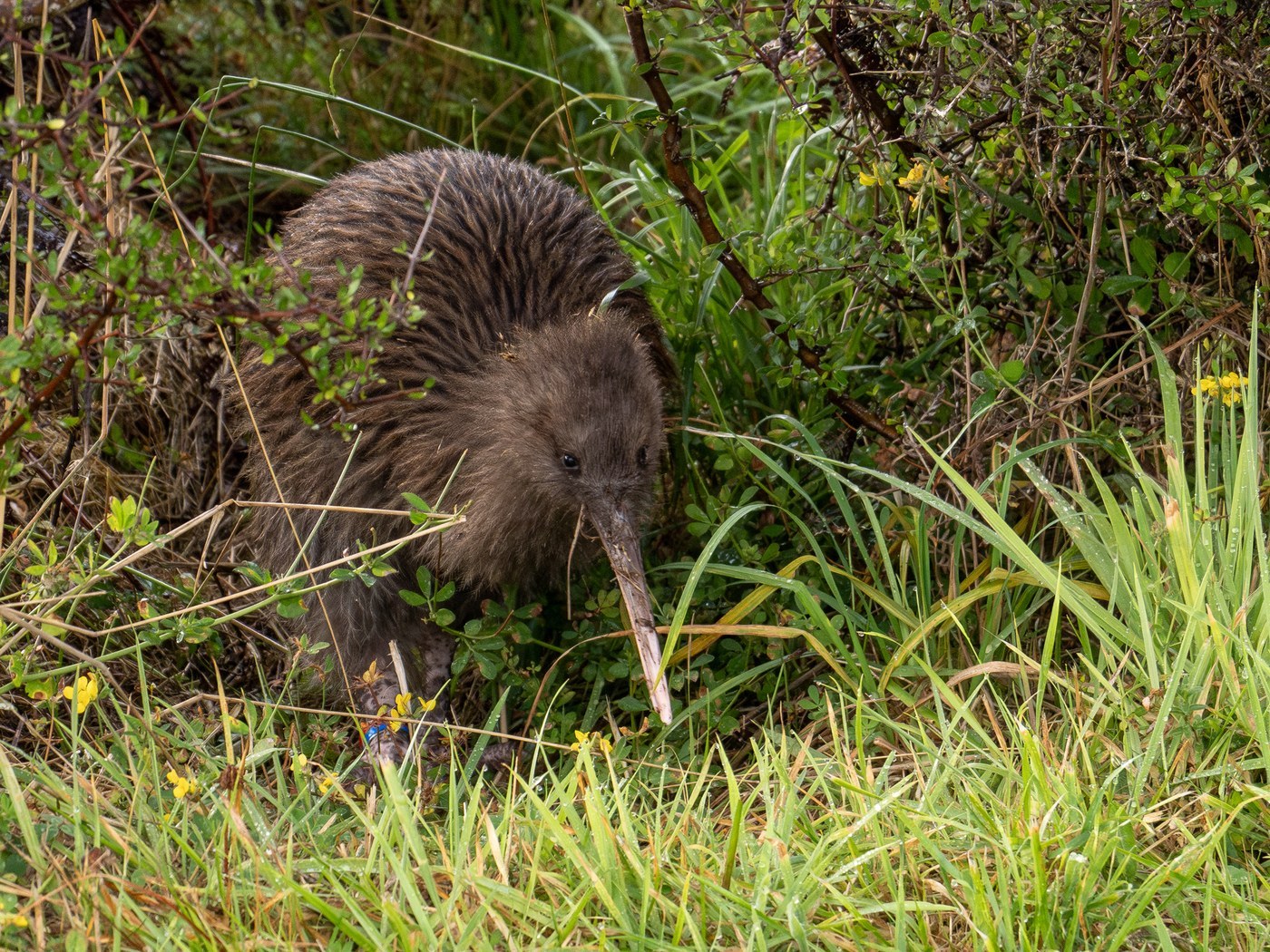
Southern Brown Kiwi
Shaggy, hair-like plumage with loose barbs lacking barbules; flightless, vestigial wings hidden beneath body feathers

Somali Ostrich
Loose, soft plumes lacking interlocking barbules

Wreathed Hornbill
Dense contour feathers, broad flight feathers

Woodland Kingfisher
Firm contour feathers; broad wing feathers