
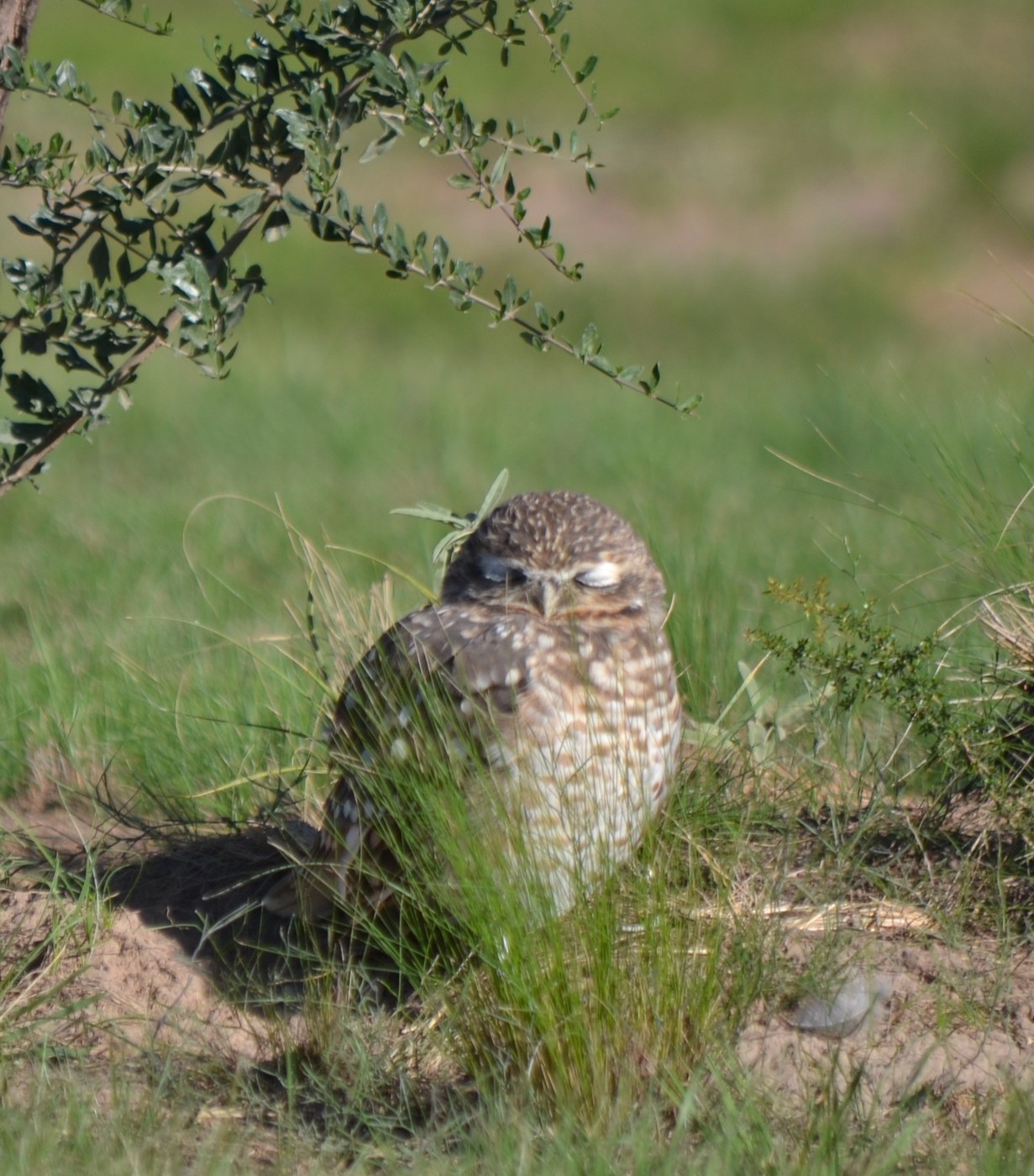
Burrowing Owl
Athene cunicularia
A small, long-legged owl of open grassland and prairie that nests underground in burrows, with brown, white-spotted plumage above and barred underparts, often active during daylight.
- Feather type
- Small rounded flight feathers; spotted/barred body feathers; long bare legs
- Colours
- Brown with white spotting above and brown barring below
- Bird size
- Small, ~19-25 cm
Found a feather like this?
Identify any feather from a photo, free.
Overview
The Burrowing Owl is a small, distinctive owl of open grasslands, prairies, and deserts across the Americas, unusual among owls for nesting underground in burrows - often ones dug by prairie dogs, ground squirrels, or tortoises rather than by the owl itself.
Unlike most owls, it is frequently active during the day, often seen standing at the entrance of its burrow on long, bare legs, bobbing its head when alert.
Its plumage is brown, marked with white spotting above and barring below, and it entirely lacks ear tufts, giving it a round-headed, ground-adapted look distinct from forest owls.
Identifying the Feather
Recognizing the feathers
- Upperside body feathers are brown with rounded white spots.
- Underside feathers show brown barring on a white to buff ground.
- Flight feathers are relatively small and rounded, suited to low, open-country flight rather than maneuvering through dense forest.
- No ear-tuft feathers are present, and the legs are notably long and only sparsely feathered compared to forest owls, an adaptation for a life spent partly on the ground.
Similar species
- Smaller size, spotted-then-barred pattern, and complete lack of ear tufts separate this species from Short-eared and Long-eared Owls, which are larger with more streaked plumage; the ground-dwelling habitat is also a strong contextual clue.
Plumage & Molt
Plumage
Adults show brown upperparts with white spotting and brown-barred whitish underparts, with pale eyebrows and bright yellow eyes. Sexes look similar, though males may appear paler from sun exposure at burrow entrances.
Juveniles show a plainer, buffier, less barred plumage than adults, especially on the underparts, and are already noted for their proportionally long legs.
Molt occurs gradually over the summer and fall months.
Habitat & Range
Habitat & range
Found in open grassland, prairie, desert scrub, and agricultural land across much of the Americas, from western Canada through the United States, Central America, and parts of South America, and on some Caribbean islands.
Northern populations are migratory, moving south for winter, while populations in warmer regions are largely resident year-round.
Behavior & Field Notes
Behavior & field notes
Nests and roosts in underground burrows, often those excavated by other burrowing mammals, and can be active by both day and night, frequently seen standing at burrow entrances.
Its diet includes insects, small mammals, and occasionally small reptiles or birds, often caught on the ground or in short flights.
Calls include a soft coo-coo song as well as harsh chattering alarm notes. A small brown feather with white spotting above and barring below, found near ground burrows in open grassland, is a strong indicator of this species.
Frequently asked questions
Why does this owl lack the dense leg feathering seen in northern owls?
Its legs are long and only sparsely feathered as an adaptation to a partly ground-dwelling, burrow-nesting lifestyle in open, often warm habitats.
Does the Burrowing Owl have ear tufts?
No, it has a rounded head with no ear tufts at all.
Is this owl active during the day?
Yes, unlike most owls it is frequently active by day as well as at night.
Where would I find this owl's feathers?
Near underground burrows in open grassland, prairie, or desert habitat, often where prairie dogs or ground squirrels are also present.
Burrowing Owl guides
In-depth guides for identifying and understanding Burrowing Owl.
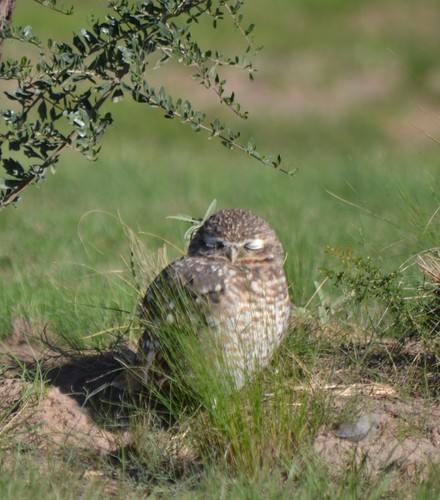
Burrowing Owl identified by the community
Real feathers identified with Feather Identifier.


Other feathers you may enjoy

Tawny Owl
Wing (flight) and body (contour) feathers
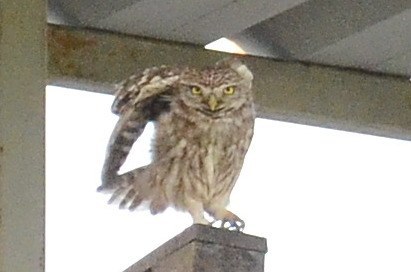
Little Owl
Wing and body feathers

Balsas Screech-Owl
Small ear-tuft feathers; soft, finely vermiculated body feathers

Blakiston's Fish Owl
Massive flight feathers with looser structure; shaggy body plumage; prominent ear-tuft feathers

Barn Owl
Wing and facial-disc feathers
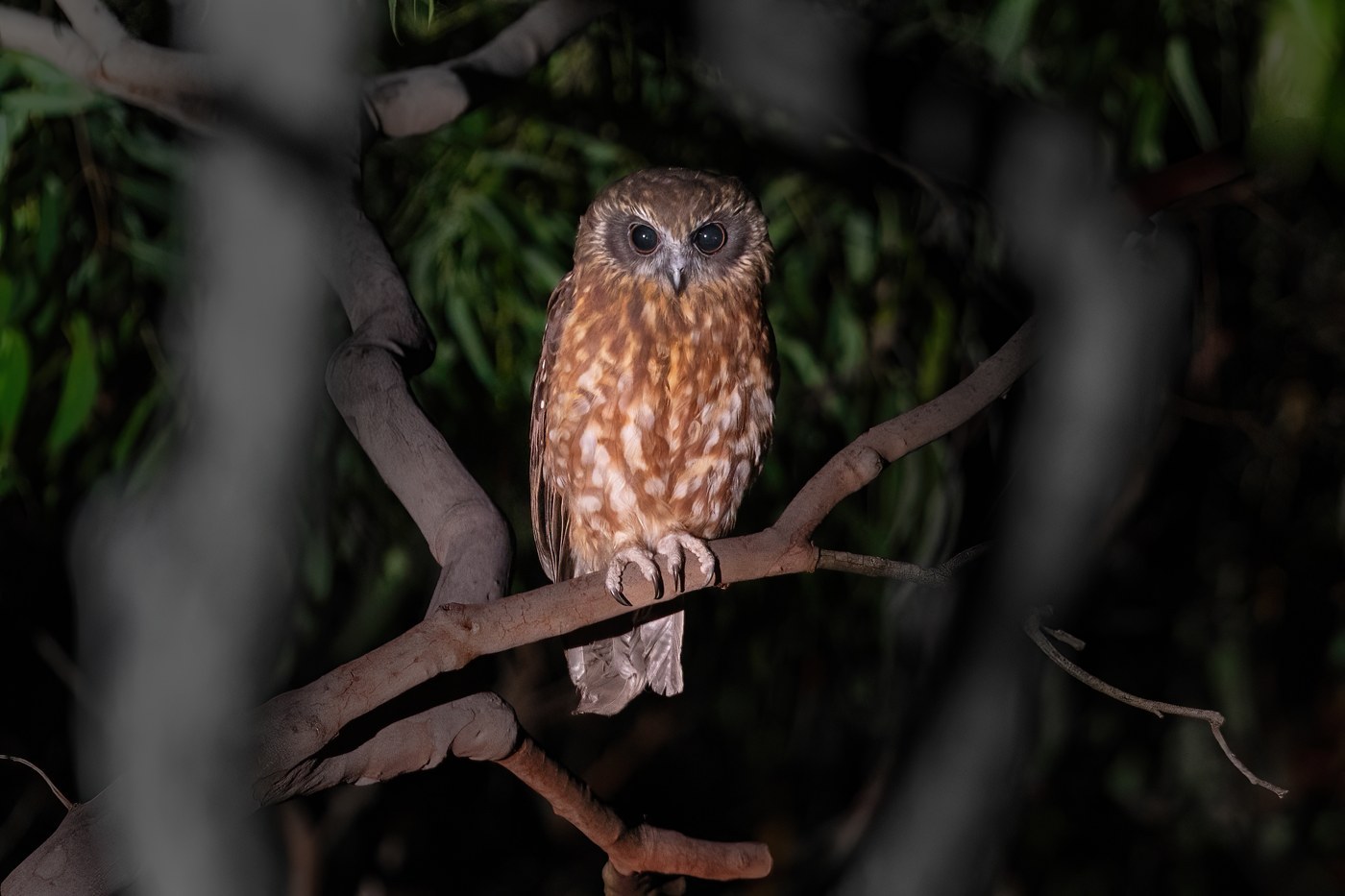
Southern Boobook
Rounded flight feathers; banded tail; spotted body plumage

Sooty Owl
Broad soft-edged flight feathers; heart-shaped facial disc feathers; finely speckled body plumage

Short-eared Owl
Broad soft-fringed flight feathers; streaked body feathers; tiny, rarely visible ear tufts

Stygian Owl
Dark, mottled flight and body feathers with long, closely-set ear tufts
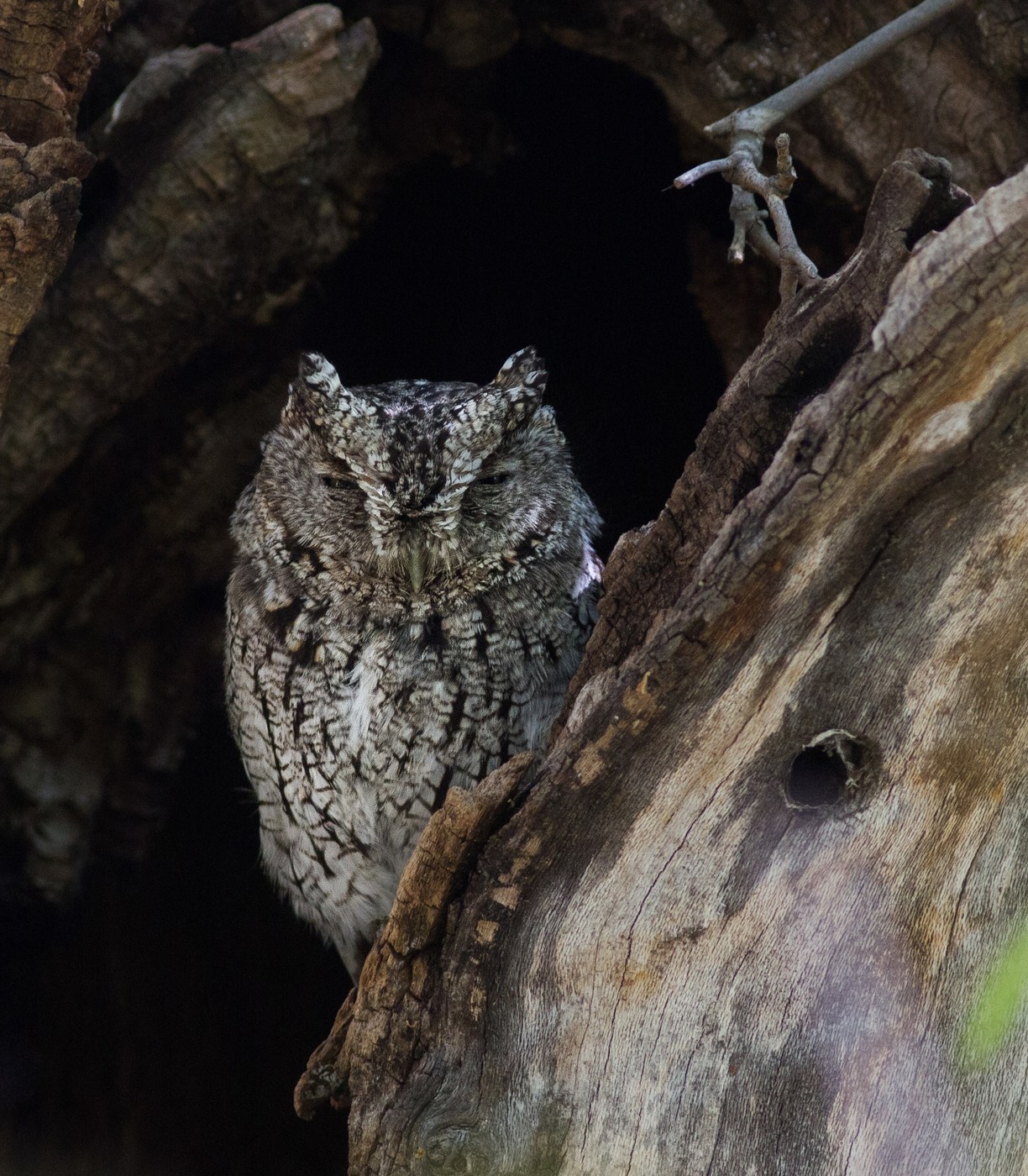
Whiskered Screech-Owl
Small soft-fringed flight feathers; finely mottled body feathers; short ear tufts
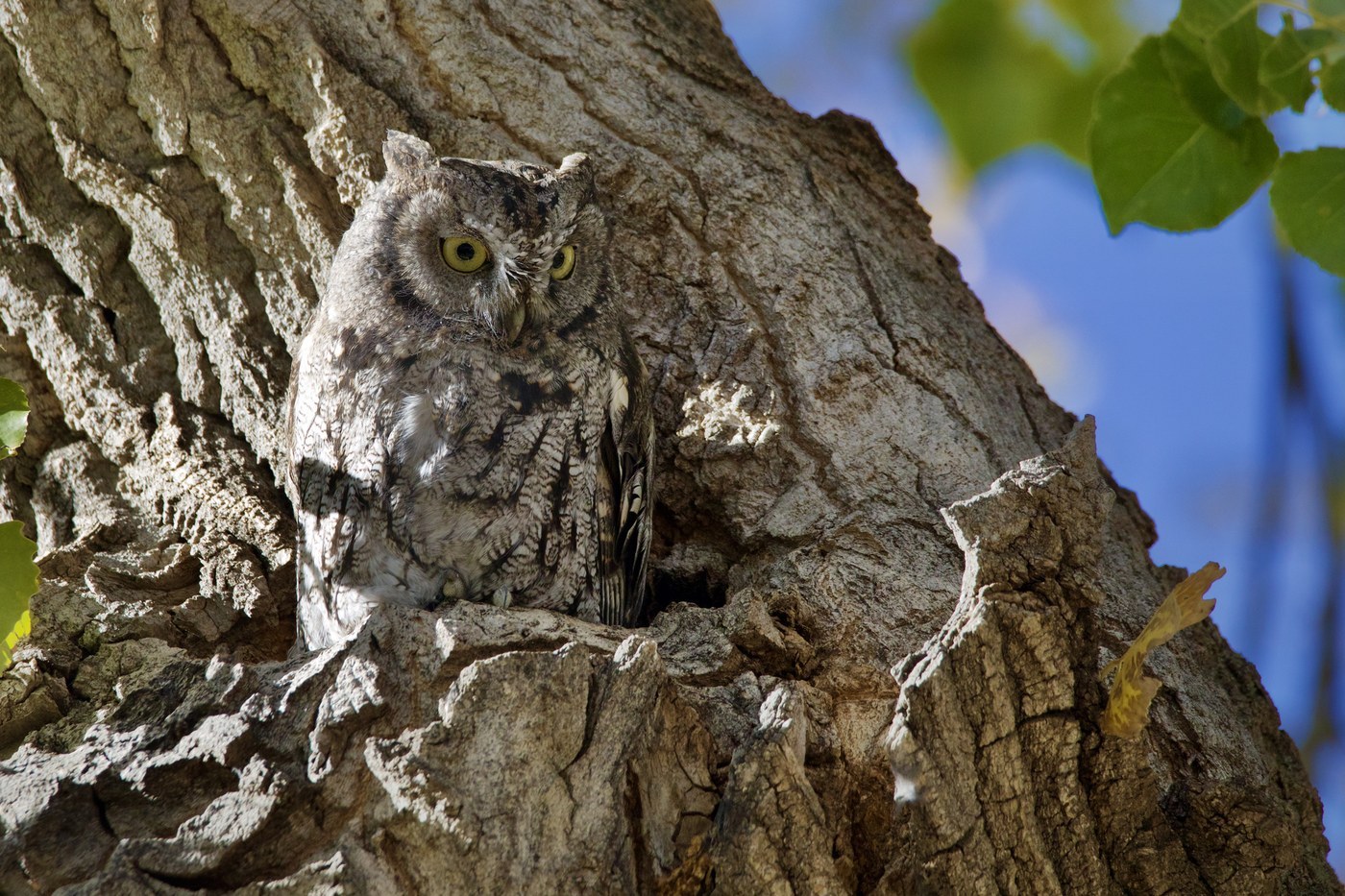
Western Screech-Owl
Small soft-fringed flight feathers; cryptic mottled/streaked body feathers; short ear tufts

White-faced Scops Owl
Small to medium flight feathers with a distinctive whitish facial disc and long ear-tuft plumes