
Bourke's Parrot
Neopsephotus bourkii
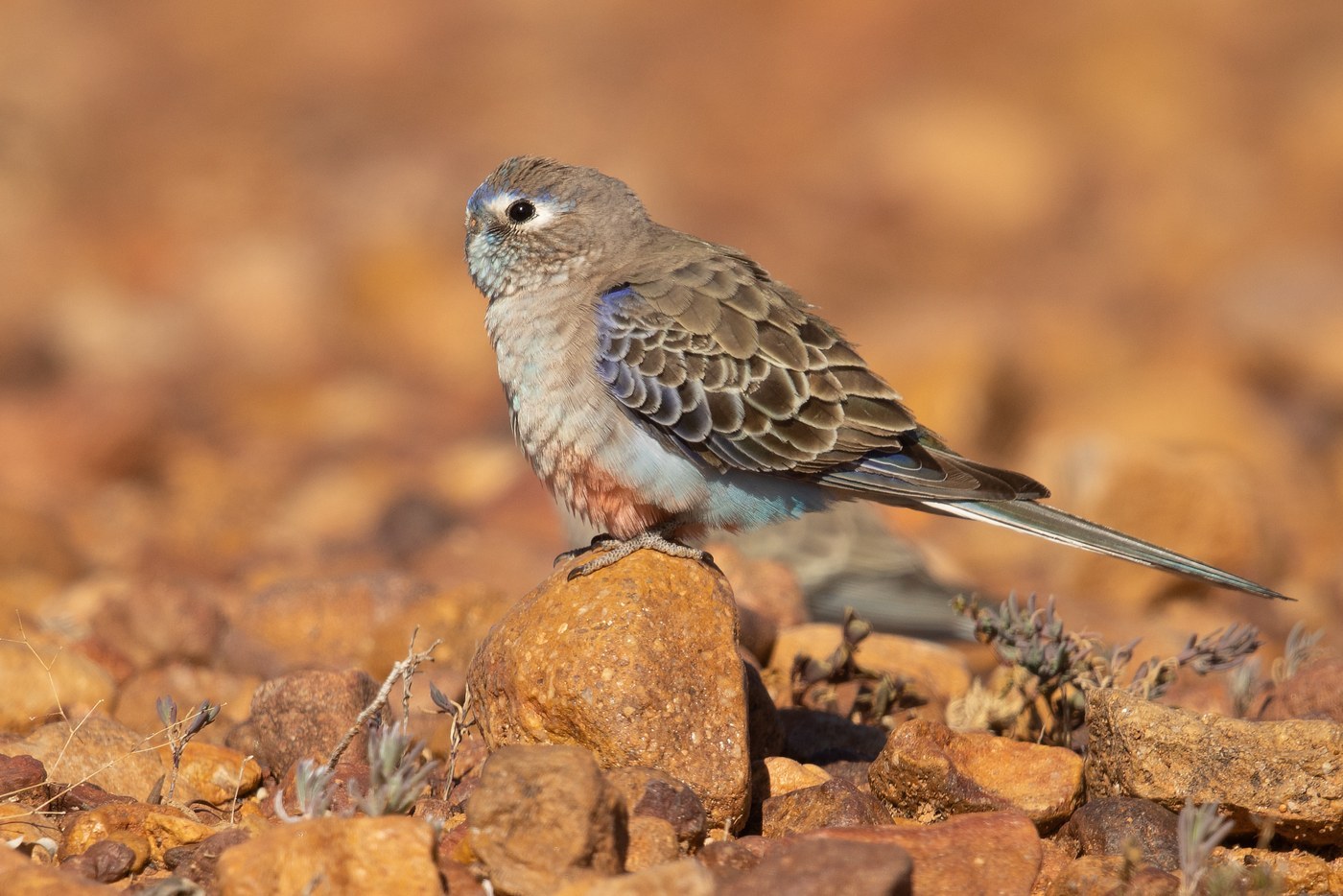
Bourke's Parrot is a small Australian parrot with unusually soft, muted coloring for a parrot, combining brown-grey upperparts with a pink-washed underside and blue wing highlights.
- Feather type
- Soft, muted contour feathers with subtle scalloped edging
- Colours
- Soft brown-grey upperparts, a pink wash on the breast and belly, and blue edging on the wings and rump
- Bird size
- Small, ~19-23 cm
Found a feather like this?
Identify any feather from a photo, free.
Overview
Overview
Bourke's Parrot inhabits the arid and semi-arid interior of Australia, favoring scrubland and open woodland. Its subdued pastel coloring is unusual among parrots and helps it blend into dry grassland and scrub habitats.
- Slim body with a fairly long tail for its size
- Coloring is muted rather than boldly saturated
- Often more active at dawn, dusk, and even into twilight
Identifying the Feather
Feather Identification
Upperpart feathers are a soft brown-grey, each often edged with a paler scalloped margin. The breast and belly show a delicate pink wash, while the rump and wing edges carry patches of blue.
- Flight feathers: Brown-grey with blue edging visible on the outer wing
- Tail feathers: Brown-grey with blue outer feathers
- Overall tone: The soft, pastel brown-pink-blue combination is unlike the saturated greens and reds of most rosellas and parrotlets in the region
The muted, scalloped brown-grey plumage combined with a pink breast wash and blue rump/wing edging is diagnostic for this species among Australian parrots.
Plumage & Molt
Sexes are similar, though females tend to show slightly less blue and a paler pink wash than males. Juveniles are duller still, with the pink and blue tones developing more fully with maturity. Molt occurs gradually through the year.
Habitat & Range
This species is adapted to arid and semi-arid scrub, mulga woodland, and open grassland across the interior of Australia. It is largely resident but can be locally nomadic, moving in response to rainfall and the resulting flush of seeding grasses.
Behavior & Field Notes
Bourke's Parrots are often described as crepuscular, being notably active around dawn and dusk and sometimes after dark, when they are less conspicuous than typical daytime parrots. They feed mainly on grass and other seeds gathered on the ground. Nesting occurs in tree hollows, with pairs sharing incubation and chick care. Calls are soft, musical, and less harsh than those of many other parrots.
Frequently asked questions
What makes Bourke's Parrot feathers unusual compared to other parrots?
Its coloring is unusually soft and pastel, combining brown-grey upperparts with a pink breast wash and blue wing/rump edging, rather than the bold, saturated colors typical of many parrots.
How does sex affect the intensity of coloring?
Females tend to show slightly less blue and a paler pink wash compared to males, though the difference is subtle.
Why might this species be described as active at unusual times?
Bourke's Parrot is notably active around dawn, dusk, and sometimes after dark, which is linked to its more muted, cryptic coloring.
Where is this species typically found in the wild?
It inhabits arid and semi-arid scrub and woodland across the interior of Australia.
Bourke's Parrot guides
In-depth guides for identifying and understanding Bourke's Parrot.
Other feathers you may enjoy
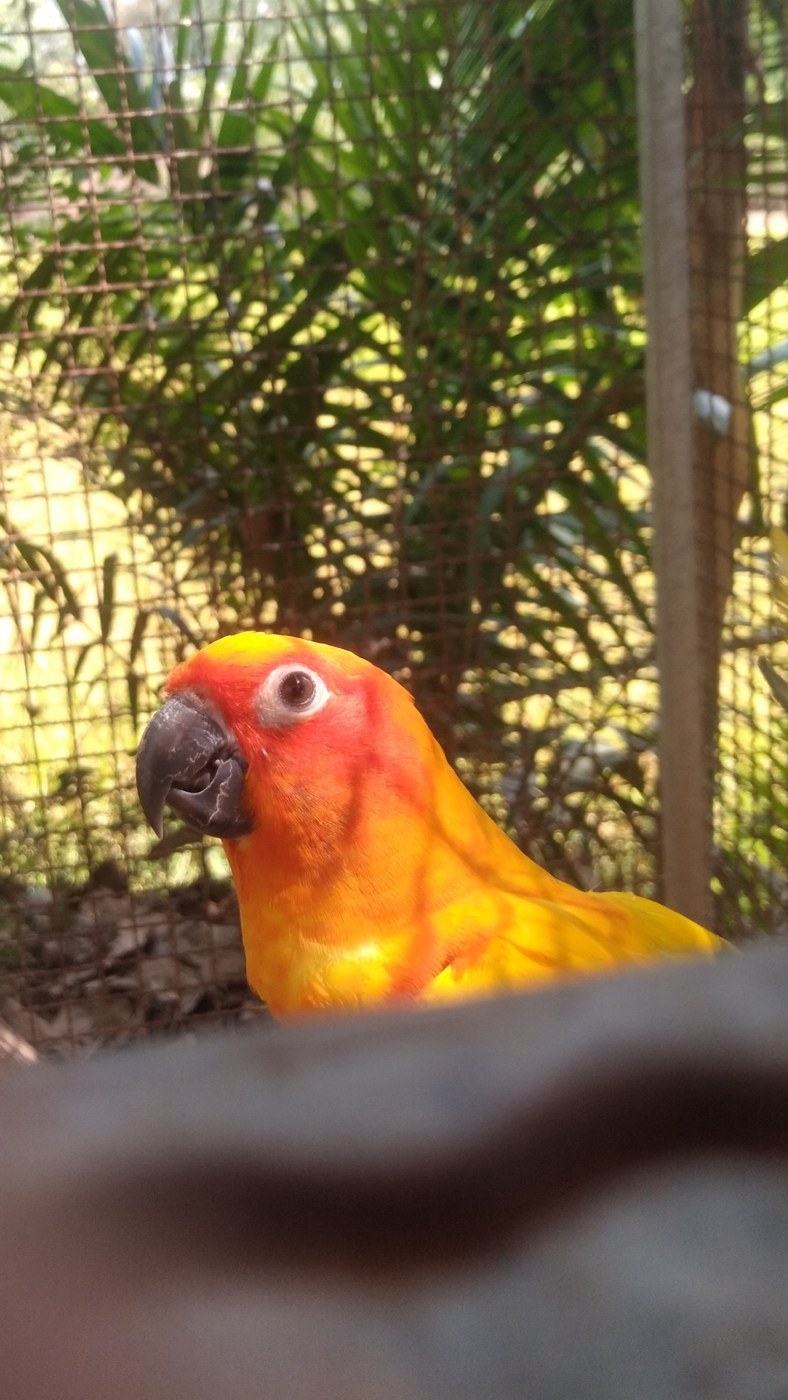
Sun Parakeet
Bright, dense body contour feathers; medium pointed tail feathers

Yellow-naped Amazon
Broad rounded contour feathers with sturdy flight feathers
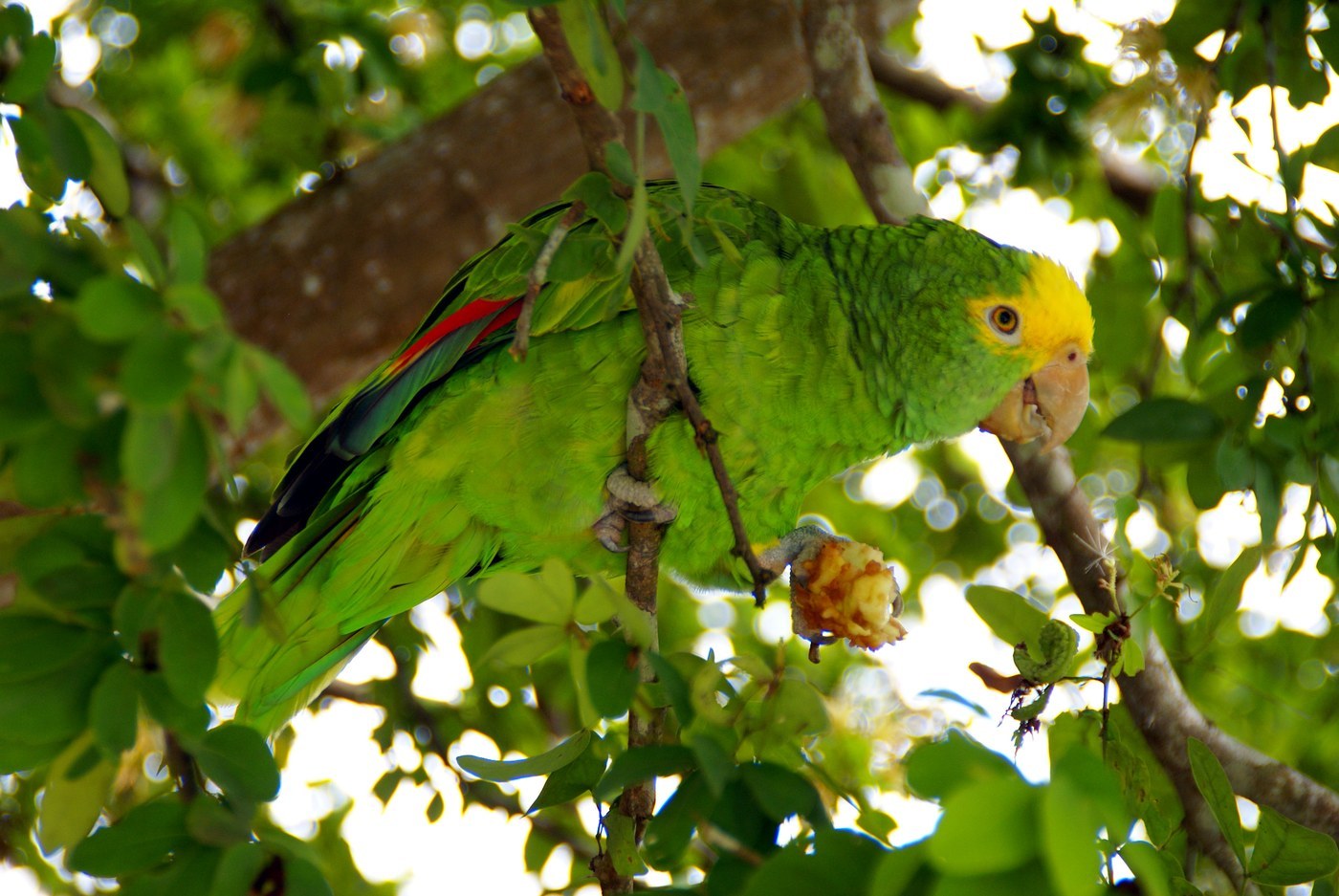
Yellow-headed Amazon
Dense, rounded body contour feathers; broad flight feathers
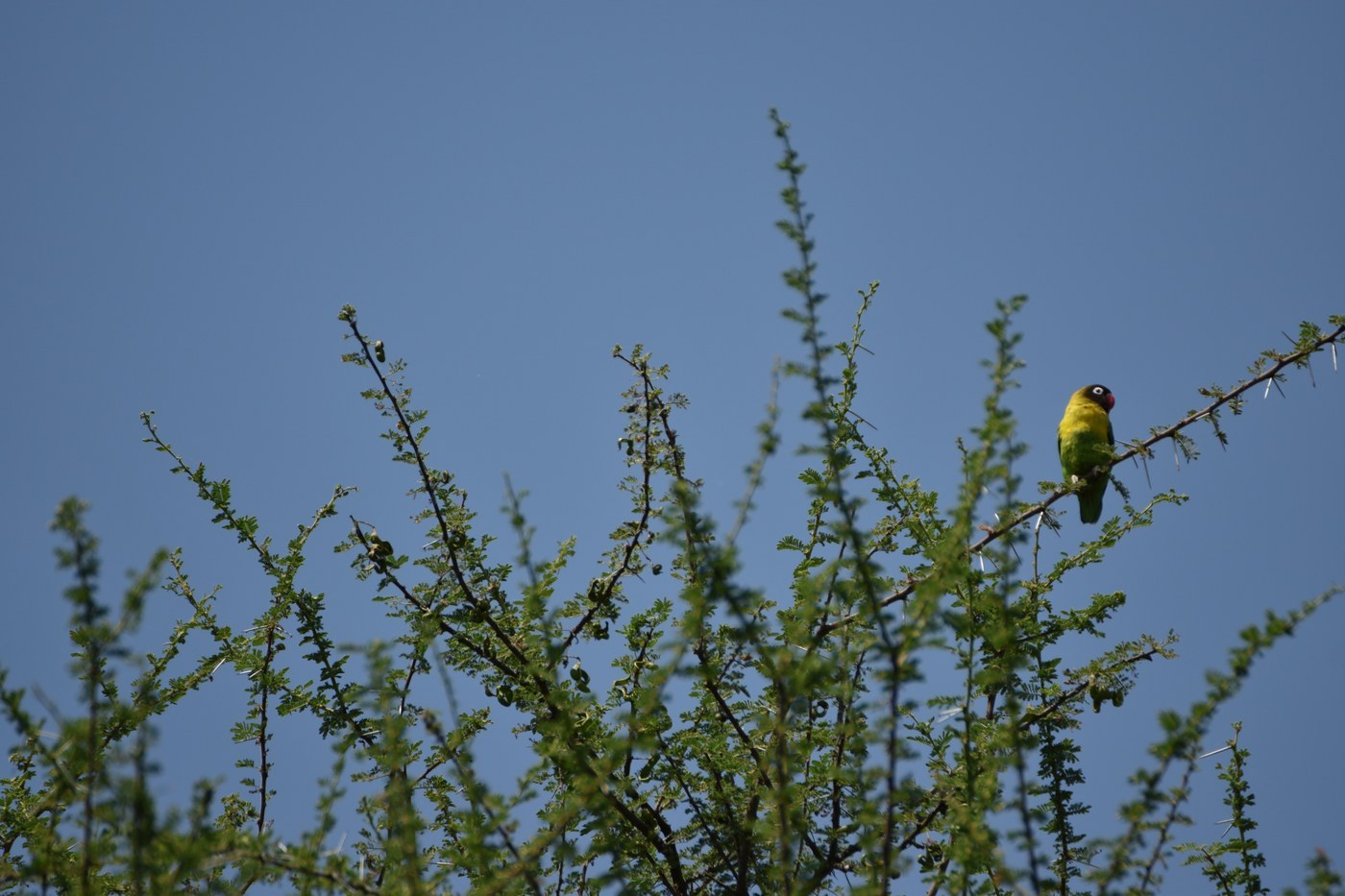
Yellow-collared Lovebird
Small compact flight feathers, short rounded tail

White-eyed Conure
Medium contour and long, graduated tail feathers

Yellow-tailed Black Cockatoo
Large, sturdy contour and flight feathers; short crest

Scarlet-chested Parrot
Small contour and flight feathers

Timneh Parrot
Broad flight feathers, scalloped body feathers with pale edges
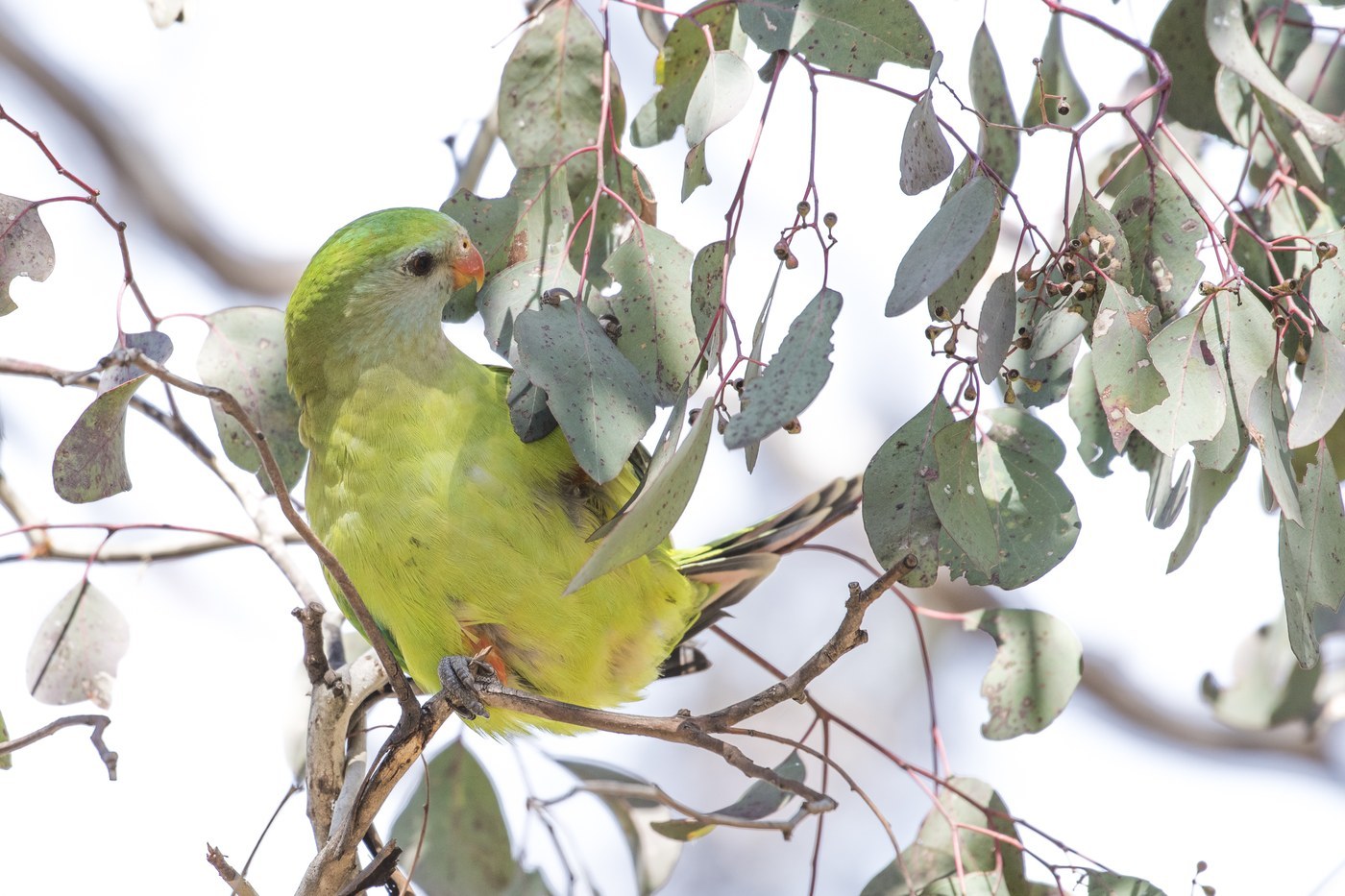
Superb Parrot
Sleek contour feathers with a long tapering tail

Red-shouldered Macaw
Compact body contour feathers; medium flight and tail feathers
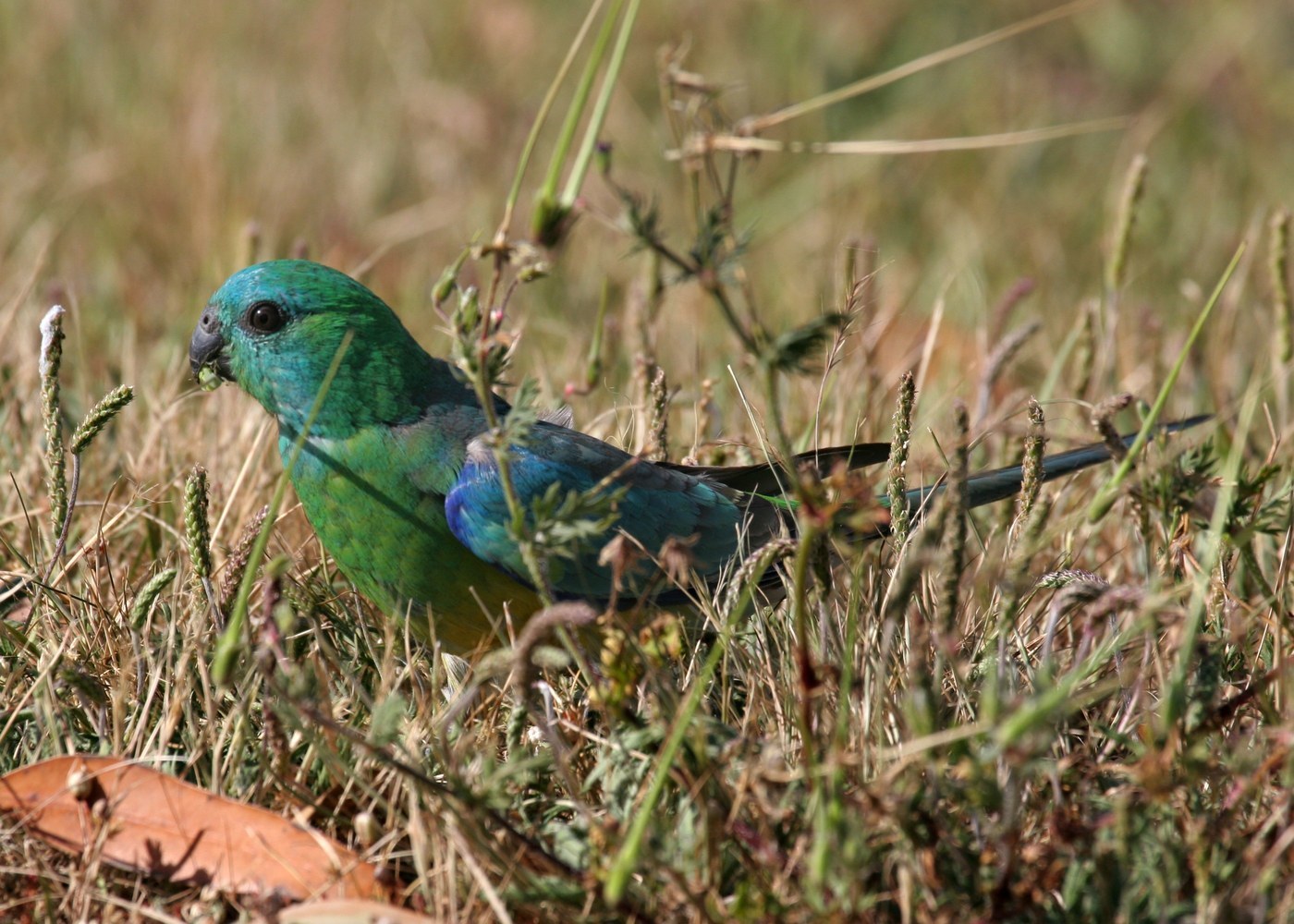
Red-rumped Parrot
Sleek contour feathers with a bright rump patch in males

White-capped Pionus
Compact contour feathers and short, squared tail feathers