

Blue-throated Macaw
Ara glaucogularis
A large blue-and-yellow macaw with a distinctive patch of blue feathers on the throat, native to a small area of seasonally flooded savanna in Bolivia.
- Feather type
- Broad flight feathers, long graduated tail
- Colours
- Bright turquoise-blue upperparts, yellow-orange underparts, blue throat patch
- Bird size
- Large, ~85 cm including tail
Found a feather like this?
Identify any feather from a photo, free.
Overview
Overview
The Blue-throated Macaw is restricted to a small region of seasonally flooded palm savanna in the Beni department of Bolivia, making it one of the more range-limited macaw species. It closely resembles the more widespread Blue-and-yellow Macaw but can be told apart by close attention to facial and throat feathering.
Its striking turquoise-blue back and wings contrast with warm yellow-orange underparts, a color combination shared with its more common relative but with subtle differences in facial pattern.
Identifying the Feather
Feather Identification
- Upperparts: Bright turquoise-blue feathers cover the back, wings, and tail, generally a cleaner, more saturated blue than the Blue-and-yellow Macaw.
- Underparts: Rich yellow-orange feathers cover the chest and belly.
- Throat patch: A patch of blue feathers extends across the throat, the key field mark that gives the species its name and separates it from the green-throated Blue-and-yellow Macaw.
- Facial skin: Bare, pale skin around the eye is crossed by fewer, more widely spaced lines of small feathers than in the Blue-and-yellow Macaw.
- Compared to similar species: The Blue-and-yellow Macaw has a green rather than blue throat and a more extensively feathered face.
Plumage & Molt
Plumage Notes
Sexes look alike, sharing the same blue-and-yellow coloring and blue throat patch. Juveniles resemble adults but have shorter tails and slightly less vivid coloring until after their first molt.
Molt proceeds gradually through the year, without a single concentrated molting season.
Habitat & Range
Habitat & Range
This species is confined to a small area of seasonally flooded savanna dotted with palm islands in northern Bolivia. It depends heavily on specific palm species for both food and nesting cavities, making its range unusually restricted compared to most macaws.
It is largely resident within its limited range, moving locally between feeding and roosting palm stands as flooding levels change through the year.
Behavior & Field Notes
Behavior & Field Notes
Blue-throated Macaws are typically seen in pairs or small family groups, feeding on palm nuts and other seeds within scattered palm islands across the savanna. They fly with the strong, direct wingbeats typical of large macaws.
Nesting occurs in natural cavities of large palm trees, and pairs appear to form long-term bonds. Their calls are loud and macaw-like, though generally less commonly heard than the more numerous Blue-and-yellow Macaw due to the species' small population and restricted range.
Frequently asked questions
How do you tell a Blue-throated Macaw from a Blue-and-yellow Macaw?
The Blue-throated Macaw has a patch of blue feathers across the throat, while the Blue-and-yellow Macaw's throat area is green rather than blue.
Where does the Blue-throated Macaw live?
It is restricted to a small area of seasonally flooded palm savanna in the Beni department of Bolivia.
What colors are Blue-throated Macaw feathers?
Turquoise-blue on the back, wings, and tail, with rich yellow-orange underparts and a distinctive blue throat patch.
Is the Blue-throated Macaw common?
No, it has one of the most restricted ranges of any macaw species, limited to a small region of Bolivia.
Blue-throated Macaw guides
In-depth guides for identifying and understanding Blue-throated Macaw.

Other feathers you may enjoy
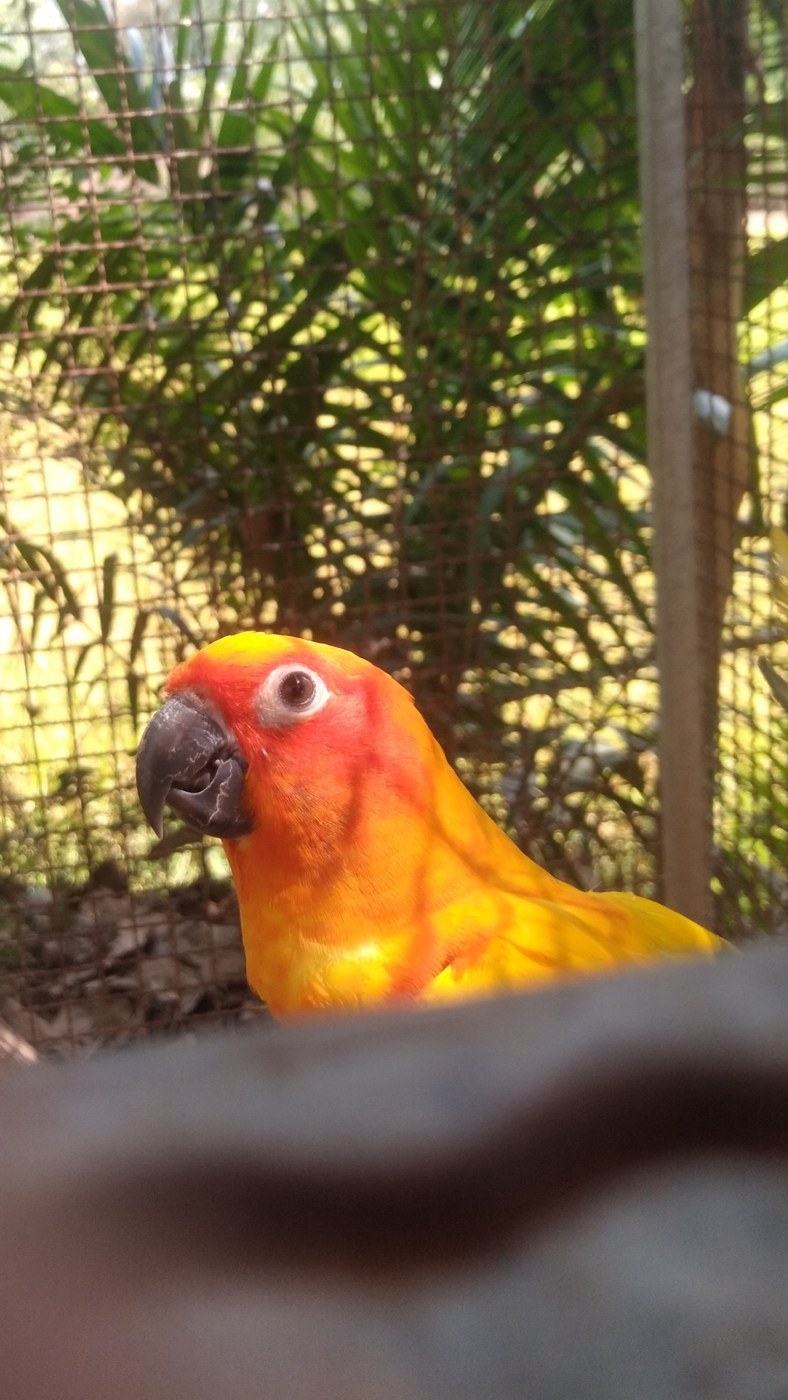
Sun Parakeet
Bright, dense body contour feathers; medium pointed tail feathers

Yellow-naped Amazon
Broad rounded contour feathers with sturdy flight feathers
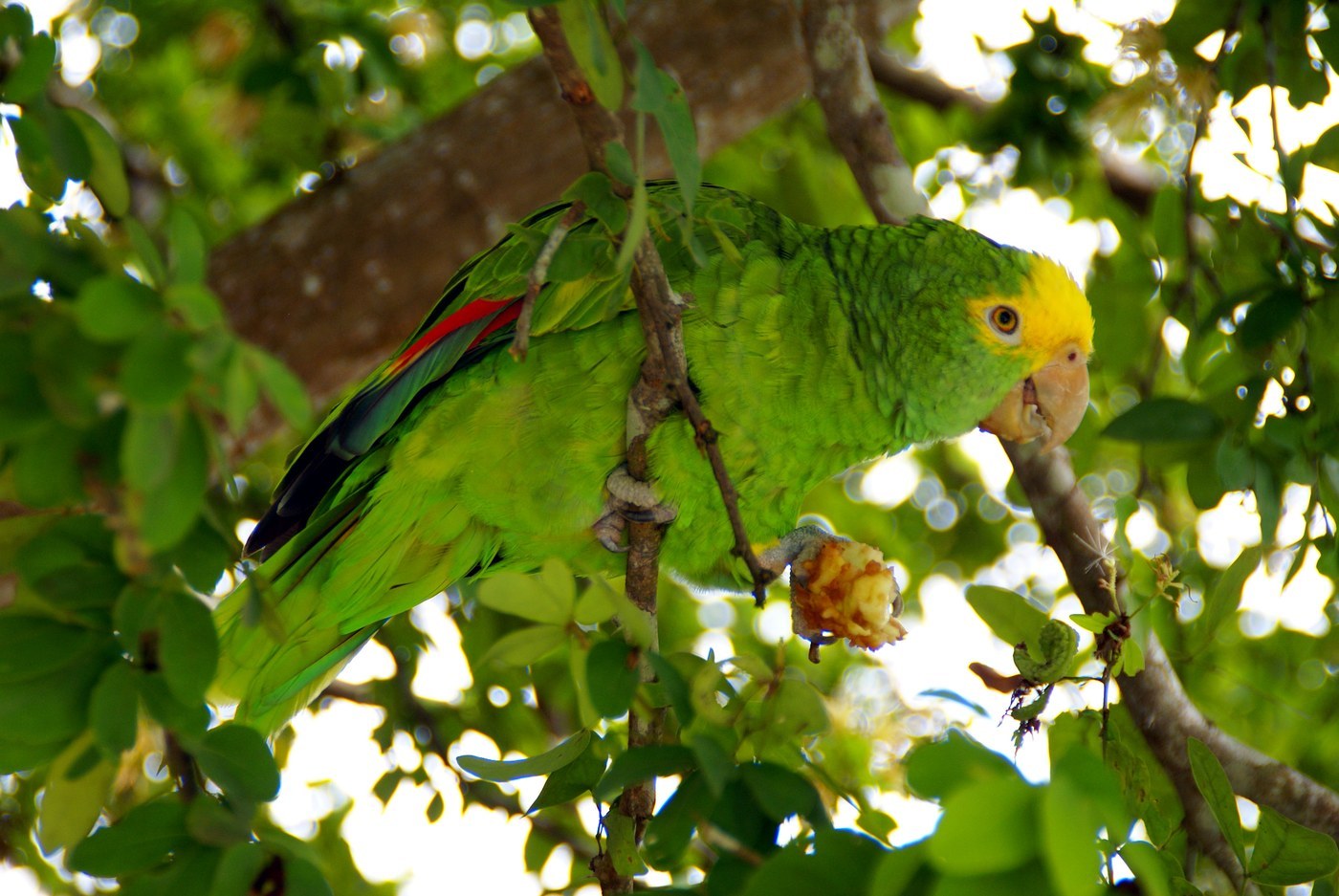
Yellow-headed Amazon
Dense, rounded body contour feathers; broad flight feathers
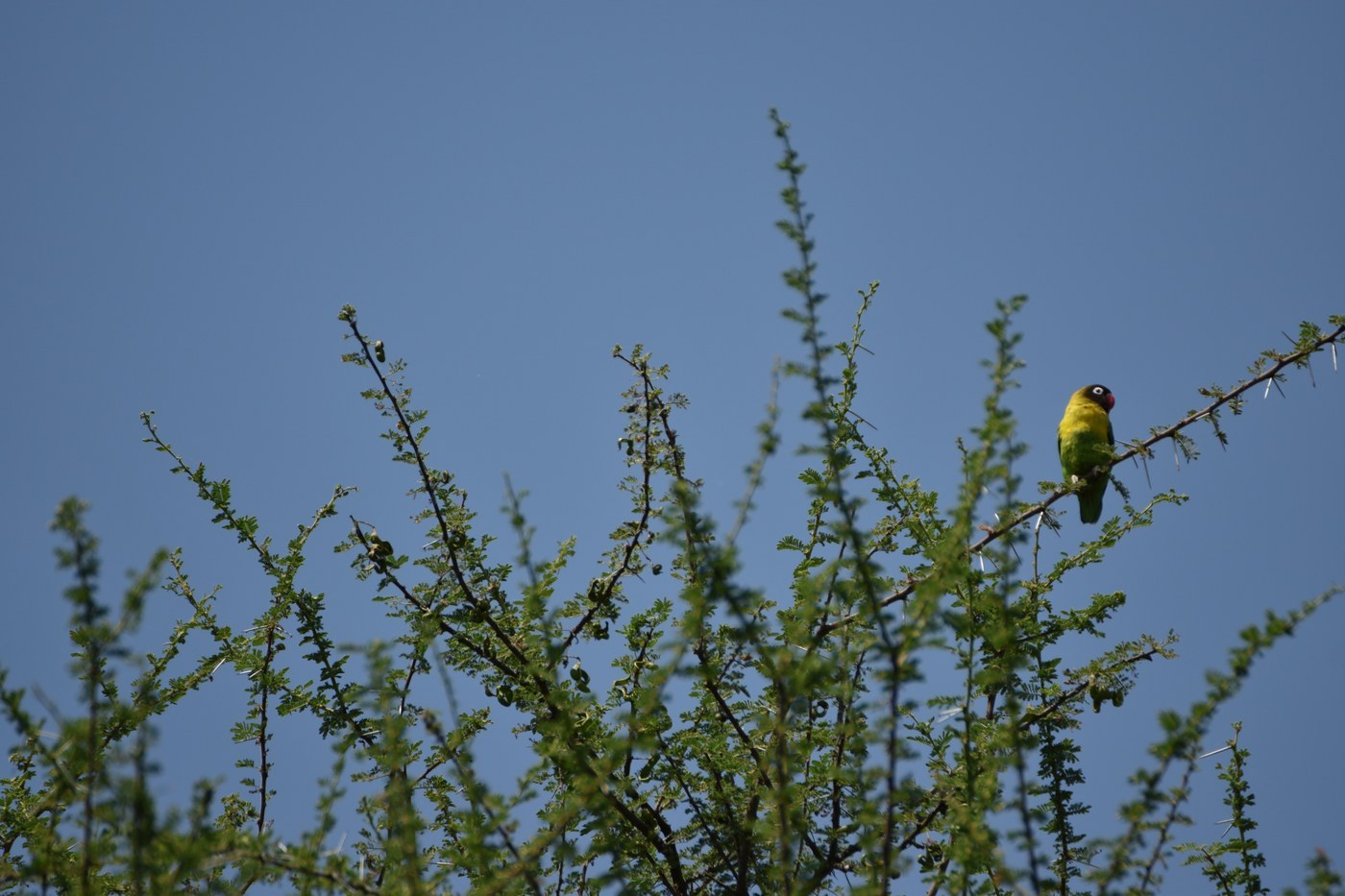
Yellow-collared Lovebird
Small compact flight feathers, short rounded tail

White-eyed Conure
Medium contour and long, graduated tail feathers

Yellow-tailed Black Cockatoo
Large, sturdy contour and flight feathers; short crest

Scarlet-chested Parrot
Small contour and flight feathers

Timneh Parrot
Broad flight feathers, scalloped body feathers with pale edges
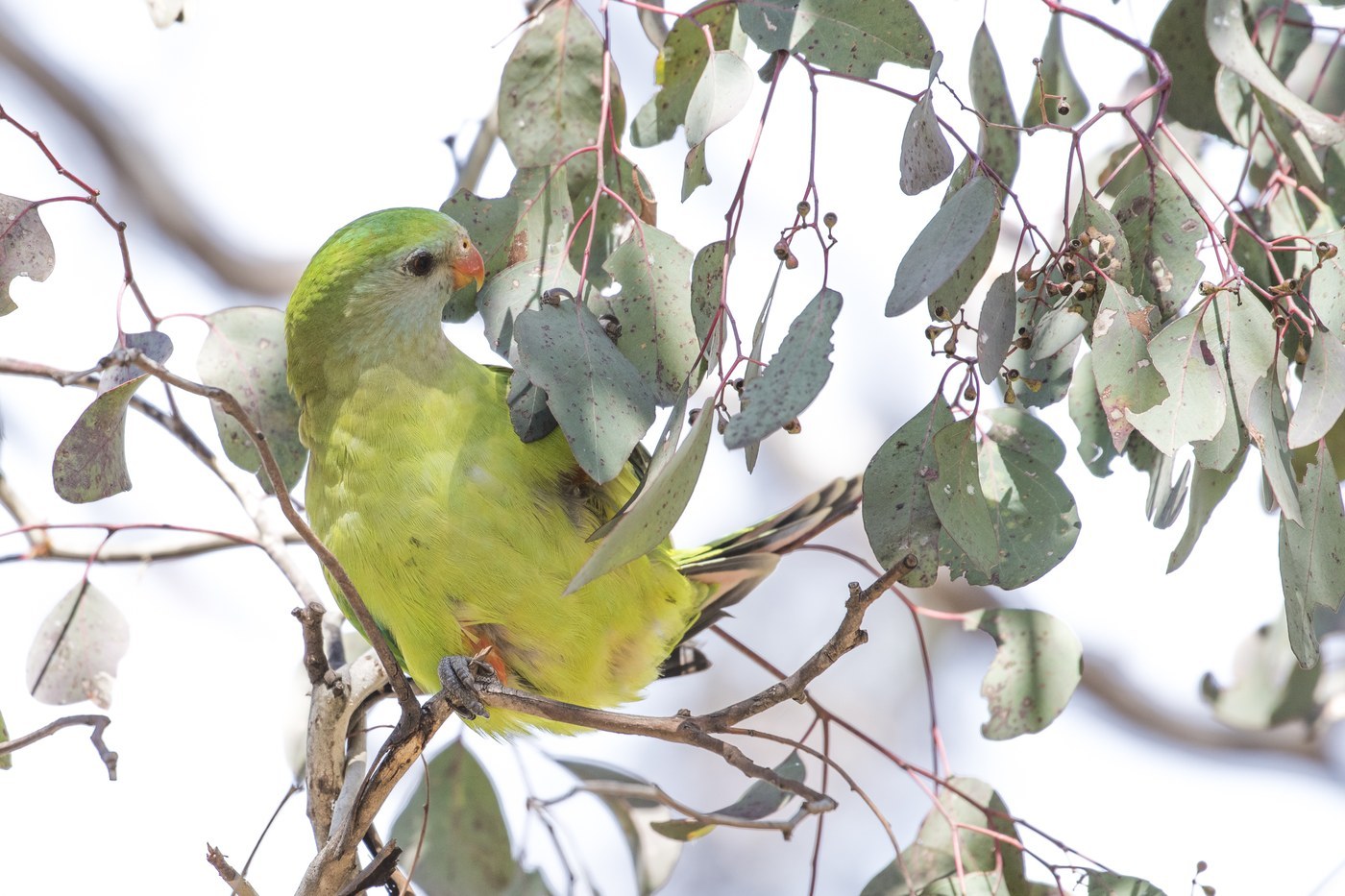
Superb Parrot
Sleek contour feathers with a long tapering tail

Red-shouldered Macaw
Compact body contour feathers; medium flight and tail feathers
Red-rumped Parrot
Sleek contour feathers with a bright rump patch in males

White-capped Pionus
Compact contour feathers and short, squared tail feathers