
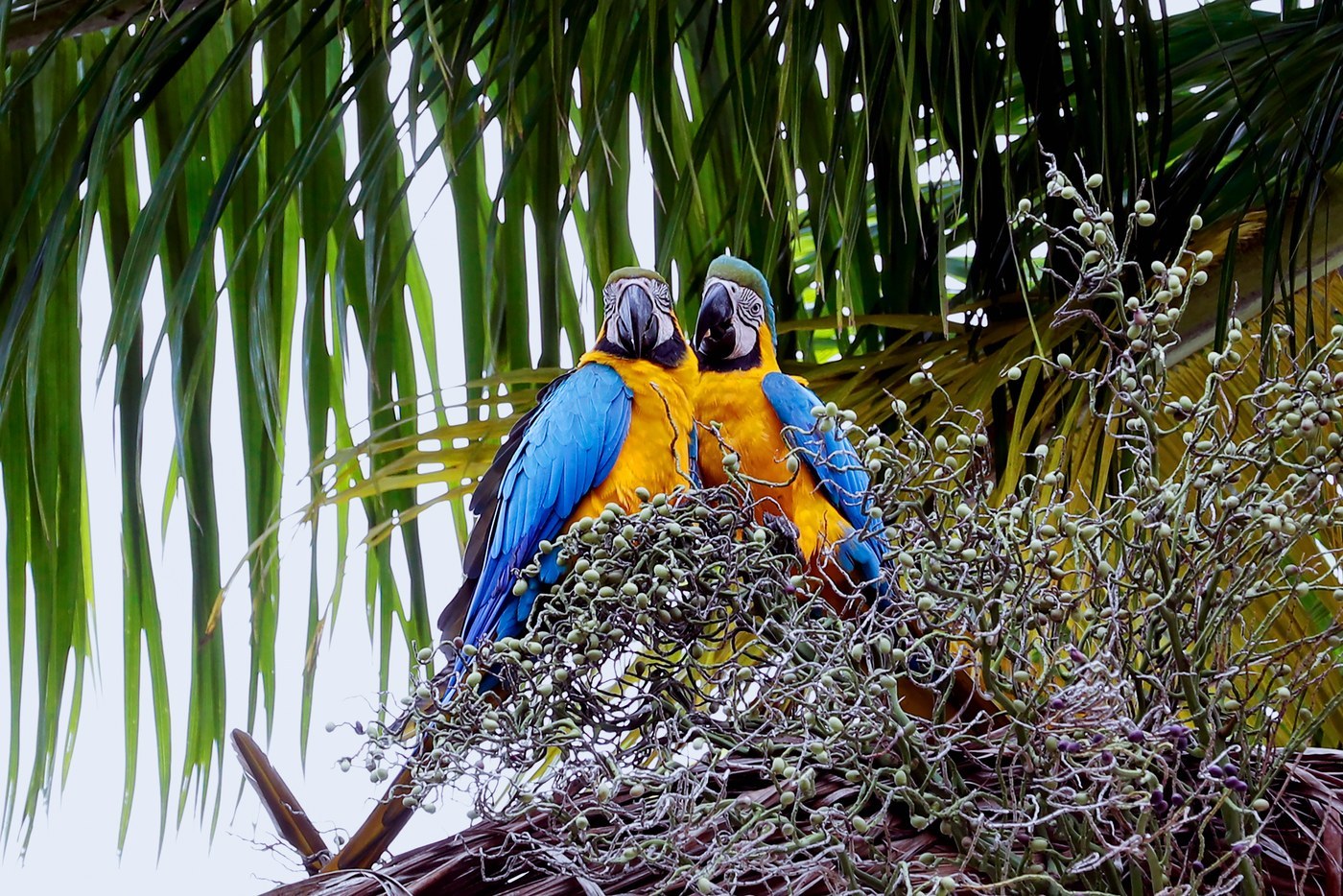
Blue-and-yellow Macaw
Ara ararauna
A large, brilliantly two-toned macaw with deep blue upperparts and golden-yellow underparts, a green forehead patch, and bare white facial skin crossed by narrow lines of small feathers.
- Feather type
- Large, broad flight and tail feathers; bare facial skin with fine feather lines
- Colours
- Blue upperparts and golden-yellow underparts with a green forehead
- Bird size
- Large macaw, ~80-86 cm including tail
Found a feather like this?
Identify any feather from a photo, free.
Overview
The Blue-and-yellow Macaw is widespread across tropical lowland South America, extending into parts of Central America and Panama, where it inhabits rainforest, forest edge, and palm swamp habitat. It is among the most recognizable of the large macaws due to its bold two-tone coloration, and its long, broad tail and powerful build reflect its status as one of the larger parrot species in its range.
Identifying the Feather
The crown and back of the neck show a narrow band of green feathers grading into deep blue across the back, wings, and tail. The underparts, including the throat, breast, and belly, are golden-yellow, creating a sharp contrast with the blue upperparts. The face is largely bare white skin, crossed by fine rows of small dark feathers forming thin lines, a pattern unique to macaws of this genus. The tail is long, broad at the base, and tapered, blue above with a yellow underside. Flight feathers are long and strong, built for powerful, direct flight typical of large macaws, and the wing linings show yellow matching the body underparts.
Plumage & Molt
Sexes are alike in plumage, with no reliable visual difference between males and females. Juveniles resemble adults in overall pattern but show a shorter tail and slightly duller coloration, with adult-length tail feathers and full color intensity developing over the first couple of years through successive molts.
Habitat & Range
This species occupies tropical lowland rainforest, forest edge, savanna woodland, and palm swamp across much of northern and central South America, with a range extending into Central America and Panama. It is largely non-migratory, though flocks make regular daily movements between roosting and feeding areas, and some populations shift locally with fruiting seasons.
Behavior & Field Notes
Blue-and-yellow Macaws feed on fruit, seeds, nuts, and palm fruit, using their large, powerful bills to access tough-shelled food sources. Nests are placed in large tree cavities, particularly in tall emergent trees or palms. Pairs typically remain together and are often seen flying in twos or small groups between feeding and roosting sites. Calls include loud, harsh, far-carrying squawks and screeches, among the loudest calls of any parrot, given frequently in flight.
Frequently asked questions
What color are Blue-and-yellow Macaw feathers?
Deep blue on the upperparts and golden-yellow on the underparts, with a green patch on the forehead.
What is the bare facial skin on this macaw like?
Mostly white, crossed by narrow rows of small dark feathers forming fine lines, a pattern typical of large macaws.
Where does the Blue-and-yellow Macaw live?
In tropical rainforest, forest edge, and palm swamp across much of South America, extending into Central America and Panama.
Do juvenile Blue-and-yellow Macaws look different from adults?
Yes, juveniles have a shorter tail and slightly duller coloration until they mature over the first couple of years.
Blue-and-yellow Macaw guides
In-depth guides for identifying and understanding Blue-and-yellow Macaw.
Blue-and-yellow Macaw identified by the community
Real feathers identified with Feather Identifier.


Other feathers you may enjoy
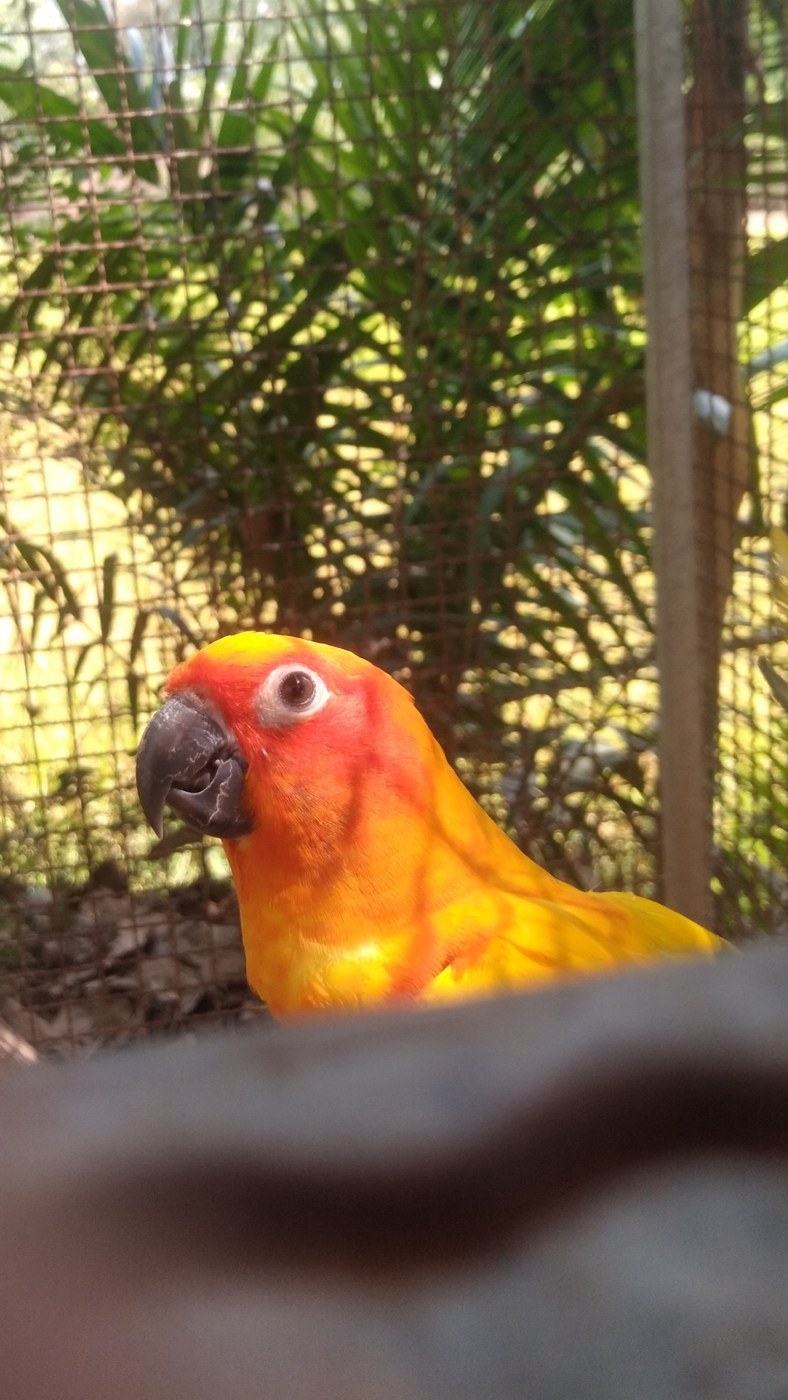
Sun Parakeet
Bright, dense body contour feathers; medium pointed tail feathers

Yellow-naped Amazon
Broad rounded contour feathers with sturdy flight feathers
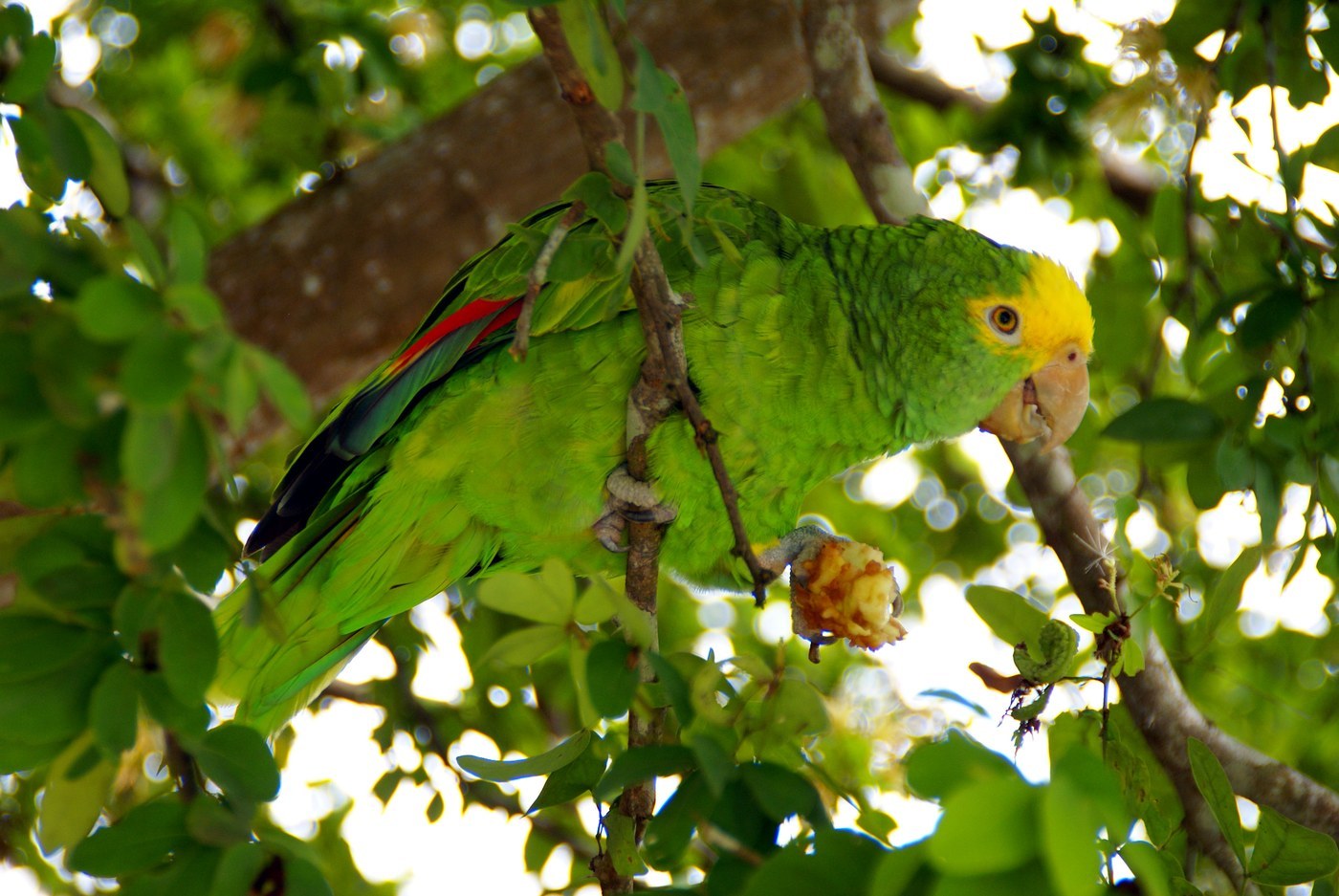
Yellow-headed Amazon
Dense, rounded body contour feathers; broad flight feathers
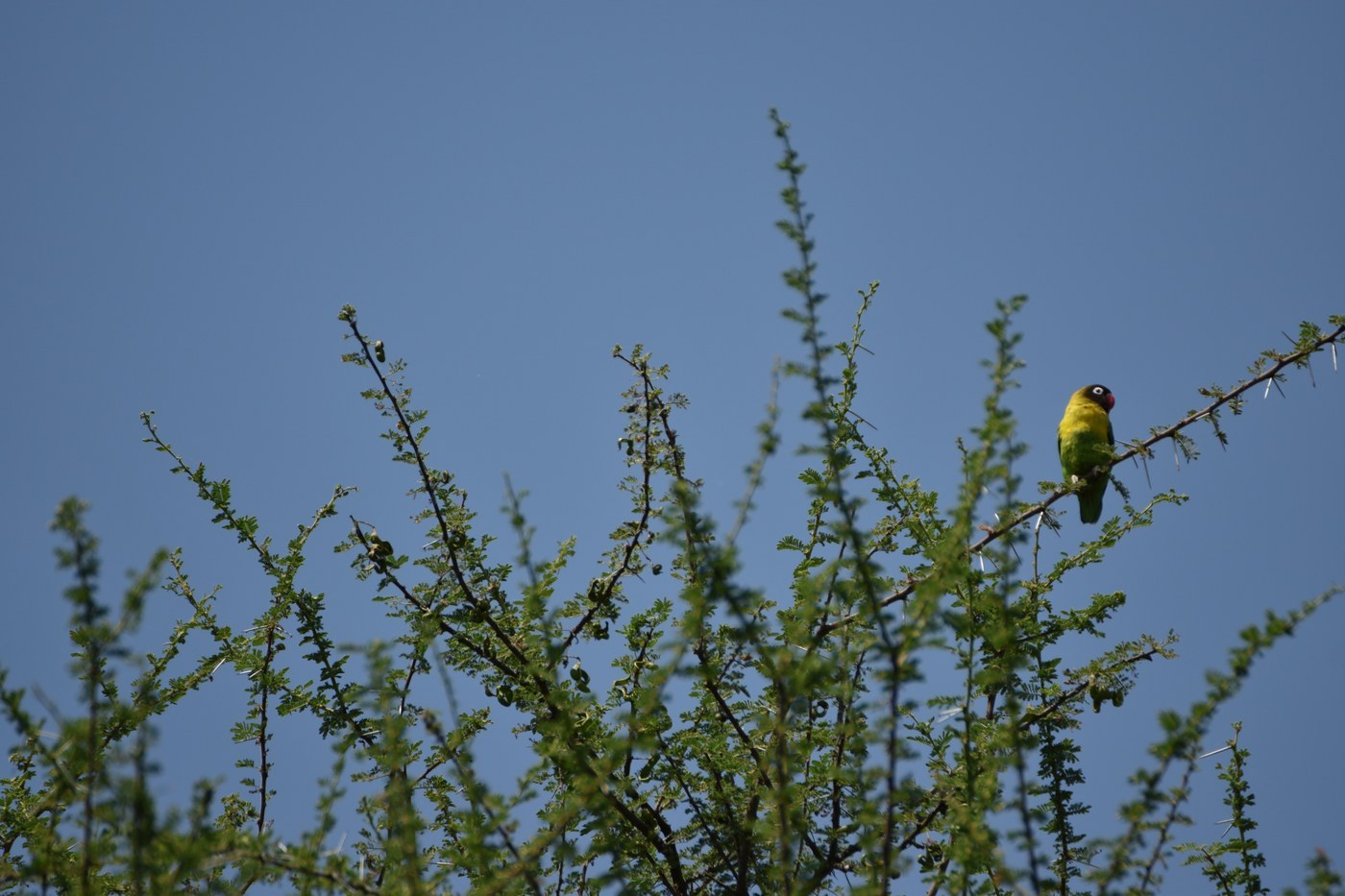
Yellow-collared Lovebird
Small compact flight feathers, short rounded tail

White-eyed Conure
Medium contour and long, graduated tail feathers

Yellow-tailed Black Cockatoo
Large, sturdy contour and flight feathers; short crest

Scarlet-chested Parrot
Small contour and flight feathers

Timneh Parrot
Broad flight feathers, scalloped body feathers with pale edges
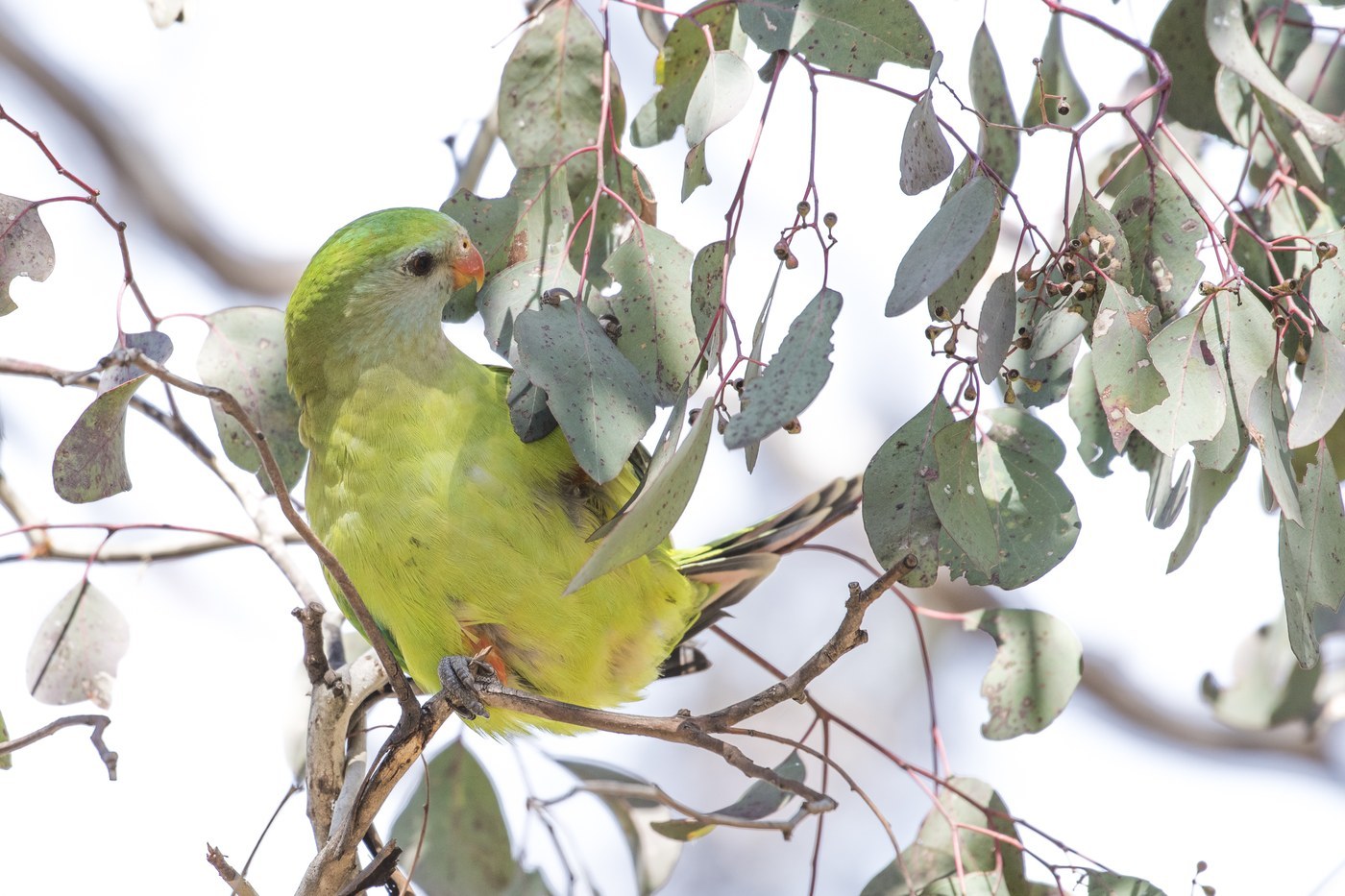
Superb Parrot
Sleek contour feathers with a long tapering tail

Red-shouldered Macaw
Compact body contour feathers; medium flight and tail feathers
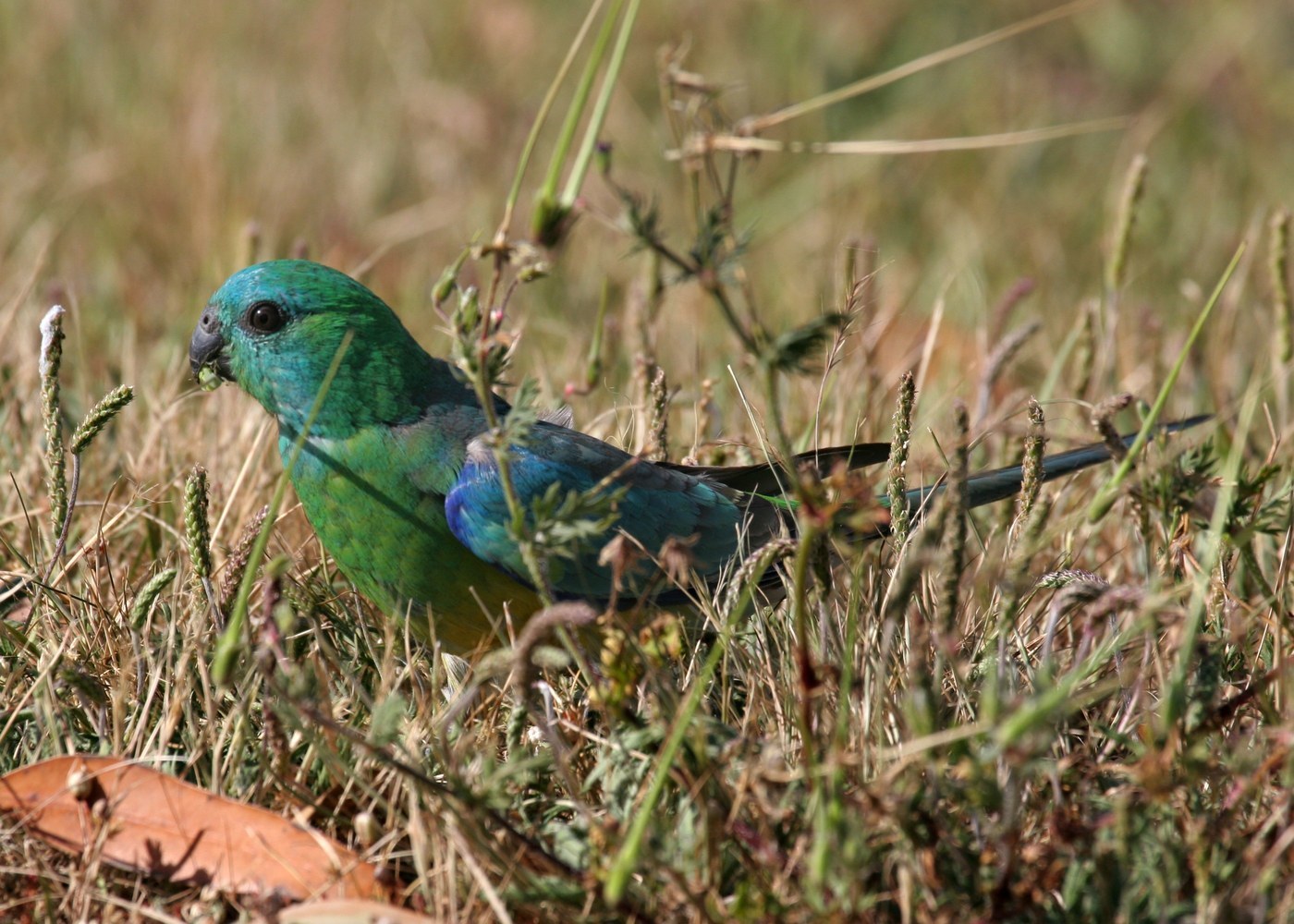
Red-rumped Parrot
Sleek contour feathers with a bright rump patch in males

White-capped Pionus
Compact contour feathers and short, squared tail feathers