
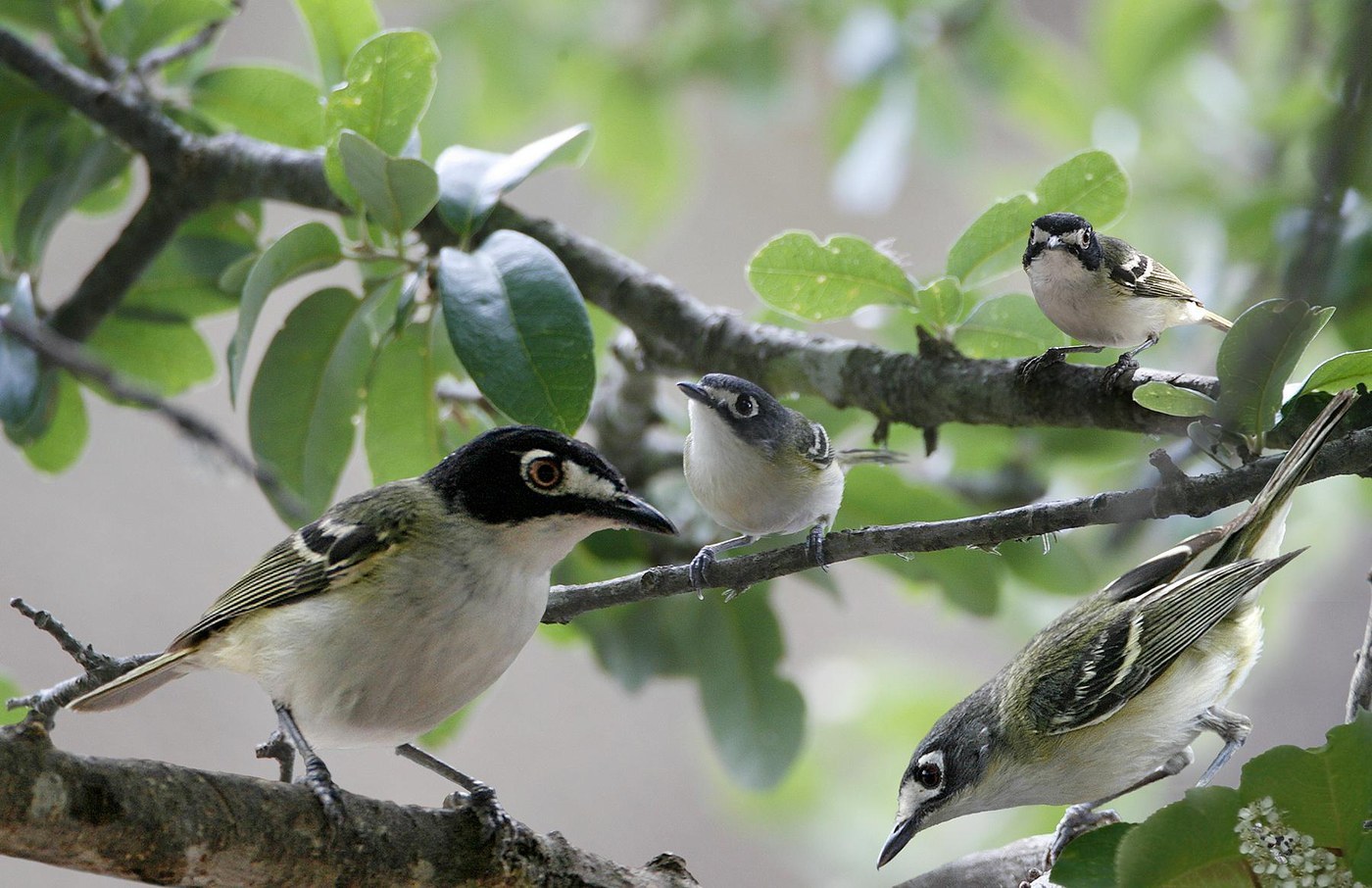
Black-capped Vireo
Vireo atricapilla
The Black-capped Vireo is a small, energetic vireo of shrubby oak habitat, with males showing a bold black cap set off by striking white spectacles.
- Feather type
- Black cap feathers; bold white spectacle feathers; olive-green back feathers
- Colours
- Black cap in males, bold white spectacles, olive-green back, white underparts with yellowish flanks
- Bird size
- Small vireo, ~11-12 cm
Found a feather like this?
Identify any feather from a photo, free.
Overview
Overview
The Black-capped Vireo breeds in patchy, shrubby oak scrub habitat in Texas, Oklahoma, and northern Mexico, an early successional habitat type that has become increasingly limited across its range. Males show a distinctive bold black cap contrasted with white spectacles and a red iris, making them one of the more striking vireos when seen well.
Its feathers reflect this contrast, with the black cap standing out clearly against olive-green upperparts and white underparts.
Identifying the Feather
Recognizing the Feathers
- Crown feathers (male): solid black, sharply demarcated from the back
- Face feathers: bold white spectacles formed by a white eyering and lores
- Back feathers: olive-green
- Underpart feathers: white with a yellowish wash on the flanks
- Crown feathers (female): slate-gray rather than solid black, less strongly contrasting
The solid black cap sharply set off from an olive-green back, combined with bold white spectacles, is diagnostic for adult male feathers; females show a duller gray cap instead.
Plumage & Molt
Plumage
Adult males show a solid black cap, bold white spectacles, olive-green back, and white underparts with yellowish flanks; females have a slate-gray rather than black cap and slightly duller overall tones. Immatures resemble females. There is no strong seasonal plumage change, with a single complete molt after breeding.
Habitat & Range
Habitat & Range
This species breeds in patchy, shrubby oak scrub habitat, particularly areas with a mix of low shrubs and open ground, across parts of Texas, Oklahoma, and northern Mexico. It winters along the Pacific slope of Mexico. Its dependence on early successional shrub habitat has made it a species of conservation concern.
Behavior & Field Notes
Behavior & Field Notes
Black-capped Vireos forage actively low in dense shrubs, gleaning insects while frequently moving between low perches. Nests are cup-shaped and built low in dense shrub cover. Males deliver a varied, energetic, chattering song, often from a low, exposed perch within their shrubby territory.
Frequently asked questions
How can I tell male from female Black-capped Vireo feathers?
Males show a solid black cap sharply contrasting with the back, while females have a duller slate-gray cap with less contrast.
What habitat is essential for this species?
Patchy, shrubby oak scrub with a mix of low dense shrubs and open ground, an early successional habitat type across Texas, Oklahoma, and northern Mexico.
What facial feature stands out in this species?
Bold white spectacles formed by a white eyering and lores, contrasting strongly with the black or gray cap.
Why is this species a conservation concern?
Its dependence on a specific, limited early successional shrub habitat type has reduced suitable breeding areas across its range.
Black-capped Vireo guides
In-depth guides for identifying and understanding Black-capped Vireo.
Black-capped Vireo identified by the community
Real feathers identified with Feather Identifier.

Other feathers you may enjoy

Yellow-breasted Bunting
Contour and flight feathers, chestnut-and-yellow breeding pattern
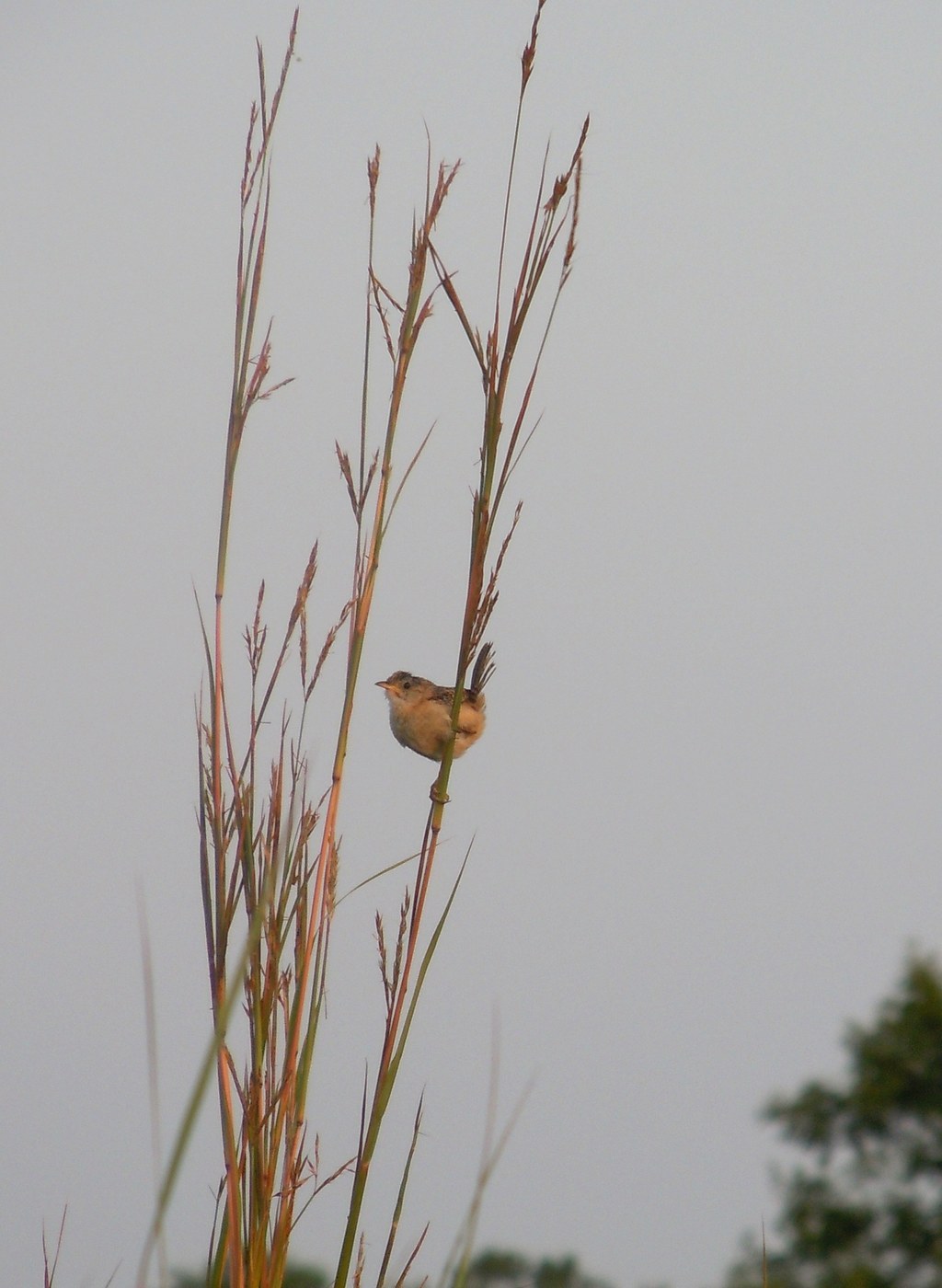
Sedge Wren
Tiny streaked crown and back feathers

Yellow-winged Cacique
Glossy black body feathers, yellow wing patch, shaggy crest

Yellow Warbler
Small contour and flight feathers
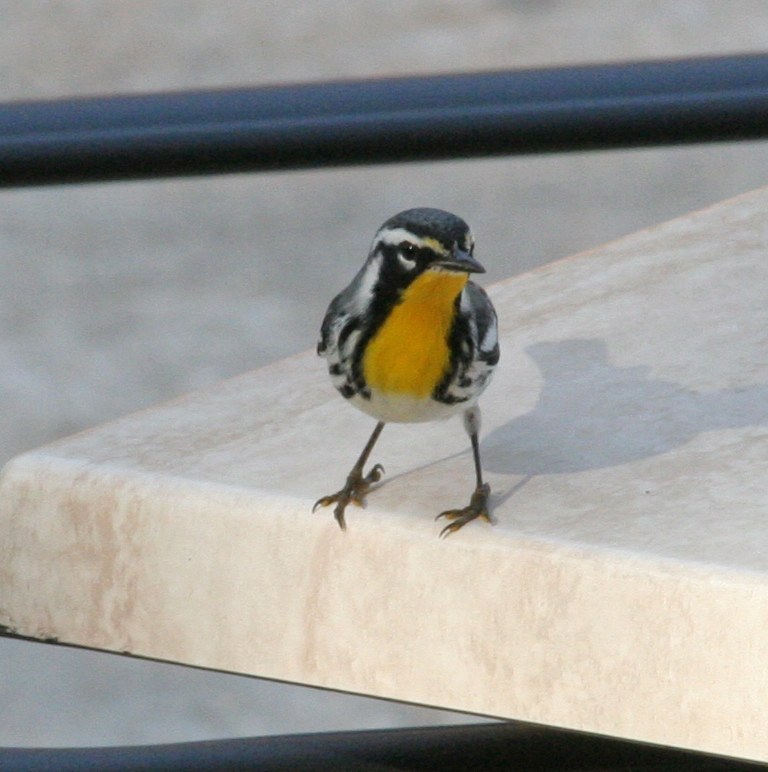
Yellow-throated Warbler
Small contour and flight feathers
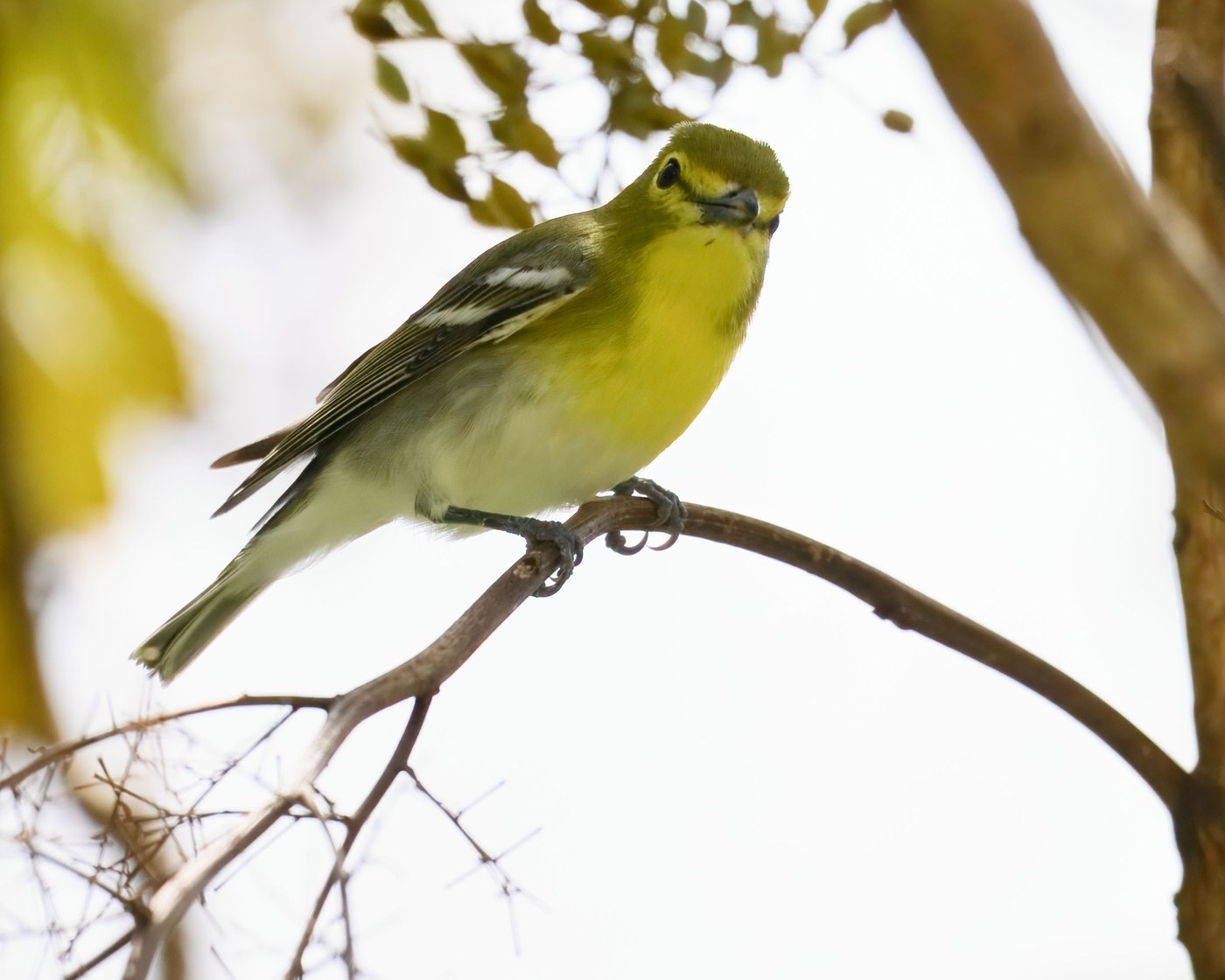
Yellow-throated Vireo
Bright yellow throat and spectacle feathers; olive-green back feathers; two white wing-bar feathers

Yellow-rumped Warbler
Small contour and flight feathers
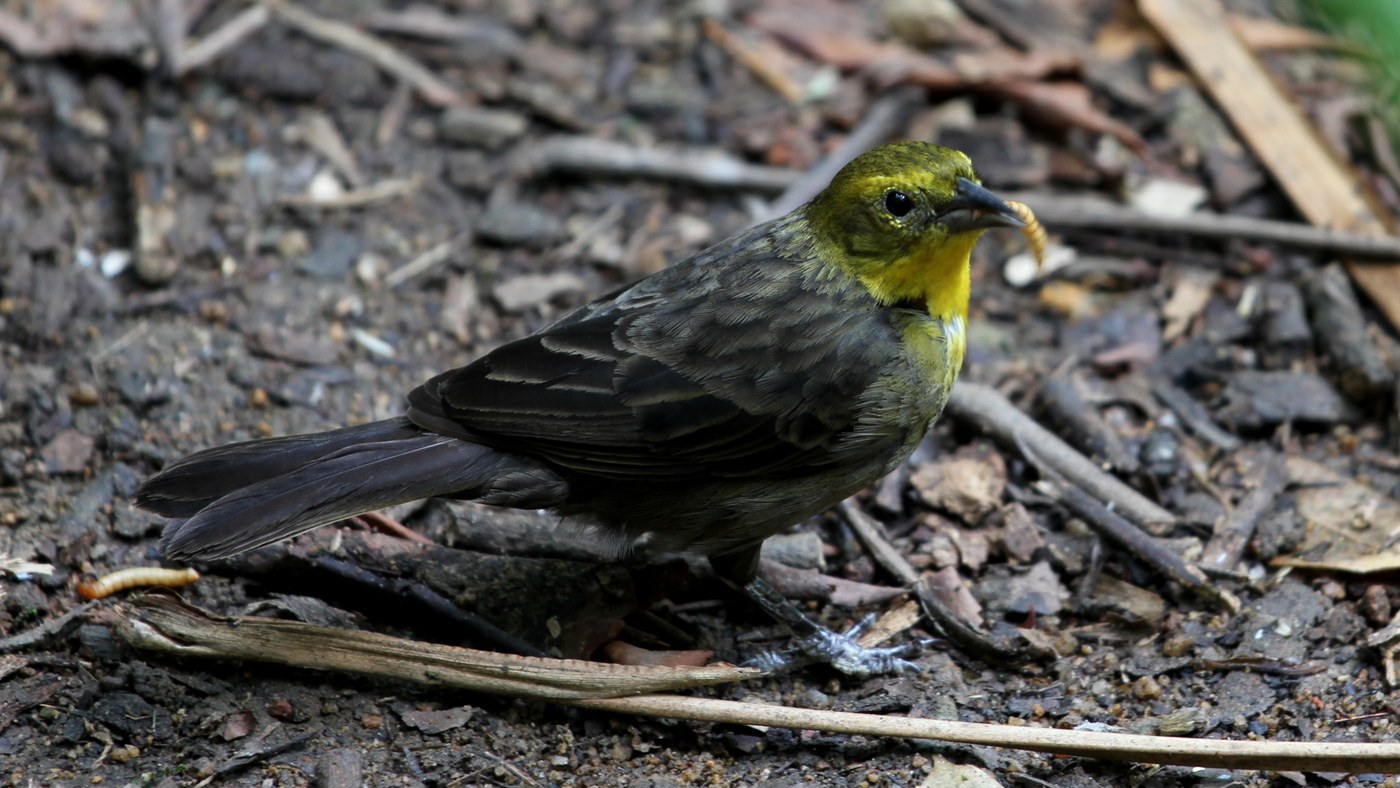
Yellow-hooded Blackbird
Contrasting hood and body feathers
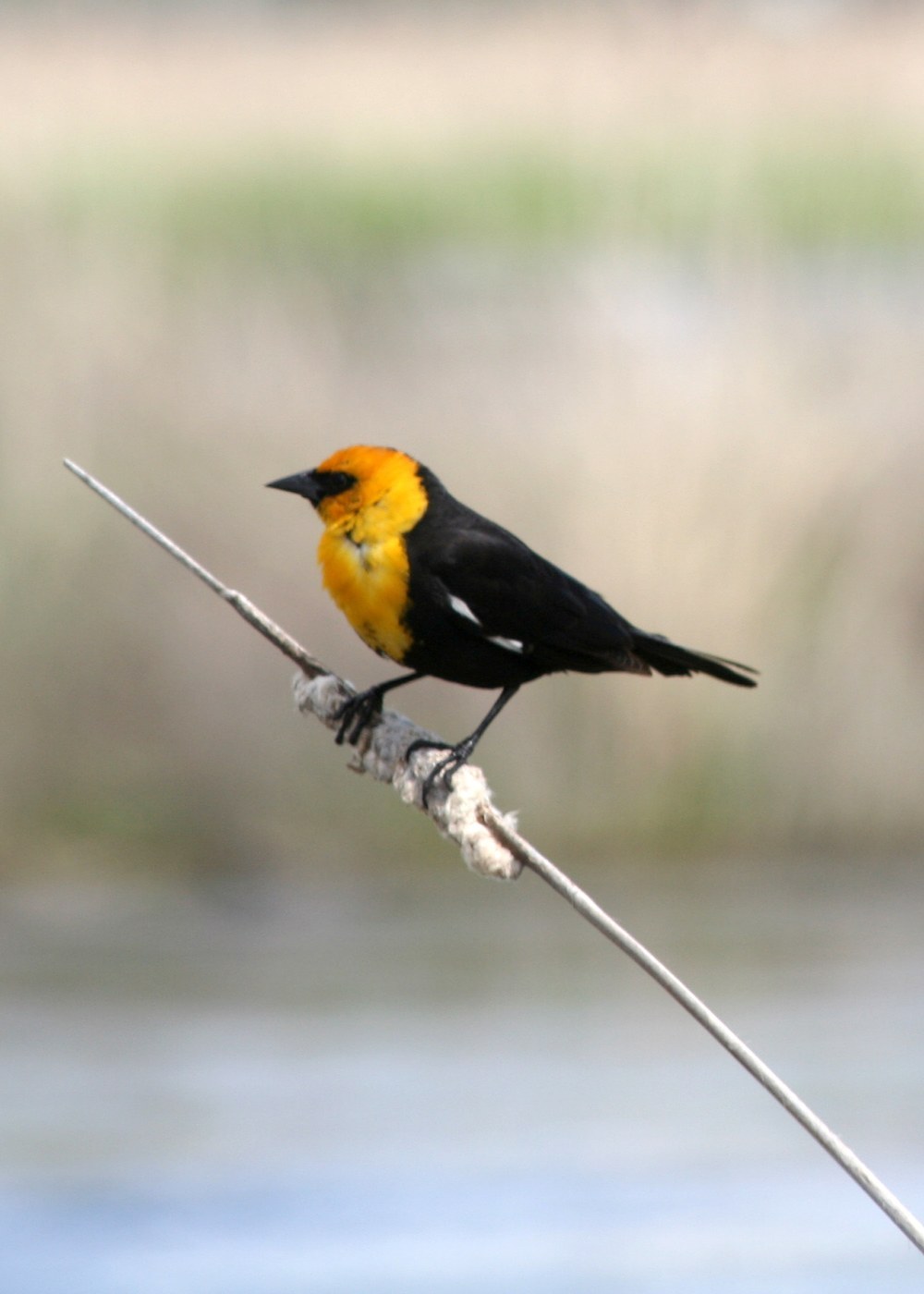
Yellow-headed Blackbird
Glossy black body plumage with a bright yellow head and breast

Yellow-eyed Junco
Contour and flight feathers

Yellow-fronted Canary
Small, smooth body plumage

Yellow-breasted Greenfinch
Compact, smooth body plumage