

Barbary Falcon
Falco pelegrinoides
A desert-adapted relative of the Peregrine Falcon, paler and more rufous-toned, occupying arid cliffs and open desert from North Africa across the Middle East.
- Feather type
- Pointed peregrine-type flight feathers; barred tail; rufous-washed nape feathers
- Colours
- Pale blue-grey upperparts; rufous wash on nape and underparts
- Bird size
- Medium falcon, slightly smaller than a Peregrine, ~33-39 cm
Found a feather like this?
Identify any feather from a photo, free.
Overview
The Barbary Falcon is a close relative of the Peregrine Falcon, adapted to arid and desert environments across North Africa, the Arabian Peninsula, and parts of the Middle East and Central Asia. It is generally paler and slightly smaller than the Peregrine, with a notable rufous tinge to the nape and underparts.
Its feathers show the classic streamlined falcon shape but in muted, sun-bleached tones suited to rocky desert terrain, rather than the darker slate of many Peregrine populations.
Because it nests on remote desert cliffs, feathers are most often found near such nesting sites or along desert wadis and escarpments where it hunts.
Identifying the Feather
Shape and size
- Flight feathers are pointed and streamlined like other Falco species, generally 20-27 cm on the primaries, slightly shorter than a typical Peregrine's.
- Tail feathers are evenly barred with grey-brown and paler bands, similar in pattern to the Peregrine but often paler overall.
Color and pattern
- Upperpart feathers are pale blue-grey, less dark and less heavily marked than most Peregrine subspecies.
- Nape feathers carry a distinct rufous tinge, a key difference from the whiter or grey nape of the Peregrine.
- Underparts feathers are creamy to pale rufous with fine, sparse barring, less densely marked than the Peregrine's.
- Shafts are dark brown to blackish on flight feathers.
Similar species
- Distinguished from the Peregrine Falcon mainly by its paler overall tone, rufous nape wash, and lighter, more sparsely marked underparts; overall feather size runs slightly smaller.
Plumage & Molt
Adults show pale blue-grey upperparts, a rufous-washed nape, and pale underparts with light barring, notably less heavily marked than most Peregrine populations. Sexes are similar in pattern, with females larger. Juveniles are browner above with heavier streaking below, becoming paler and more rufous-naped after their first molt.
Habitat & Range
Found in arid mountains, desert cliffs, and semi-desert plains across North Africa, the Canary Islands, the Arabian Peninsula, and into parts of Central Asia. It is largely resident, with some populations making short-distance movements tied to prey availability.
Behavior & Field Notes
Hunts birds in fast stooping flight, typically over open desert or semi-arid terrain, taking prey on the wing. Nests on cliff ledges, often reusing the same site for years. Calls are sharp and similar to other desert falcons, given mainly near the nest.
Field note: a pale, rufous-naped falcon feather found near desert cliffs or wadis in North Africa or the Middle East is a good candidate for this species rather than the more heavily marked Peregrine.
Frequently asked questions
How is this different from a Peregrine Falcon feather?
Barbary Falcon feathers tend to be paler overall, smaller, and show a distinct rufous wash on the nape and lighter underparts barring compared to the Peregrine.
Where is this species typically found?
Arid and desert regions of North Africa, the Arabian Peninsula, and parts of the Middle East and Central Asia.
Are juveniles harder to identify from feathers?
Yes, juveniles are browner and more heavily streaked, closer in tone to young Peregrines, so range and site context help confirm identification.
Is this species migratory?
Mostly resident, with only local movements rather than long-distance migration.
Barbary Falcon guides
In-depth guides for identifying and understanding Barbary Falcon.

Other feathers you may enjoy

Australian Hobby
Long, narrow pointed flight feathers; slender tail feathers

California Condor
Massive flight feathers; long broad primaries; large tail feathers

Brown Falcon
Broad, rounded flight feathers; variable-toned contour feathers
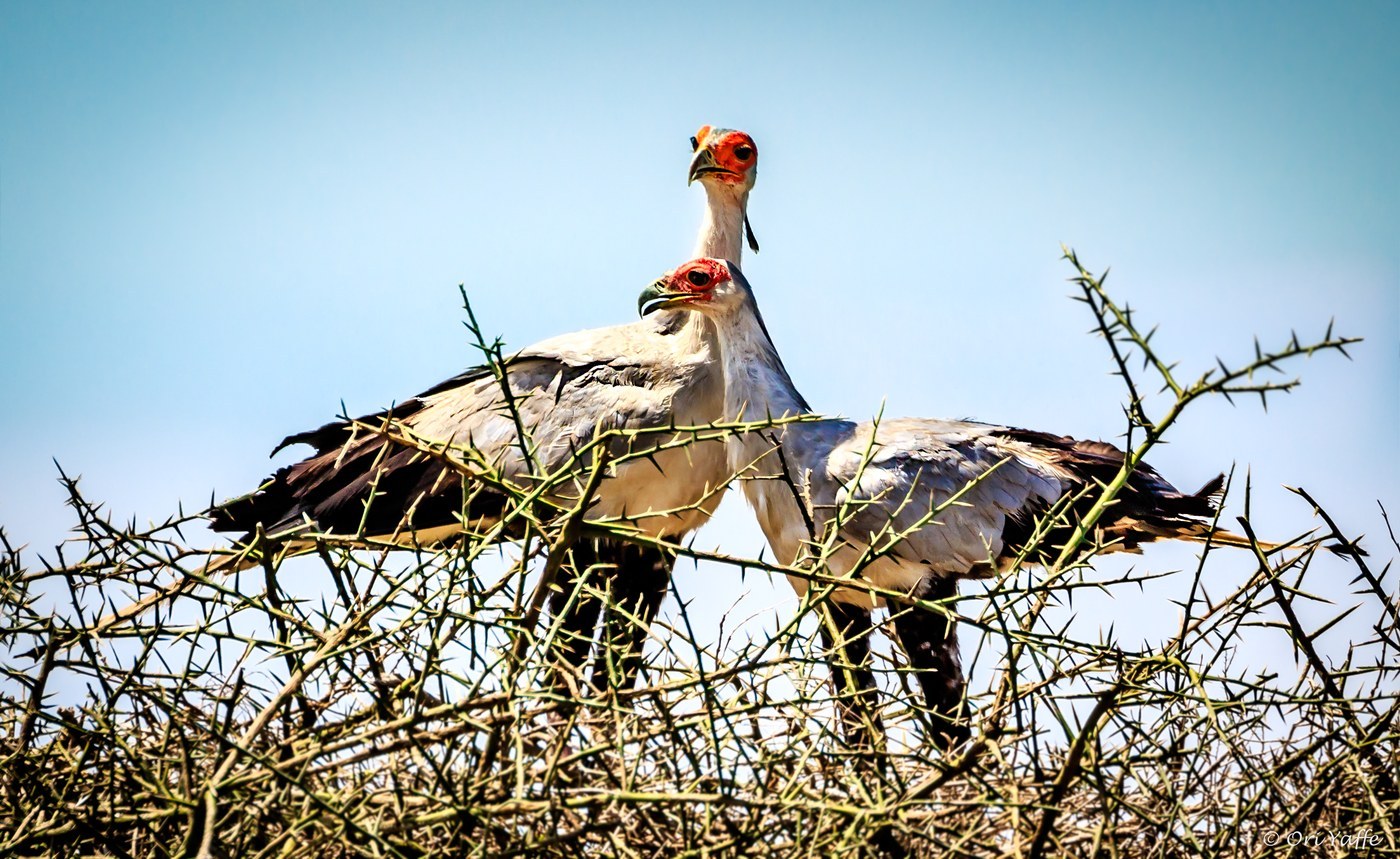
Secretarybird
Long crest feathers; broad flight feathers; elongated central tail feathers

Orange-breasted Falcon
Broad-based pointed flight feathers; bold breast and belly feathers
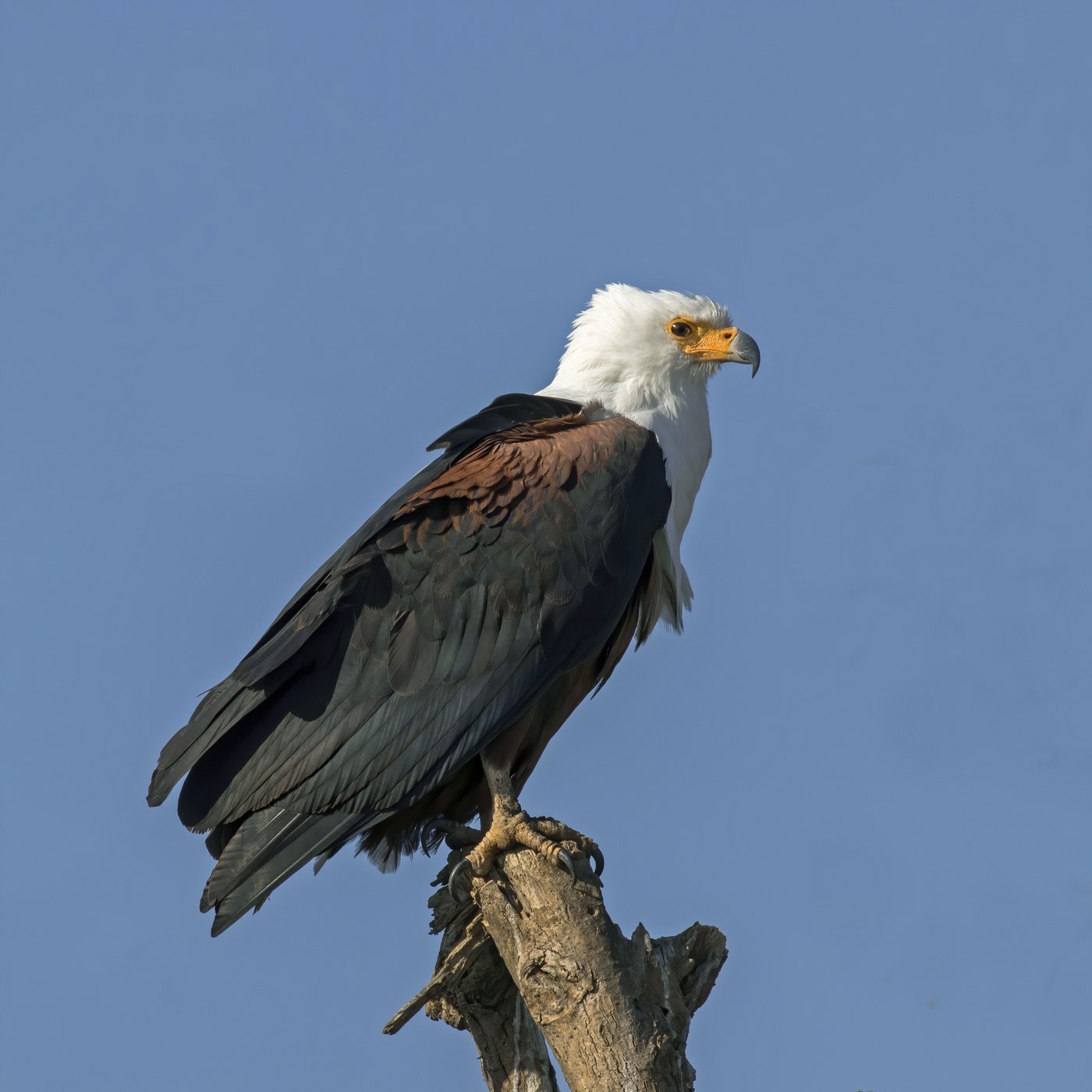
African Fish Eagle
Flight, tail, and body feathers

Amur Falcon
Slender pointed flight feathers; soft slate or orange-buff contour feathers
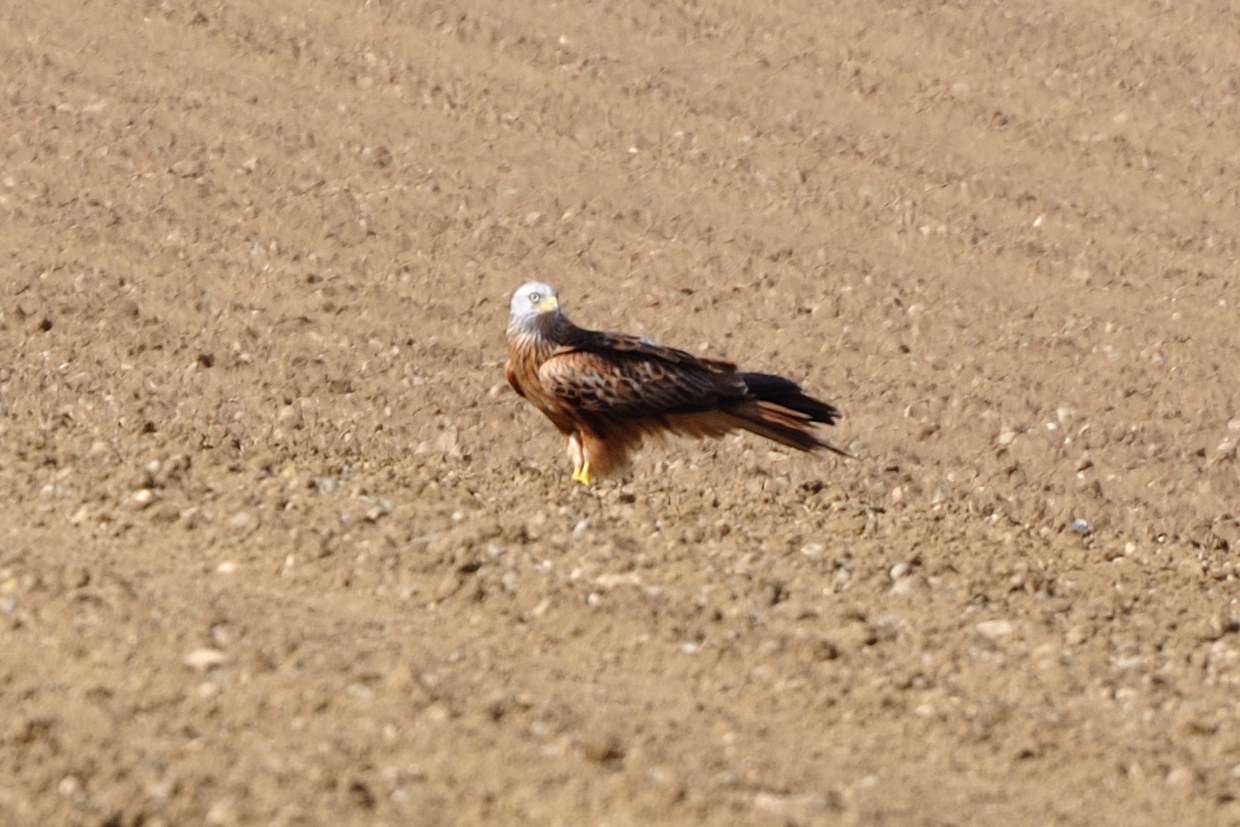
Red Kite
Flight (wing) and tail feathers
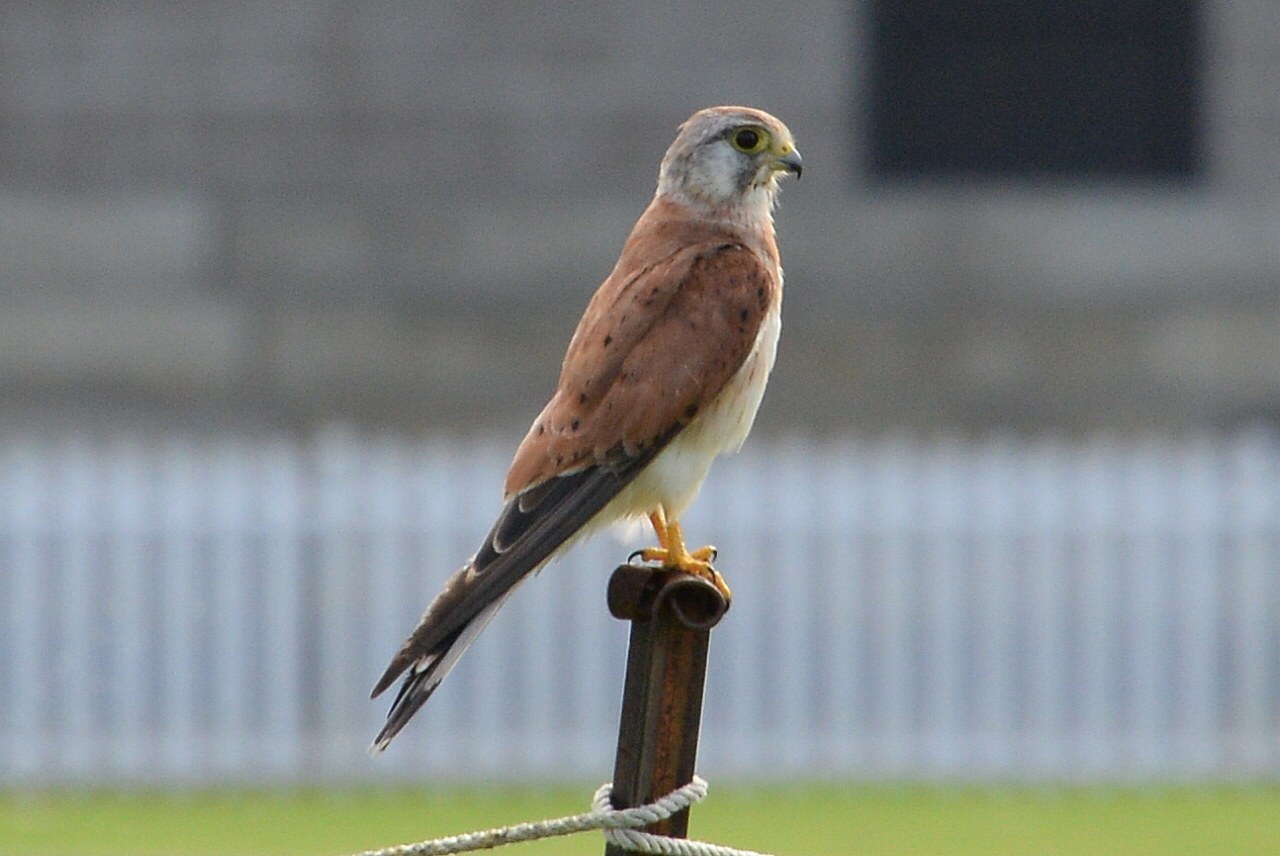
Nankeen Kestrel
Slim pointed flight feathers; lightly marked contour feathers

Andean Condor
Massive flight feathers; broad primaries and secondaries; sturdy tail feathers

Plumbeous Forest Falcon
Short rounded flight feathers; finely barred tail feathers

Sooty Falcon
Long pointed flight feathers; slim tail feathers