
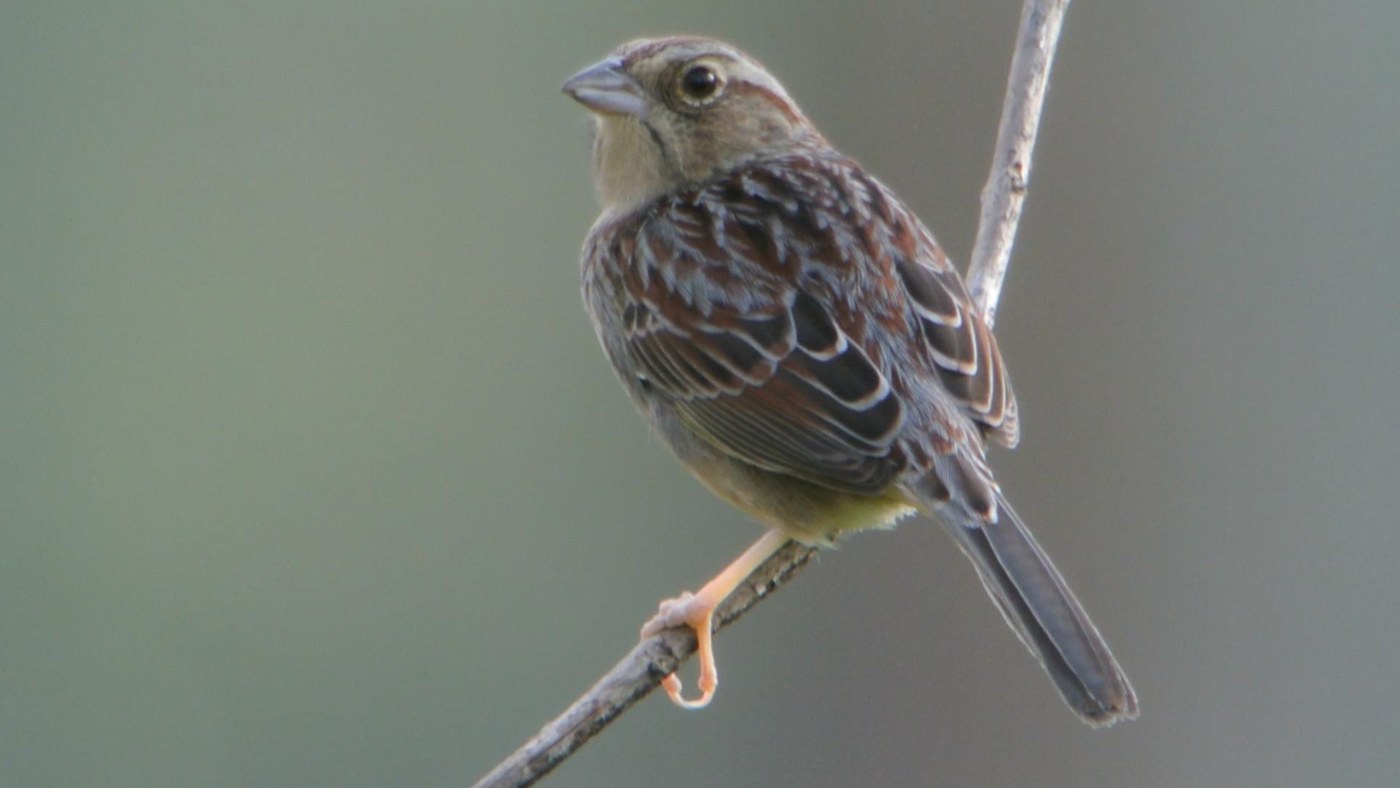
Bachman's Sparrow
Peucaea aestivalis
Bachman's Sparrow is a secretive southeastern songbird best known for its long, sweet, whistled song delivered from a low perch in open pine woods.
- Feather type
- Contour and flight feathers, rounded tail
- Colours
- Warm rufous-brown streaked with gray and buff
- Bird size
- Sparrow-sized, ~15 cm
Found a feather like this?
Identify any feather from a photo, free.
Overview
Overview
Bachman's Sparrow is a plain but handsome ground-loving sparrow of the pine belt of the southeastern United States. It is far more often heard than seen, staying low in grass and shrub cover, but its feathers show a warm, richly patterned pattern typical of sparrows adapted to dry, grassy understories.
- Family: New World sparrows (Passerellidae)
- Genus: Peucaea, a group of plain, large-billed sparrows of brushy habitats
- Known for a distinctive, far-carrying whistled song
Identifying the Feather
Feather Identification
Feathers from Bachman's Sparrow are warm rufous-brown to chestnut above with broad, blurry gray-and-buff streaking, giving a soft rather than crisp-striped look.
- Shape: Contour feathers are rounded; tail feathers are broad with rounded tips, giving the long tail a soft-edged look in flight
- Size: Small, consistent with a sparrow roughly robin-sized minus a third
- Color pattern: Rufous-chestnut centers with gray-buff edging on the back; underparts feathers are plain buffy-gray with little streaking
- Shaft: Pale, unremarkable shaft, not a strong identification feature
- Vs. similar species: Compared to Botteri's Sparrow, Bachman's feathers show warmer rufous tones and more contrast between streaks; compared to other Peucaea, the tail feathers appear notably long and rounded
Plumage & Molt
Plumage Details
Adults show a plain buffy-gray breast, an unstreaked or lightly streaked underside, and a warm rufous-and-gray streaked back and crown, often with a grayish central crown stripe.
- Sexes: Similar in appearance; no notable plumage dimorphism
- Juveniles: Show fine streaking on the breast that adults lack, fading within the first months
- Seasonal changes: Minimal seasonal variation in plumage color
- Molt: Undergoes a complete prebasic molt after the breeding season, with feathers replaced on the wintering and breeding grounds
Habitat & Range
Habitat & Range
Bachman's Sparrow favors open, mature pine woodlands with a grassy or shrubby understory, as well as overgrown fields and clearcuts in early successional stages.
- Range: Southeastern United States, from the Carolinas and Florida west to Texas and Oklahoma
- Habitat: Longleaf pine savanna, pine-oak woodland, and brushy old fields, especially where fire maintains an open understory
- Migratory status: Largely resident in the south of its range, with northern populations showing short-distance migratory movements
Behavior & Field Notes
Behavior & Field Notes
Bachman's Sparrow is a ground forager that walks or hops through grass and litter, feeding mainly on seeds and insects, and it is notoriously difficult to flush or see well.
- Diet: Seeds of grasses and forbs supplemented with insects, especially during the breeding season
- Nesting: Builds a well-hidden domed or cup nest on the ground at the base of grass clumps
- Voice: A clear, whistled introductory note followed by a trilled or warbled phrase, often described as one of the most musical sparrow songs
- Field notes: Males sing persistently from low perches such as shrub tops or fence posts, making voice the most reliable way to detect this species
Frequently asked questions
Why is Bachman's Sparrow so hard to see?
It stays low in dense grass and shrub cover and rarely perches in the open except briefly to sing, relying on cryptic rufous-and-gray plumage to stay hidden.
What habitat does Bachman's Sparrow need?
It depends on open pine woodland or brushy fields with a grassy understory, conditions often maintained historically by periodic fire.
How can you tell Bachman's Sparrow feathers from other sparrows?
Look for warm rufous-chestnut streaking against gray-buff, a long rounded tail, and plain buffy underparts with little streaking.
Is Bachman's Sparrow migratory?
Populations in the Deep South are largely year-round residents, while birds at the northern edge of the range make short seasonal movements.
Bachman's Sparrow guides
In-depth guides for identifying and understanding Bachman's Sparrow.
Other feathers you may enjoy

Yellow-breasted Bunting
Contour and flight feathers, chestnut-and-yellow breeding pattern
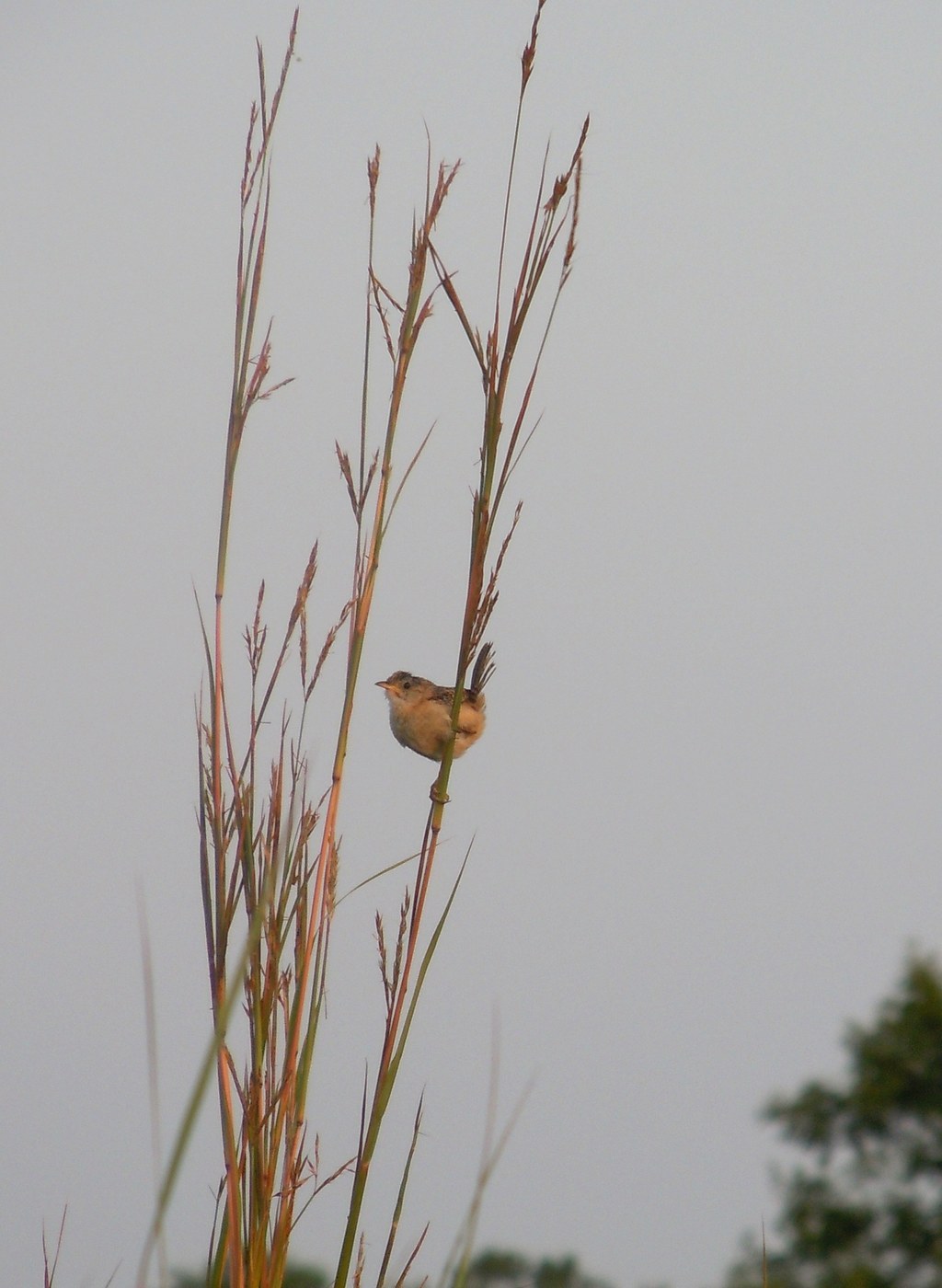
Sedge Wren
Tiny streaked crown and back feathers

Yellow-winged Cacique
Glossy black body feathers, yellow wing patch, shaggy crest

Yellow Warbler
Small contour and flight feathers
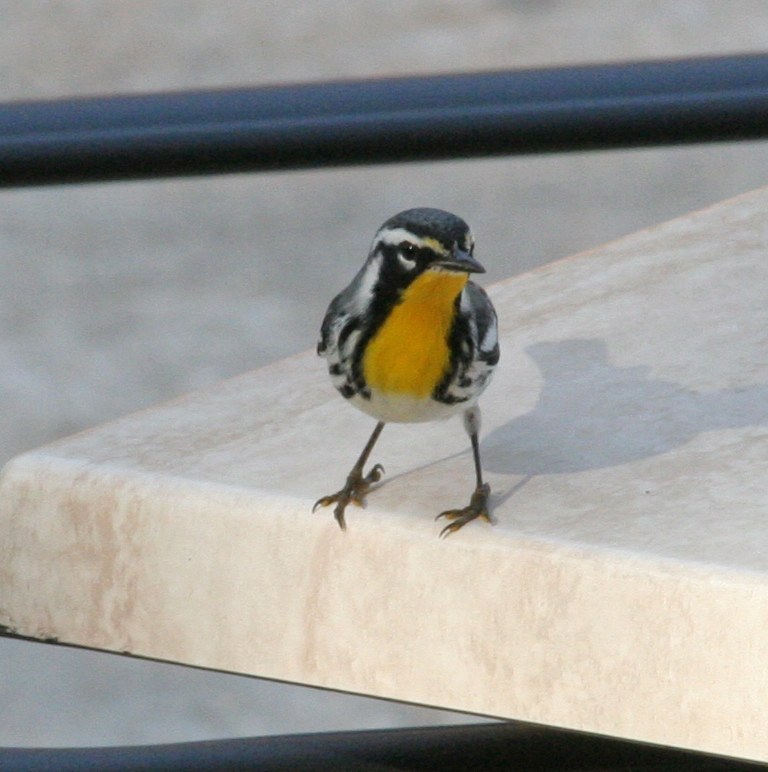
Yellow-throated Warbler
Small contour and flight feathers
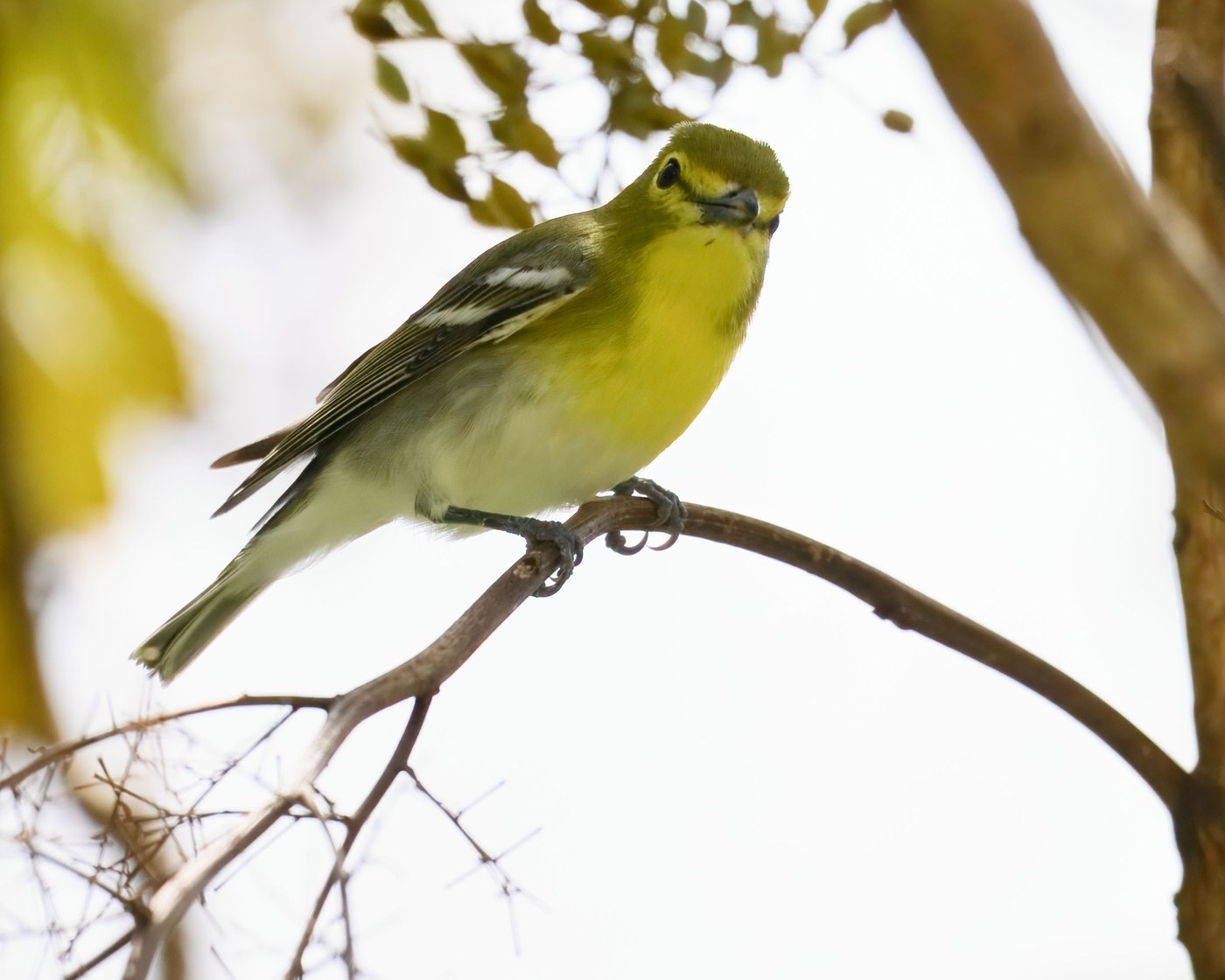
Yellow-throated Vireo
Bright yellow throat and spectacle feathers; olive-green back feathers; two white wing-bar feathers

Yellow-rumped Warbler
Small contour and flight feathers
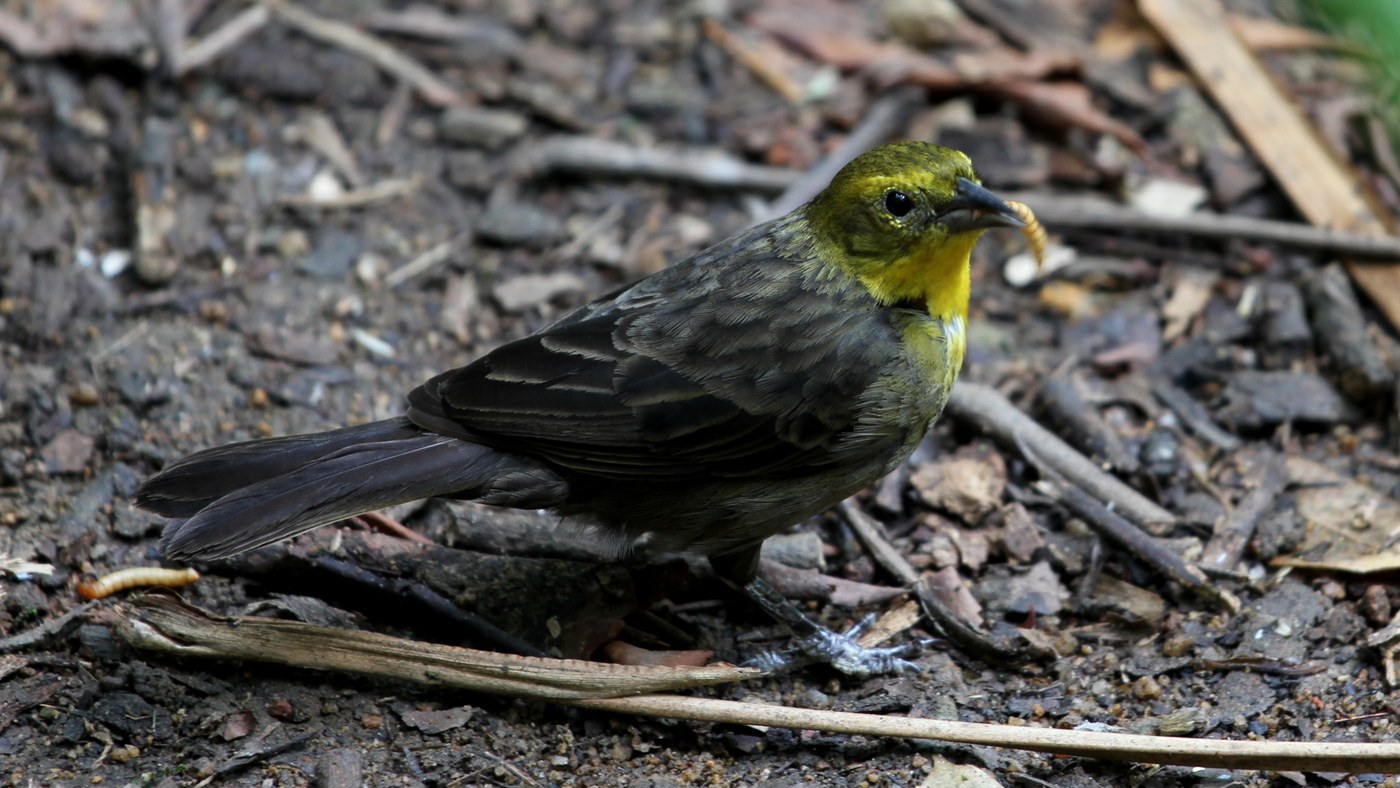
Yellow-hooded Blackbird
Contrasting hood and body feathers
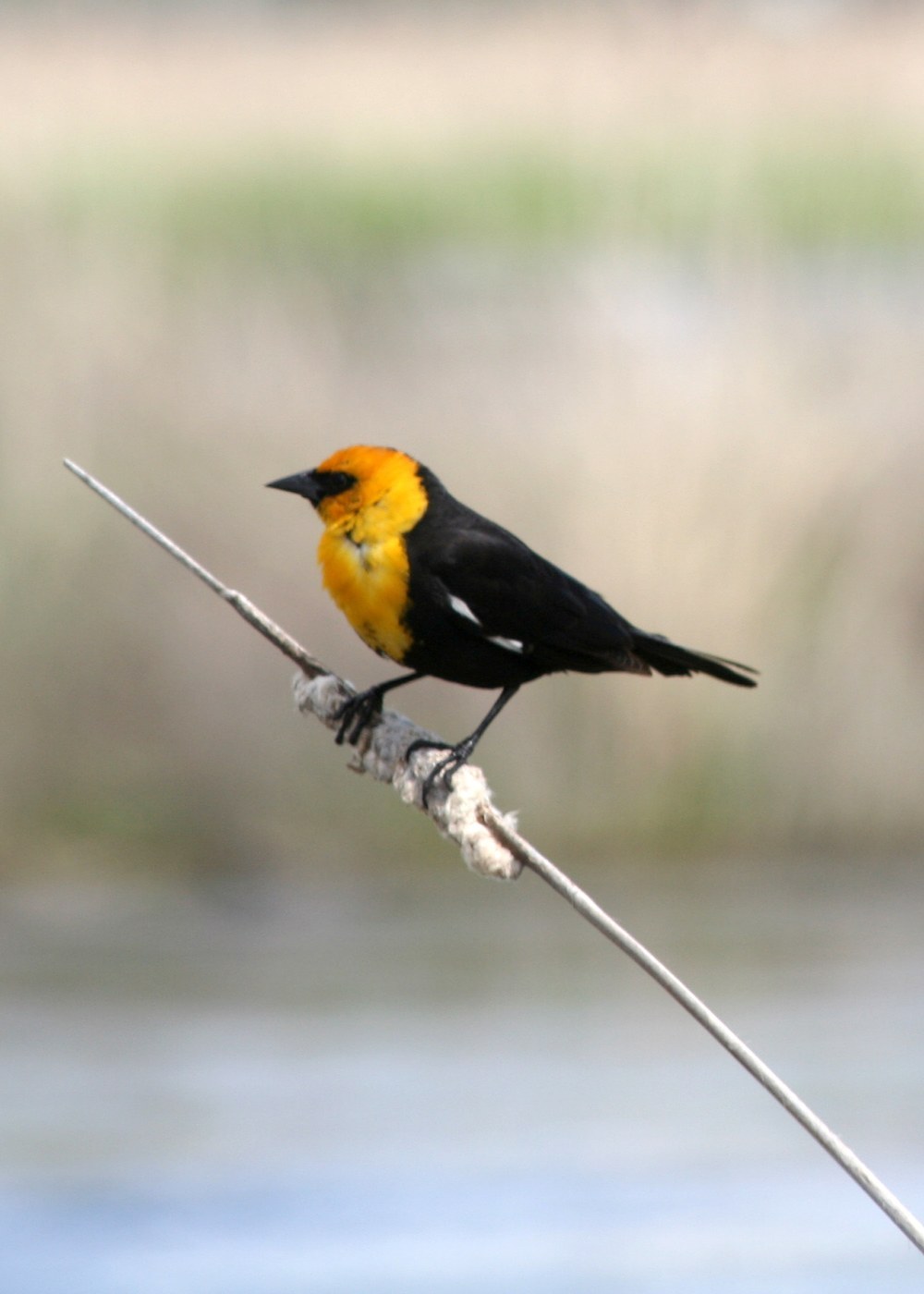
Yellow-headed Blackbird
Glossy black body plumage with a bright yellow head and breast

Yellow-eyed Junco
Contour and flight feathers

Yellow-fronted Canary
Small, smooth body plumage

Yellow-breasted Greenfinch
Compact, smooth body plumage