
Albert's Lyrebird
Menura alberti
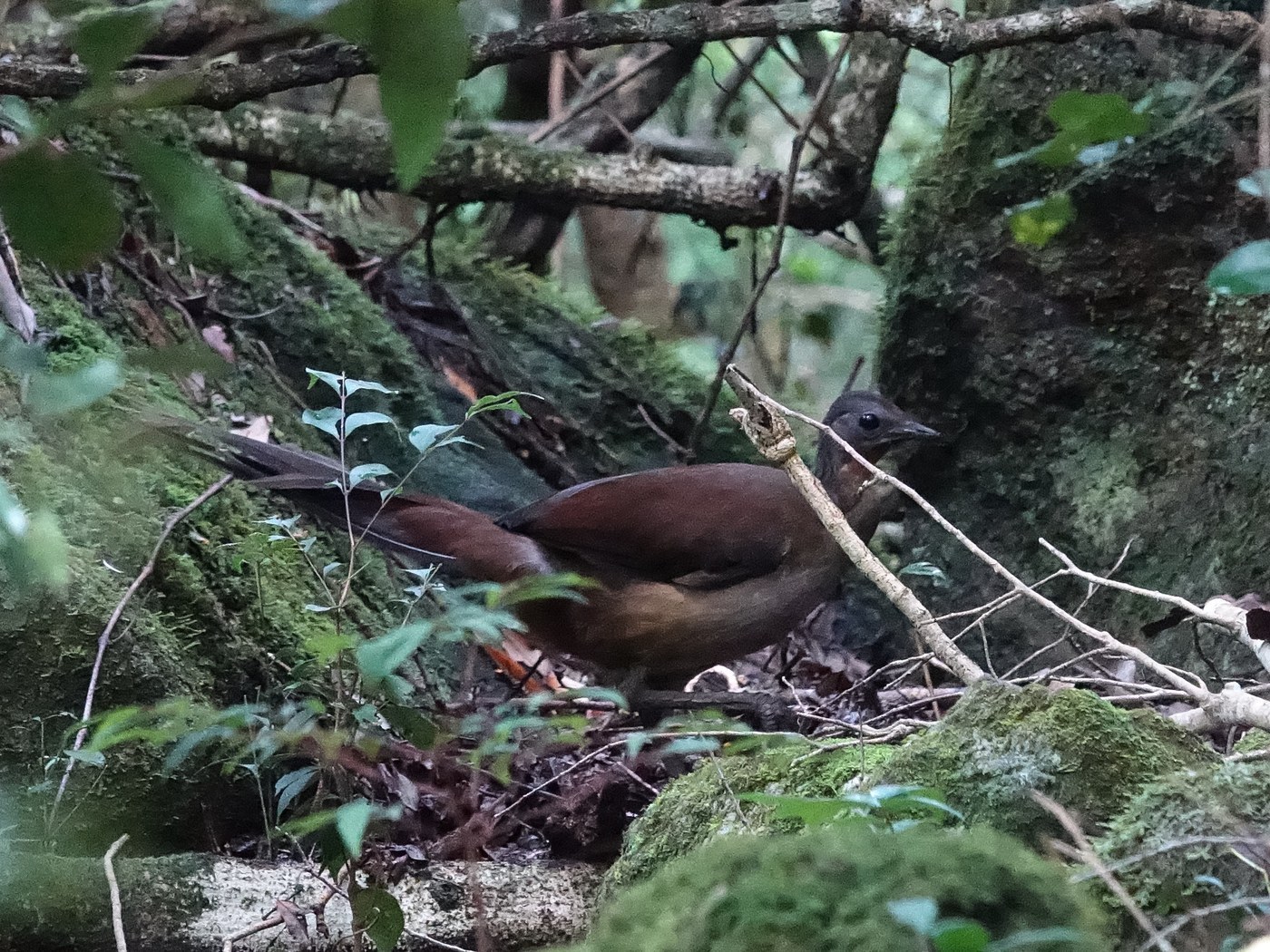
A rarer relative of the Superb Lyrebird found only in a small area of eastern Australia, Albert's Lyrebird has a more subdued rufous-brown plumage and a less elaborate but still distinctive ornamental tail.
- Feather type
- Elongated ornamental tail feathers in males, less filamentous than its relative; soft rufous-brown body feathers
- Colours
- Rufous-brown body, chestnut and gray-brown tail feathers
- Bird size
- Large songbird, ~75-90 cm including male's tail
Found a feather like this?
Identify any feather from a photo, free.
Overview
Albert's Lyrebird is restricted to a small pocket of subtropical rainforest along the Queensland-New South Wales border region, making it far more range-limited than its widespread relative, the Superb Lyrebird. It shares the ground-foraging habits and extraordinary vocal mimicry of the family but carries a somewhat less ornate male tail, lacking the broad lyre-shaped feathers of its relative.
Identifying the Feather
The male's tail feathers are elongated and decorative but do not form the true lyre shape seen in the Superb Lyrebird, instead showing narrower, more uniformly curved feathers with rufous-brown and gray tones rather than silvery lace patterning. Body contour feathers are warmer rufous-brown overall compared to the grayer brown of the Superb Lyrebird, providing a useful color cue where ranges might be confused. As in its relative, females and juveniles show plain, unornamented tails, so elaborate tail feathers indicate an adult male. Overall feather texture is soft and loosely structured, suited to a ground-dwelling lifestyle rather than sustained flight.
Plumage & Molt
Adult males develop the full display tail with maturity, molting and renewing these feathers outside the breeding season. Females and immature birds retain plain, moderately long brown tails without ornamentation. Body plumage color remains consistent between sexes, aside from the male's tail structure.
Habitat & Range
This species is confined to a narrow band of subtropical rainforest in the border ranges of southeastern Queensland and northeastern New South Wales, occupying dense, moist gullies with thick leaf litter. It is non-migratory and sedentary, with its restricted range making habitat continuity especially important for the population.
Behavior & Field Notes
Albert's Lyrebird forages by raking through leaf litter for invertebrates, using strong legs and feet in a manner similar to its relative. Males display on the ground or low platforms, incorporating extensive vocal mimicry of other birds into an elaborate song alongside tail movements. Nests are large, domed structures placed low in dense vegetation. Its secretive habits and restricted range make direct sightings less common than encounters with its more widespread relative.
Frequently asked questions
How does Albert's Lyrebird tail differ from the Superb Lyrebird's?
It lacks the broad, silvery lace-patterned lyre-shaped feathers, instead showing narrower, more uniformly rufous-brown and gray tail feathers.
Where is this species found?
Only within a small area of subtropical rainforest along the Queensland-New South Wales border region.
Do females have ornamental tails?
No, only adult males grow the elongated display tail feathers.
What does it eat?
It forages on the forest floor for invertebrates, raking through leaf litter with its feet.
Albert's Lyrebird guides
In-depth guides for identifying and understanding Albert's Lyrebird.
Other feathers you may enjoy

Yellow-breasted Bunting
Contour and flight feathers, chestnut-and-yellow breeding pattern
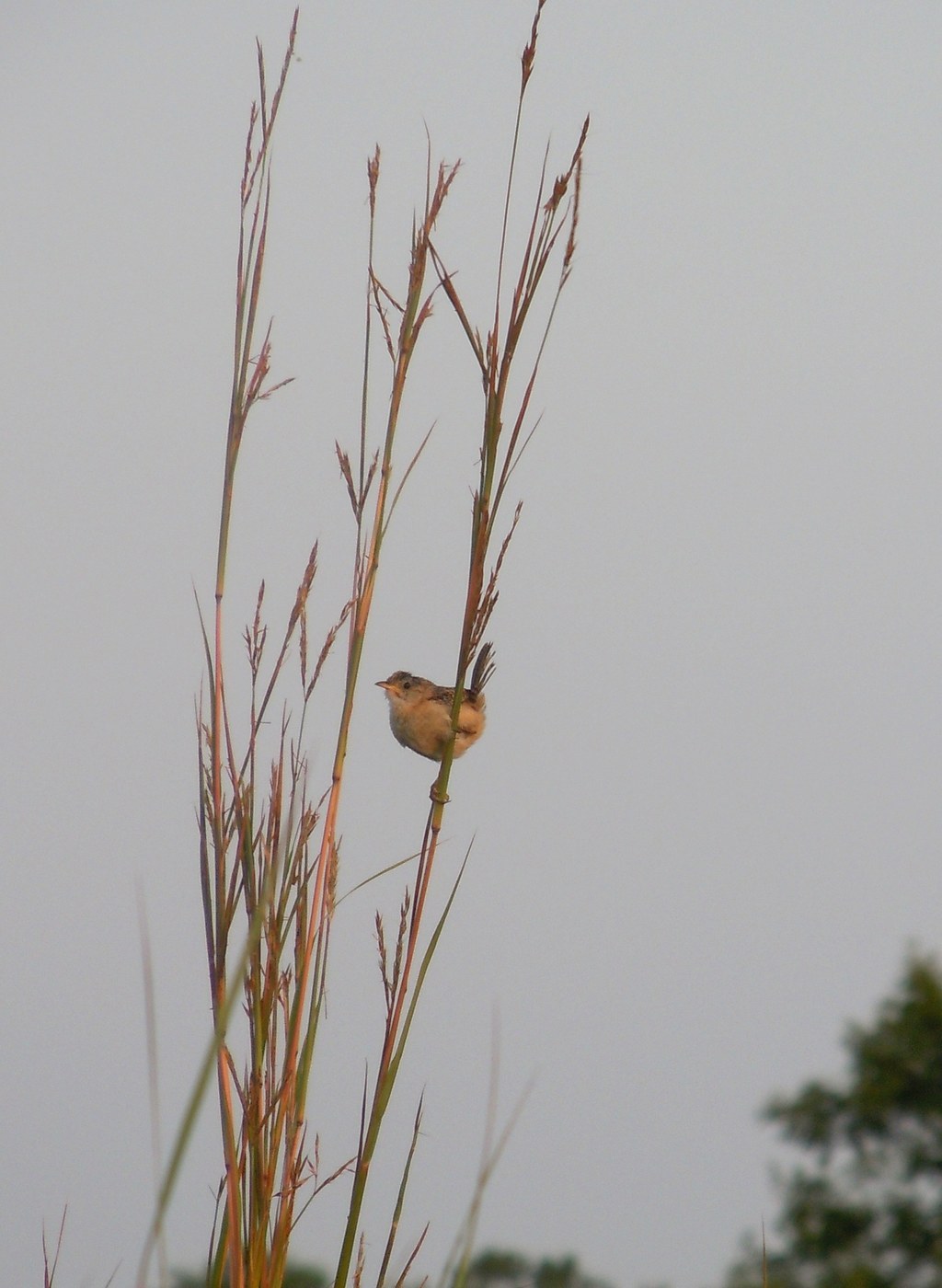
Sedge Wren
Tiny streaked crown and back feathers

Yellow-winged Cacique
Glossy black body feathers, yellow wing patch, shaggy crest

Yellow Warbler
Small contour and flight feathers
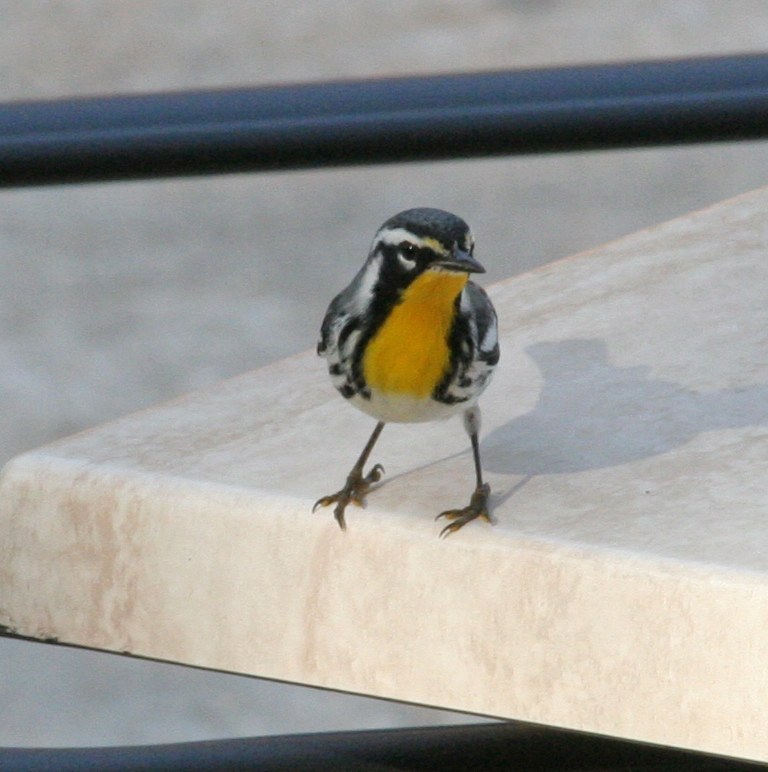
Yellow-throated Warbler
Small contour and flight feathers
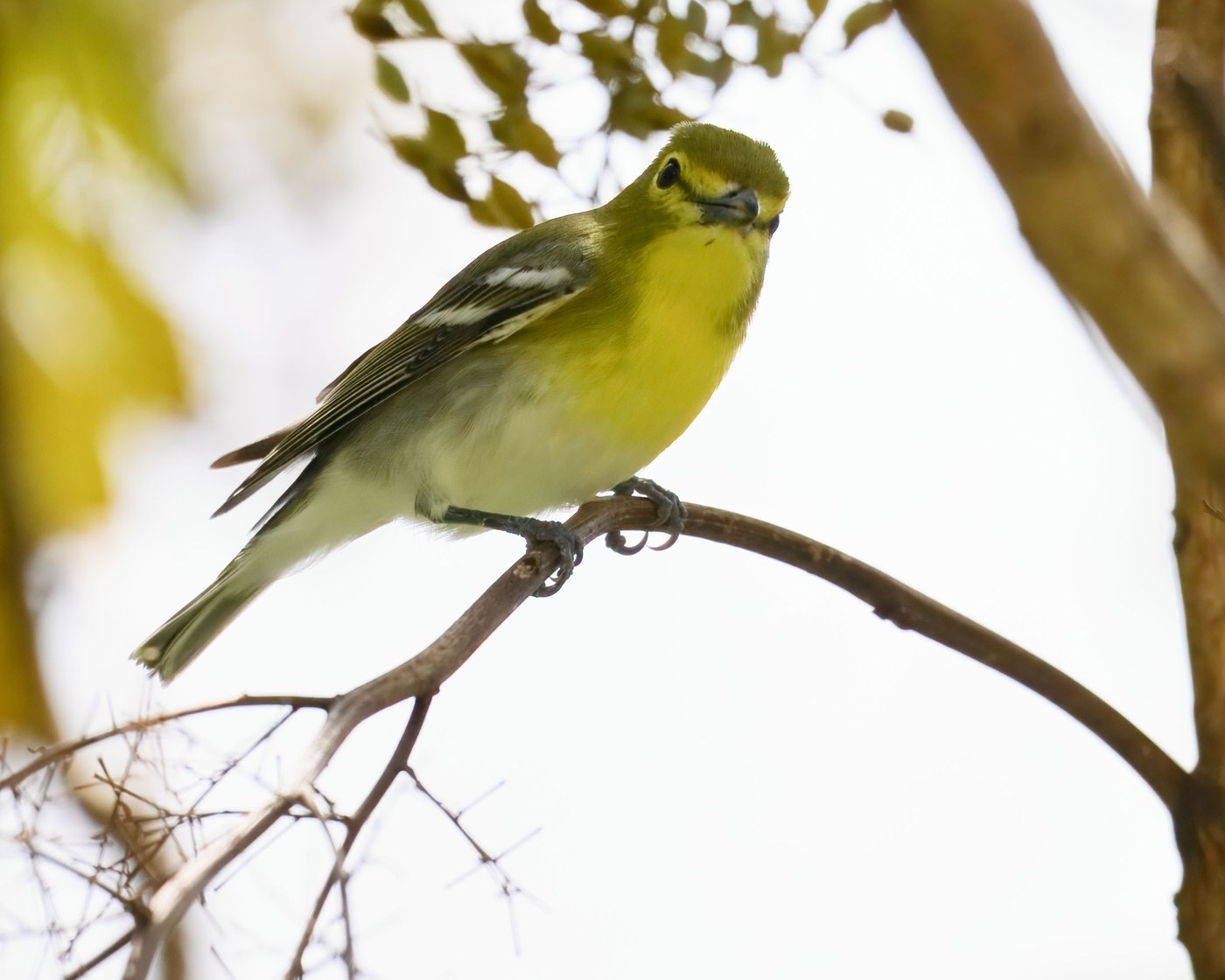
Yellow-throated Vireo
Bright yellow throat and spectacle feathers; olive-green back feathers; two white wing-bar feathers

Yellow-rumped Warbler
Small contour and flight feathers
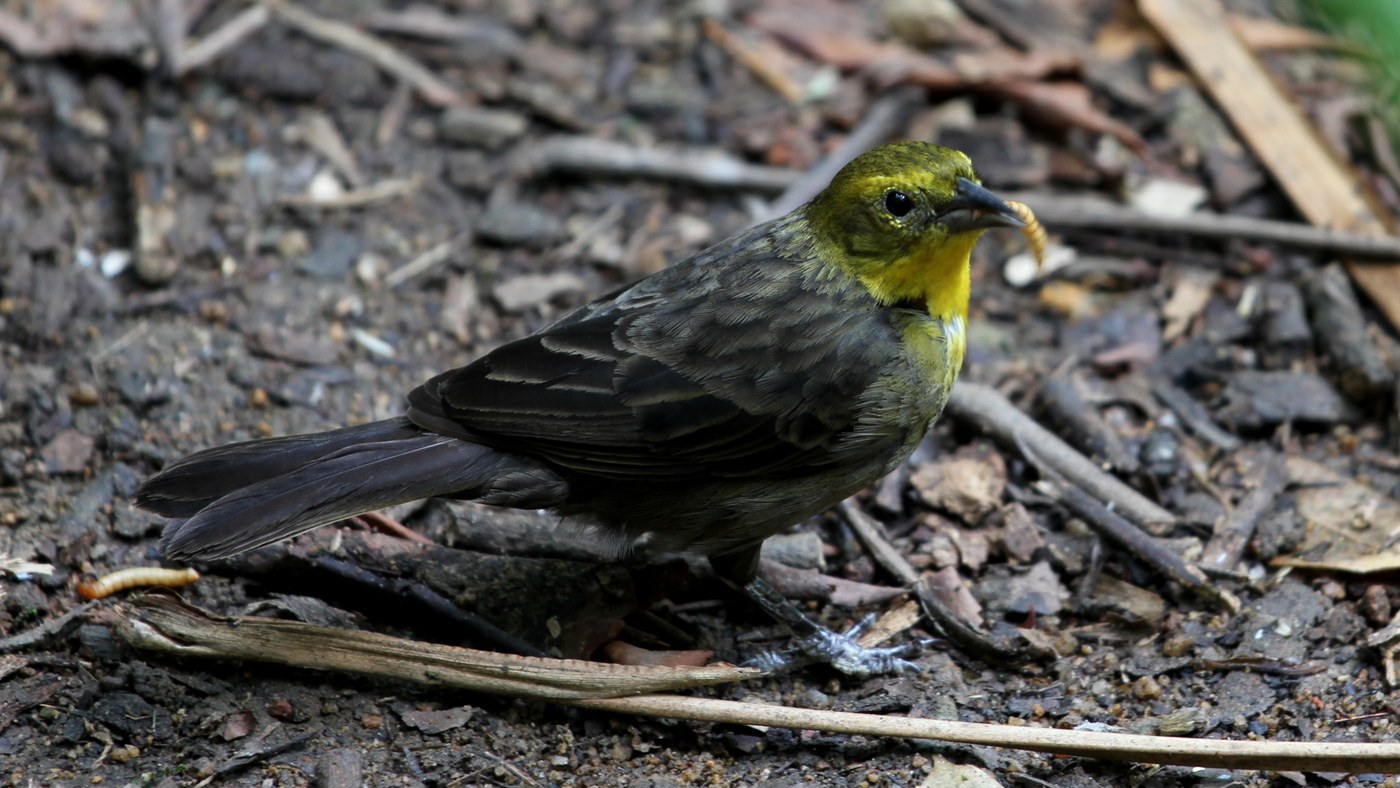
Yellow-hooded Blackbird
Contrasting hood and body feathers
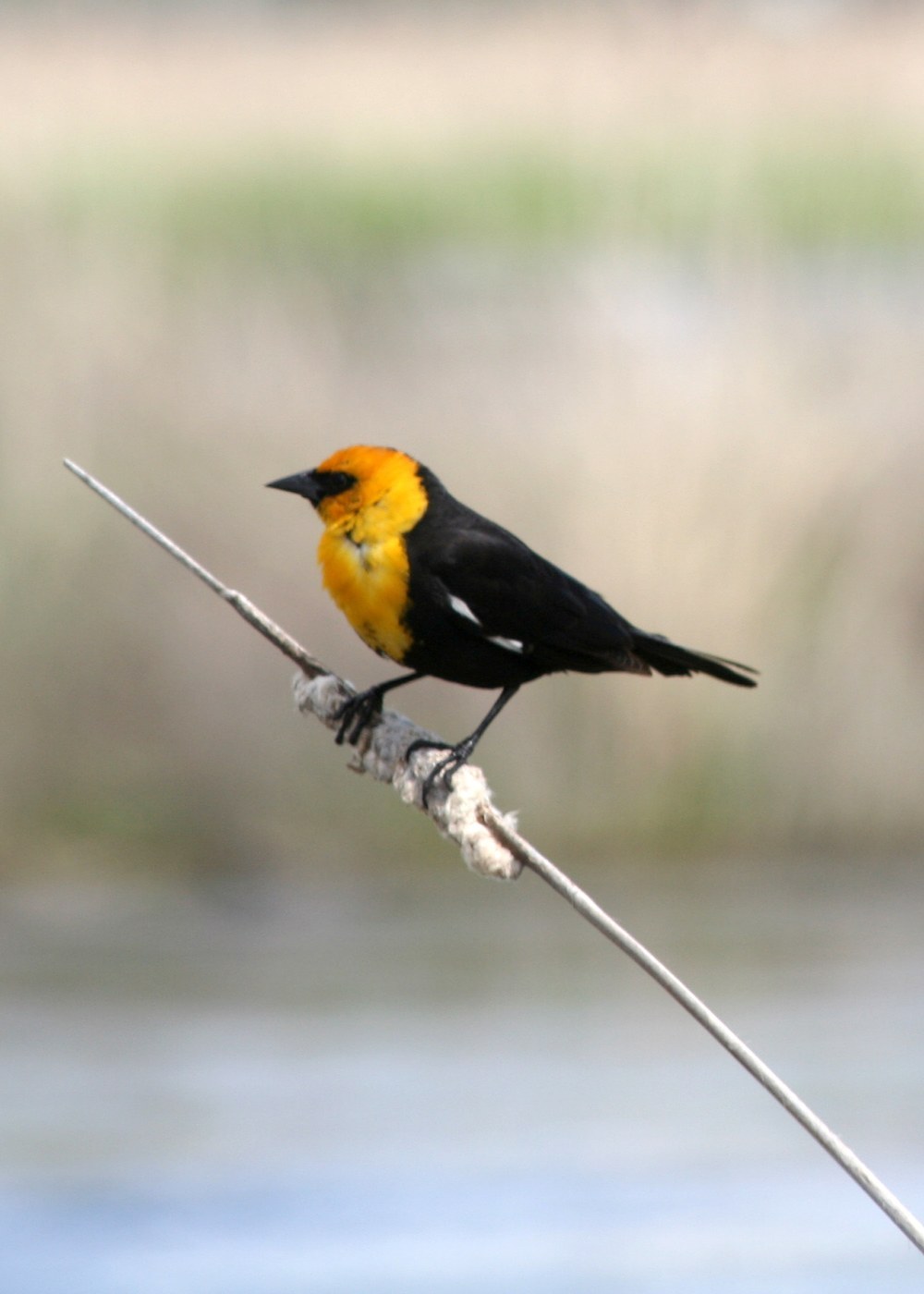
Yellow-headed Blackbird
Glossy black body plumage with a bright yellow head and breast

Yellow-eyed Junco
Contour and flight feathers

Yellow-fronted Canary
Small, smooth body plumage

Yellow-breasted Greenfinch
Compact, smooth body plumage