

Yellow-bellied Siskin
Spinus xanthogastrus
A tropical montane finch with a black head and back offset by warm yellow underparts, found in cloud-forest edges and clearings.
- Feather type
- Small pointed flight feathers; compact body plumage
- Colours
- Black head and upperparts, rich yellow underparts, yellow wing bars
- Bird size
- Sparrow-sized, ~10-11 cm
Found a feather like this?
Identify any feather from a photo, free.
Overview
Overview
The Yellow-bellied Siskin ranges through humid montane forests from Costa Rica south through the Andes into Bolivia, typically along forest edges, clearings, and second growth at middle to high elevations. Like other siskins, it forms active foraging flocks and shows a strong preference for seeding plants in open or semi-open habitat within otherwise forested landscapes.
Identifying the Feather
Feather Identification
- Male feathers are strongly bicolored: black hood and upperparts against saturated yellow underparts, more intensely yellow than in many related siskins
- Wings show narrow yellow bars formed by pale feather edges plus a yellow patch at the primary bases
- Tail feathers are black with yellow at the base, flashing in flight
- Females and immatures are duller olive above with paler yellow below and light streaking, lacking the crisp black hood
- Small, sharply pointed bill typical of siskins, suited for extracting small seeds
- Distinguished from similar Andean siskins by the combination of extensive black upperparts and deep yellow (rather than pale or greenish) underparts
Plumage & Molt
Plumage Notes
Adult males have a black head, nape, and back contrasting with rich yellow underparts and wing markings. Females and juveniles are olive above and paler yellow below, with subtle streaking and a less defined head pattern. A single annual molt follows breeding, and young birds take one to two molt cycles to attain full adult plumage.
Habitat & Range
Habitat & Range
Found from Costa Rica and Panama through the Andes of Colombia, Ecuador, Peru, and into Bolivia, generally at middle to upper montane elevations. It favors forest edge, clearings, and second growth rather than deep forest interior, and is largely resident with some local elevational movements tied to seeding cycles of preferred food plants.
Behavior & Field Notes
Behavior & Field Notes
This siskin forages in small to medium flocks, often clinging to seed heads of composites and grasses at forest edges, and takes some insect matter as well. Nests are built in shrubs or low trees, often well hidden. Vocalizations include a thin, wiry twittering typical of the genus, given both perched and in flight. Flocks are often detected first by their chattering calls as they move between feeding patches.
Frequently asked questions
How can I recognize a Yellow-bellied Siskin feather in the field?
Look for a black head and back paired with deeply saturated yellow underparts and yellow wing bars, more vivid yellow than in many similar montane siskins.
Where does the Yellow-bellied Siskin live?
It occurs in humid montane forest edges and clearings from Costa Rica south through the Andes to Bolivia.
How do females differ from males?
Females are duller olive above and paler yellow below with light streaking, lacking the male's solid black hood.
Does this species migrate?
It is mostly resident, though it may shift locally between elevations depending on food supply.
Yellow-bellied Siskin guides
In-depth guides for identifying and understanding Yellow-bellied Siskin.

Other feathers you may enjoy

Yellow-breasted Bunting
Contour and flight feathers, chestnut-and-yellow breeding pattern
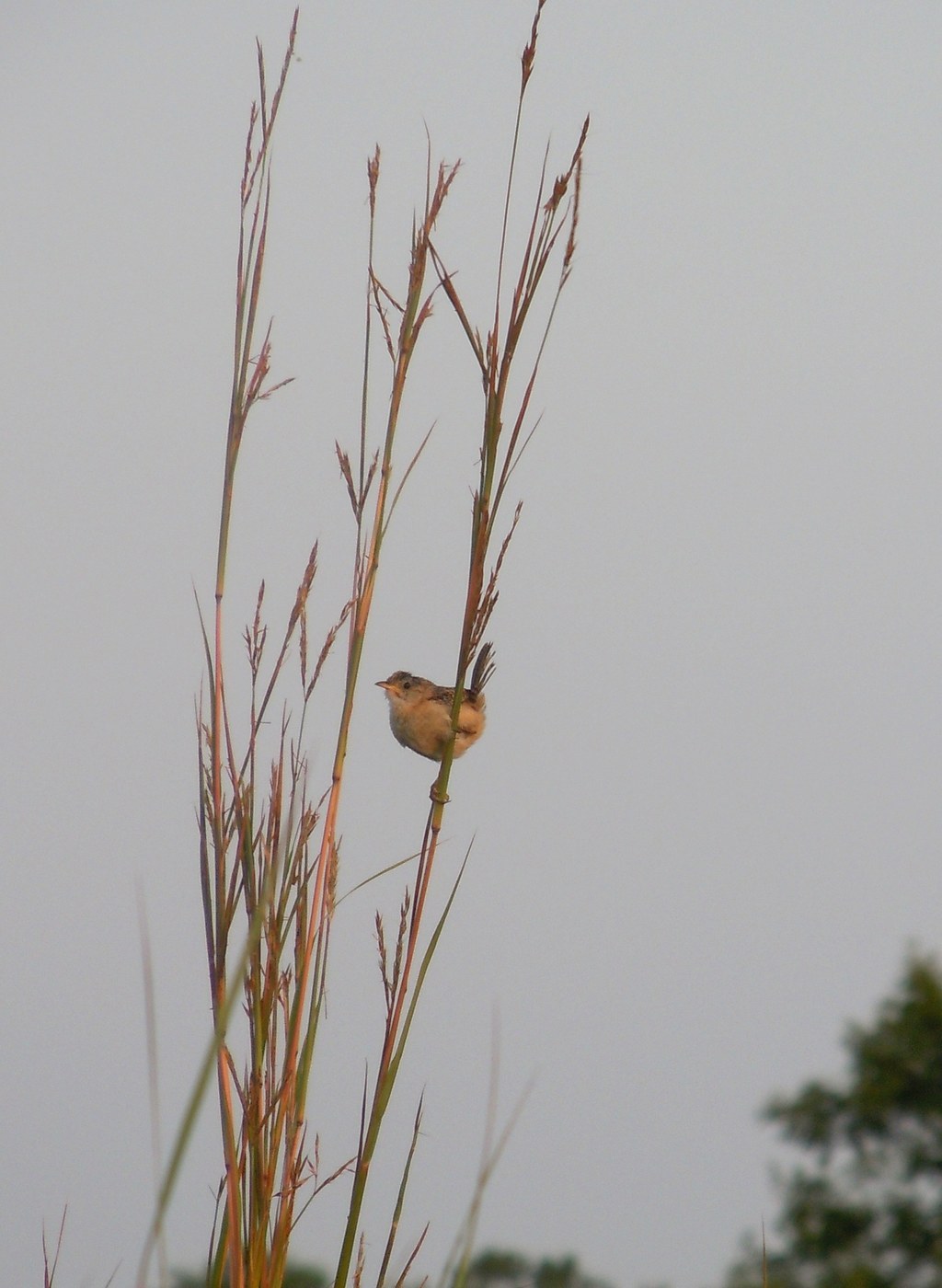
Sedge Wren
Tiny streaked crown and back feathers

Yellow-winged Cacique
Glossy black body feathers, yellow wing patch, shaggy crest

Yellow Warbler
Small contour and flight feathers
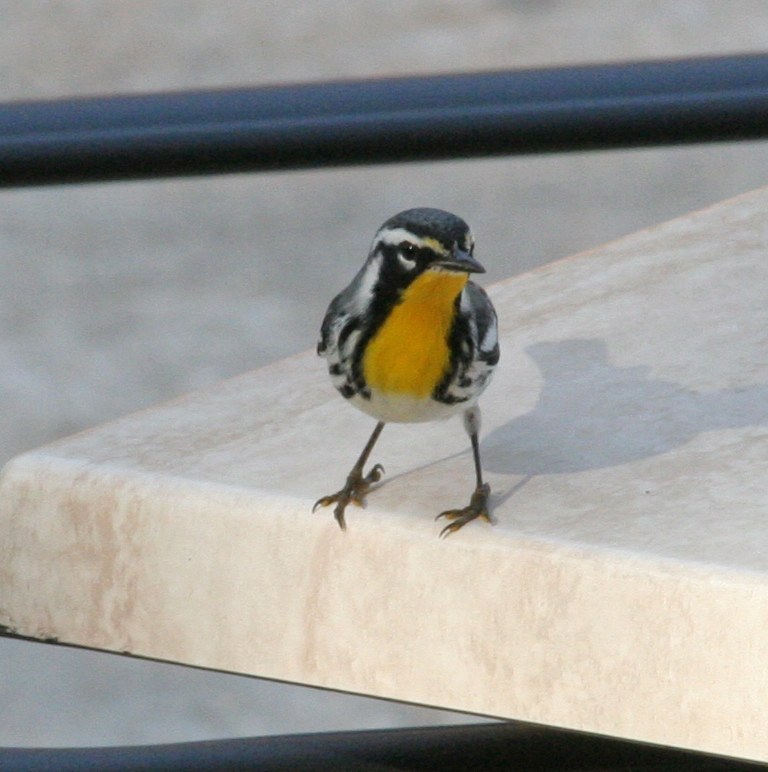
Yellow-throated Warbler
Small contour and flight feathers
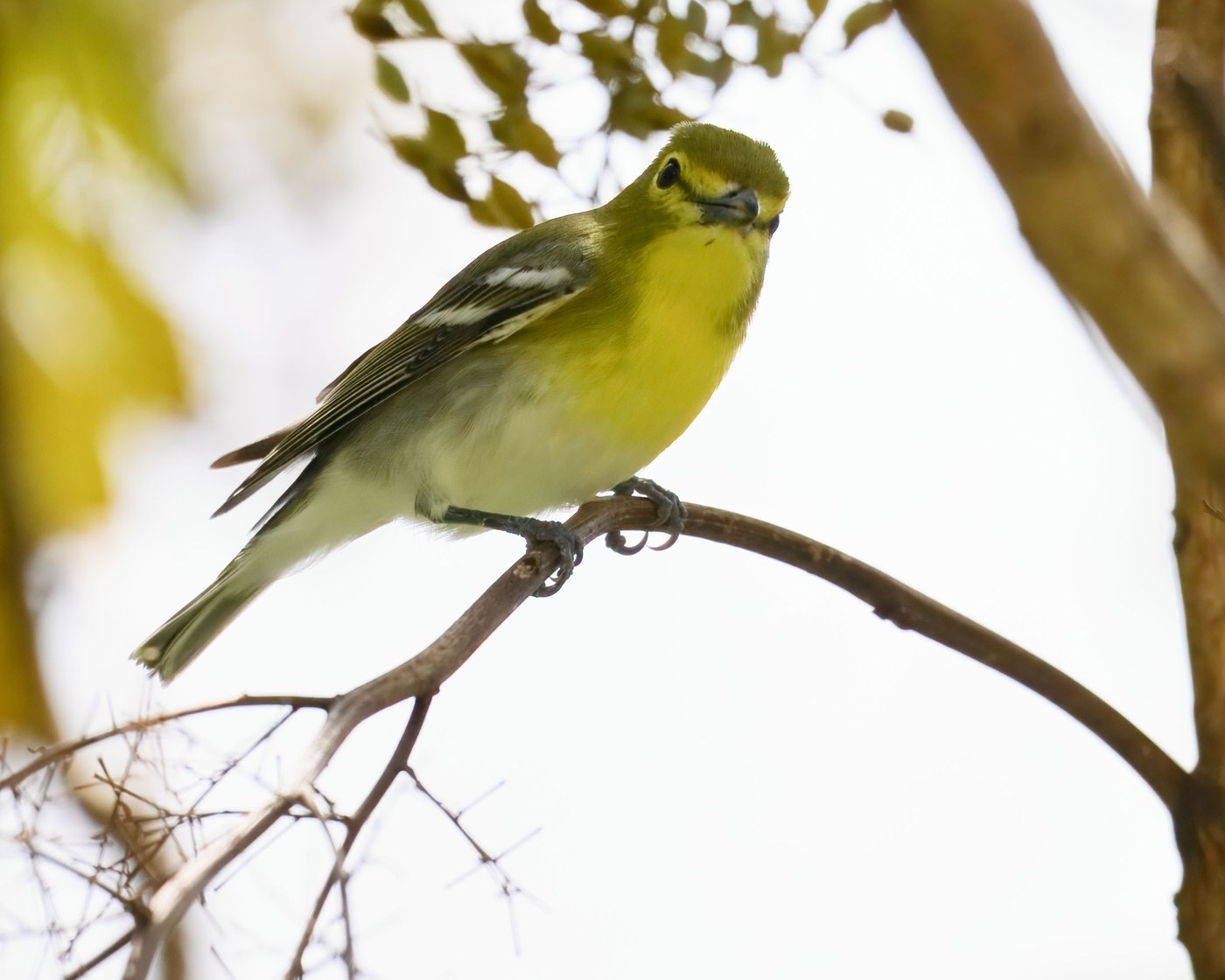
Yellow-throated Vireo
Bright yellow throat and spectacle feathers; olive-green back feathers; two white wing-bar feathers

Yellow-rumped Warbler
Small contour and flight feathers
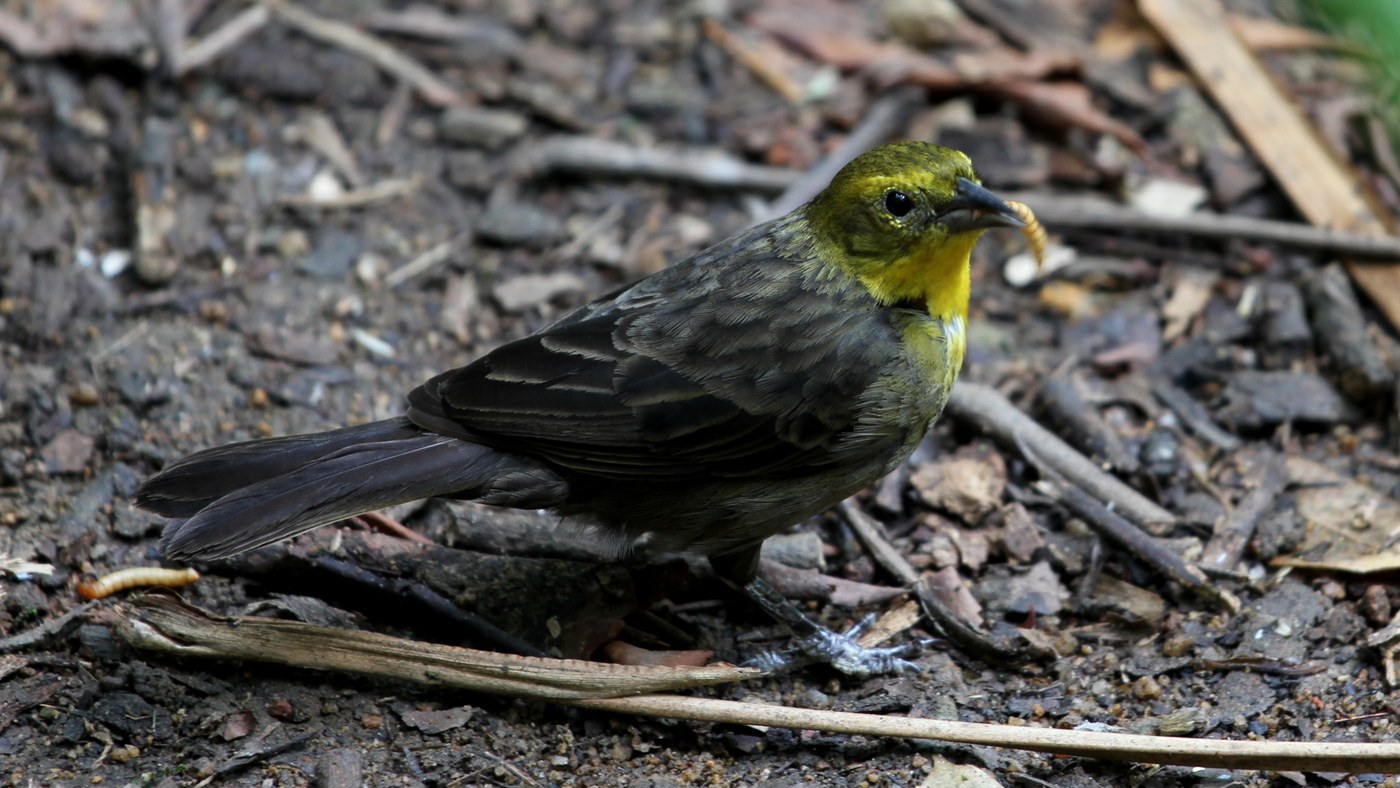
Yellow-hooded Blackbird
Contrasting hood and body feathers
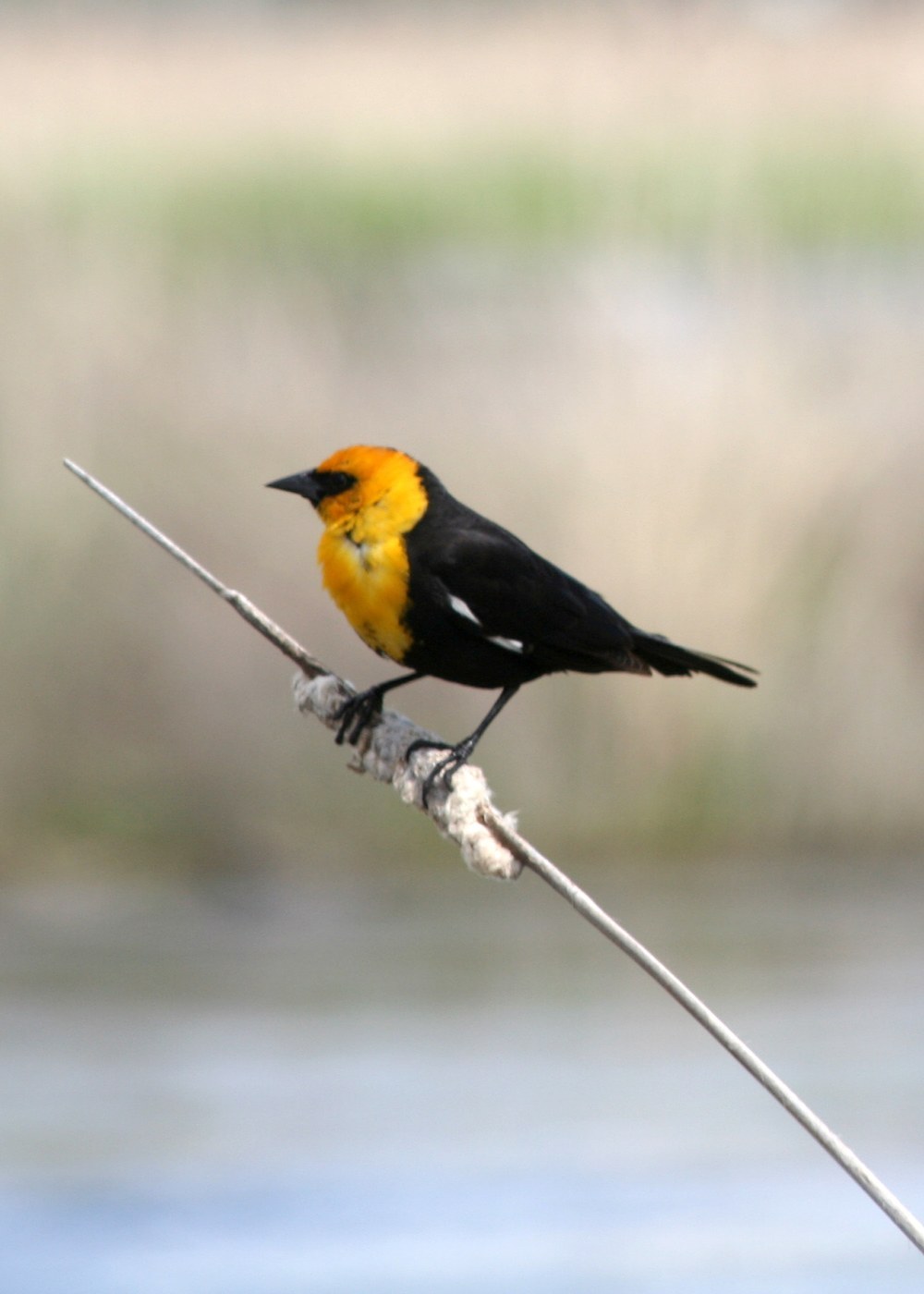
Yellow-headed Blackbird
Glossy black body plumage with a bright yellow head and breast

Yellow-eyed Junco
Contour and flight feathers

Yellow-fronted Canary
Small, smooth body plumage

Yellow-breasted Greenfinch
Compact, smooth body plumage