

Wood Thrush
Hylocichla mustelina
A woodland thrush with a warm rufous-brown back brightest on the head, and a boldly spotted white breast that gives it one of the most striking feather patterns among eastern forest songbirds.
- Feather type
- Soft, rounded contour feathers with bold spotting; broad rounded flight feathers
- Colours
- Rich rufous-brown above (brightest on the head), white below with large round black spots
- Bird size
- Medium-small, ~19-21 cm
Found a feather like this?
Identify any feather from a photo, free.
Overview
The Wood Thrush is celebrated for its flute-like, ethereal song echoing through eastern deciduous forests, and its plumage is equally distinctive: a rich cinnamon-rufous back, brightest on the crown, paired with a boldly spotted white breast reminiscent of a leopard pattern.
It forages on the forest floor among leaf litter, so its feathers are often found on the ground beneath the shaded understory of mature woodlands.
The bold, large round black spots on white underparts make its feathers among the more recognizable of North American thrush species when found intact.
Identifying the Feather
Identifying Wood Thrush feathers
- Upperpart feathers: Warm rufous-cinnamon, brightest and most saturated on the crown and nape, gradually shifting to a more olive-brown tone toward the rump and tail.
- Underpart feathers: White to off-white background with large, bold, round black spots, especially dense across the breast and upper belly — bolder and larger than the spotting of most other spotted thrushes.
- Flight feathers: Broad and rounded, olive-brown, without wingbars.
- Compared to similar species: Wood Thrush spotting is larger, rounder, and denser than the finer streak-like spotting of Hermit Thrush or Swainson's Thrush, and its crown is notably more rufous-bright than its back, unlike the more uniform brown of those relatives.
Plumage & Molt
Plumage overview
Adults have a bright rufous-cinnamon crown fading to warmer olive-brown on the back and rump, and a white breast and belly boldly marked with large round black spots that become sparser toward the lower belly. Sexes look alike.
Juveniles show additional buffy streaking and spotting on the back feathers, which is lost after the first molt. Adults undergo a complete molt after breeding, generally in late summer before migration.
Habitat & Range
Habitat and range
Wood Thrushes breed in mature deciduous and mixed forests across the eastern United States and southeastern Canada, favoring areas with a well-developed shaded understory and moist soil for foraging. They are long-distance migrants, wintering in Central America, particularly in shaded forest habitats similar to their breeding grounds.
Forest fragmentation on both breeding and wintering grounds has made this species a focus of conservation attention, though it remains fairly widespread.
Behavior & Field Notes
Behavior and field notes
Wood Thrushes forage on the forest floor, flipping leaf litter to find invertebrates, and also take small fruits later in the season. Their song is a rich, flute-like series of phrases often described as one of the most beautiful sounds in eastern forests, frequently given at dawn and dusk.
Nests are sturdy cups of mud, leaves, and grass placed in the fork of a shrub or small tree. A useful field note: feathers found on the forest floor beneath a mature canopy with a shaded understory are good candidates for this species, especially if bold black spotting on white is present.
Frequently asked questions
How do Wood Thrush feathers differ from Hermit Thrush feathers?
Wood Thrush breast spots are larger, bolder, and rounder, and its crown is more vividly rufous compared to the more uniformly brown back and finer spotting of a Hermit Thrush.
Why is the crown brighter than the rest of the back in this species?
The Wood Thrush shows a gradient of color intensity, with the richest rufous tone concentrated on the crown and fading to olive-brown toward the tail.
Where is a Wood Thrush feather most likely to be found?
On the floor of mature deciduous forest with a shaded understory, since this species forages and nests low in such habitat.
Do juvenile Wood Thrushes have different feather patterns?
Yes, juveniles show extra buffy streaking and spotting on the back feathers that adults lack after their first molt.
Wood Thrush guides
In-depth guides for identifying and understanding Wood Thrush.

Other feathers you may enjoy

Yellow-breasted Bunting
Contour and flight feathers, chestnut-and-yellow breeding pattern
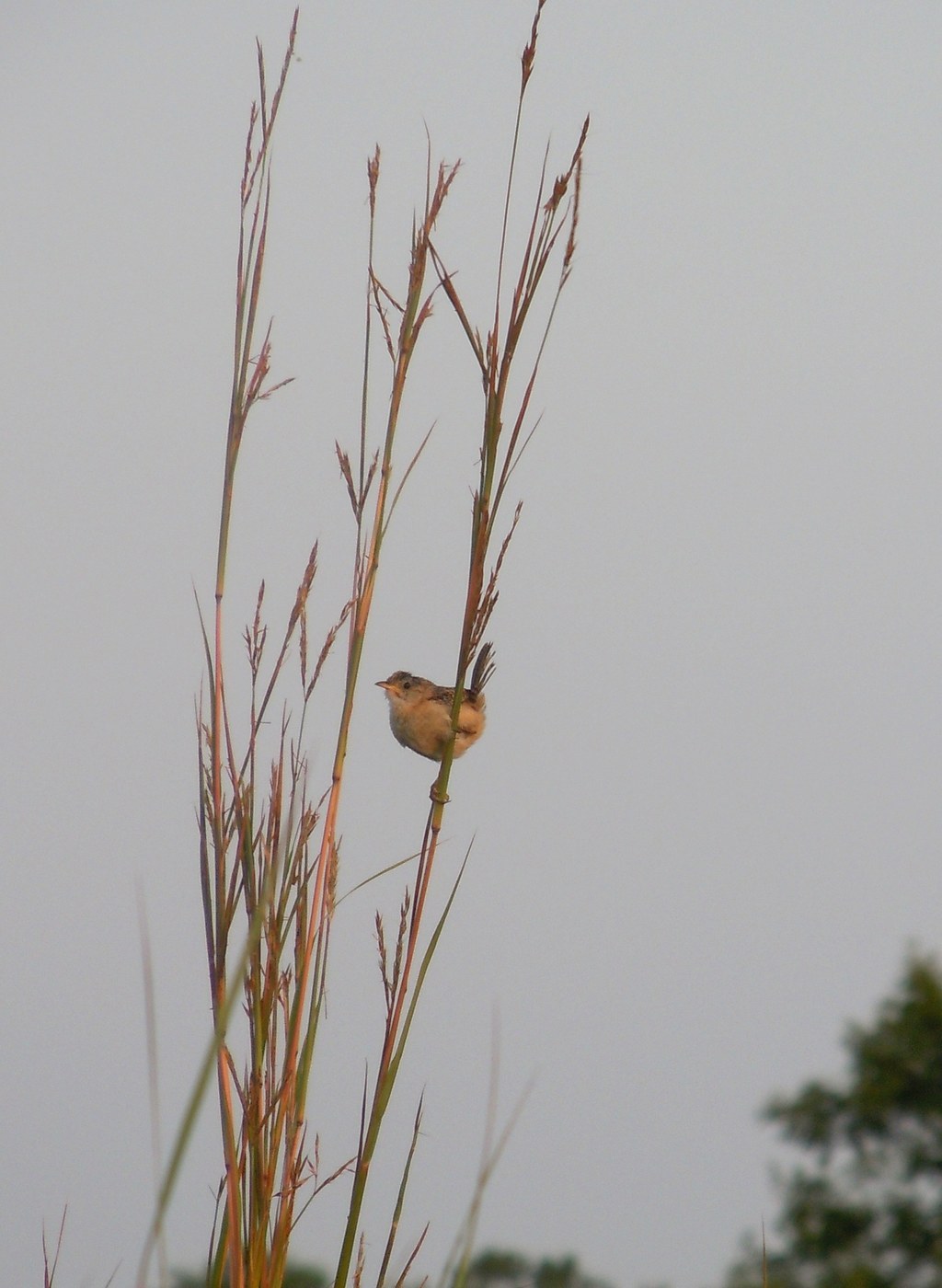
Sedge Wren
Tiny streaked crown and back feathers

Yellow-winged Cacique
Glossy black body feathers, yellow wing patch, shaggy crest

Yellow Warbler
Small contour and flight feathers
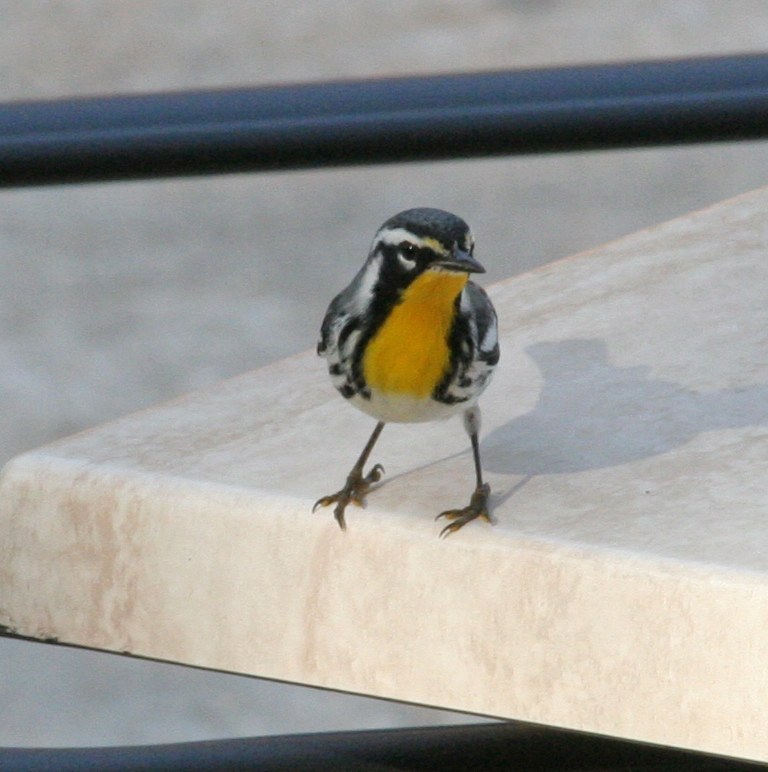
Yellow-throated Warbler
Small contour and flight feathers
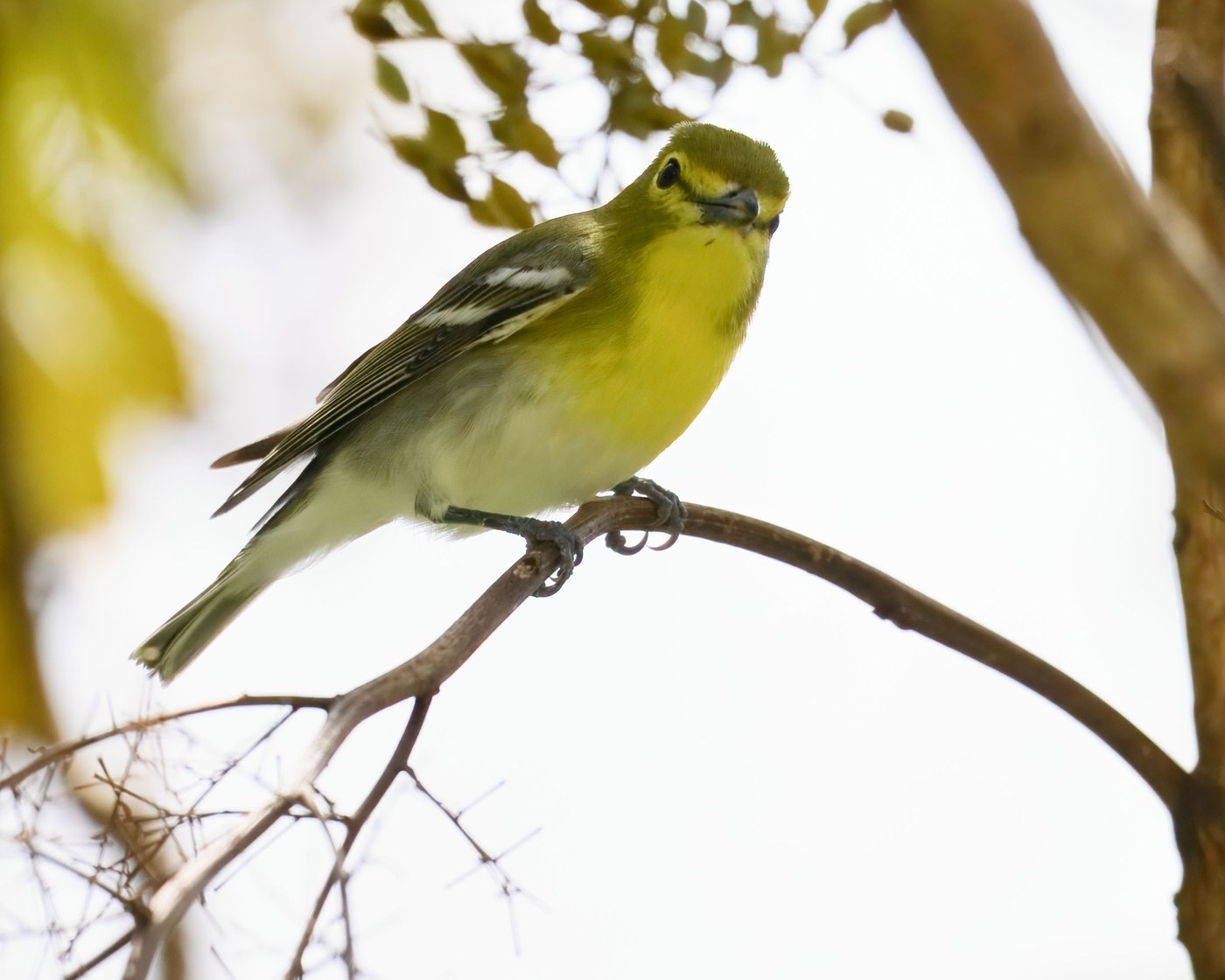
Yellow-throated Vireo
Bright yellow throat and spectacle feathers; olive-green back feathers; two white wing-bar feathers

Yellow-rumped Warbler
Small contour and flight feathers
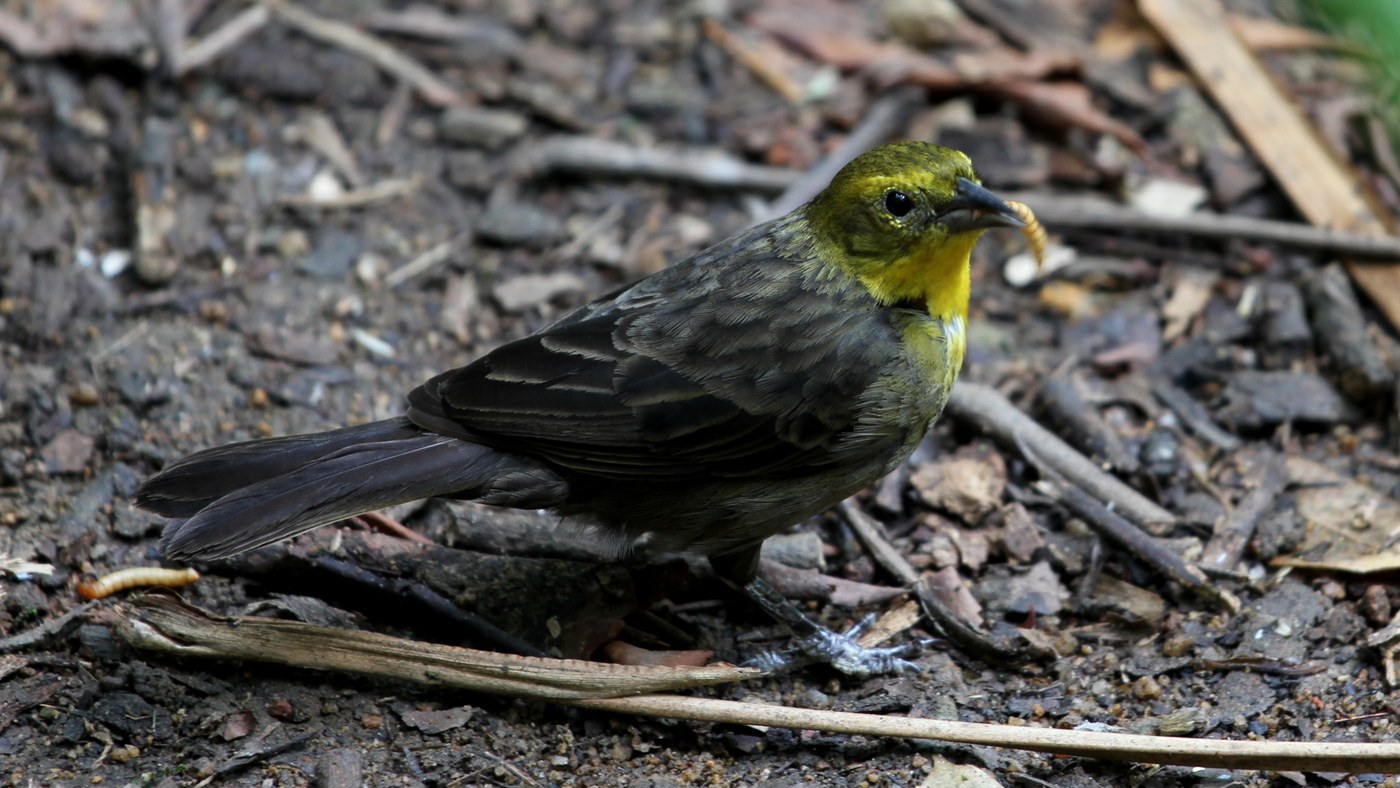
Yellow-hooded Blackbird
Contrasting hood and body feathers
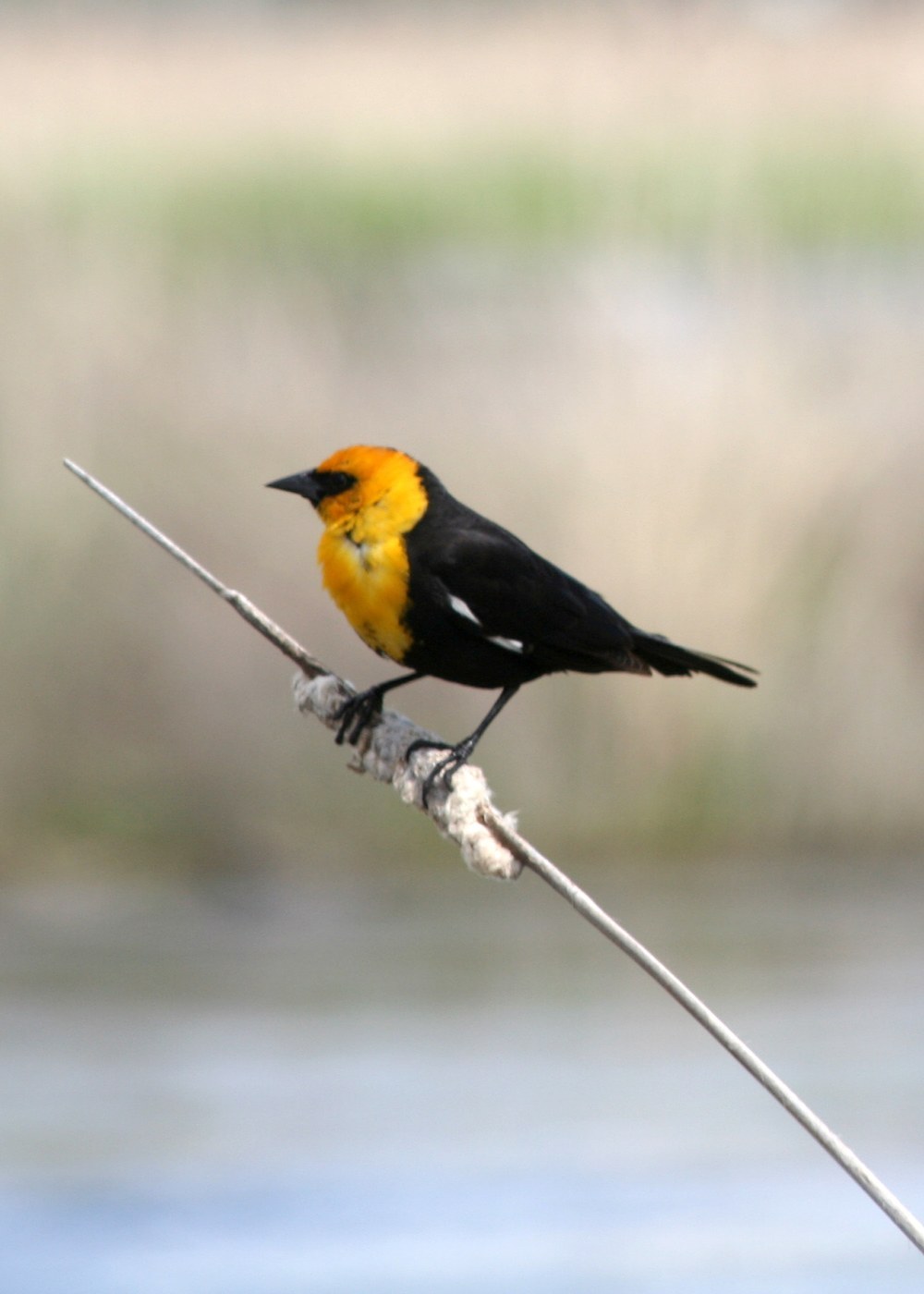
Yellow-headed Blackbird
Glossy black body plumage with a bright yellow head and breast

Yellow-eyed Junco
Contour and flight feathers

Yellow-fronted Canary
Small, smooth body plumage

Yellow-breasted Greenfinch
Compact, smooth body plumage