
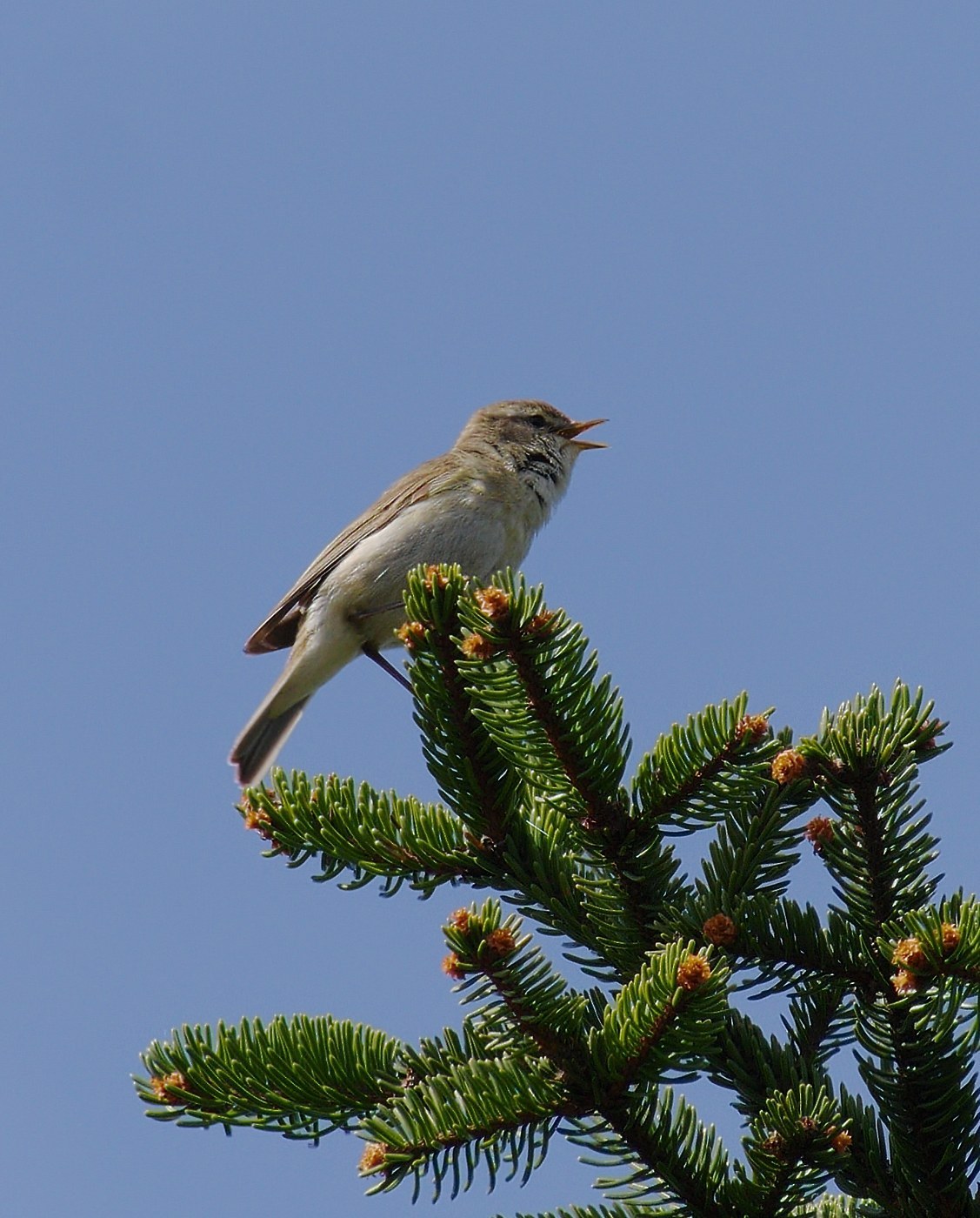
Willow Warbler
Phylloscopus trochilus
A tiny, long-distance migrant warbler nearly identical to the Chiffchaff, best separated at the feather level by slightly yellower tones and pale pinkish (rather than dark) legs.
- Feather type
- Tiny, soft yellow-olive body feathers; short rounded wing feathers; pale pinkish leg feathers/scales
- Colours
- Yellow-olive above, pale yellowish-white below, with pinkish legs
- Bird size
- Very small songbird, ~11.5 cm
Found a feather like this?
Identify any feather from a photo, free.
Overview
The Willow Warbler is one of the most numerous long-distance migrant songbirds in Europe, breeding widely across the continent and undertaking an impressive journey to sub-Saharan Africa each winter. It is extremely similar in appearance to the Common Chiffchaff, and the two are among the classic pairs of confusable European birds.
Despite the strong resemblance, Willow Warblers tend to look slightly brighter and yellower overall, particularly in fresh plumage, and favor slightly more open scrub and young woodland compared to the Chiffchaff's preference for taller trees.
A Willow Warbler feather is best separated from a Chiffchaff feather by its pale pinkish leg coloring (versus dark legs in Chiffchaff) and a generally more defined pale eyebrow stripe, alongside a subtly yellower body tone.
Identifying the Feather
Body feathers
- Small and soft, yellow-olive above and pale yellowish-white below, typically appearing slightly brighter than Chiffchaff.
Facial feathers
- A more clearly defined pale eyebrow stripe than in Chiffchaff, though still subtle compared to bolder warblers.
Leg feathering/scales
- Legs are pale pinkish-brown, the most reliable feather-adjacent clue separating this species from the dark-legged Chiffchaff.
Size
- Tiny, similar in scale to Chiffchaff feathers.
Confusion species
Chiffchaff is nearly identical but generally duller olive-brown with dark legs; when leg material is present, pale pink legs point strongly to Willow Warbler.
Plumage & Molt
Adults are yellow-olive above and pale yellowish-white below, with a more defined pale eyebrow stripe than Chiffchaff and pale pinkish legs. Males and females look alike.
Juveniles are typically brighter yellow than adults, especially in fresh late-summer plumage.
Willow Warblers are notable among European songbirds for often undergoing two molts a year: a partial molt before autumn migration and a more complete molt on or after arrival in African wintering grounds.
Habitat & Range
Willow Warblers favor open woodland, scrub, and young growth including birch and willow stands, generally slightly more open habitat than the taller woodland preferred by Chiffchaff.
The species is a long-distance migrant, breeding across most of Europe and wintering in sub-Saharan Africa, making it one of the farthest-traveling small European songbirds.
Behavior & Field Notes
Willow Warblers feed on small invertebrates gleaned from foliage, foraging actively through scrub and open woodland canopy. Their song is a gentle, descending series of sweet notes, quite different from the simple repetitive song of Chiffchaff and a much more reliable identification tool than plumage.
They build a domed nest on or near the ground, well concealed in vegetation.
A tiny yellow-olive feather with pale pinkish leg material attached, found in scrub or open woodland, points toward Willow Warbler over the very similar Chiffchaff.
Frequently asked questions
What is the most reliable clue for separating Willow Warbler and Chiffchaff feathers?
Leg color — Willow Warbler has pale pinkish legs, while Chiffchaff has dark blackish-brown legs.
Are Willow Warbler feathers brighter than Chiffchaff feathers?
Generally yes, Willow Warblers tend to look slightly yellower and brighter, especially in fresh plumage, though the difference can be subtle.
How far does the Willow Warbler migrate?
It travels from breeding grounds across Europe to winter in sub-Saharan Africa, one of the longer migrations among small European songbirds.
Does the Willow Warbler molt more than once a year?
Yes, it often has a partial molt before migration and a more complete molt after arriving on the African wintering grounds, somewhat unusual among European songbirds.
Where would I find a Willow Warbler feather?
In open woodland, scrub, or young birch and willow growth during the breeding season in Europe.
Willow Warbler guides
In-depth guides for identifying and understanding Willow Warbler.
Other feathers you may enjoy

Yellow-breasted Bunting
Contour and flight feathers, chestnut-and-yellow breeding pattern
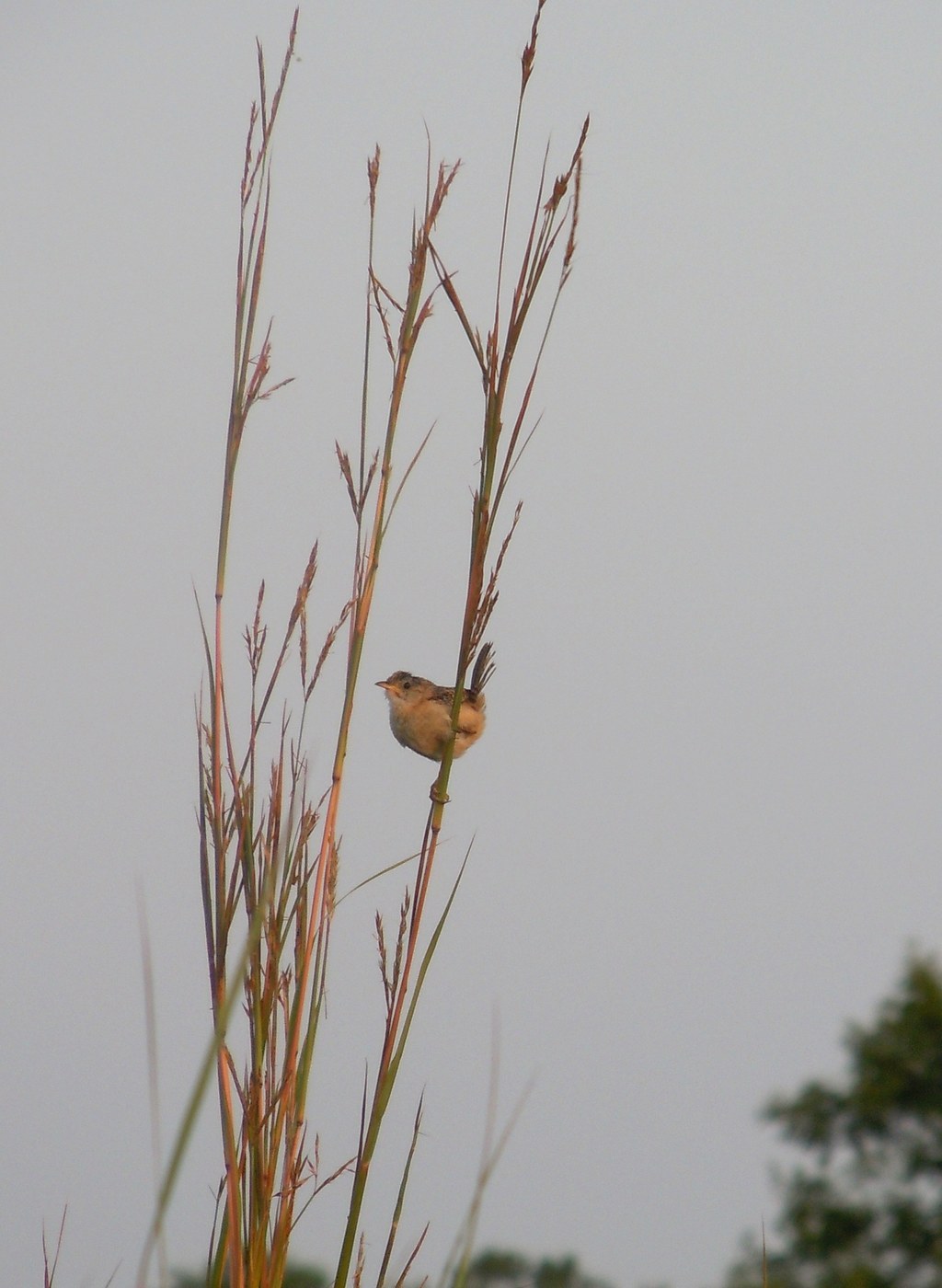
Sedge Wren
Tiny streaked crown and back feathers

Yellow-winged Cacique
Glossy black body feathers, yellow wing patch, shaggy crest

Yellow Warbler
Small contour and flight feathers
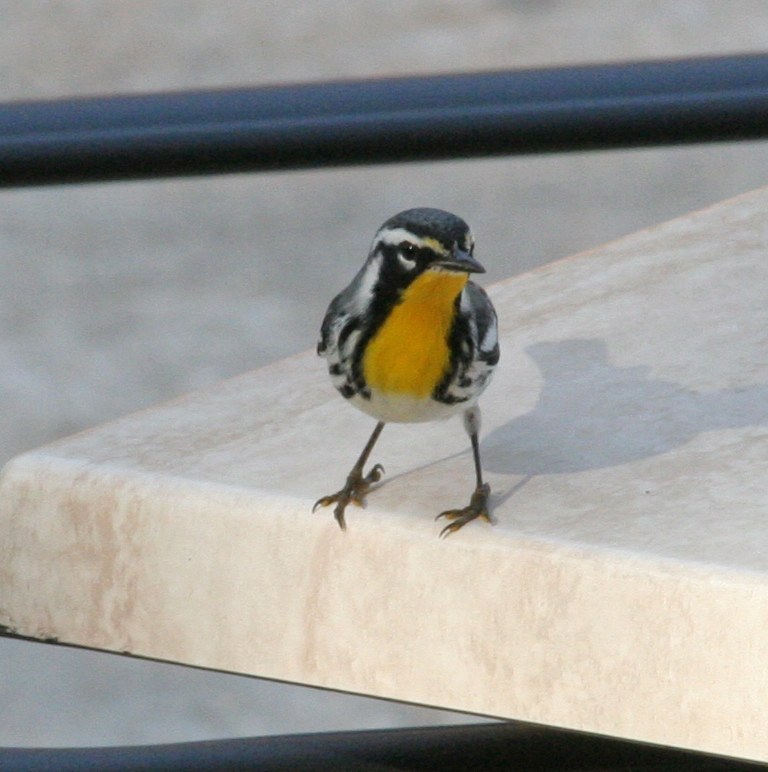
Yellow-throated Warbler
Small contour and flight feathers
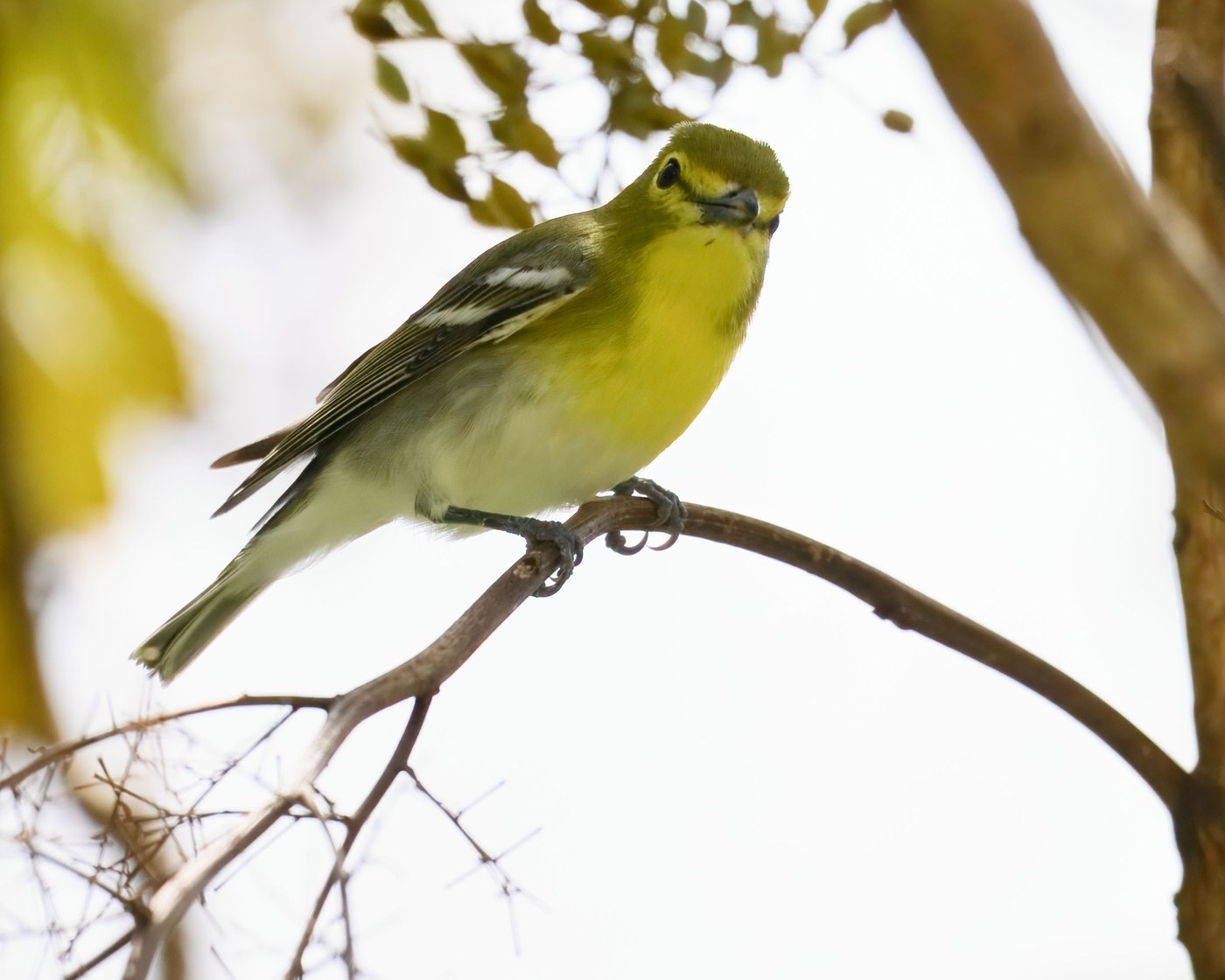
Yellow-throated Vireo
Bright yellow throat and spectacle feathers; olive-green back feathers; two white wing-bar feathers

Yellow-rumped Warbler
Small contour and flight feathers
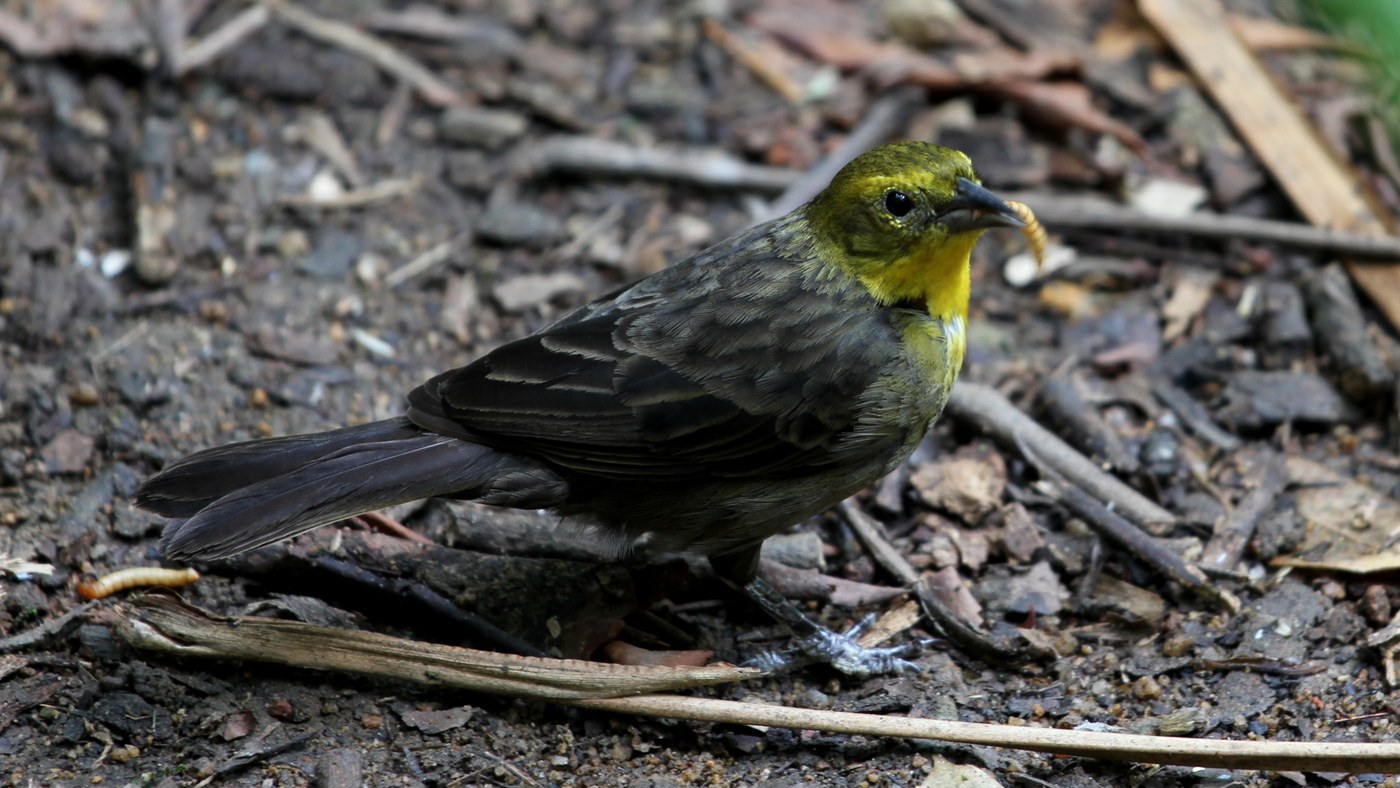
Yellow-hooded Blackbird
Contrasting hood and body feathers
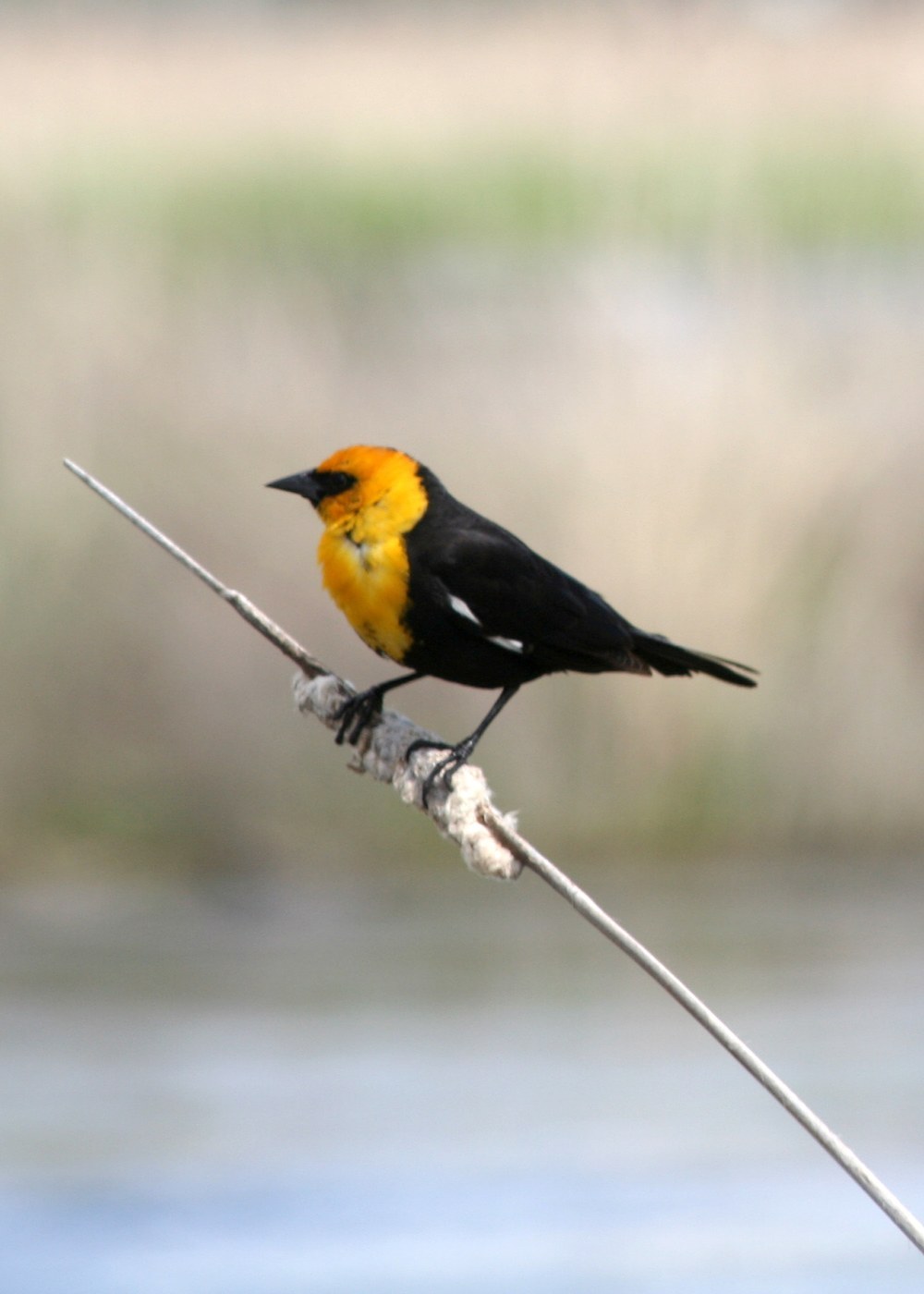
Yellow-headed Blackbird
Glossy black body plumage with a bright yellow head and breast

Yellow-eyed Junco
Contour and flight feathers

Yellow-fronted Canary
Small, smooth body plumage

Yellow-breasted Greenfinch
Compact, smooth body plumage