

White-breasted Nuthatch
Sitta carolinensis
The White-breasted Nuthatch is a tree-climbing songbird whose clean blue-gray back and pure white face and breast feathers are easy to separate from most other backyard species.
- Feather type
- Blue-gray back feathers; white face & breast feathers; short squared tail feathers
- Colours
- Blue-gray upperparts, black cap, white face and underside, rusty undertail
- Bird size
- Sparrow-sized, ~13-14 cm
Found a feather like this?
Identify any feather from a photo, free.
Overview
Overview
The White-breasted Nuthatch is a compact, tree-climbing songbird well known for creeping headfirst down tree trunks. Its clean blue-gray back and crisp white face give it feathers that are easy to separate from most other backyard species.
It is widespread across North American forests and, being non-migratory, its feathers can appear near feeders and woodlots at any time of year.
Identifying the Feather
Recognizing the Feathers
- Back feathers: smooth blue-gray, unbarred
- Face & breast feathers: clean white, unmarked
- Cap feathers: black (male) or gray-black (female), contrasting with the white face
- Undertail feathers: rusty-chestnut patch, a helpful confirming clue
- Tail feathers: short, blackish with white corner spots
The combination of blue-gray back with pure white face/breast is distinctive; the Red-breasted Nuthatch, by contrast, shows rusty-orange underparts rather than white.
Plumage & Molt
Plumage
Males show a solid black cap; females often show a duller, grayer cap. Both sexes share the blue-gray back and white face/breast, with rusty undertail coverts. Juveniles resemble adults closely. One complete molt occurs after breeding.
Habitat & Range
Habitat & Range
This species is a permanent resident of mature deciduous and mixed forests, woodlots, and wooded suburbs across most of the United States and southern Canada. It does not migrate.
Behavior & Field Notes
Behavior & Field Notes
White-breasted Nuthatches forage by creeping down tree trunks head-first, probing bark crevices for insects, and cache seeds in bark for later use. They nest in tree cavities, and their call is a nasal, repeated note. A blue-gray, unbarred back feather paired with a clean white breast feather is a solid identifier for this species.
Frequently asked questions
How is a White-breasted Nuthatch feather different from a Red-breasted Nuthatch feather?
The White-breasted has a pure white breast, while the Red-breasted shows rusty-orange underparts.
What color is the nuthatch's back feather?
Smooth blue-gray, without barring.
Do male and female feathers differ?
Mainly in cap color - males show solid black, females a duller gray-black.
Is there any rust coloring on this species?
Yes, a rusty patch under the tail, but not on the breast.
White-breasted Nuthatch guides
In-depth guides for identifying and understanding White-breasted Nuthatch.

White-breasted Nuthatch identified by the community
Real feathers identified with Feather Identifier.

Other feathers you may enjoy

Yellow-breasted Bunting
Contour and flight feathers, chestnut-and-yellow breeding pattern
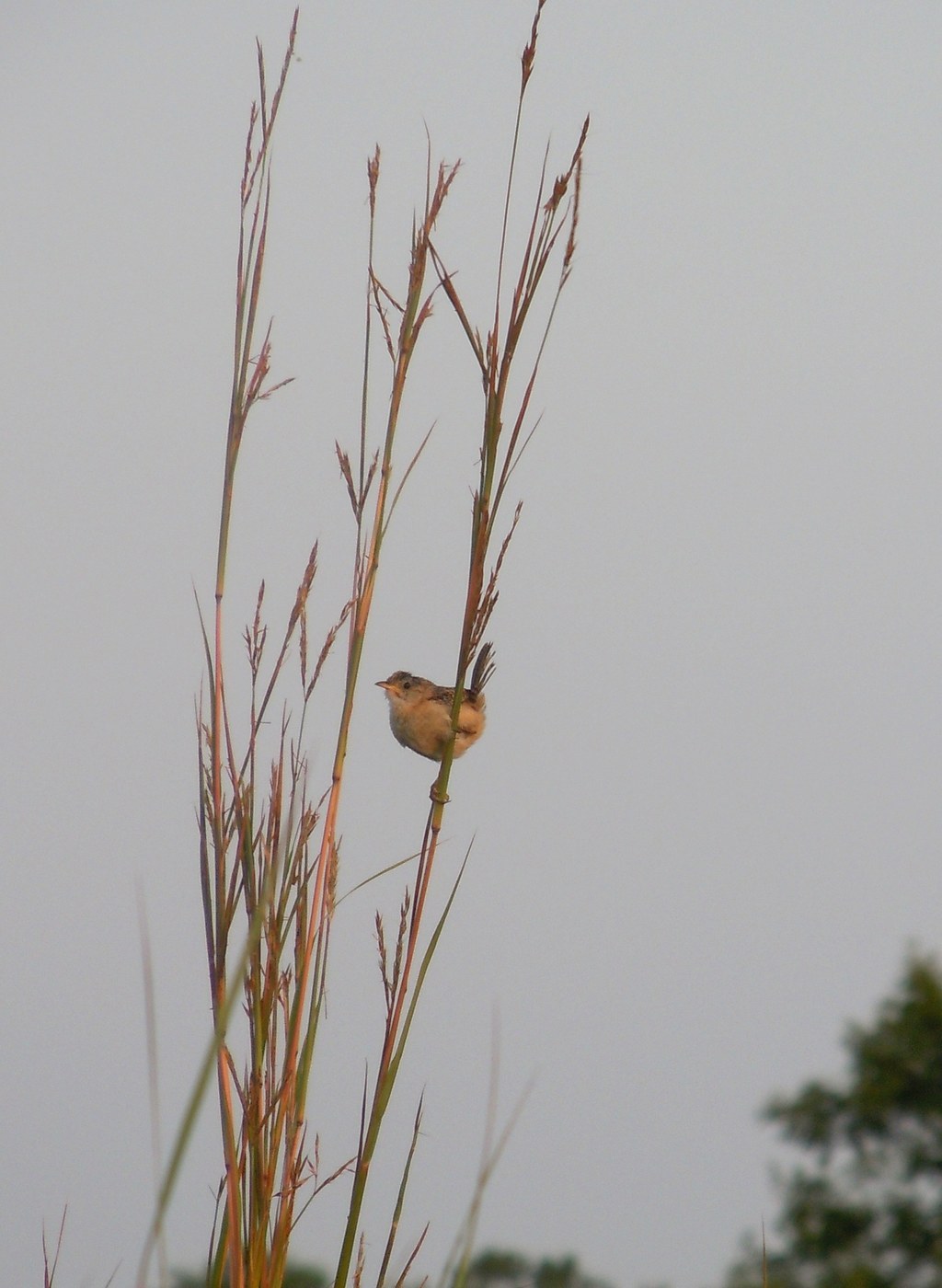
Sedge Wren
Tiny streaked crown and back feathers

Yellow-winged Cacique
Glossy black body feathers, yellow wing patch, shaggy crest

Yellow Warbler
Small contour and flight feathers
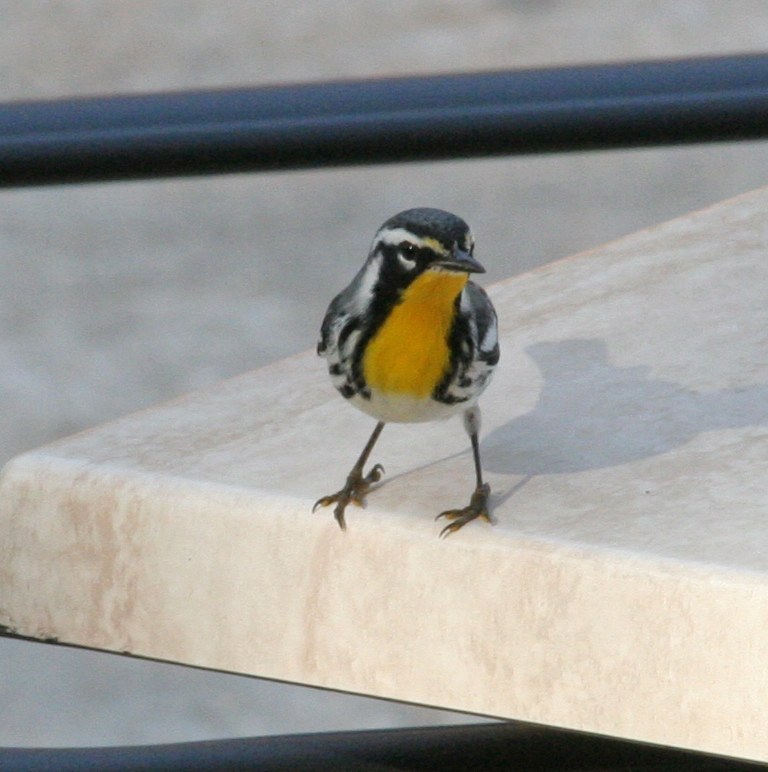
Yellow-throated Warbler
Small contour and flight feathers
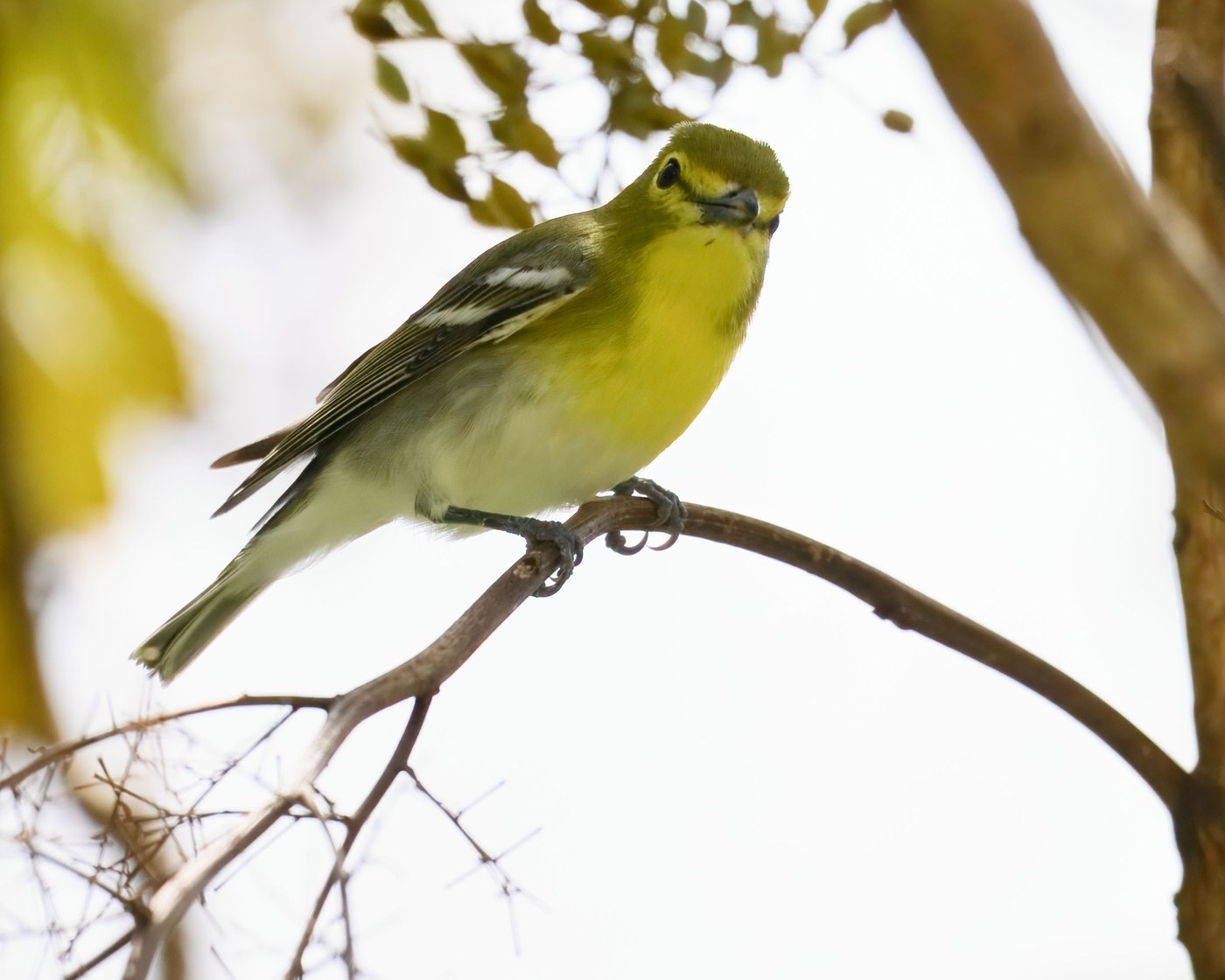
Yellow-throated Vireo
Bright yellow throat and spectacle feathers; olive-green back feathers; two white wing-bar feathers

Yellow-rumped Warbler
Small contour and flight feathers
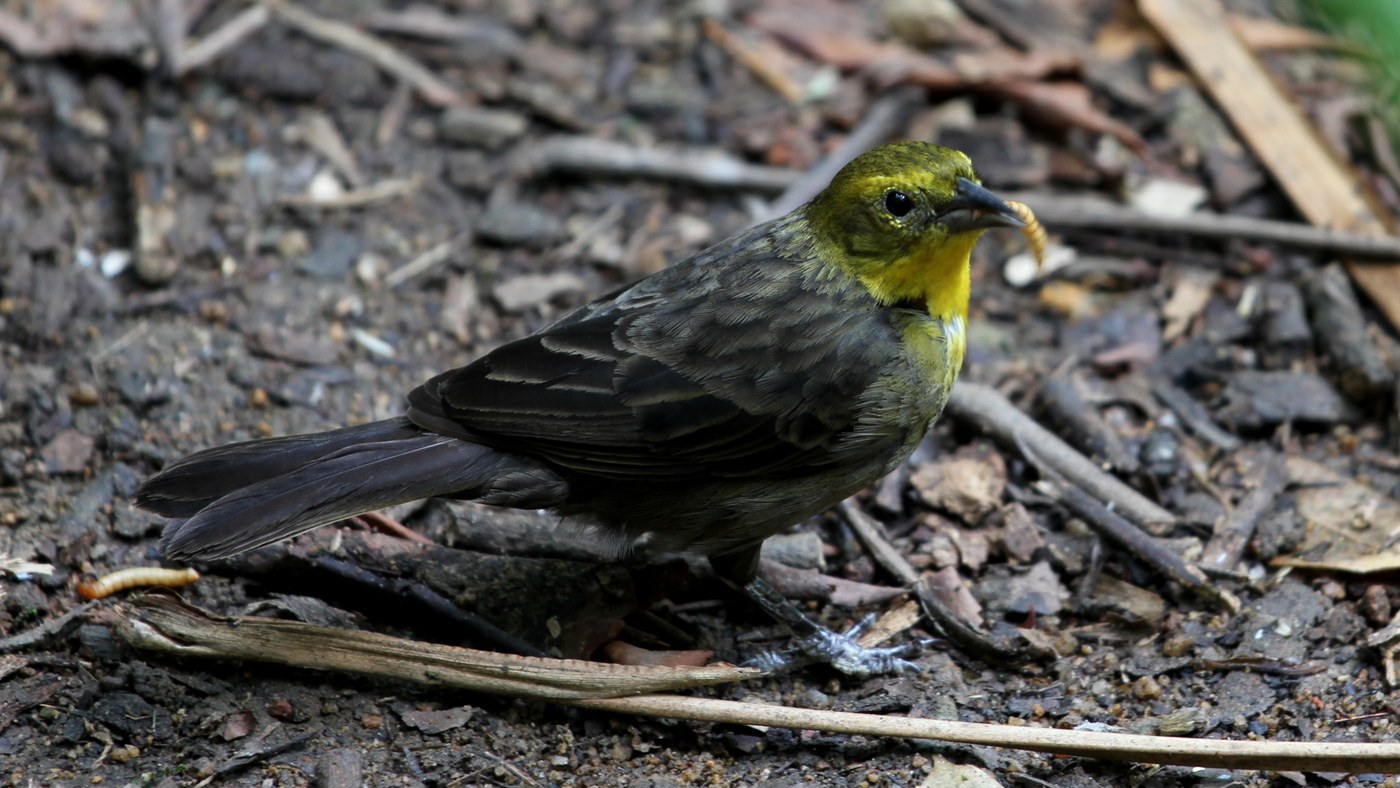
Yellow-hooded Blackbird
Contrasting hood and body feathers
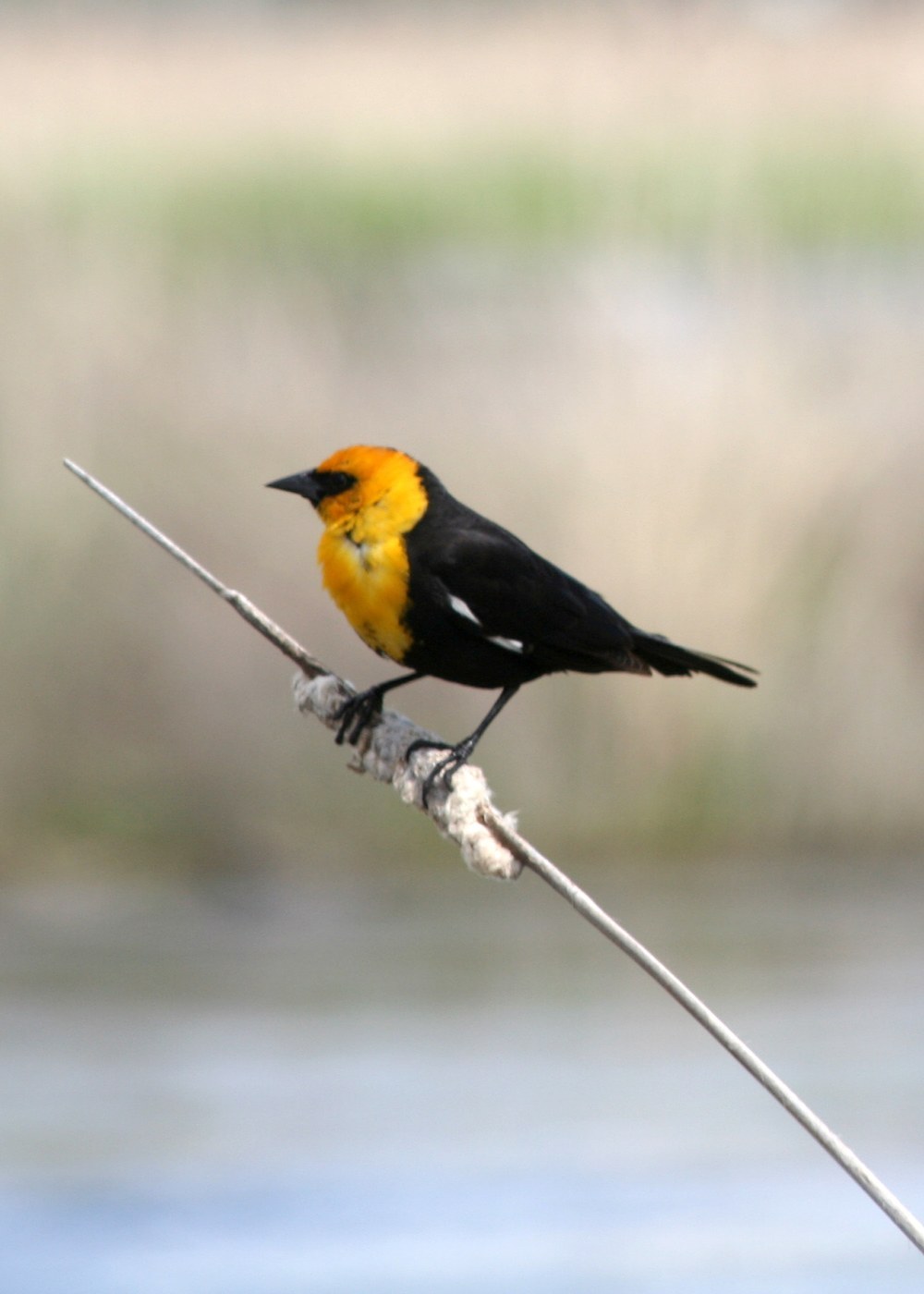
Yellow-headed Blackbird
Glossy black body plumage with a bright yellow head and breast

Yellow-eyed Junco
Contour and flight feathers

Yellow-fronted Canary
Small, smooth body plumage

Yellow-breasted Greenfinch
Compact, smooth body plumage