
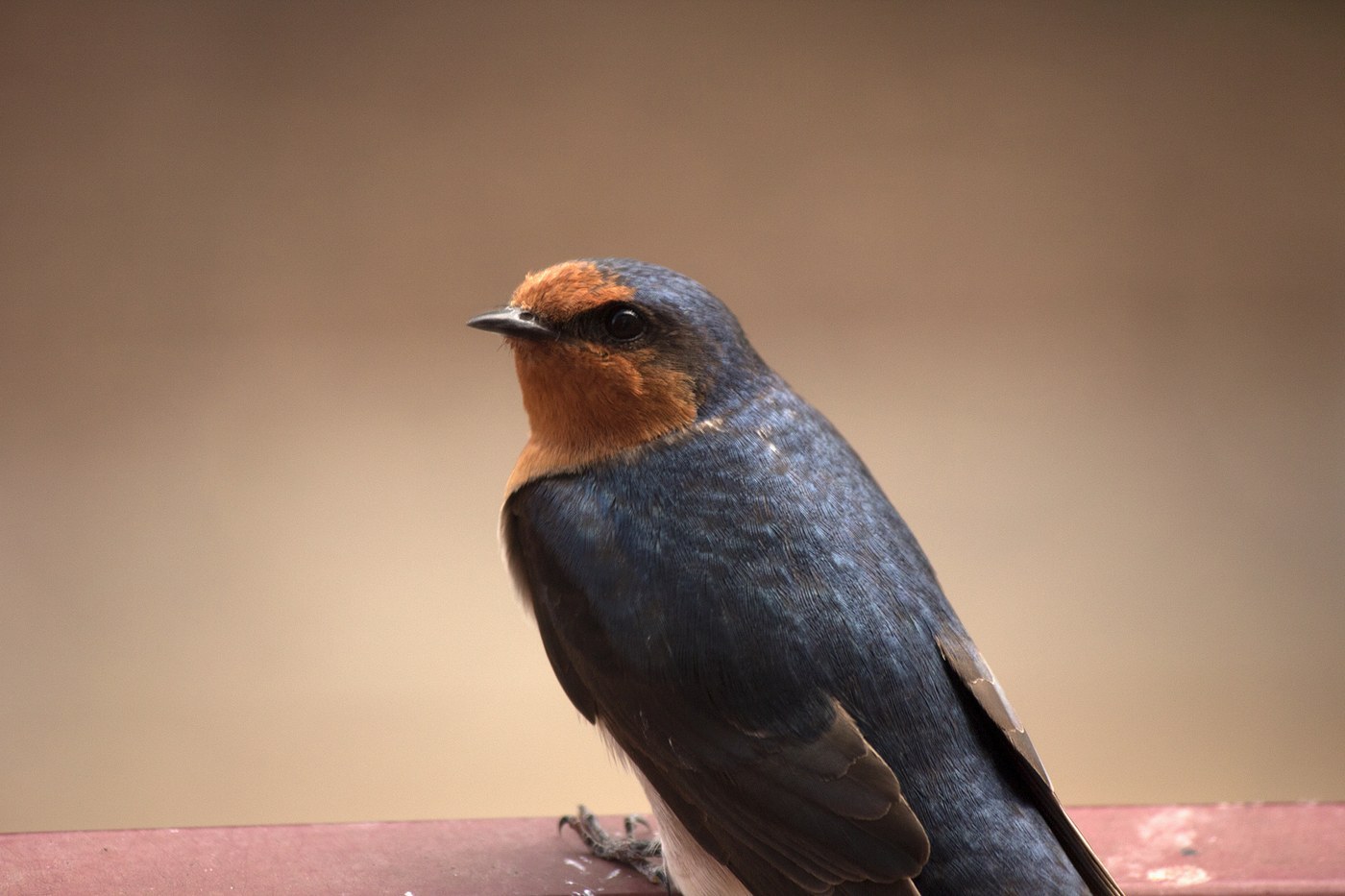
Welcome Swallow
Hirundo neoxena
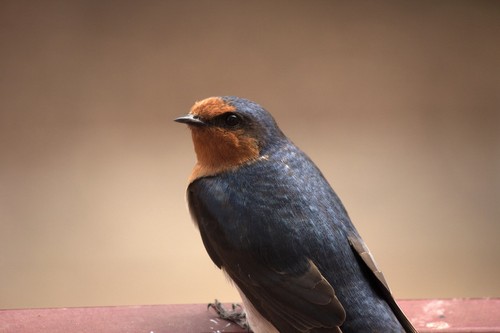
The Welcome Swallow is a small, agile aerial insectivore with glossy blue-black upperparts, a rufous face, and a deeply forked tail, common over open country and towns.
- Feather type
- Sleek, glossy contour feathers with long, pointed flight feathers
- Colours
- Glossy blue-black upperparts with a rufous forehead and throat
- Bird size
- Small, ~15 cm
Found a feather like this?
Identify any feather from a photo, free.
Overview
Overview
The Welcome Swallow is the common swallow of Australia and, since natural colonisation in the twentieth century, New Zealand as well. It is closely related to the Northern Hemisphere's Barn Swallow and shares its graceful, agile flight and mud-cup nesting habits.
- Family: Hirundinidae (swallows and martins)
- Distribution: Australia, New Zealand, and nearby islands
- Notable trait: constant fast, swooping flight low over open ground
Identifying the Feather
Feather Identification
Upperpart feathers are glossy blue-black with a metallic sheen, while the forehead and throat are rufous-chestnut, fading to a pale buff or grey-white on the rest of the underparts. The tail is deeply forked with elongated outer feathers and small white spots visible on the underside in flight, similar in structure to the Barn Swallow's tail.
- Overall pattern: glossy dark upperparts, rufous face, pale belly
- Key mark: deeply forked tail with white spots near the tips
- Compare with: Barn Swallow (very similar structure; Welcome Swallow typically shows a plainer breast band and duller underparts)
Plumage & Molt
Plumage
Sexes look similar, though males often have slightly longer tail streamers. Juveniles are duller with shorter tail forks and a paler, less rufous face, gaining full adult plumage and tail length after their first moult. There is no distinct seasonal plumage beyond normal feather wear and renewal.
Habitat & Range
Habitat & Range
Welcome Swallows favour open farmland, wetland edges, coastlines, and urban areas, frequently nesting on buildings, bridges, and other structures. Southern populations are partially migratory, moving north in the non-breeding season, while others are resident year-round.
Behavior & Field Notes
Behavior & Field Notes
This species feeds almost entirely on flying insects caught on the wing during fast, low, swooping flight, often over water or open fields. It nests in mud cups built under eaves, bridges, or ledges, and frequently gathers in large flocks on wires outside the breeding season. Calls include soft twittering notes given in flight.
- Diet: flying insects caught in the air
- Voice: soft, continuous twittering
- Field note: frequently seen skimming low over grass or water in pursuit of insects
Frequently asked questions
How is the Welcome Swallow different from the Barn Swallow?
The two are very similar in shape and colour; the Welcome Swallow generally shows a less complete dark breast band and slightly duller underparts, and occupies Australia and New Zealand rather than the Northern Hemisphere.
Where do Welcome Swallows build their nests?
They construct open mud cup nests on man-made structures such as eaves, verandas, bridges, and culverts, as well as natural ledges.
Do Welcome Swallows migrate?
Some southern populations move north outside the breeding season, while others remain resident, so movements vary by region.
What is distinctive about its tail feathers?
The tail is deeply forked with elongated outer feathers and small white spots near the tips, visible from below in flight.
Welcome Swallow guides
In-depth guides for identifying and understanding Welcome Swallow.
Other feathers you may enjoy

Yellow-breasted Bunting
Contour and flight feathers, chestnut-and-yellow breeding pattern
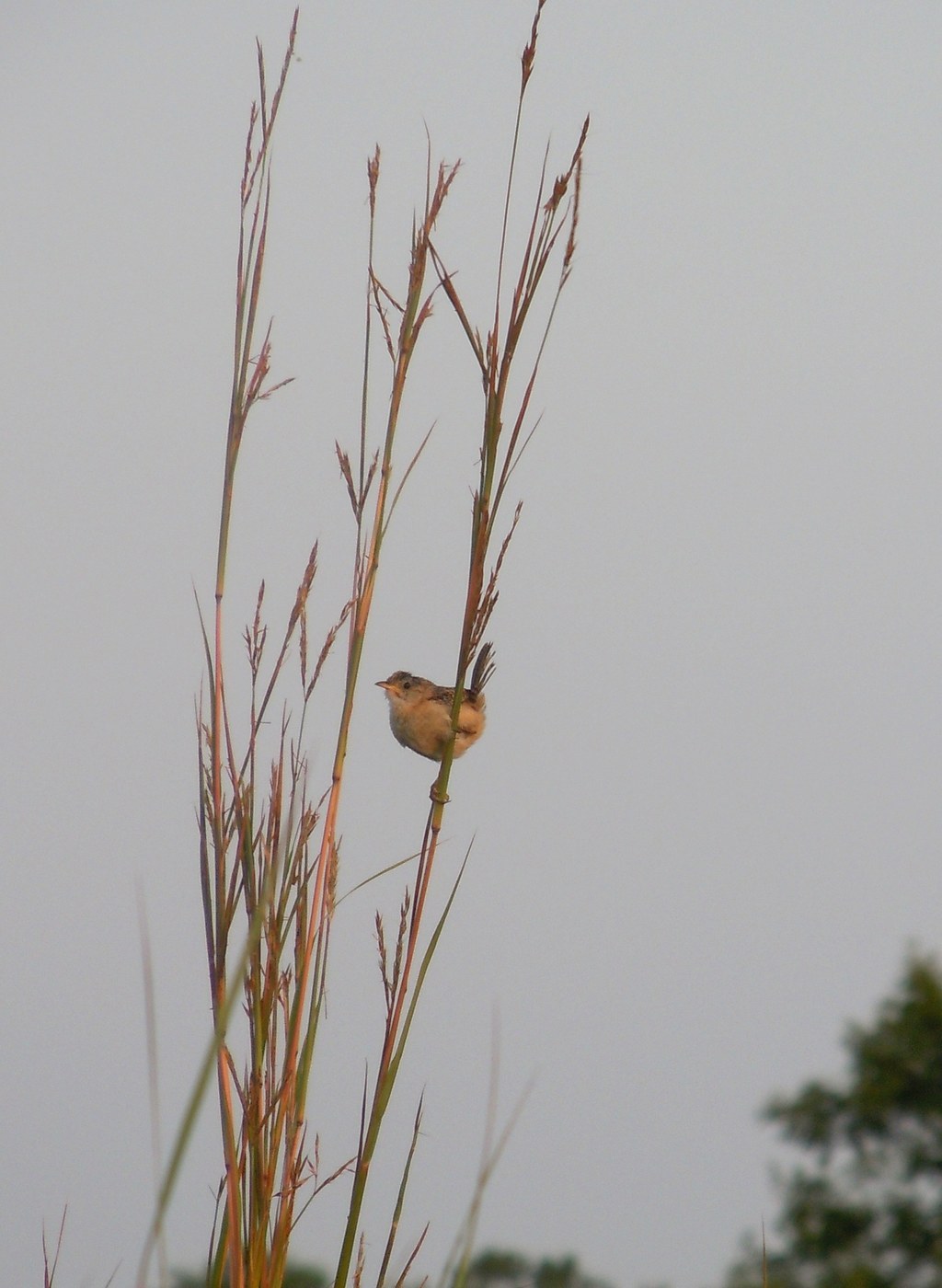
Sedge Wren
Tiny streaked crown and back feathers

Yellow-winged Cacique
Glossy black body feathers, yellow wing patch, shaggy crest

Yellow Warbler
Small contour and flight feathers
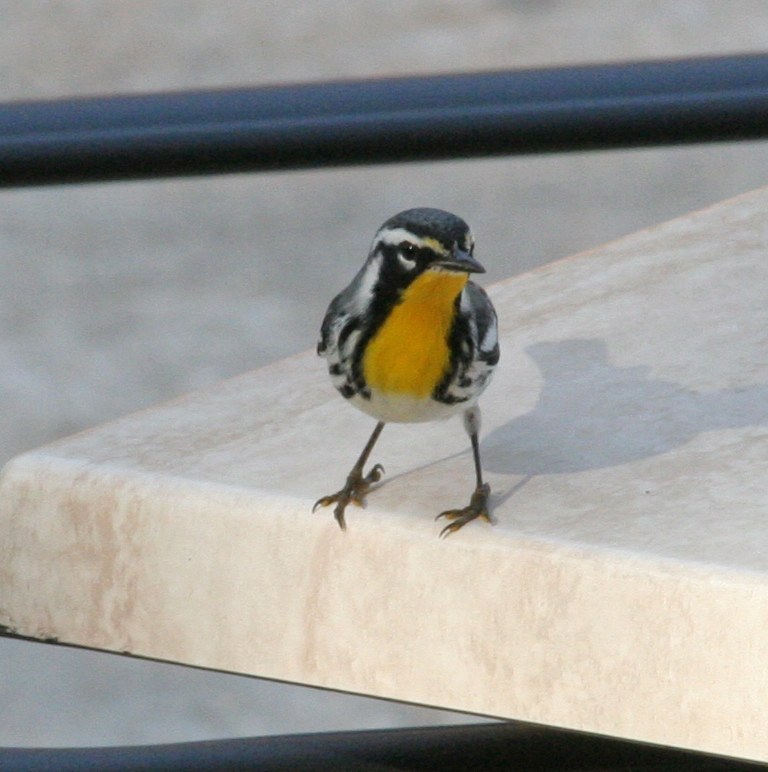
Yellow-throated Warbler
Small contour and flight feathers
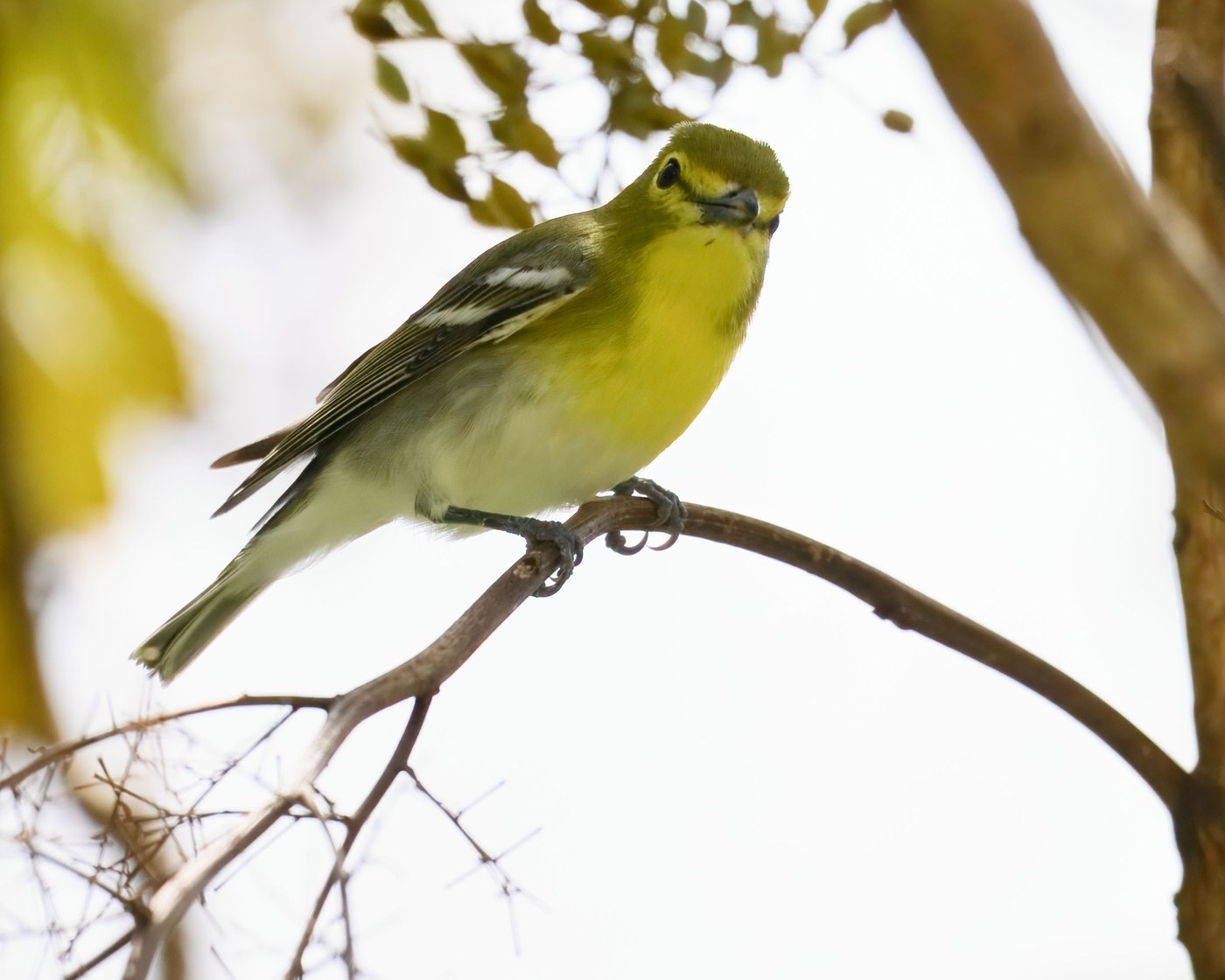
Yellow-throated Vireo
Bright yellow throat and spectacle feathers; olive-green back feathers; two white wing-bar feathers

Yellow-rumped Warbler
Small contour and flight feathers
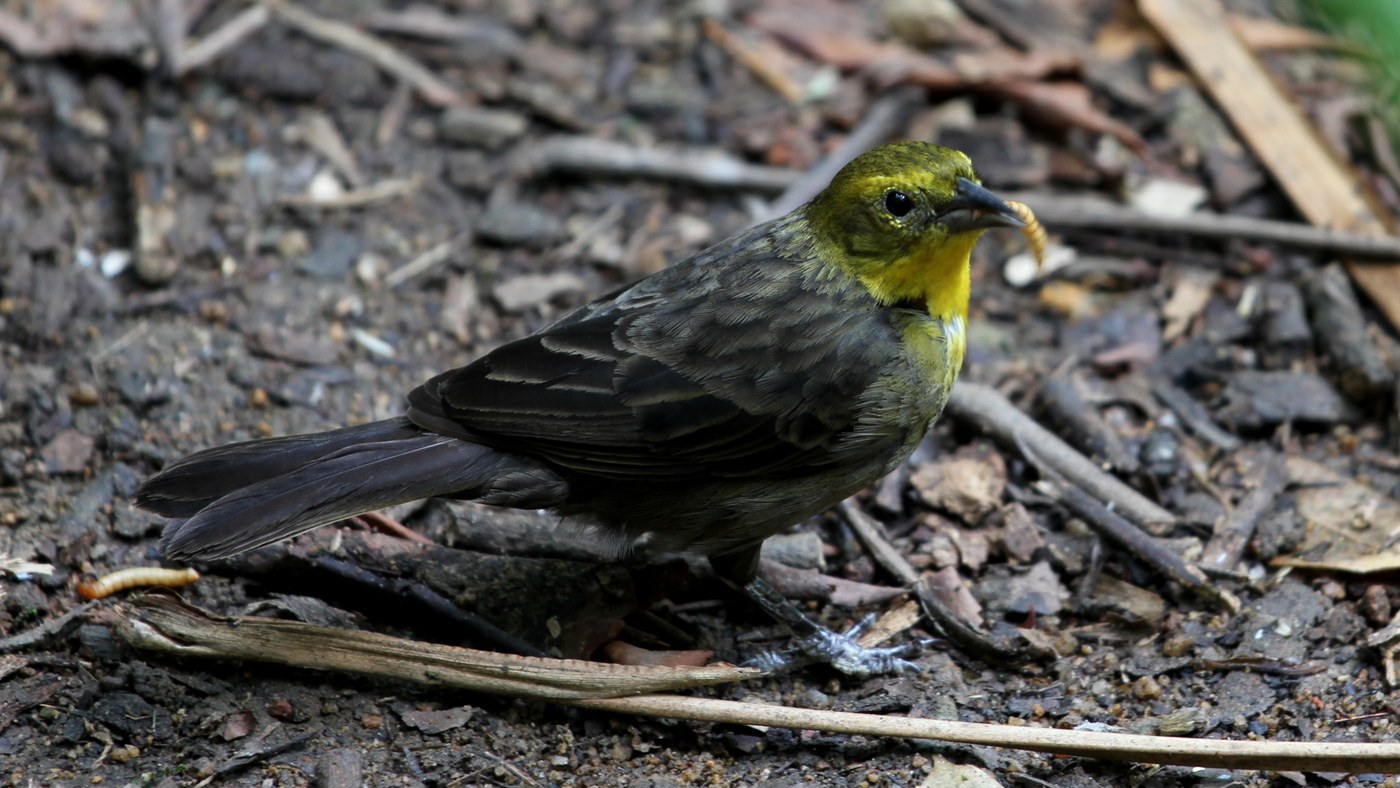
Yellow-hooded Blackbird
Contrasting hood and body feathers
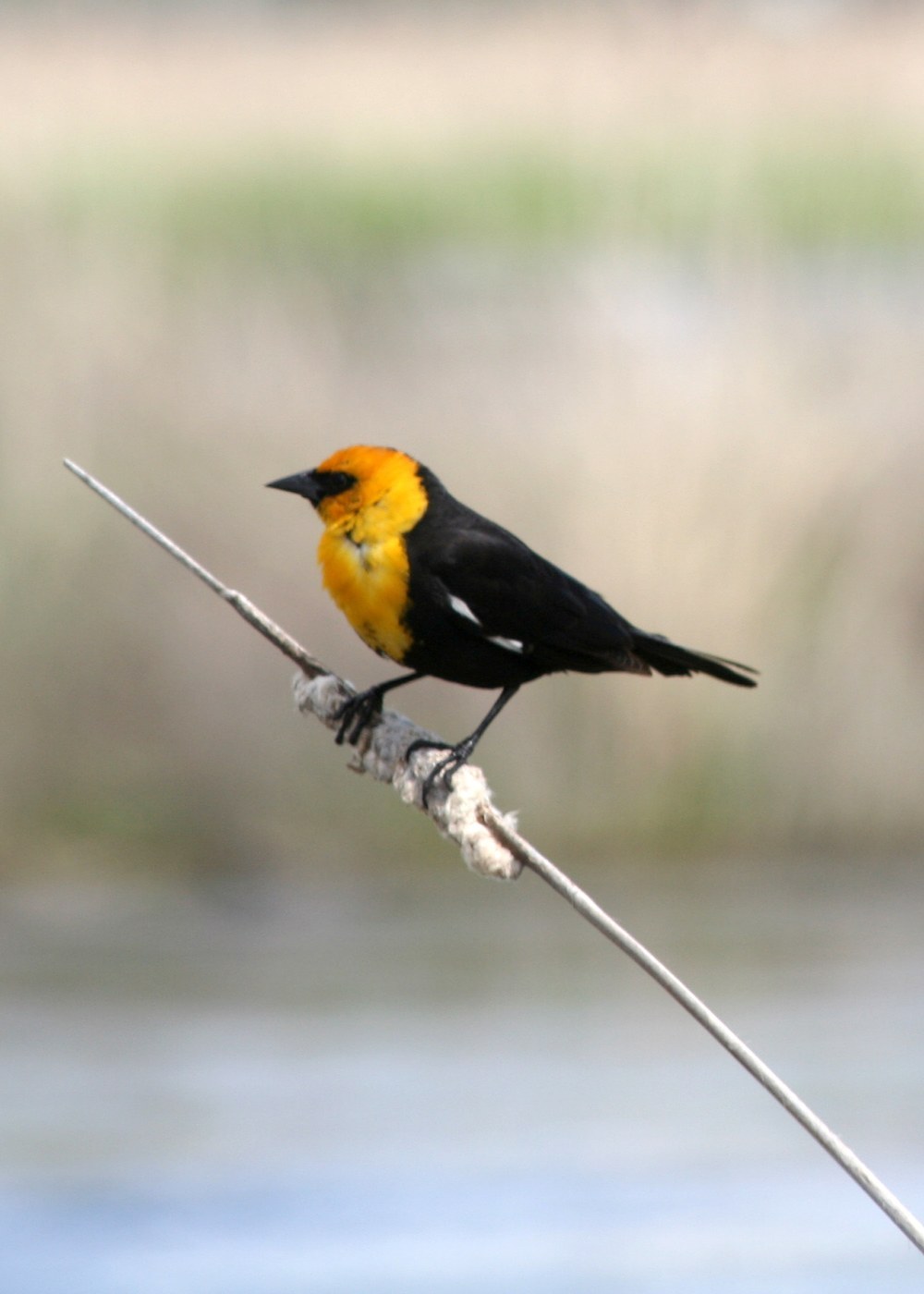
Yellow-headed Blackbird
Glossy black body plumage with a bright yellow head and breast

Yellow-eyed Junco
Contour and flight feathers

Yellow-fronted Canary
Small, smooth body plumage

Yellow-breasted Greenfinch
Compact, smooth body plumage