

Vesper Sparrow
Pooecetes gramineus
A streaky grassland sparrow best identified by white outer tail feathers and a small chestnut shoulder patch.
- Feather type
- Contour and flight feathers
- Colours
- Brown, buff, white, and chestnut
- Bird size
- Sparrow-sized, ~15 cm
Found a feather like this?
Identify any feather from a photo, free.
Overview
Overview
The Vesper Sparrow is a streaked, ground-dwelling sparrow of open grasslands, pastures, and agricultural land across much of North America. It closely resembles several other streaked brown sparrows at first glance but shows a few distinctive marks once observed carefully.
Its habit of flushing from roadside grass and flashing white outer tail feathers in flight is often the first clue to its identity in the field.
Identifying the Feather
Feather Identification
- Tail feathers: white outer tail feathers that flash conspicuously in flight, a key distinguishing feature from most similar grassland sparrows
- Shoulder (lesser covert) feathers: small chestnut patch at the bend of the wing, though often subtle and hard to see on a perched or foraging bird
- Breast and flank feathers: fine dark streaking on a whitish to buffy background, converging loosely rather than forming a solid spot
- Eye-ring: thin white eye-ring giving a slightly bare-faced expression
- Compared to Savannah Sparrow: Vesper Sparrow is larger, longer-tailed, and shows white outer tail feathers, which Savannah Sparrow lacks, along with a less yellow face
Plumage & Molt
Plumage Notes
Sexes appear similar, both showing the streaked brown upperparts, whitish underparts with fine streaking, and white-edged tail. Seasonal variation is modest, with fall birds appearing slightly richer and buffier due to fresh plumage following the post-breeding molt. Juveniles show similar streaking but with a buffier overall tone before molting into a plumage resembling the adult pattern in their first fall. A single complete molt follows breeding in adults, maintaining the overall streaked appearance across seasons with only subtle wear-related changes.
Habitat & Range
Habitat & Range
Vesper Sparrows breed across a broad swath of open habitat in the northern and western United States and southern Canada, favoring dry grasslands, pastures, and cultivated fields with sparse cover. They winter across the southern United States and into Mexico in similar open, grassy habitats. The species favors drier, more open ground than many marsh- or shrub-associated sparrows, often found along field edges, roadsides, and prairie remnants.
Behavior & Field Notes
Behavior & Field Notes
Vesper Sparrows forage on open ground, walking and running rather than hopping in many instances, gleaning seeds and invertebrate items from bare soil and short vegetation. They often perch on low shrubs, fence posts, or clods of dirt when singing. The song is a series of clear whistled notes followed by trills, often given at dusk, which is thought to be the origin of the common name. Nests are built in a shallow depression on bare ground, typically well concealed by overhanging grass.
Frequently asked questions
How can I distinguish Vesper Sparrow from Savannah Sparrow?
Vesper Sparrow shows white outer tail feathers visible in flight and a subtle chestnut shoulder patch, while Savannah Sparrow typically shows yellowish facial markings and lacks white in the tail.
Why is this species called the Vesper Sparrow?
The name references its habit of singing at dusk, when its clear whistled song is often especially noticeable.
What habitat should I check for this sparrow?
Open grasslands, pastures, and agricultural fields with sparse ground cover and bare soil patches.
Is the chestnut shoulder patch easy to see in the field?
It can be subtle and is often not visible unless the bird is perched with the wing slightly open or seen at close range in good light.
Vesper Sparrow guides
In-depth guides for identifying and understanding Vesper Sparrow.

Other feathers you may enjoy

Yellow-breasted Bunting
Contour and flight feathers, chestnut-and-yellow breeding pattern
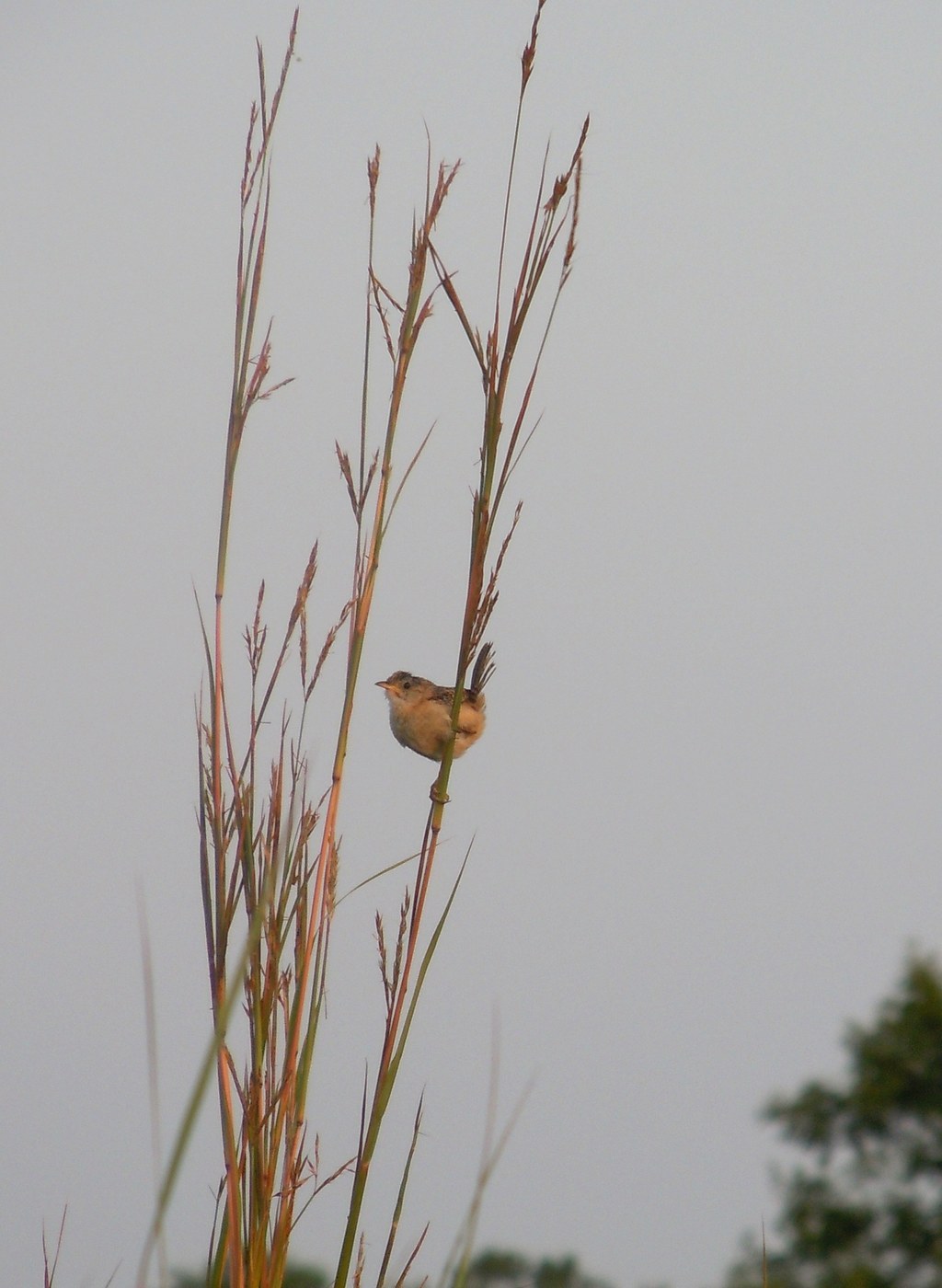
Sedge Wren
Tiny streaked crown and back feathers

Yellow-winged Cacique
Glossy black body feathers, yellow wing patch, shaggy crest

Yellow Warbler
Small contour and flight feathers
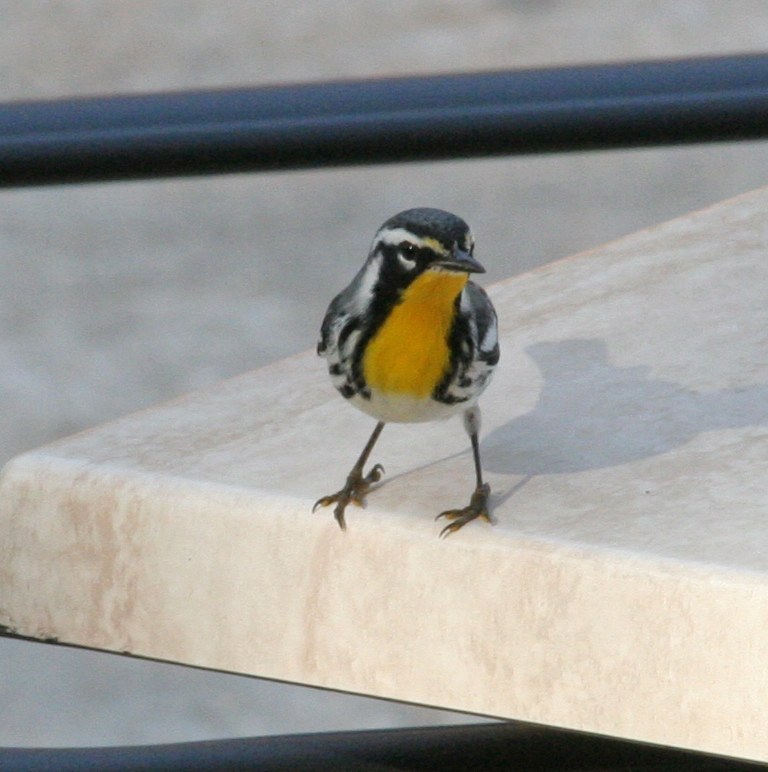
Yellow-throated Warbler
Small contour and flight feathers
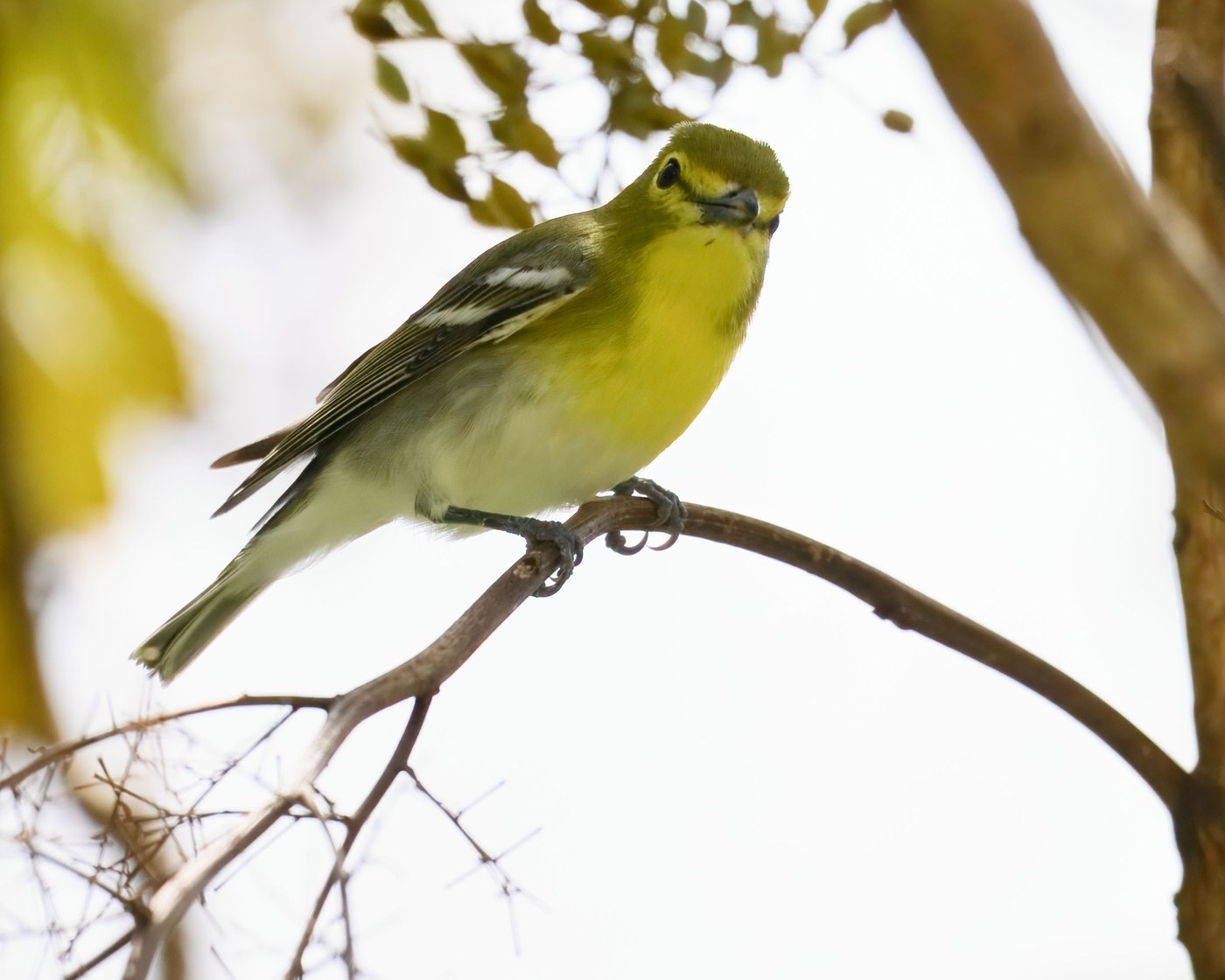
Yellow-throated Vireo
Bright yellow throat and spectacle feathers; olive-green back feathers; two white wing-bar feathers

Yellow-rumped Warbler
Small contour and flight feathers
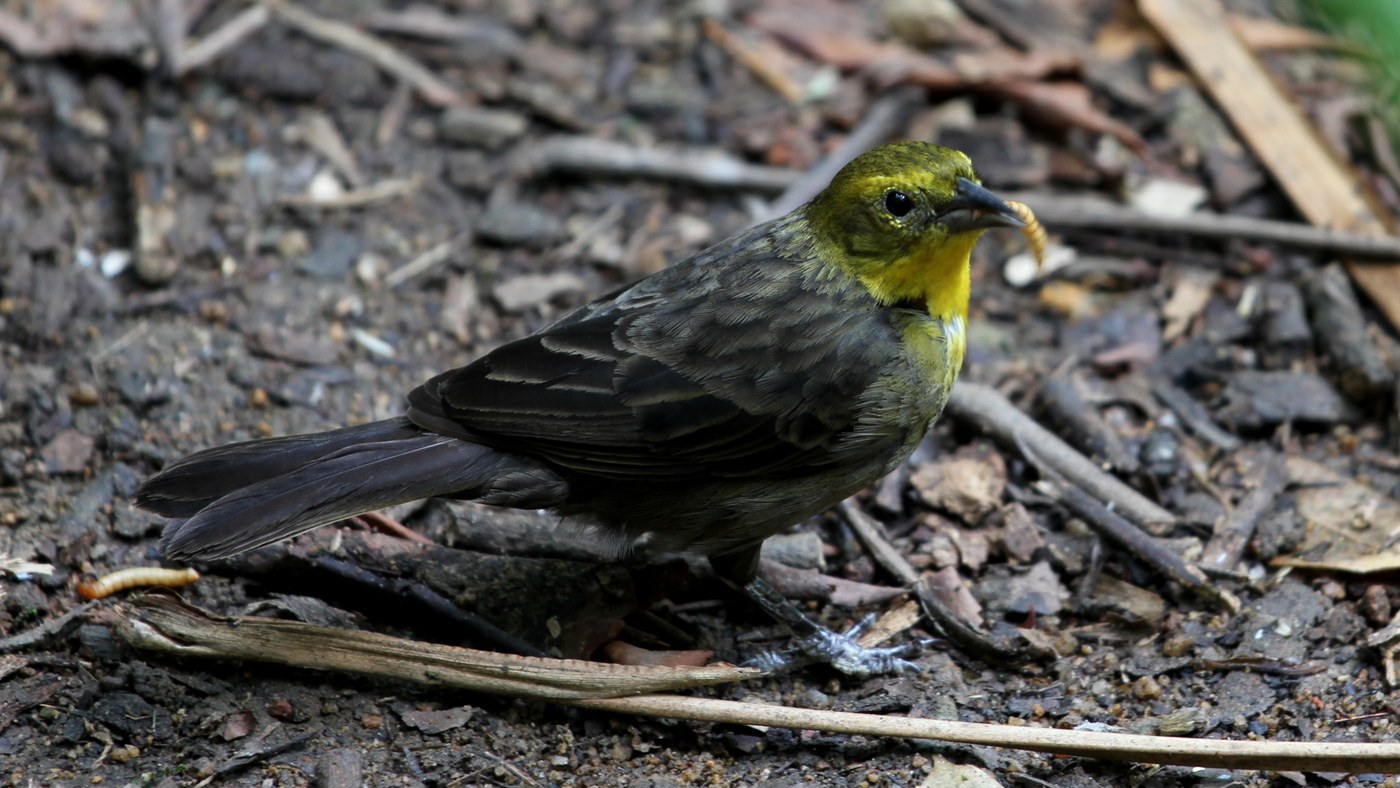
Yellow-hooded Blackbird
Contrasting hood and body feathers
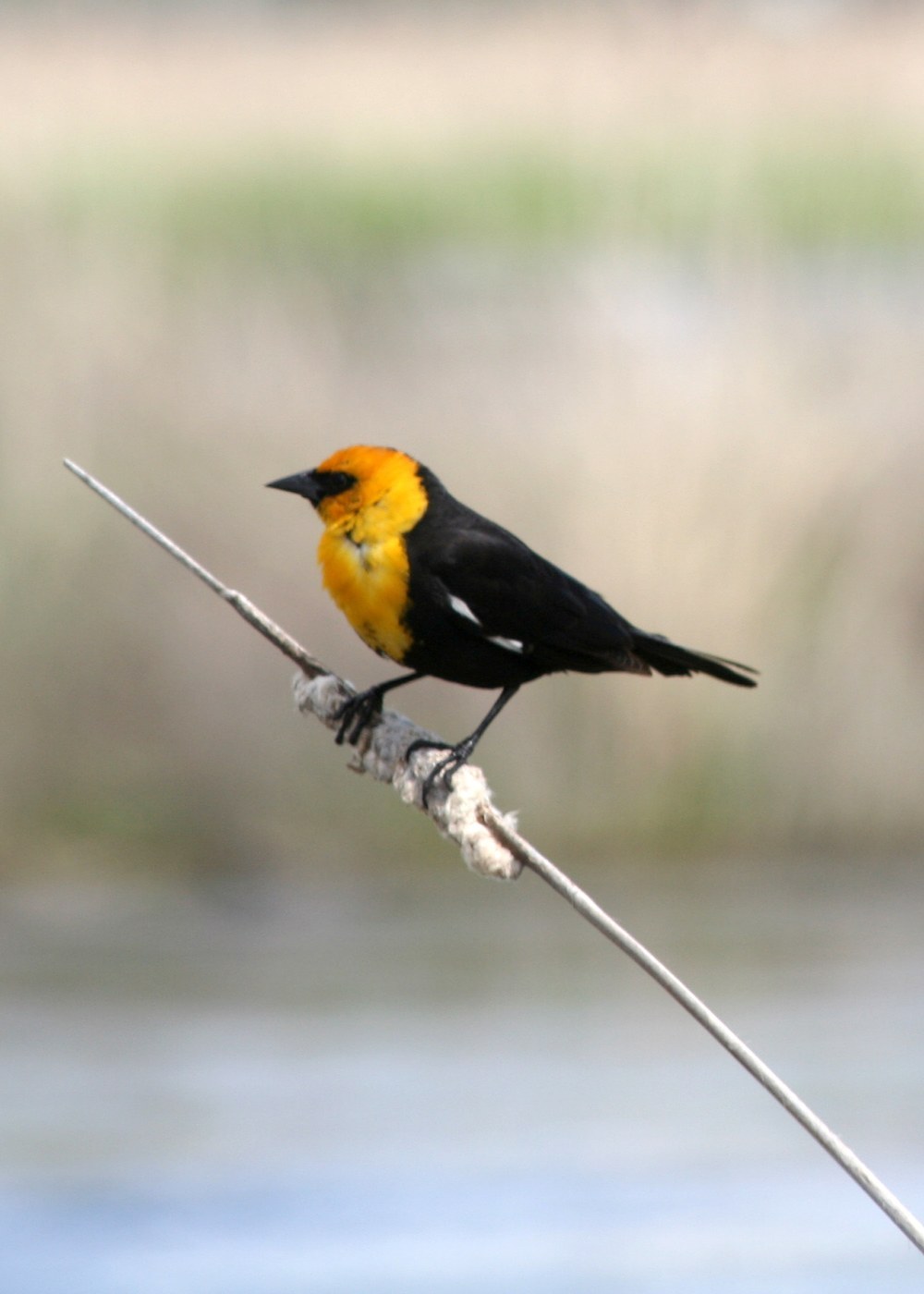
Yellow-headed Blackbird
Glossy black body plumage with a bright yellow head and breast

Yellow-eyed Junco
Contour and flight feathers

Yellow-fronted Canary
Small, smooth body plumage

Yellow-breasted Greenfinch
Compact, smooth body plumage