

Twite
Linaria flavirostris
A streaky brown Eurasian finch of moorland and coastal grassland, similar to the Linnet but lacking red on the breast.
- Feather type
- Streaky brown body feathers with a small pale wing bar
- Colours
- Streaked brown, buff, and pink (rump)
- Bird size
- Sparrow-sized, ~13-14 cm
Found a feather like this?
Identify any feather from a photo, free.
Overview
Overview
The Twite is found across parts of Europe and Asia, favoring open moorland, upland grassland, and coastal habitats, often in areas too exposed or barren for the related Linnet. It is a streaky, understated finch best told from similar species by subtle plumage details.
Winter flocks can form in coastal and lowland areas, sometimes mixing with other finches.
Identifying the Feather
Feather Identification
- Body: heavily streaked brown above and below, giving an overall buffy-brown appearance.
- Throat: buffy, unstreaked patch contrasting slightly with the streaked breast.
- Rump: pink in breeding males, a useful feature not shared by female Linnets.
- Bill: yellow in winter, darker and less obvious in breeding season.
- Wing bar: small, pale, less prominent than in some related finches.
The combination of an unstreaked buffy throat, streaked body, and (in males) pink rump helps separate the Twite from the similarly streaky female Linnet, which lacks the buffy throat patch.
Plumage & Molt
Plumage Notes
Breeding males show a subtle pink wash on the rump, while females and nonbreeding birds lack this feature and appear uniformly streaked brown. The bill color shifts seasonally, appearing more yellow in winter and duller in the breeding season.
Juveniles resemble adults but may show slightly softer streaking. A single annual molt follows breeding.
Habitat & Range
Habitat & Range
The Twite breeds across upland moorland and rough grassland in parts of Europe and Asia, including Britain, Scandinavia, and stretches across the Asian steppe and mountain regions. In winter, many populations move to lowland and coastal habitats.
Some populations are largely resident, while others undertake short-distance migrations tied to seasonal food and weather conditions in exposed upland habitat.
Behavior & Field Notes
Behavior & Field Notes
Twite forage on the ground and among low vegetation for seeds, often gathering in flocks outside the breeding season, particularly in coastal and farmland habitats during winter.
The nest is built low in heather or other moorland vegetation. The call is a distinctive nasal, twangy note, often given in flight, which helps confirm identification when plumage details are hard to see. The buffy throat and pink rump on males are the most useful plumage clues.
Frequently asked questions
How can I tell a Twite from a Linnet?
The Twite has an unstreaked buffy throat patch and, in males, a pink rump, while the female Linnet lacks the buffy throat and shows more uniform streaking.
What habitat does the Twite prefer?
It favors open moorland, upland grassland, and coastal habitats, often in more exposed terrain than the Linnet typically uses.
Does the Twite's bill color change seasonally?
Yes, the bill appears more yellow in winter and duller during the breeding season.
What call helps identify a Twite in flight?
A distinctive nasal, twangy call note is often given in flight and is a useful aid to identification.
Twite guides
In-depth guides for identifying and understanding Twite.

Other feathers you may enjoy

Yellow-breasted Bunting
Contour and flight feathers, chestnut-and-yellow breeding pattern
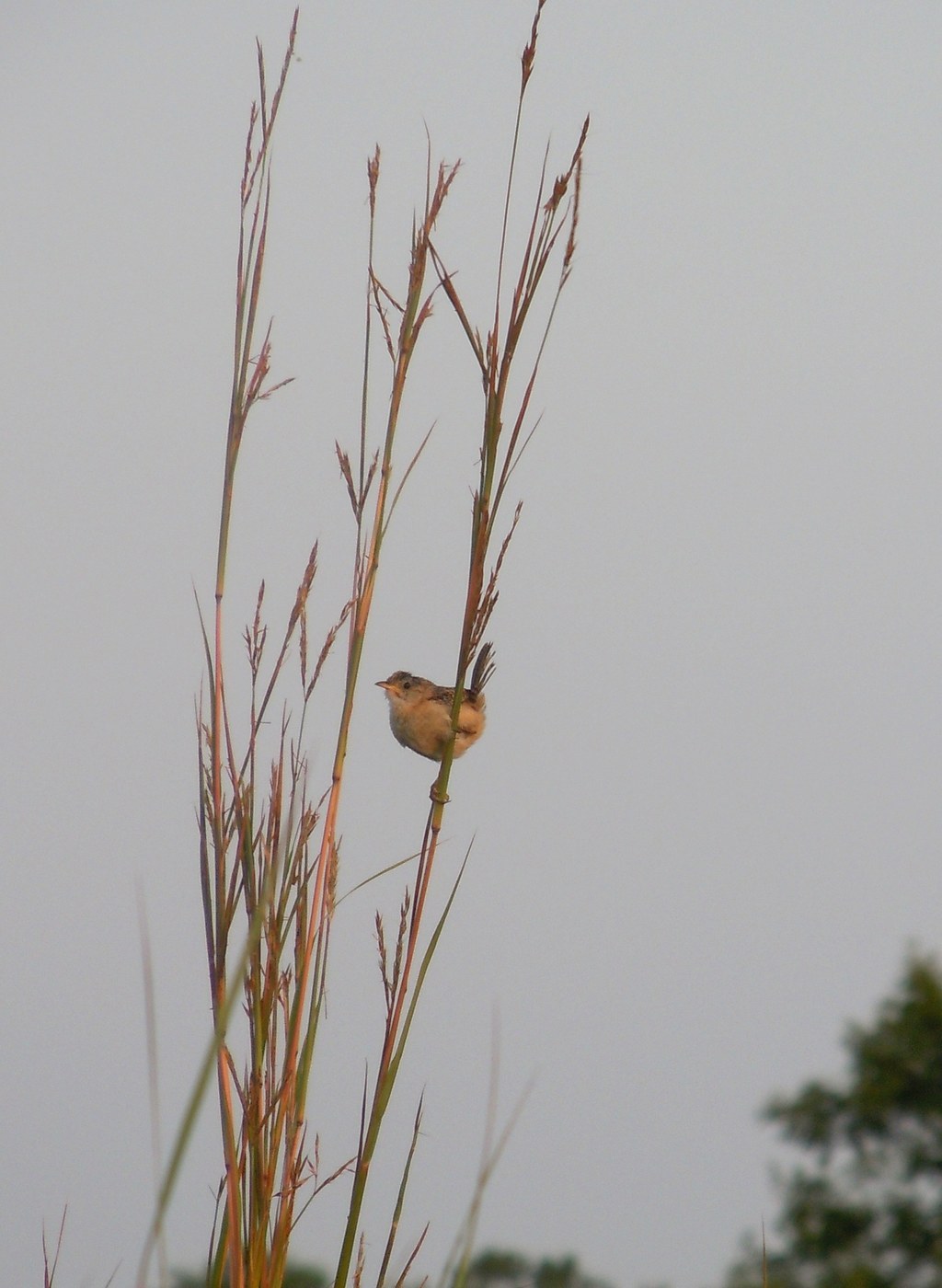
Sedge Wren
Tiny streaked crown and back feathers

Yellow-winged Cacique
Glossy black body feathers, yellow wing patch, shaggy crest

Yellow Warbler
Small contour and flight feathers
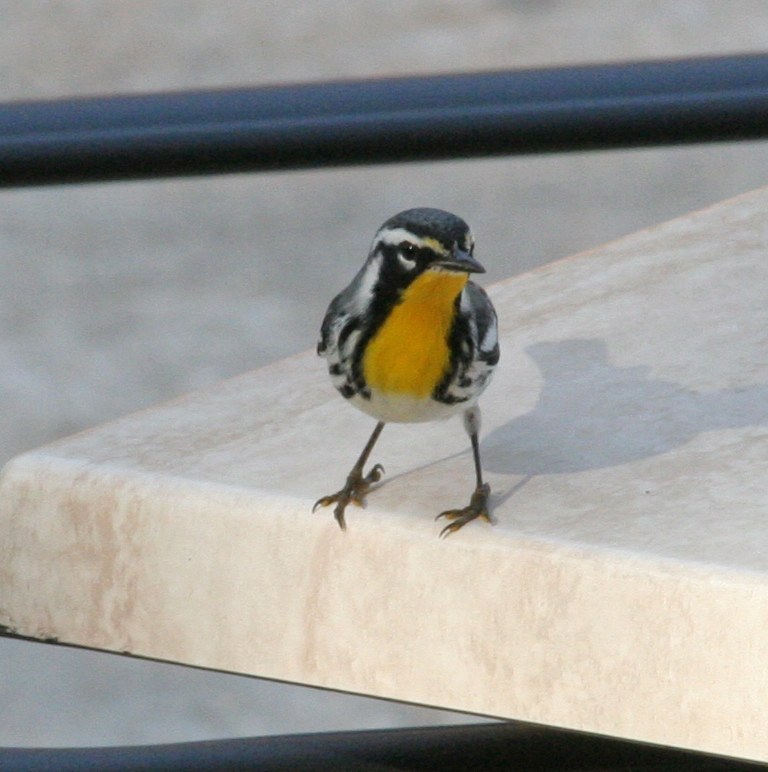
Yellow-throated Warbler
Small contour and flight feathers
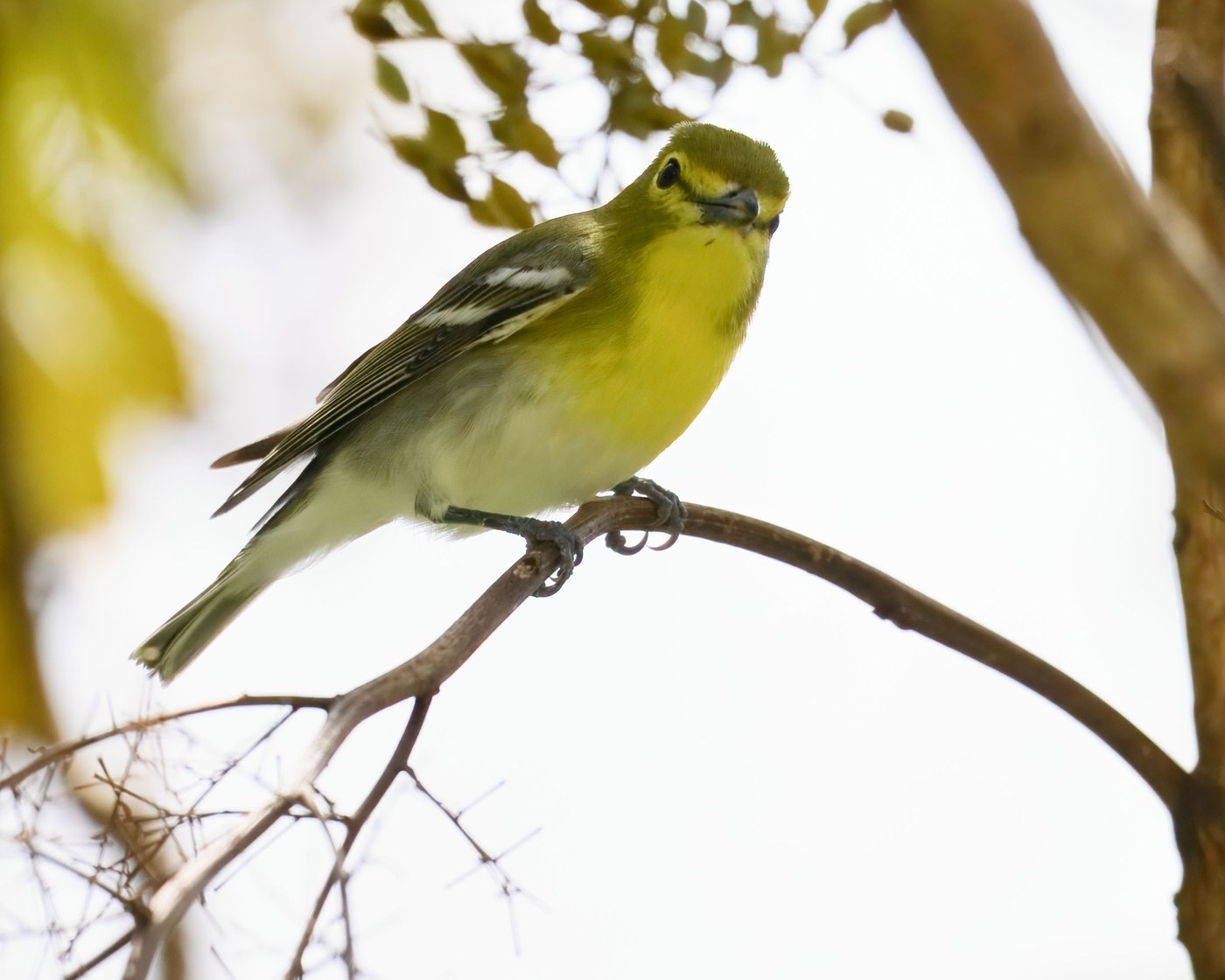
Yellow-throated Vireo
Bright yellow throat and spectacle feathers; olive-green back feathers; two white wing-bar feathers

Yellow-rumped Warbler
Small contour and flight feathers
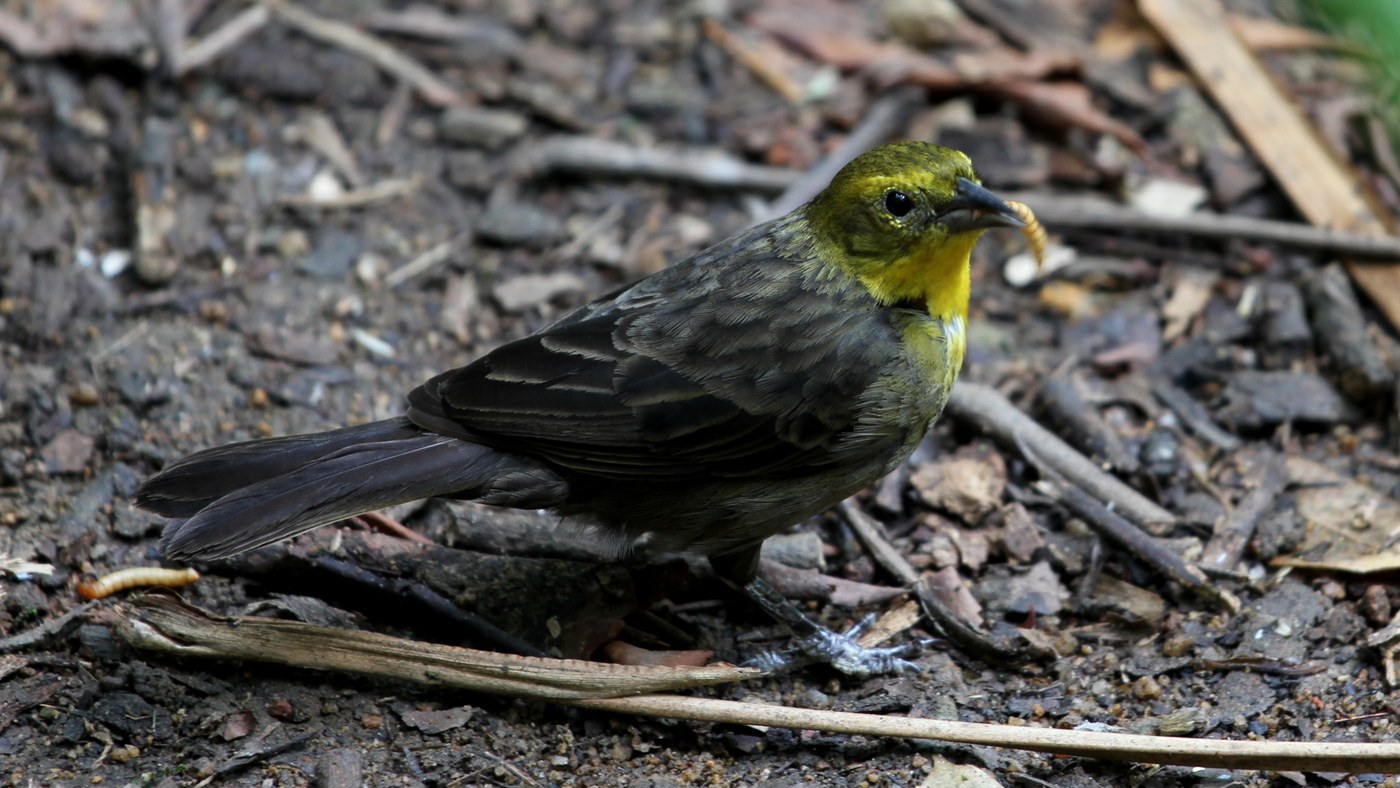
Yellow-hooded Blackbird
Contrasting hood and body feathers
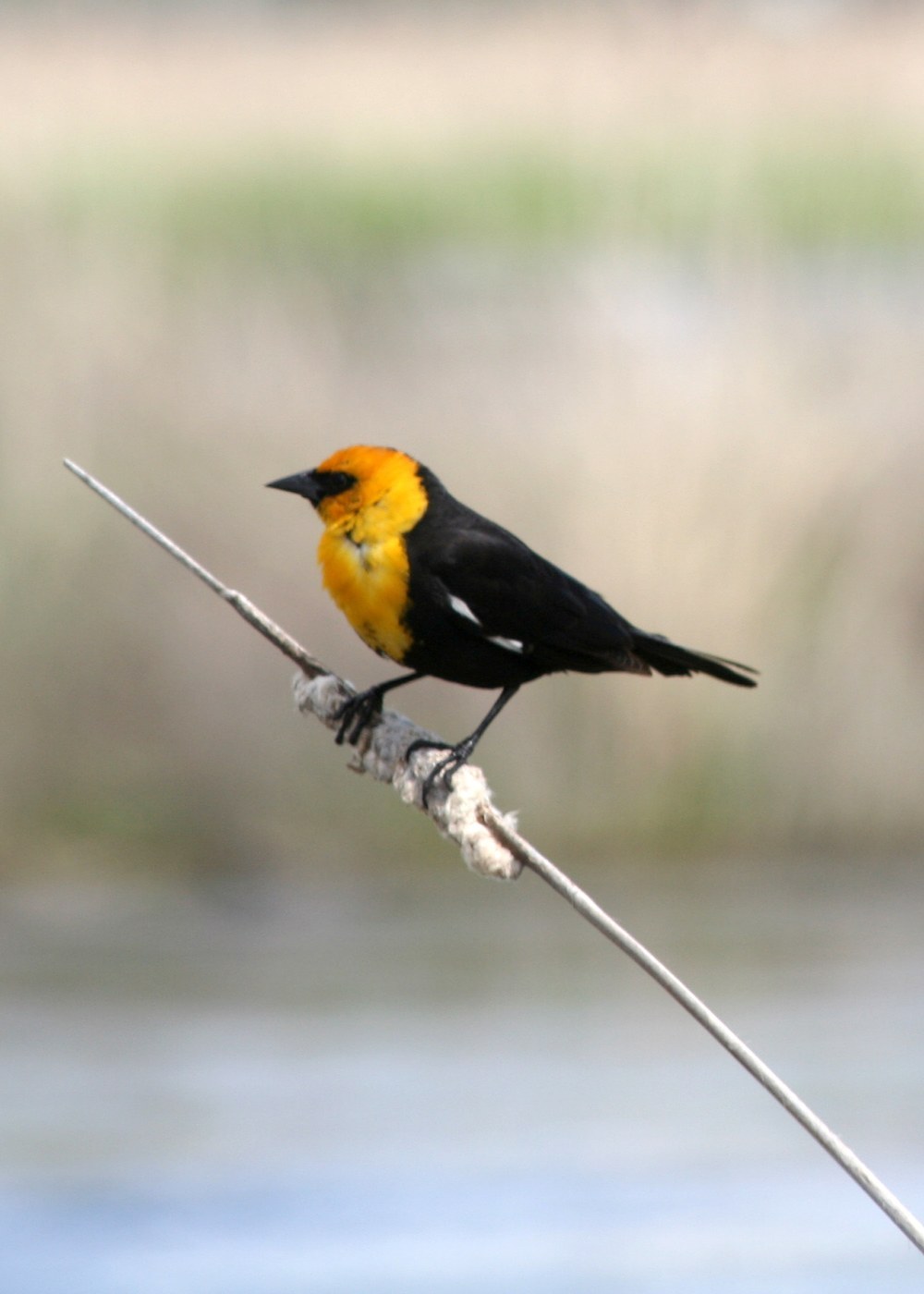
Yellow-headed Blackbird
Glossy black body plumage with a bright yellow head and breast

Yellow-eyed Junco
Contour and flight feathers

Yellow-fronted Canary
Small, smooth body plumage

Yellow-breasted Greenfinch
Compact, smooth body plumage