

Turquoise Parrot
Neophema pulchella
The Turquoise Parrot is a small, brightly colored Australian parrot with a turquoise face and wing edge, a yellow belly, and a chestnut patch on the wing in males.
- Feather type
- Small, neat contour feathers with a bright turquoise face patch
- Colours
- Green body with a turquoise face and wing edge, a yellow belly, and a chestnut wing patch in males
- Bird size
- Small, ~20 cm
Found a feather like this?
Identify any feather from a photo, free.
Overview
Overview
The Turquoise Parrot inhabits grassy woodland and forest edges in southeastern Australia, favoring areas with open grassy ground cover beneath scattered trees. It is one of the smaller and more vividly marked grass parrots of the region.
- Small, compact body with a moderate tail length
- Bright turquoise face is a hallmark of the genus
- Males show additional chestnut wing markings absent in females
Identifying the Feather
Feather Identification
The face and forehead are a bright turquoise blue, with the rest of the head and back green, and the belly a clear yellow. Males additionally show a chestnut-red patch on the upper wing coverts, which is absent or much reduced in females.
- Flight feathers: Green with blue outer edges; males show a chestnut patch on the covert feathers
- Tail feathers: Green with blue-edged outer feathers
- Sex-based mark: A chestnut wing patch indicates a male; its absence with a plainer green wing indicates a female or immature
The bright turquoise face combined with a yellow belly is diagnostic for the species, while the chestnut wing patch further identifies males specifically.
Plumage & Molt
This species shows some sexual dimorphism: males have a chestnut wing patch that females lack, and males often show a slightly brighter turquoise face. Juveniles are duller overall, with a less vivid face color and reduced or absent wing markings, developing full adult plumage after their first molt. Molt is gradual through the year.
Habitat & Range
Turquoise Parrots favor grassy woodland, forest edges, and adjacent open country with scattered trees across southeastern Australia. They are largely resident, though some local movement occurs, particularly in response to drought or food scarcity.
Behavior & Field Notes
These small parrots forage mainly on the ground for grass and other seeds, often in pairs or small groups. They nest in tree hollows or hollow stumps close to the ground, with the female incubating while the male assists in feeding her and the chicks. Calls are soft, high-pitched notes, generally quieter than those of larger parrots.
Frequently asked questions
What facial coloring is the hallmark of a Turquoise Parrot?
A bright turquoise-blue face and forehead, set against green upperparts and a yellow belly, is the hallmark of this species.
How can you tell a male from a female by feather?
Males show a chestnut-red patch on the upper wing coverts that is absent or much reduced in females.
Where does this species typically forage?
Mainly on the ground, feeding on grass and other seeds within grassy woodland and forest-edge habitat.
Do juveniles show full adult coloring right away?
No, juveniles are duller overall with a less vivid turquoise face and reduced wing markings, developing full coloring after their first molt.
Turquoise Parrot guides
In-depth guides for identifying and understanding Turquoise Parrot.

Other feathers you may enjoy
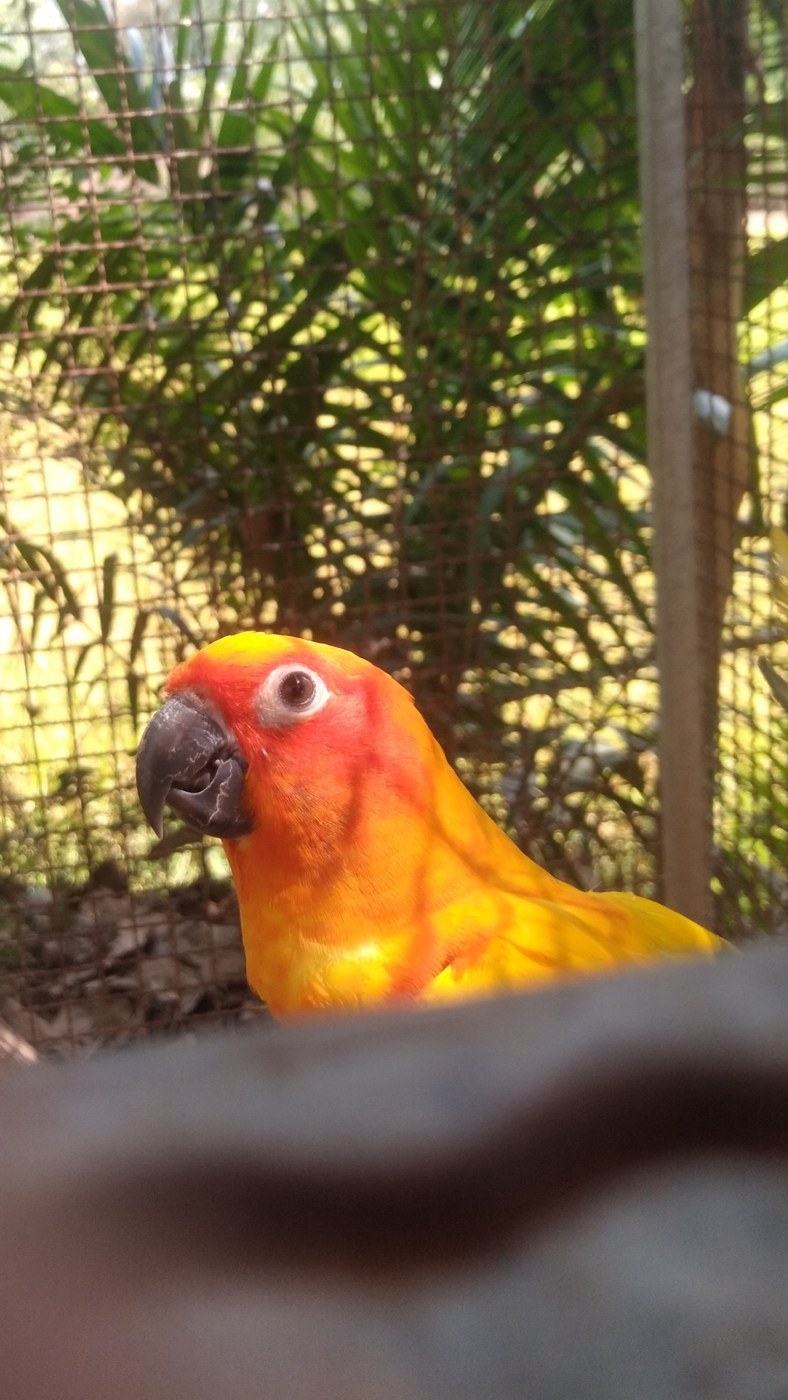
Sun Parakeet
Bright, dense body contour feathers; medium pointed tail feathers

Yellow-naped Amazon
Broad rounded contour feathers with sturdy flight feathers
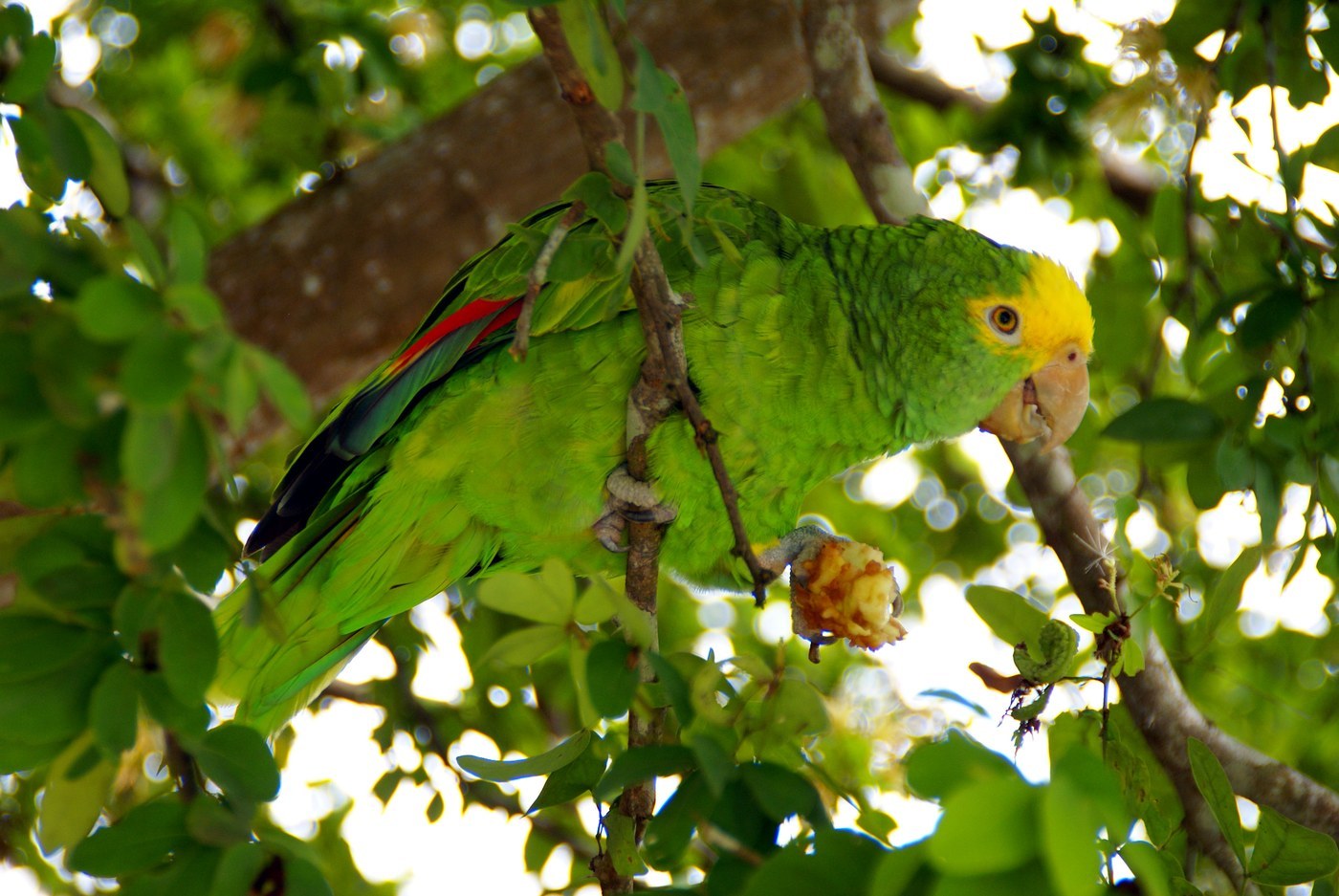
Yellow-headed Amazon
Dense, rounded body contour feathers; broad flight feathers
Yellow-collared Lovebird
Small compact flight feathers, short rounded tail

White-eyed Conure
Medium contour and long, graduated tail feathers

Yellow-tailed Black Cockatoo
Large, sturdy contour and flight feathers; short crest

Scarlet-chested Parrot
Small contour and flight feathers

Timneh Parrot
Broad flight feathers, scalloped body feathers with pale edges
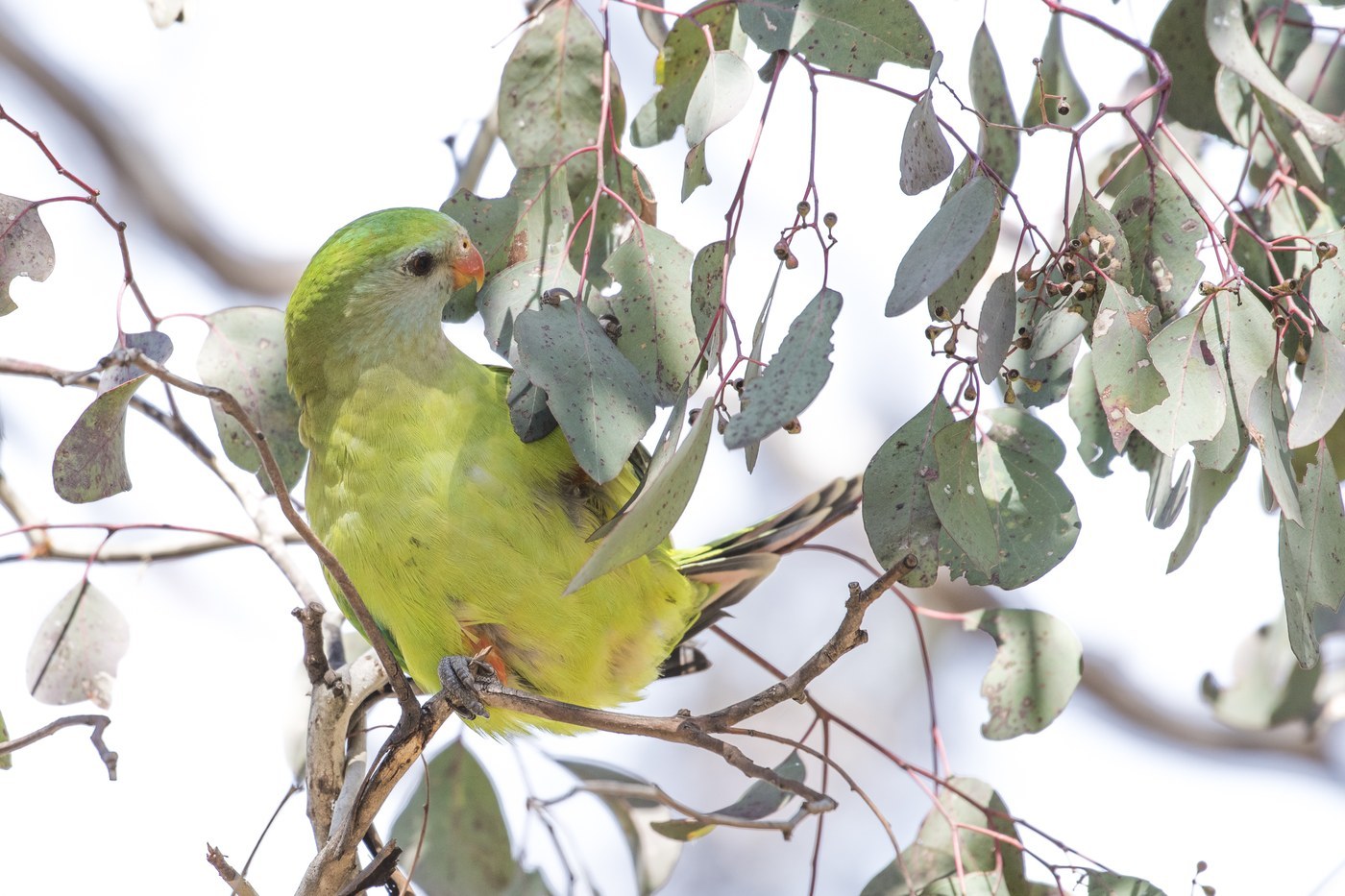
Superb Parrot
Sleek contour feathers with a long tapering tail

Red-shouldered Macaw
Compact body contour feathers; medium flight and tail feathers
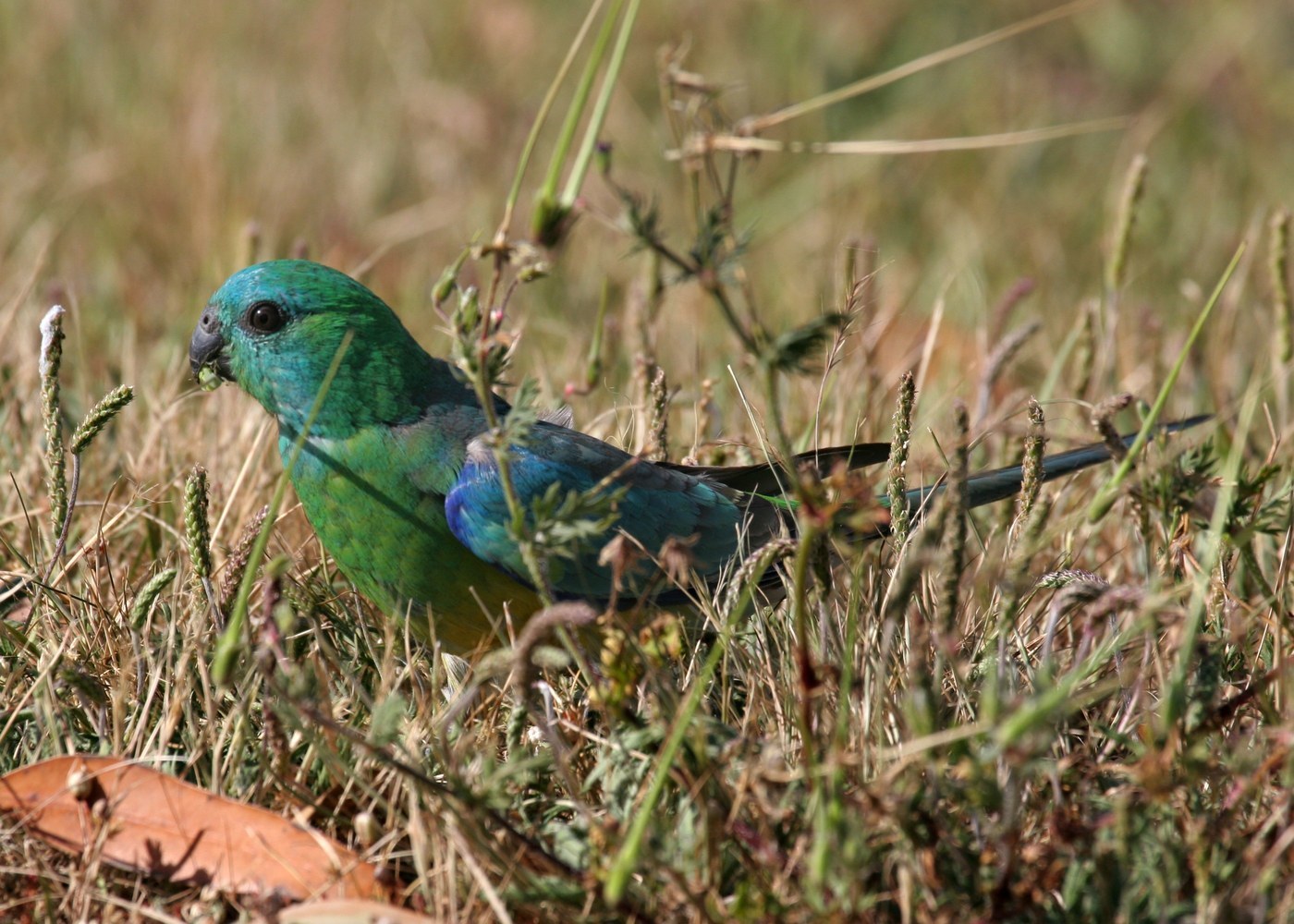
Red-rumped Parrot
Sleek contour feathers with a bright rump patch in males

White-capped Pionus
Compact contour feathers and short, squared tail feathers