

Swainson's Thrush
Catharus ustulatus
A brown forest thrush best identified by its bold, buffy eye-ring and evenly colored upperparts, lacking the contrasting rufous tail of the Hermit Thrush.
- Feather type
- Soft body feathers with buffy spectacles and even-toned upperparts
- Colours
- Olive-brown to russet-brown body, buffy eye-ring, spotted buffy breast
- Bird size
- Sparrow-sized, ~16-19 cm
Found a feather like this?
Identify any feather from a photo, free.
Overview
Swainson's Thrush breeds widely across boreal and montane forests of North America and undertakes one of the longest migrations among Catharus thrushes, wintering mainly in Central and South America. It is best known among birders for its ascending, spiraling flute-like song and its prominent buffy eye-ring, which gives it a distinctive 'spectacled' look.
Identifying the Feather
- Body feathers: Evenly colored olive-brown to russet-brown across the back and tail, without strong contrast between them.
- Facial feathers: A bold, buffy eye-ring and lores create a 'spectacled' appearance, a key identification feature.
- Breast feathers: Buffy wash with dark spotting, often more extensive than in the Hermit Thrush.
- Compared to similar species: Unlike the Hermit Thrush, the tail is not noticeably more rufous than the back; the buffy eye-ring and evenly toned upperparts help separate it from Gray-cheeked Thrush, which lacks a strong eye-ring.
Plumage & Molt
Sexes are alike, both showing olive-brown to russet-brown upperparts (varying somewhat by subspecies, with western populations often more rufous-toned), a buffy eye-ring, and a spotted buffy breast fading to white on the belly. Juveniles show pale spotting on the back typical of young thrushes before their first molt. A single annual post-breeding molt renews the plumage, with color intensity varying somewhat between the more olive eastern populations and more russet western populations.
Habitat & Range
Swainson's Thrush breeds in coniferous and mixed forest across Canada, Alaska, the northern United States, and higher elevations in the western mountains. It is a long-distance migrant, wintering primarily in Central America and the Andes region of South America, making it one of the farthest-traveling of the Catharus thrushes.
Behavior & Field Notes
This thrush forages on the forest floor and in low vegetation, taking invertebrates and, especially during migration and winter, fruit. Its song is a distinctive series of flute-like notes that spiral upward in pitch, often delivered at dawn and dusk from within dense cover. Nests are built in shrubs or low tree branches. During migration, it is frequently detected at night by its distinctive flight call, a useful identification aid for observers monitoring nocturnal migrants.
Frequently asked questions
How do you recognize Swainson's Thrush by its face?
Look for a bold, buffy eye-ring and lores that create a spectacled appearance, distinguishing it from other brown thrushes.
How does it differ from the Hermit Thrush?
Swainson's Thrush lacks the contrasting rufous tail of the Hermit Thrush, showing more evenly colored upperparts overall.
What is distinctive about its song?
Its song is a series of flute-like notes that spiral upward in pitch, often given at dawn or dusk.
Where does Swainson's Thrush winter?
Most populations winter in Central America and the Andean region of South America, a long migration from their northern breeding grounds.
Swainson's Thrush guides
In-depth guides for identifying and understanding Swainson's Thrush.

Other feathers you may enjoy

Yellow-breasted Bunting
Contour and flight feathers, chestnut-and-yellow breeding pattern
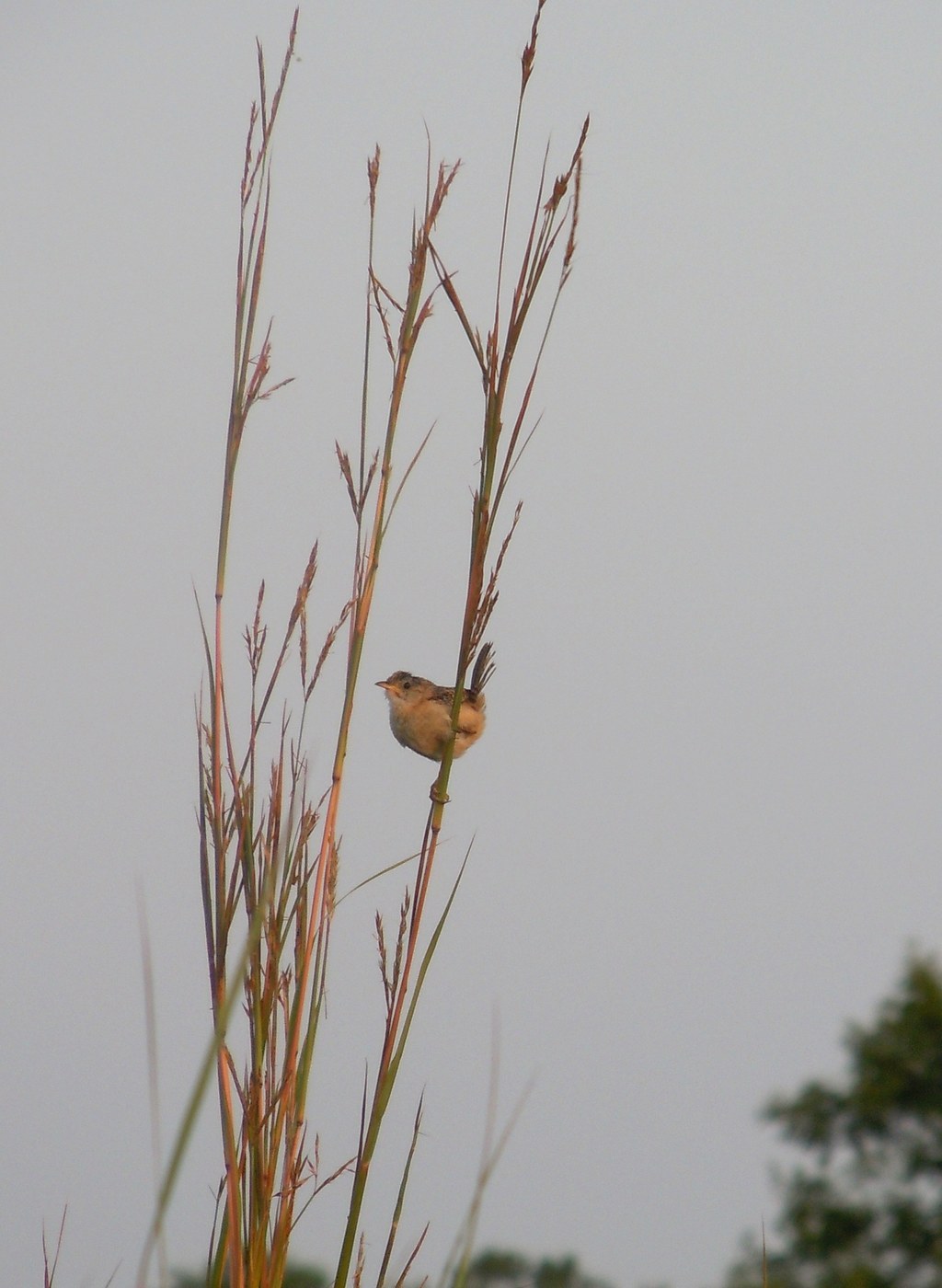
Sedge Wren
Tiny streaked crown and back feathers

Yellow-winged Cacique
Glossy black body feathers, yellow wing patch, shaggy crest

Yellow Warbler
Small contour and flight feathers
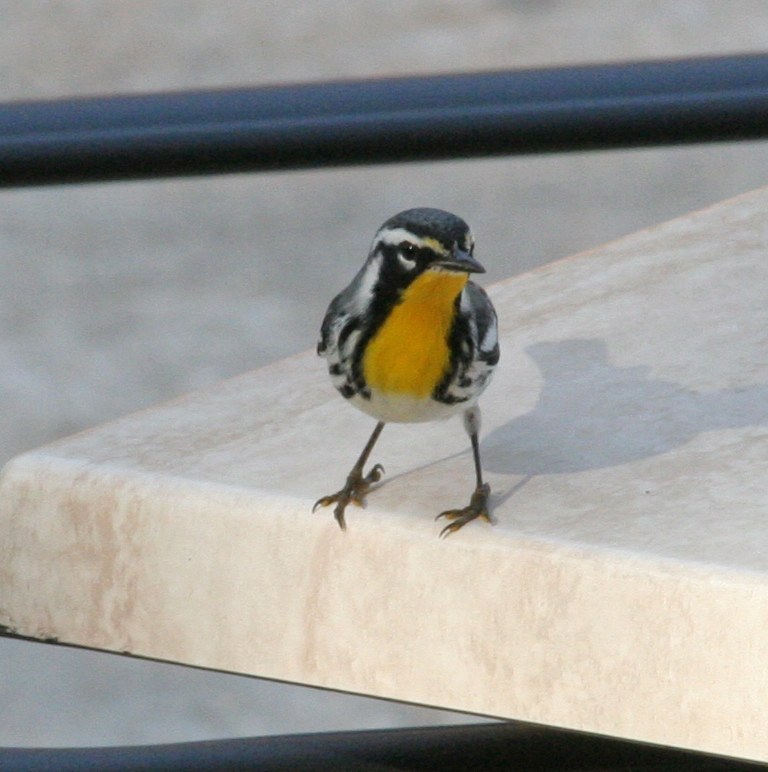
Yellow-throated Warbler
Small contour and flight feathers
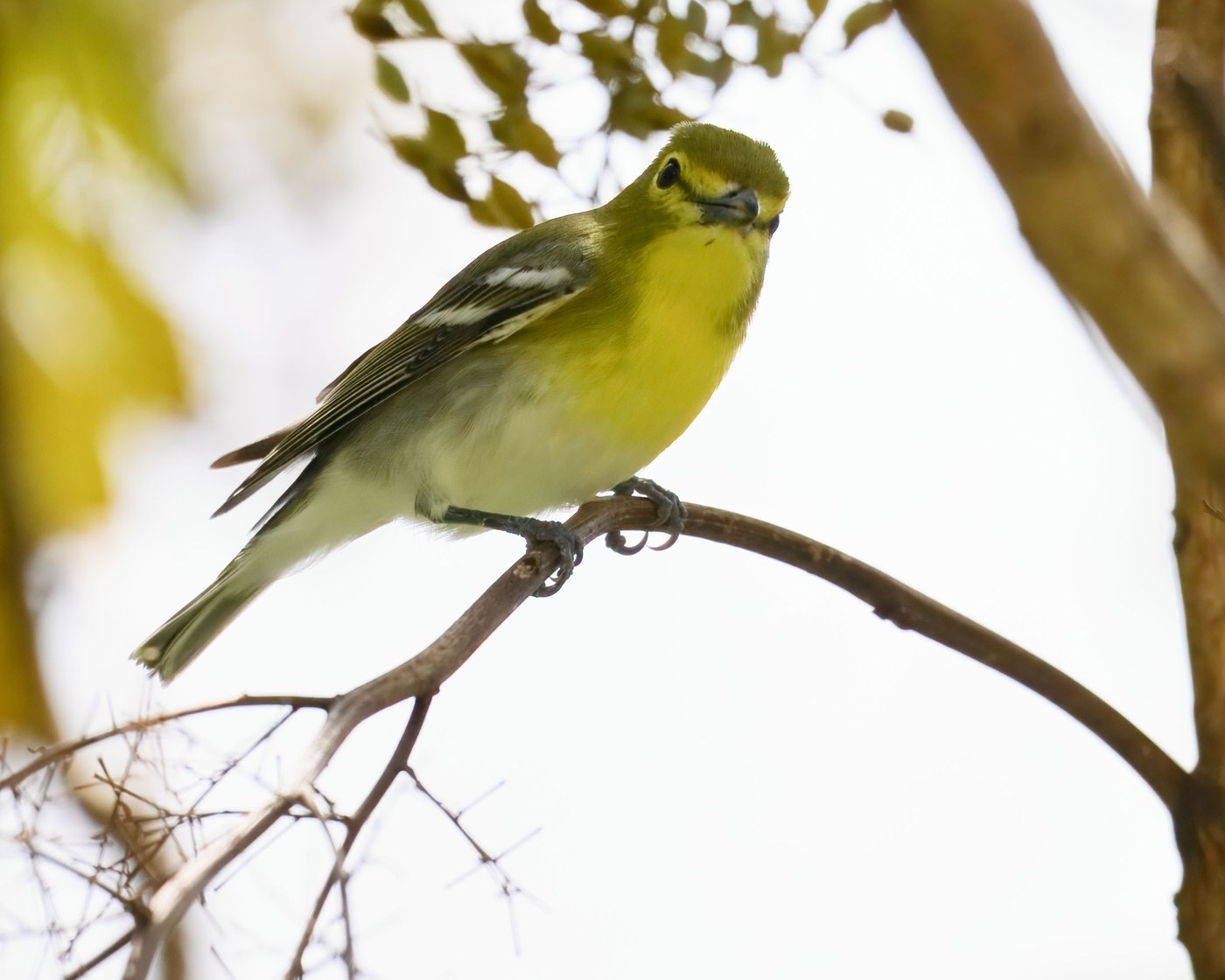
Yellow-throated Vireo
Bright yellow throat and spectacle feathers; olive-green back feathers; two white wing-bar feathers

Yellow-rumped Warbler
Small contour and flight feathers
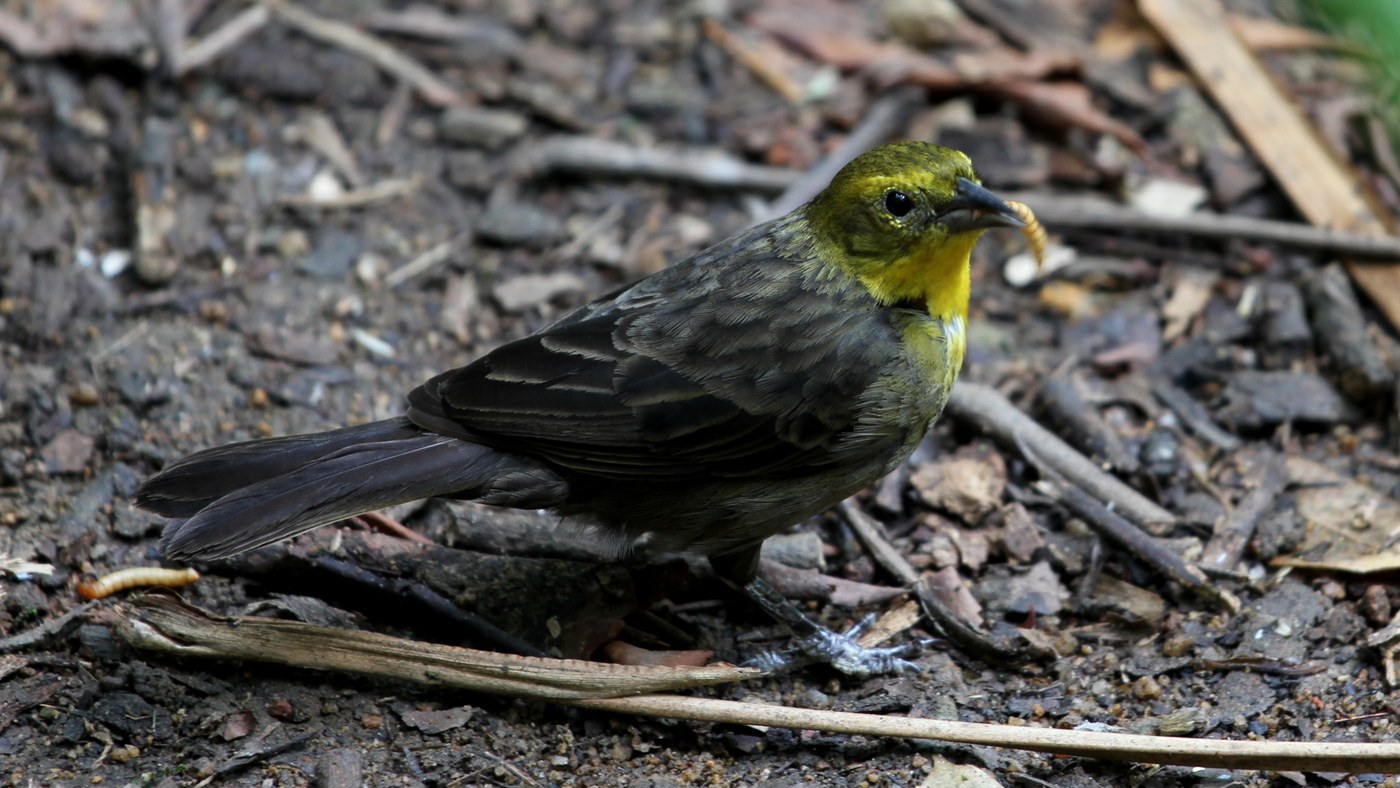
Yellow-hooded Blackbird
Contrasting hood and body feathers
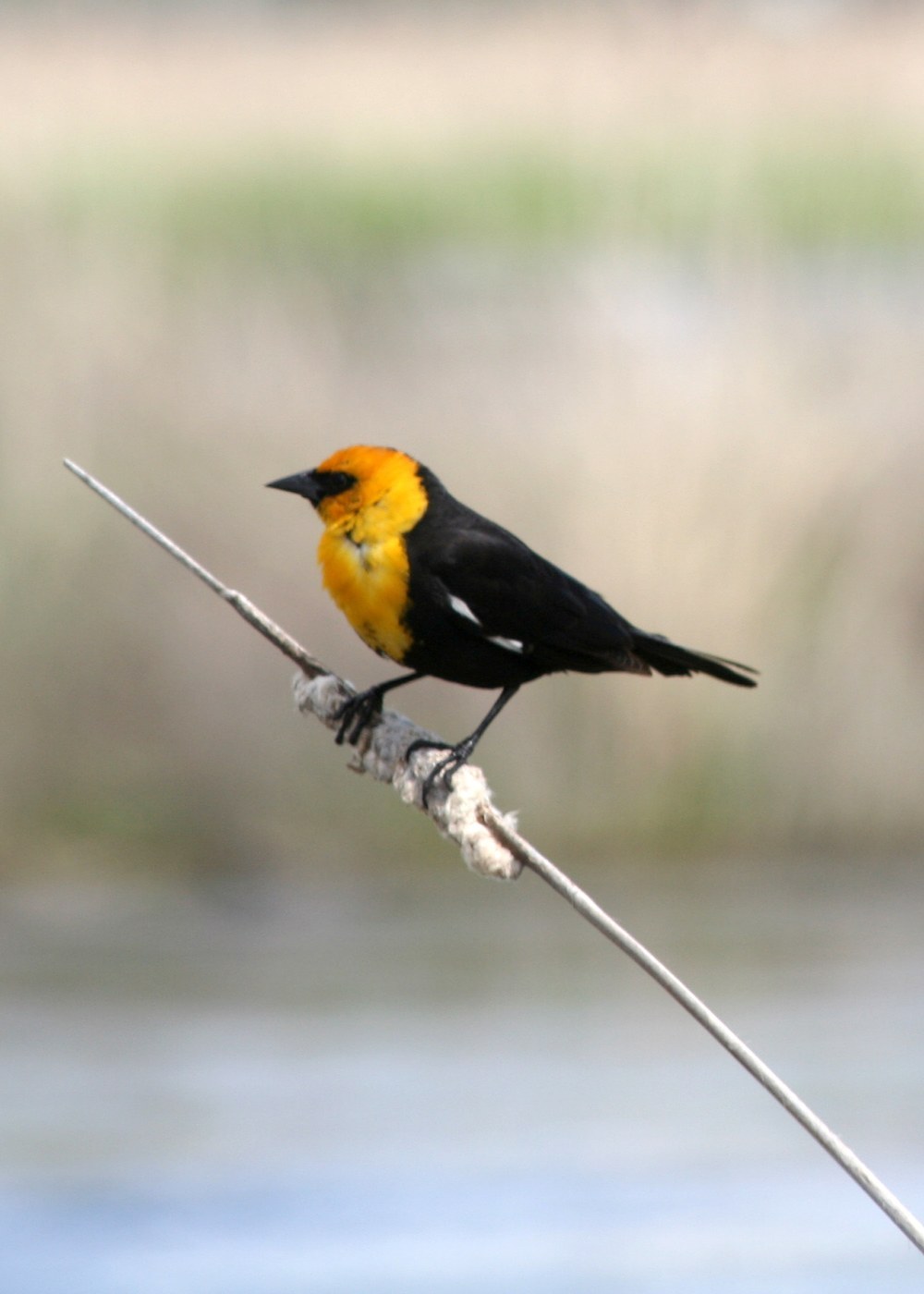
Yellow-headed Blackbird
Glossy black body plumage with a bright yellow head and breast

Yellow-eyed Junco
Contour and flight feathers

Yellow-fronted Canary
Small, smooth body plumage

Yellow-breasted Greenfinch
Compact, smooth body plumage