

Striolated Bunting
Emberiza striolata
A small, finely streaked bunting of arid rocky country across North Africa, the Middle East, and South Asia.
- Feather type
- Finely streaked crown and throat feathers
- Colours
- Grey-brown, buff, and rufous
- Bird size
- Sparrow-sized, ~14 cm
Found a feather like this?
Identify any feather from a photo, free.
Overview
Overview
The Striolated Bunting occupies a broad but patchy range across North Africa, the Middle East, and parts of South Asia, tied closely to rocky, arid terrain including cliffs, canyons, and old buildings. Its plumage is subtle, relying on fine streaking rather than bold color contrasts.
It is often tolerant of human presence, sometimes nesting on stone structures in villages.
Identifying the Feather
Feather Identification
- Crown and throat: finely streaked grey-brown, giving a subtly patterned look up close.
- Underparts: warm buff to rufous below the breast, largely unstreaked.
- Upperparts: sandy grey-brown with fine dark streaking.
- Tail: dark with narrow pale outer edges.
The fine streaking on the head paired with plain rufous-buff lower underparts helps distinguish this species from the closely related House Bunting, which tends to show warmer, more uniform tones overall.
Plumage & Molt
Plumage Notes
Sexes are similar, both showing the finely streaked crown and throat with plain buff-rufous underparts. Seasonal variation is limited, with only minor wear-related duller tones appearing later in the year.
Juveniles are more diffusely streaked overall, gradually acquiring the adult pattern as they mature. A single annual molt follows breeding.
Habitat & Range
Habitat & Range
This bunting is found in rocky, arid habitats across North Africa, the Arabian Peninsula, the Middle East, and into South Asia, frequently near cliffs, canyons, and stone buildings including villages.
Most populations are resident or make only short local movements, remaining in similar rocky terrain year-round.
Behavior & Field Notes
Behavior & Field Notes
Striolated Buntings forage on the ground for seeds and insects, often near rocky crevices or building ledges where they also nest.
The nest is tucked into rock crevices or niches on stone structures. The song is a simple, repeated phrase given from a rocky perch. Fine head streaking combined with plain rufous-buff underparts is the most useful identification combination in this species' rocky habitat.
Frequently asked questions
What identifies the Striolated Bunting's feathers?
Finely streaked grey-brown crown and throat feathers combined with plain, largely unstreaked buff-rufous underparts are the key features.
Where is this bunting typically found?
It occupies rocky, arid terrain including cliffs, canyons, and stone buildings across North Africa, the Middle East, and South Asia.
How does it differ from the House Bunting?
The Striolated Bunting shows finer head streaking and slightly cooler tones, while the House Bunting tends toward warmer, more uniform coloring.
Does this species migrate?
Most populations are resident, remaining in similar rocky habitat throughout the year with only limited local movement.
Striolated Bunting guides
In-depth guides for identifying and understanding Striolated Bunting.

Other feathers you may enjoy

Yellow-breasted Bunting
Contour and flight feathers, chestnut-and-yellow breeding pattern
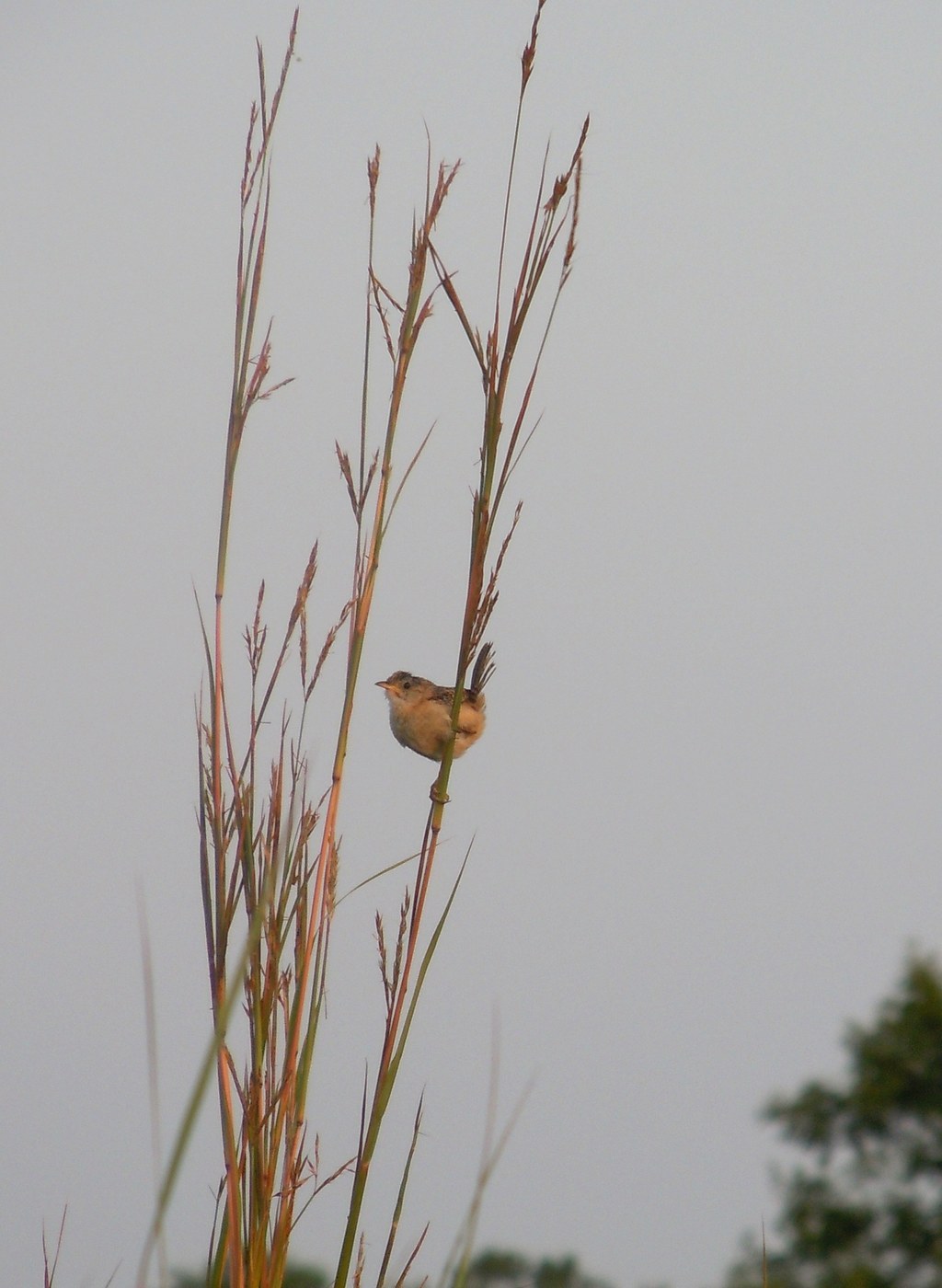
Sedge Wren
Tiny streaked crown and back feathers

Yellow-winged Cacique
Glossy black body feathers, yellow wing patch, shaggy crest

Yellow Warbler
Small contour and flight feathers
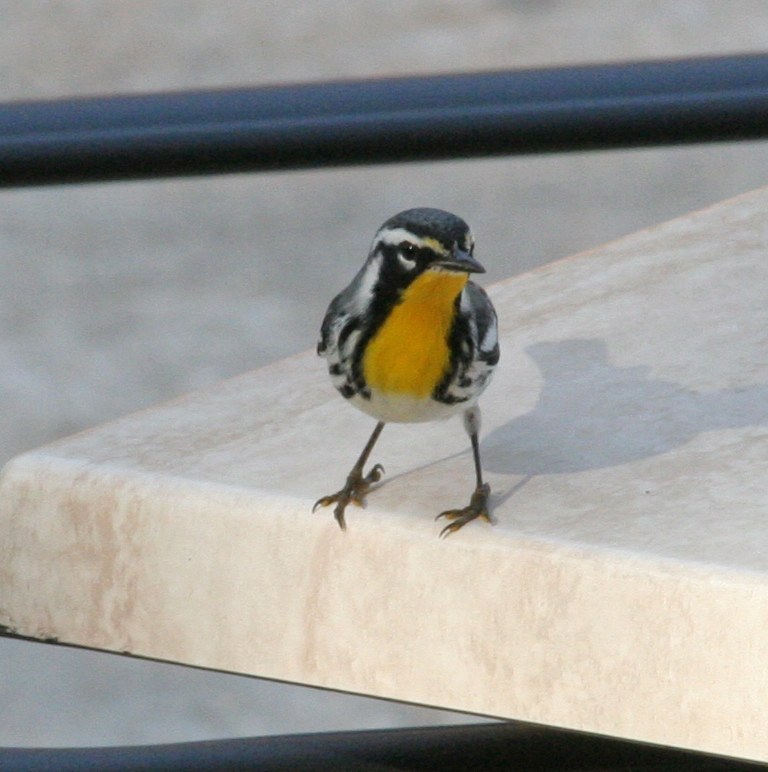
Yellow-throated Warbler
Small contour and flight feathers
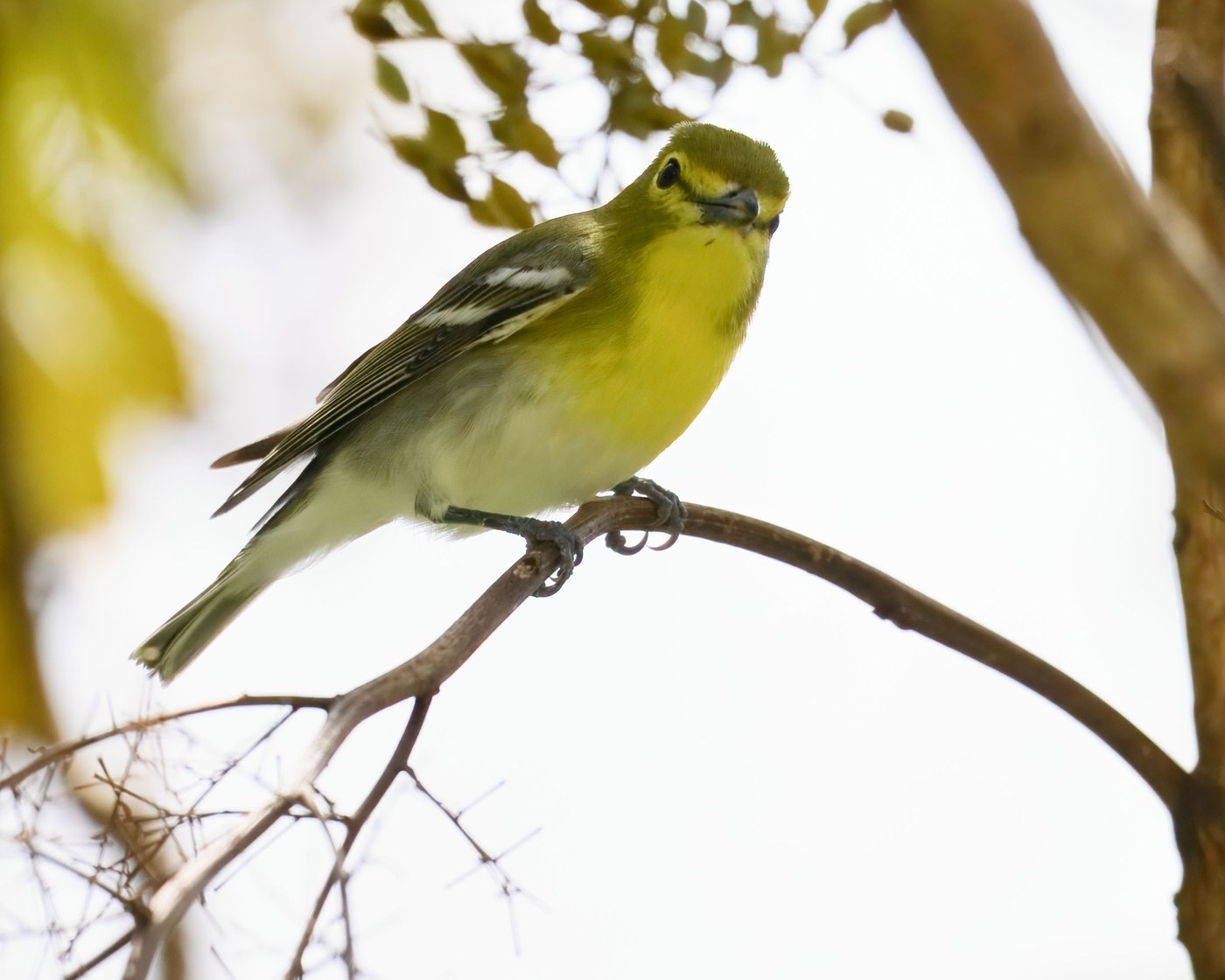
Yellow-throated Vireo
Bright yellow throat and spectacle feathers; olive-green back feathers; two white wing-bar feathers

Yellow-rumped Warbler
Small contour and flight feathers
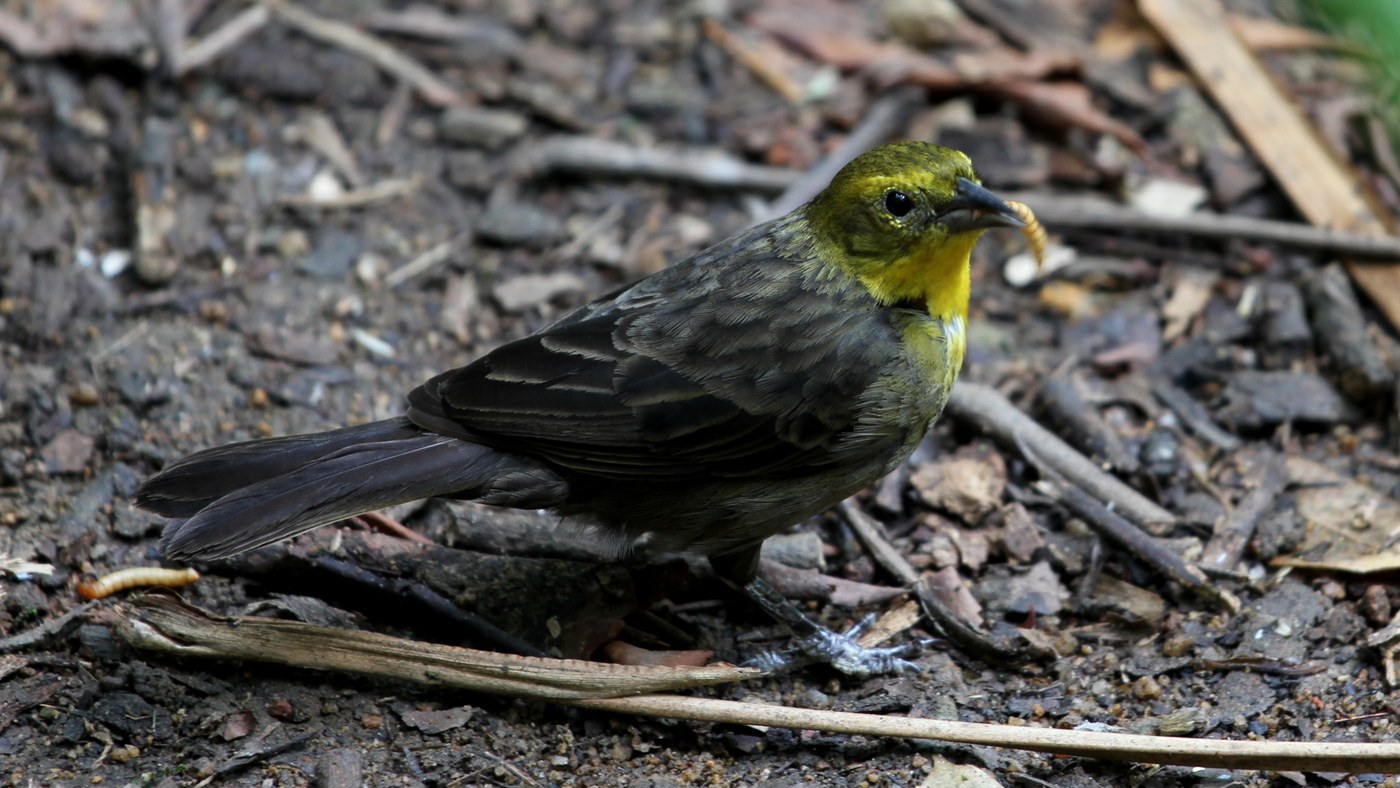
Yellow-hooded Blackbird
Contrasting hood and body feathers
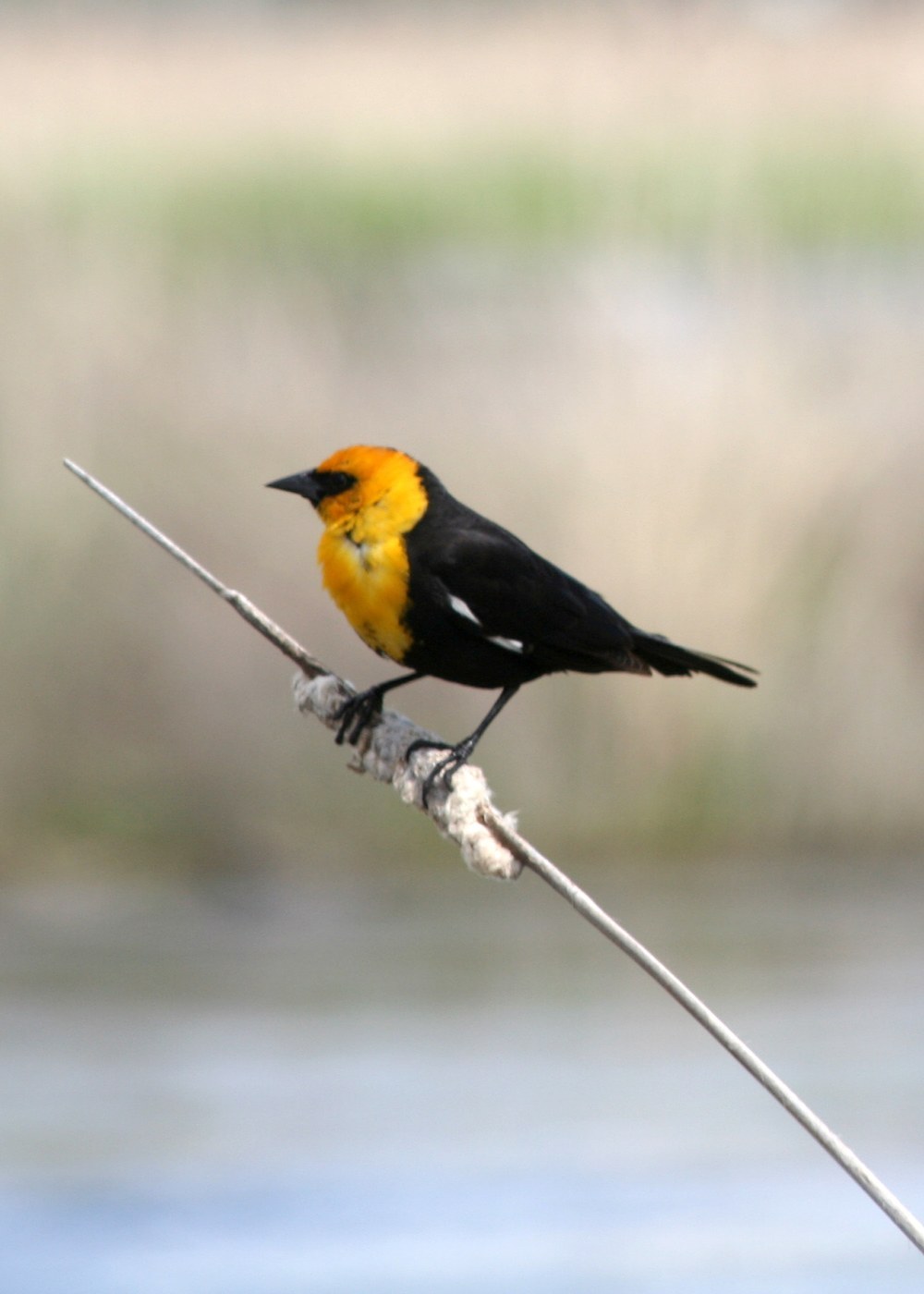
Yellow-headed Blackbird
Glossy black body plumage with a bright yellow head and breast

Yellow-eyed Junco
Contour and flight feathers

Yellow-fronted Canary
Small, smooth body plumage

Yellow-breasted Greenfinch
Compact, smooth body plumage