

Spotless Starling
Sturnus unicolor
A glossy black starling of Iberia and northwest Africa closely resembling the Common Starling but lacking the pale spangling in breeding plumage.
- Feather type
- Glossy, iridescent body feathers; elongated throat hackles in breeding males
- Colours
- Glossy black with green-purple iridescence, unspotted in breeding plumage
- Bird size
- Robin-sized, ~21 cm
Found a feather like this?
Identify any feather from a photo, free.
Overview
The Spotless Starling is a glossy black songbird restricted mainly to the Iberian Peninsula, the Balearic Islands, and parts of northwest Africa, closely related to and often confused with the more widespread Common Starling. As its name suggests, breeding adults lack the pale spotting typical of the Common Starling, appearing almost entirely glossy black.
Identifying the Feather
Flight feathers: glossy black with a greenish-purple sheen, broader than in the Common Starling. Tail feathers: short and squared, glossy black. Body feathers: in breeding plumage, adults show essentially unspotted, glossy black feathers with iridescent green and purple highlights, and elongated, loose throat feathers (hackles) that are longer than those of the Common Starling. In fresh non-breeding plumage, feathers show pale spotting similar to the Common Starling but are typically less densely and less crisply spotted. Compared to the Common Starling, Spotless Starling feathers overall look glossier and blacker with reduced pale markings and longer throat hackles.
Plumage & Molt
Sexes are similar, though males may show slightly longer throat hackles. Breeding adults are essentially unspotted glossy black with iridescent green-purple sheen; after the post-breeding molt, fresh feathers show pale tips creating a spotted appearance that wears away by the following breeding season, reducing spotting compared to Common Starling. Juveniles are dull grayish-brown, molting into a first-winter plumage that is spotted like the adult non-breeding plumage before eventually acquiring the glossy, less-spotted adult look.
Habitat & Range
Spotless Starlings inhabit open country, farmland, orchards, and towns primarily across the Iberian Peninsula, the Balearic Islands, and parts of northwest Africa, overlapping only marginally with the more widespread Common Starling. Most populations are largely resident, with limited seasonal movement.
Behavior & Field Notes
This starling forages on the ground in flocks, taking insects, other invertebrates, and fruit, and often associates loosely with livestock. It nests in cavities, including tree holes, cliff crevices, and building crevices, sometimes in loose colonies. Its calls and song are similar to the Common Starling's, featuring a mix of whistles, clicks, and mimicked sounds, often delivered from a prominent perch with fluffed throat feathers.
Frequently asked questions
How can I tell Spotless Starling feathers from Common Starling feathers?
Spotless Starling feathers, especially in breeding condition, show far less pale spotting and appear more uniformly glossy black, with longer, looser throat feathers (hackles).
Why does the species show some spotting outside the breeding season?
After the post-breeding molt, fresh feathers have pale tips that create a spotted look, similar to the Common Starling, but this wears away by the next breeding season.
Do juvenile Spotless Starlings have glossy black feathers?
No, juveniles are dull grayish-brown, later molting into a spotted first-winter plumage before eventually acquiring the mostly unspotted glossy adult look.
Where is this species typically found?
Primarily in open country, farmland, and towns across the Iberian Peninsula, the Balearic Islands, and parts of northwest Africa.
Spotless Starling guides
In-depth guides for identifying and understanding Spotless Starling.

Other feathers you may enjoy

Yellow-breasted Bunting
Contour and flight feathers, chestnut-and-yellow breeding pattern
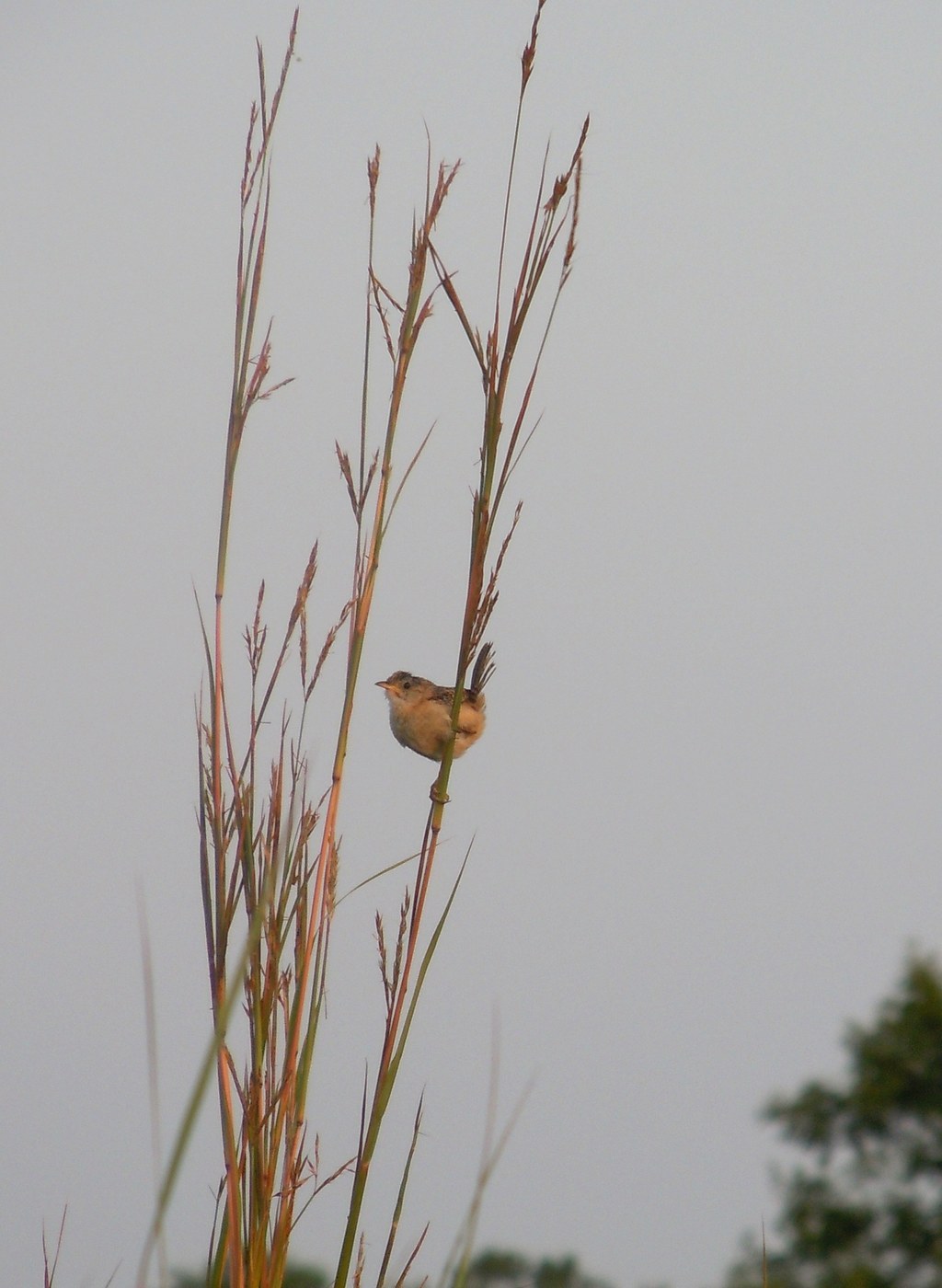
Sedge Wren
Tiny streaked crown and back feathers

Yellow-winged Cacique
Glossy black body feathers, yellow wing patch, shaggy crest

Yellow Warbler
Small contour and flight feathers
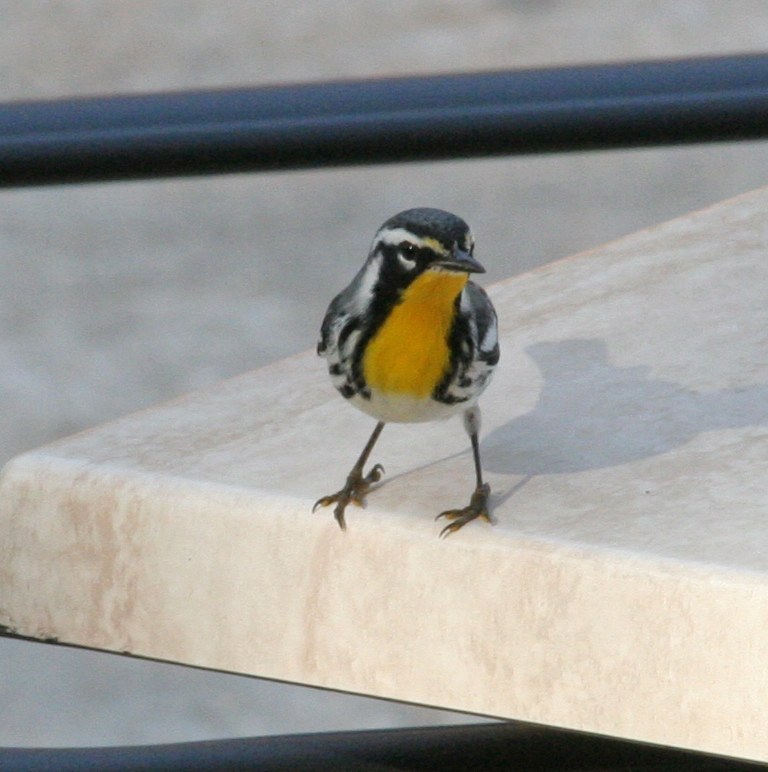
Yellow-throated Warbler
Small contour and flight feathers
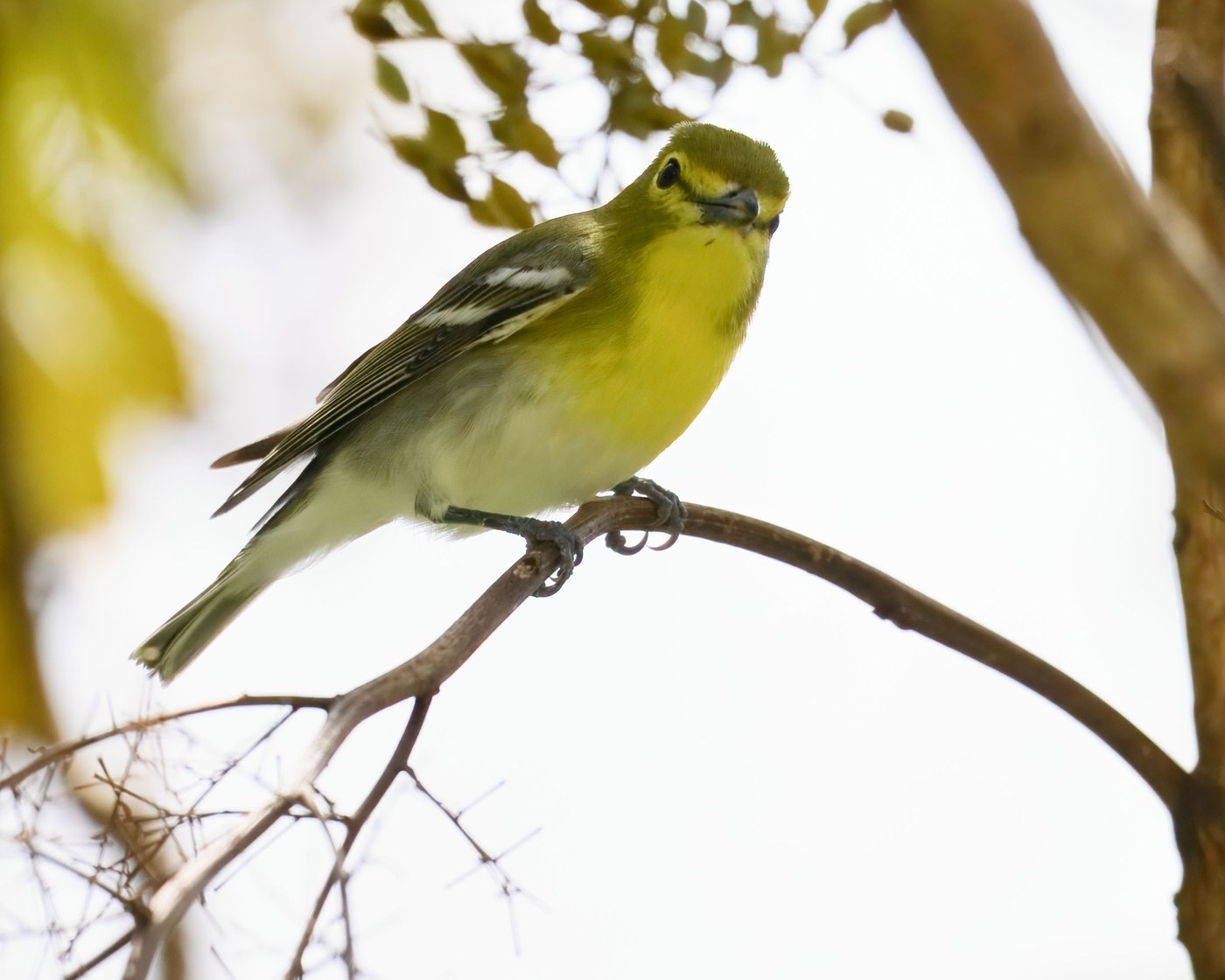
Yellow-throated Vireo
Bright yellow throat and spectacle feathers; olive-green back feathers; two white wing-bar feathers

Yellow-rumped Warbler
Small contour and flight feathers
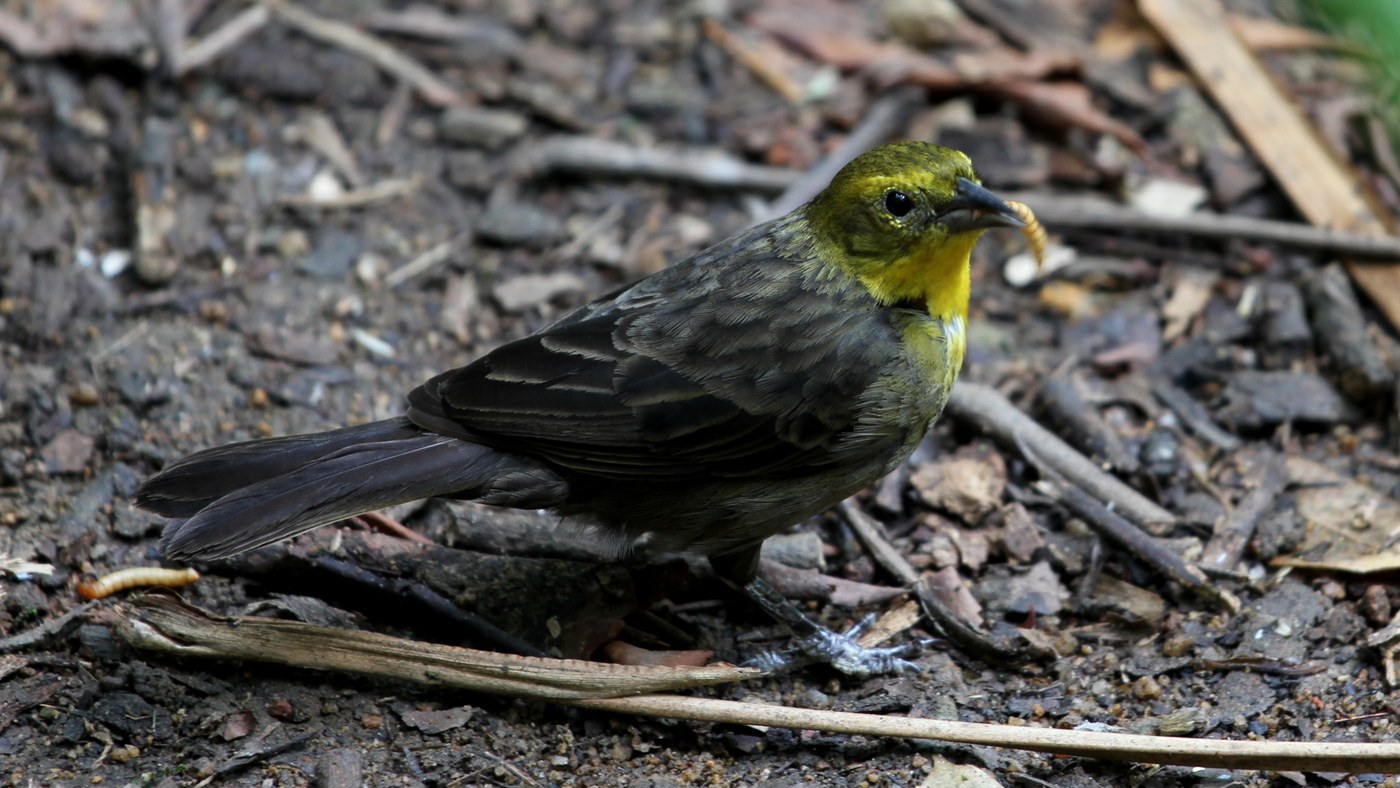
Yellow-hooded Blackbird
Contrasting hood and body feathers
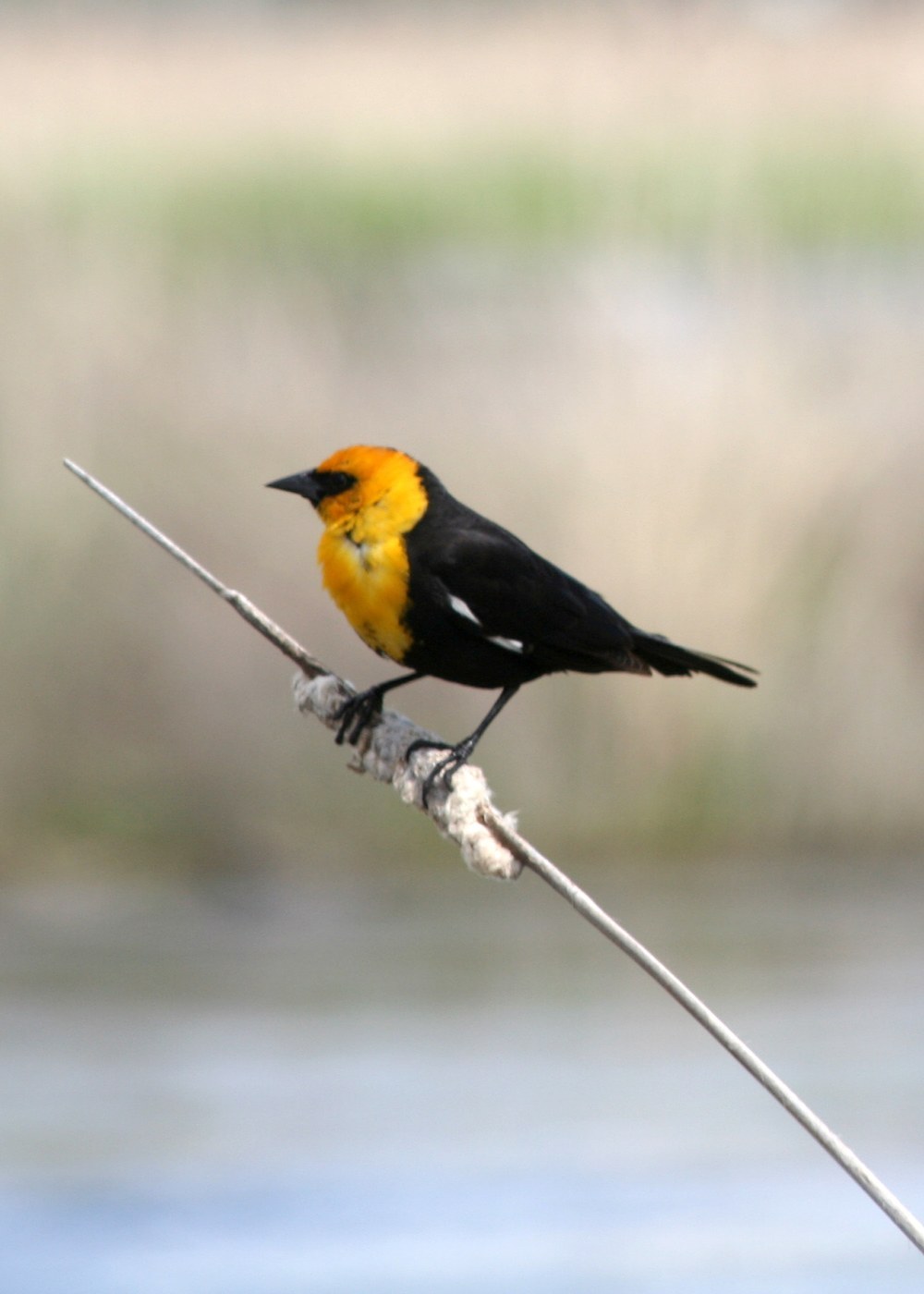
Yellow-headed Blackbird
Glossy black body plumage with a bright yellow head and breast

Yellow-eyed Junco
Contour and flight feathers

Yellow-fronted Canary
Small, smooth body plumage

Yellow-breasted Greenfinch
Compact, smooth body plumage