

Spot-winged Grosbeak
Mycerobas melanozanthos
A large Himalayan finch identified by rows of neat white spots across otherwise black wings, paired with a black head and yellow body.
- Feather type
- Large, robust body feathers; massive conical bill feathering
- Colours
- Black head and back, yellow body, white-spotted black wings
- Bird size
- Large finch, ~22-23 cm
Found a feather like this?
Identify any feather from a photo, free.
Overview
Overview
The Spot-winged Grosbeak occupies broadleaf and mixed montane forest across the Himalayas and into parts of Southeast Asia. It is closely related to other large black-and-yellow Mycerobas grosbeaks but is distinguished by rows of bold white spots across the wing coverts and flight feathers. It forages in pairs or small groups in forest canopy, favoring fruiting and seeding trees.
Identifying the Feather
Feather Identification
- Wing feathers show a series of neat white spots across the coverts and flight feathers, the species' most diagnostic feature, distinguishing it from plain-winged or white-patched relatives
- Male head and back feathers are black, contrasting with bright yellow underparts and rump
- Bill is large and conical, typical of the genus, suited for crushing seeds and fruit stones
- Females are duller, showing grayish-olive tones with reduced or less distinct white wing spotting
- Tail feathers are black, occasionally with faint pale tips
- Distinguished from Collared and White-winged Grosbeaks by the spotted (rather than plain black or solid white-patched) wing pattern
Plumage & Molt
Plumage Notes
Adult males show a black head and back, bright yellow underparts, and wings marked with rows of white spots. Females are duller and grayer, with less distinct spotting on the wings. Juveniles resemble females. A single annual molt follows breeding.
Habitat & Range
Habitat & Range
Found along the Himalayas and extending into parts of Southeast Asia, in broadleaf and mixed montane forest at middle to high elevations. It shows some altitudinal movement, particularly descending in winter, but does not undertake long-distance migration.
Behavior & Field Notes
Behavior & Field Notes
Spot-winged Grosbeaks forage in pairs or small groups in forest canopy, feeding on seeds, fruit, and buds using their powerful bill. Nests are built in trees within forest cover. The call is a loud whistle or chattering note typical of Mycerobas grosbeaks. It is often detected by voice or by the flash of white wing spots as it moves through the canopy.
Frequently asked questions
What feather pattern identifies the Spot-winged Grosbeak?
Rows of neat white spots across otherwise black wing feathers, combined with a black head and back and bright yellow underparts.
Where does the Spot-winged Grosbeak live?
In broadleaf and mixed montane forest along the Himalayas and into parts of Southeast Asia.
How do females differ from males?
Females are duller and grayer with less distinct white spotting on the wings compared to males.
Is this species migratory?
It shows altitudinal movement, especially in winter, but is not a long-distance migrant.
Spot-winged Grosbeak guides
In-depth guides for identifying and understanding Spot-winged Grosbeak.

Other feathers you may enjoy

Yellow-breasted Bunting
Contour and flight feathers, chestnut-and-yellow breeding pattern
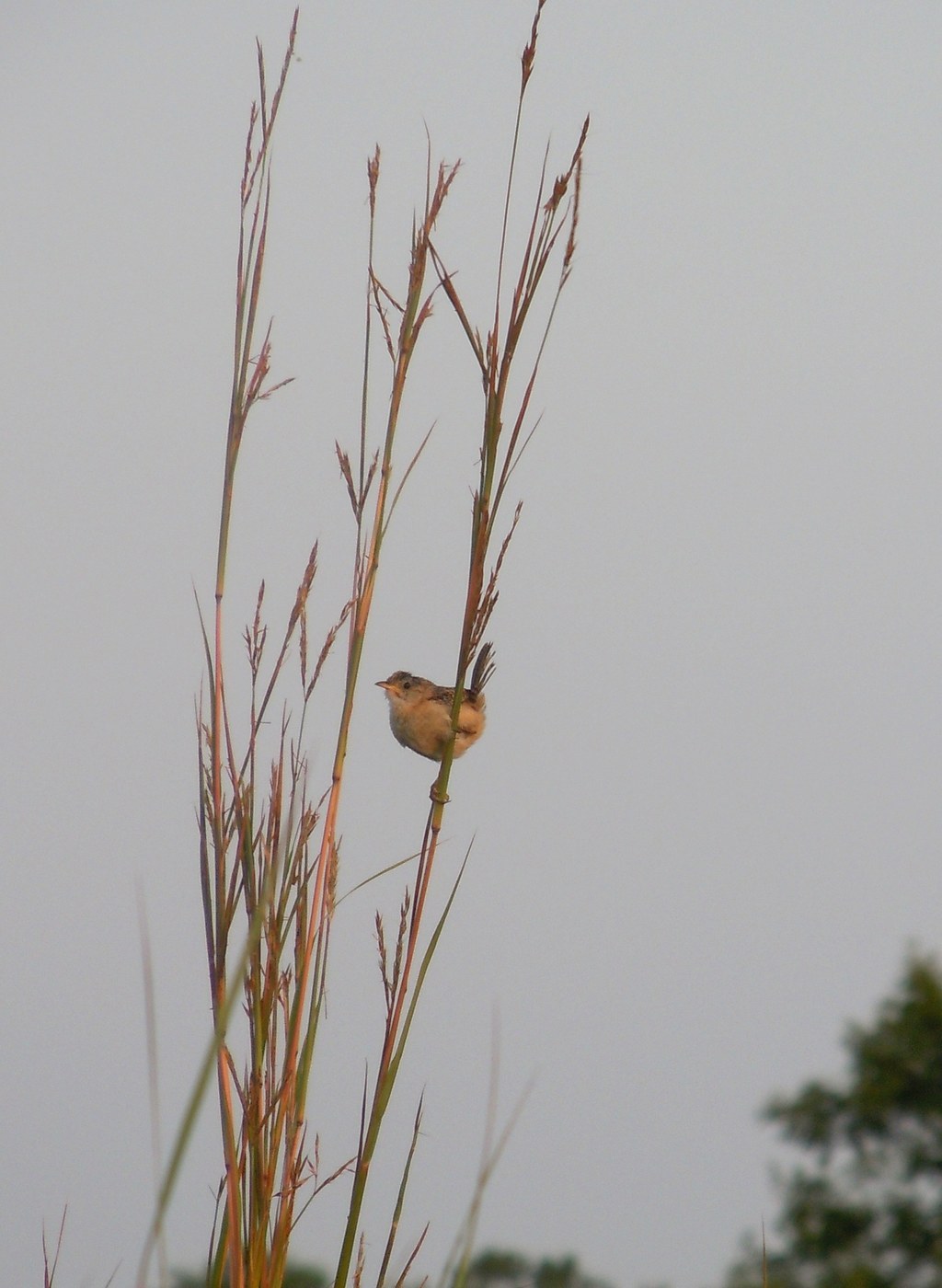
Sedge Wren
Tiny streaked crown and back feathers

Yellow-winged Cacique
Glossy black body feathers, yellow wing patch, shaggy crest

Yellow Warbler
Small contour and flight feathers
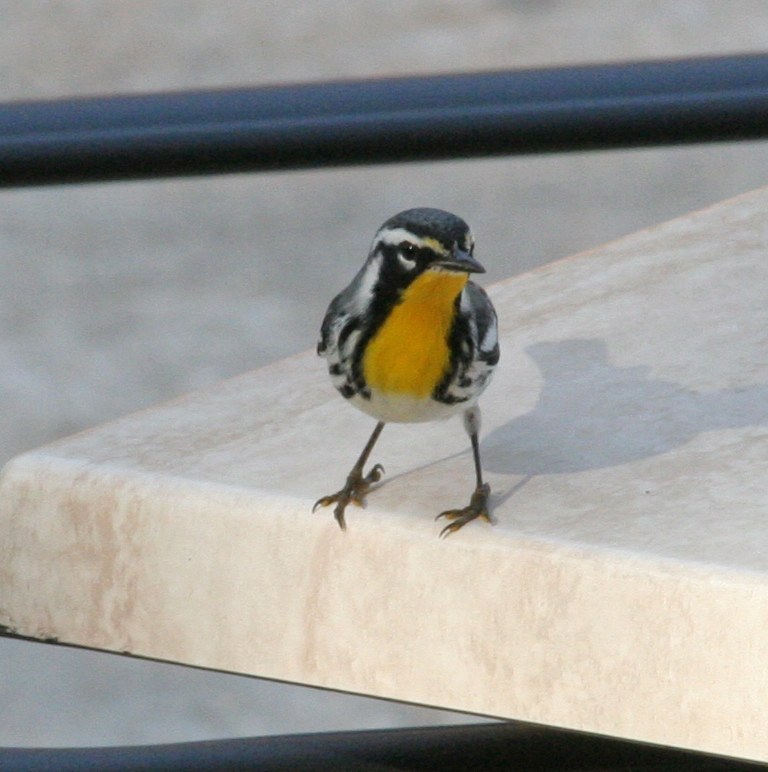
Yellow-throated Warbler
Small contour and flight feathers
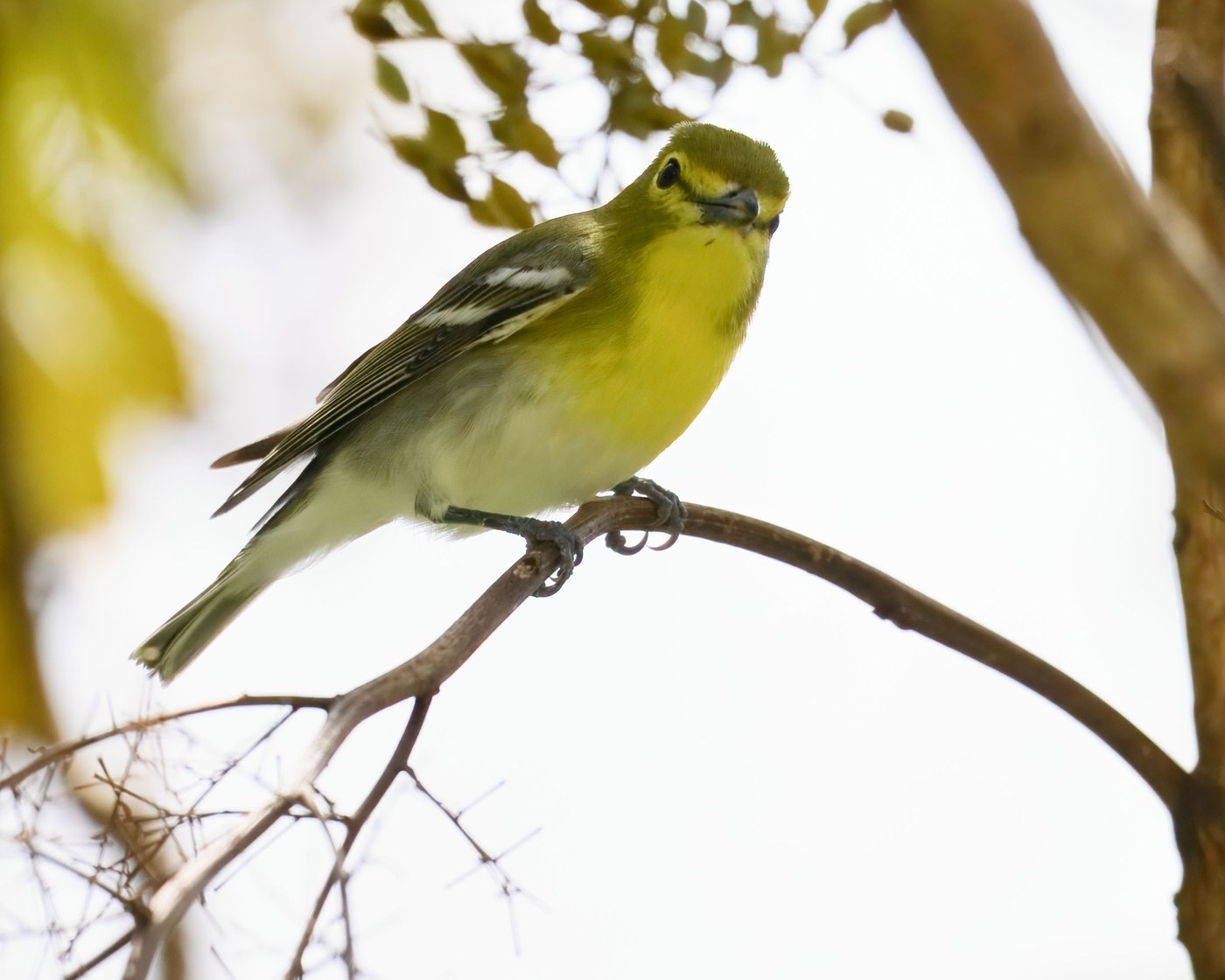
Yellow-throated Vireo
Bright yellow throat and spectacle feathers; olive-green back feathers; two white wing-bar feathers

Yellow-rumped Warbler
Small contour and flight feathers
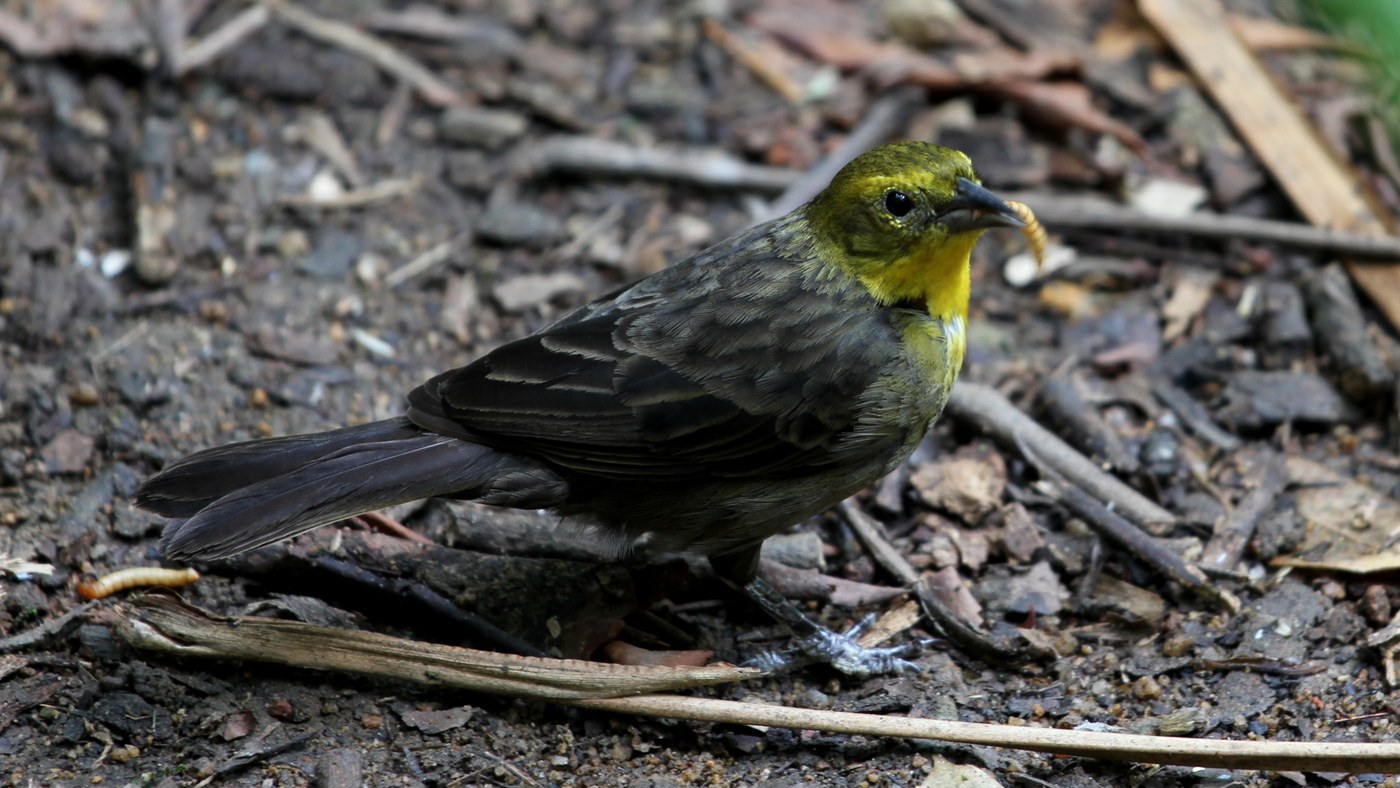
Yellow-hooded Blackbird
Contrasting hood and body feathers
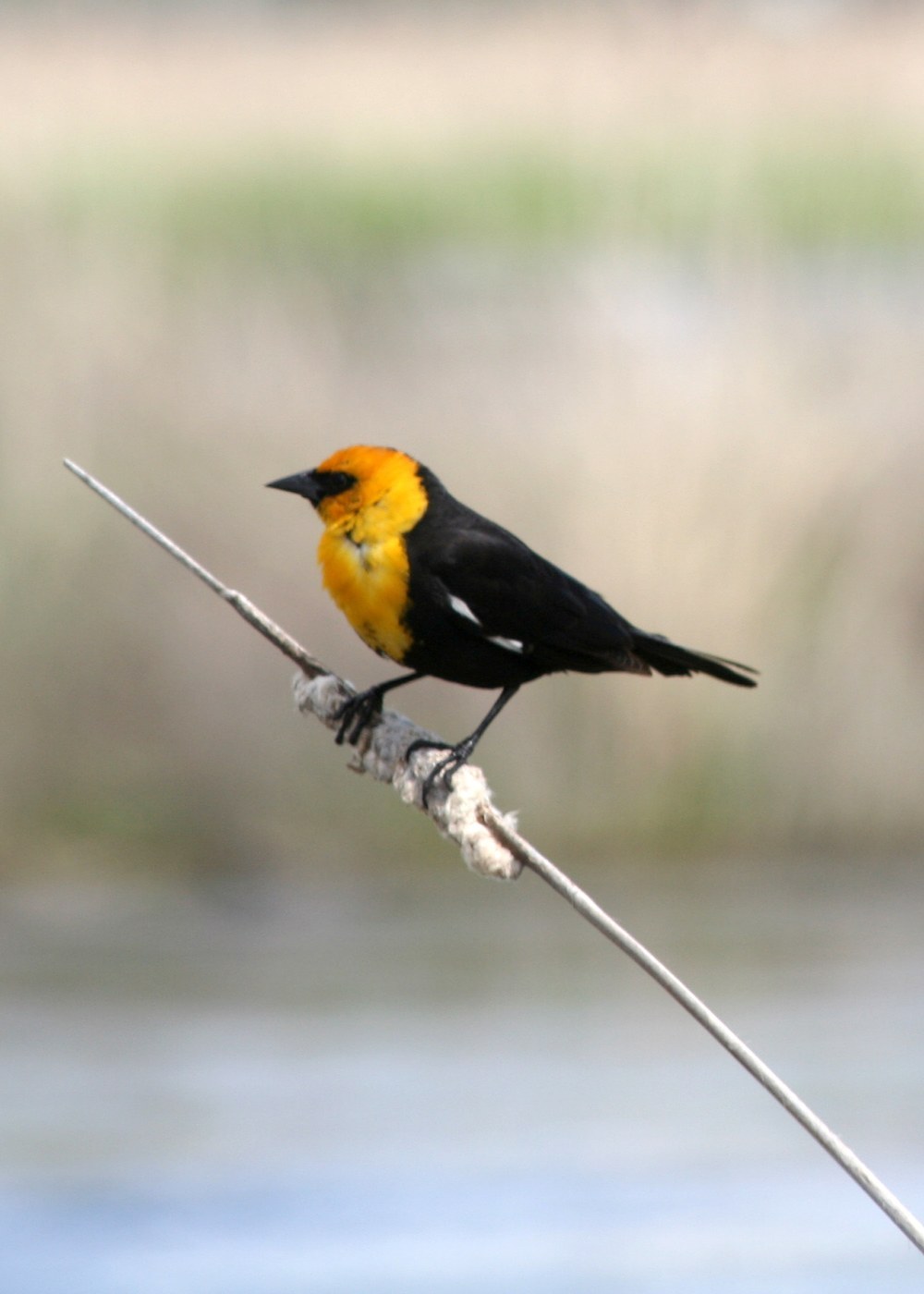
Yellow-headed Blackbird
Glossy black body plumage with a bright yellow head and breast

Yellow-eyed Junco
Contour and flight feathers

Yellow-fronted Canary
Small, smooth body plumage

Yellow-breasted Greenfinch
Compact, smooth body plumage