

Snowy-browed Owl
Glaucidium brodiei
This tiny Asian pygmy owl is known for its compact, heavily spotted brown plumage and a pair of dark false eye-spots on the nape that help confuse predators.
- Feather type
- Tiny, spotted flight and crown feathers with false eye-spot markings on the nape
- Colours
- Brown with fine pale spotting, and dark false eye-spots on the back of the neck
- Bird size
- Very small, roughly 15-17 cm
Found a feather like this?
Identify any feather from a photo, free.
Overview
This species belongs to the pygmy owl genus Glaucidium, a group of small, often diurnal or crepuscular owls found across forested hill country in South and Southeast Asia. Despite its tiny size, it is a bold, active hunter that is sometimes active during daylight hours, unlike most other owls.
A notable feature shared with many pygmy owls is a pair of dark false eye-spots on the back of the head, which are thought to discourage attacks from behind by mimicking a forward-facing gaze.
Its very small size combined with fine pale spotting on a brown background, along with the characteristic nape eye-spots when present in a feather sample, make this species reasonably distinctive among Asian forest owls.
Identifying the Feather
Shape and Size
Flight feathers are very small, typically 8-10 cm on primaries, reflecting this pygmy owl's diminutive size, with the soft fringed edges typical of owls.
Color and Pattern
- Brown ground color with fine pale spotting across back and wing feathers
- Crown feathers finely spotted
- Nape feathers may show dark false eye-spot markings bordered with pale rings
Shaft and Vane
Shafts pale brown, thin and delicate given the very small size of this owl; vanes soft.
Distinguishing from Similar Species
Very small size alone separates this species from most other Asian forest owls; the presence of dark false eye-spots on nape feathers, when found, is a strong additional clue linking a feather to the pygmy owl group.
Plumage & Molt
Adults are brown with fine pale spotting on the crown and upperparts, paler underparts with brown streaking, and a pair of dark false eye-spots edged in pale on the nape. Eyes are yellow.
Sexes look broadly similar. Juveniles are downier with less defined spotting. Adults undergo a single annual molt.
Habitat & Range
This species occupies forest, forest edge, and wooded hill country across the Himalayan foothills, South Asia, and much of Southeast Asia, generally in hilly or montane terrain rather than lowland plains.
It is largely a non-migratory resident, with some populations shifting to lower elevations during the coldest months.
Behavior & Field Notes
Unlike most owls, this species is often active during the day as well as at dusk and night, perching prominently and hunting actively. It feeds on large insects, small birds, and small vertebrates.
It nests in tree cavities, often old woodpecker holes. Its call is a series of short, whistled notes. A very small, finely spotted brown feather, especially one showing dark nape eye-spot markings, found in Asian hill forest is consistent with this pygmy owl.
Frequently asked questions
What are the dark marks sometimes seen on this owl's nape feathers?
False eye-spots, a pattern shared by several pygmy owls thought to discourage predators from attacking from behind by mimicking a forward-facing face.
Is this owl active during the day?
Yes, unlike many owls it is frequently active in daylight as well as at dusk and night.
How small are this species' feathers?
Very small, with flight feathers often under 10 cm, reflecting its status as one of Asia's tiniest owls.
What habitat should I search for this species' feathers?
Forested hill country and montane forest edge across South and Southeast Asia.
Snowy-browed Owl guides
In-depth guides for identifying and understanding Snowy-browed Owl.

Other feathers you may enjoy

Tawny Owl
Wing (flight) and body (contour) feathers
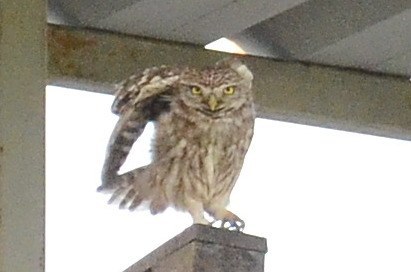
Little Owl
Wing and body feathers

Balsas Screech-Owl
Small ear-tuft feathers; soft, finely vermiculated body feathers

Blakiston's Fish Owl
Massive flight feathers with looser structure; shaggy body plumage; prominent ear-tuft feathers

Barn Owl
Wing and facial-disc feathers
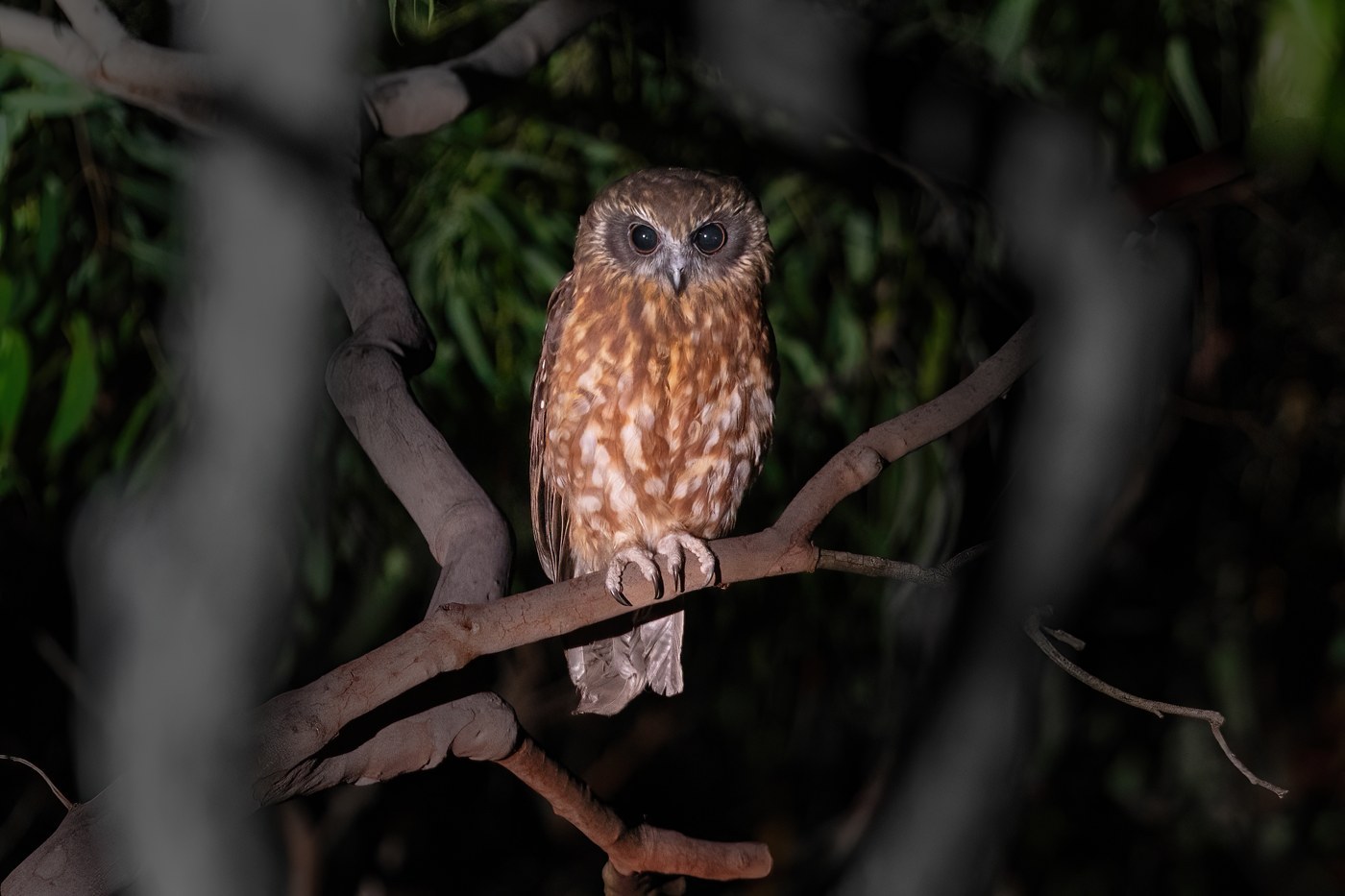
Southern Boobook
Rounded flight feathers; banded tail; spotted body plumage

Sooty Owl
Broad soft-edged flight feathers; heart-shaped facial disc feathers; finely speckled body plumage

Short-eared Owl
Broad soft-fringed flight feathers; streaked body feathers; tiny, rarely visible ear tufts

Stygian Owl
Dark, mottled flight and body feathers with long, closely-set ear tufts
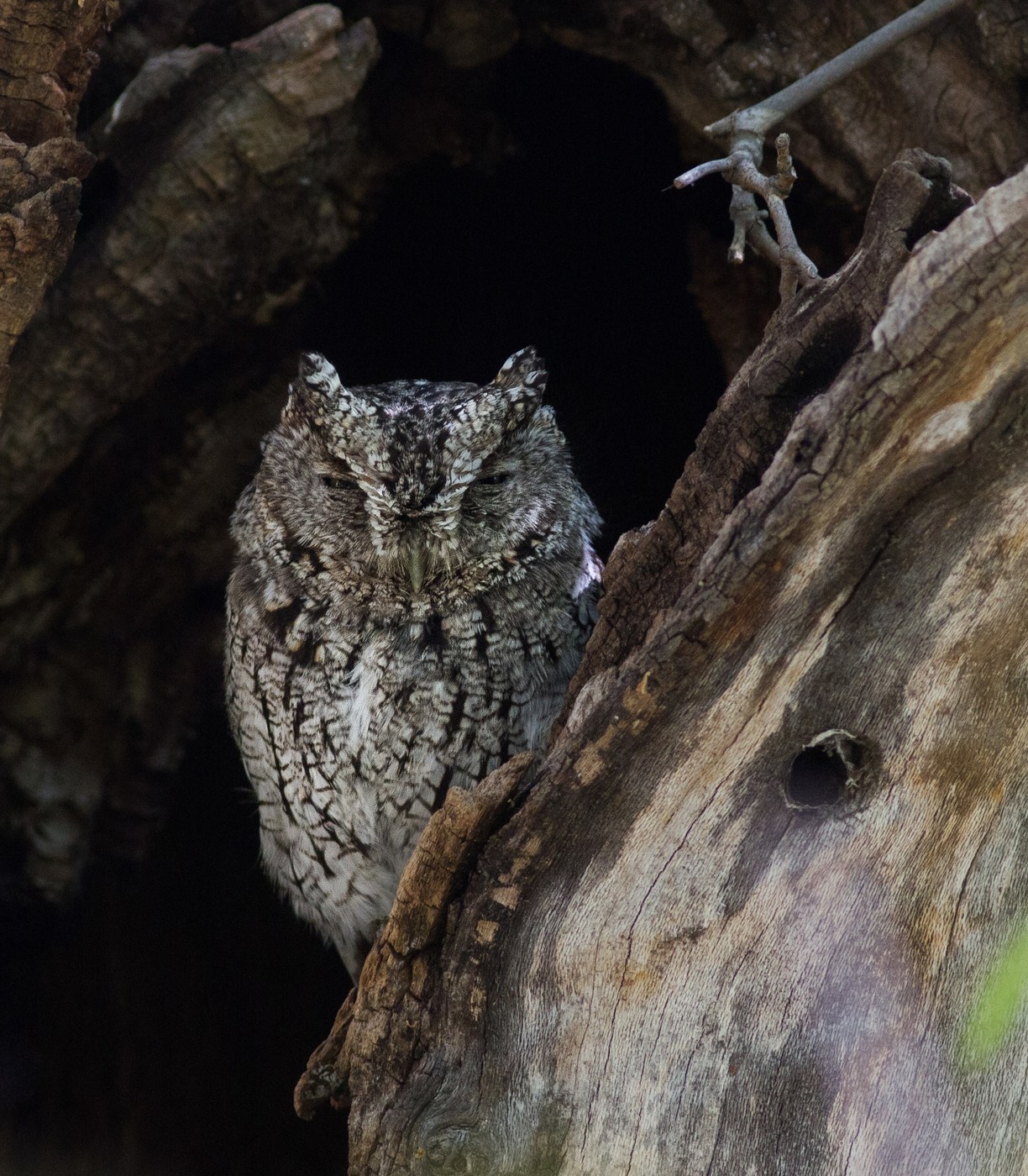
Whiskered Screech-Owl
Small soft-fringed flight feathers; finely mottled body feathers; short ear tufts
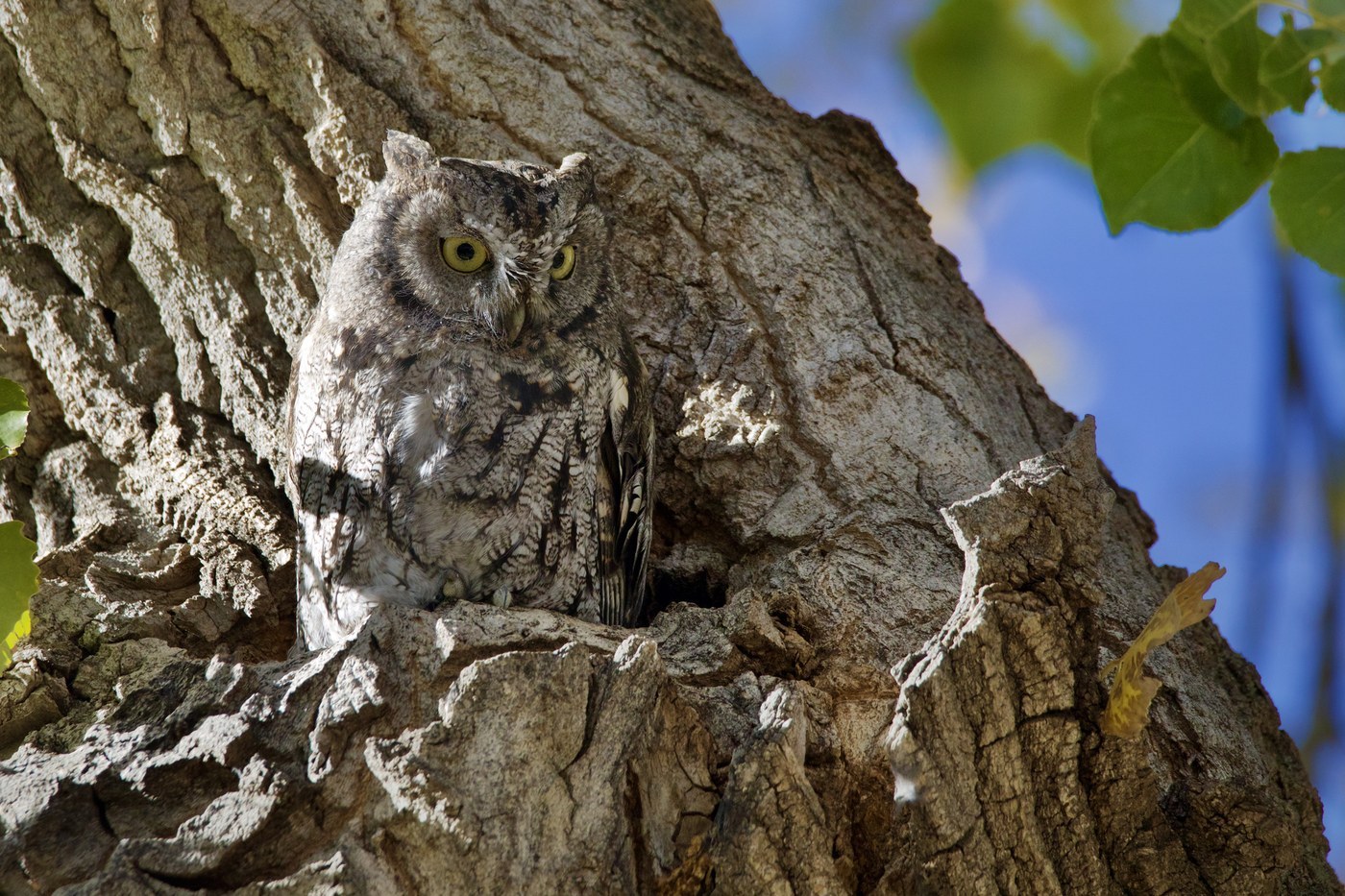
Western Screech-Owl
Small soft-fringed flight feathers; cryptic mottled/streaked body feathers; short ear tufts

White-faced Scops Owl
Small to medium flight feathers with a distinctive whitish facial disc and long ear-tuft plumes