

Rufous-collared Sparrow
Zonotrichia capensis
One of the most familiar and widespread songbirds in Latin America, recognized by its gray-and-black striped head, rufous collar across the nape, and streaked brown back. It thrives from sea level to high Andean grasslands and is equally at home in cities and open country.
- Feather type
- Streaked contour feathers typical of New World sparrows, with a slight bushy crest
- Colours
- Gray head with black stripes, rufous nape collar, brown-streaked back, and pale gray underparts
- Bird size
- Sparrow-sized, ~14-15 cm
Found a feather like this?
Identify any feather from a photo, free.
Overview
Overview
The Rufous-collared Sparrow is an extremely widespread and adaptable songbird found from southern Mexico to Tierra del Fuego. It is instantly recognizable by its gray crown bordered with bold black stripes, a broad rufous-chestnut collar across the back of the neck, and a streaked brown back. Equally comfortable in city parks, farmland, and high-altitude Andean grassland, it is often the most conspicuous small bird in a given location and its whistled song varies in dialect from region to region.
Identifying the Feather
Feather Identification
- Crown: Gray with two bold black lateral stripes running from the bill to the nape; a small central crest is often raised, especially when the bird is alert or singing.
- Collar: A broad rufous-chestnut band of feathers crosses the hindneck, the single best field mark for this species.
- Back and wings: Warm brown feathers with dark streaking.
- Underparts: Plain pale gray breast fading to a whitish belly, without heavy streaking.
- Tail: Short and slightly notched, brown.
- Versus similar sparrows: Other sparrows sharing its range lack the rufous collar or show a different head-stripe pattern; the gray-striped crown combined with the rufous collar is diagnostic.
Plumage & Molt
Plumage Notes
Sexes are alike. Juveniles are duller and more streaked below, lacking the crisp head pattern and full rufous collar until after their first molt. A complete molt occurs annually, and regional subspecies vary somewhat in overall tone and the extent of the collar.
Habitat & Range
Habitat & Range
This species ranges from southern Mexico through Central America and nearly all of South America to Tierra del Fuego. It occupies open and semi-open habitats from lowland scrub, farmland, and city parks to high-altitude Andean grassland above treeline. It is largely resident, though populations at high altitude or in the far south may make local altitudinal or latitudinal movements.
Behavior & Field Notes
Behavior & Field Notes
Rufous-collared Sparrows forage on the ground and in low vegetation for seeds and insects, typically seen singly, in pairs, or in small flocks. Its clear, whistled song shows well-documented regional dialects that have been studied extensively by ornithologists. It builds a cup nest low in vegetation or directly on the ground.
Frequently asked questions
What is the key field mark of the Rufous-collared Sparrow?
A broad rufous-chestnut collar across the back of the neck, combined with a gray crown bordered by bold black stripes.
How widespread is the Rufous-collared Sparrow?
It ranges from southern Mexico through nearly all of South America to Tierra del Fuego, occupying habitats from sea level to high Andean grassland.
Do young Rufous-collared Sparrows look like adults?
No, juveniles are duller and more streaked below and lack the full rufous collar until after their first molt.
Why does the species' song vary so much across its range?
Rufous-collared Sparrows show well-documented regional dialects in their whistled song, a subject of considerable ornithological study.
Rufous-collared Sparrow guides
In-depth guides for identifying and understanding Rufous-collared Sparrow.

Rufous-collared Sparrow identified by the community
Real feathers identified with Feather Identifier.

Other feathers you may enjoy

Yellow-breasted Bunting
Contour and flight feathers, chestnut-and-yellow breeding pattern
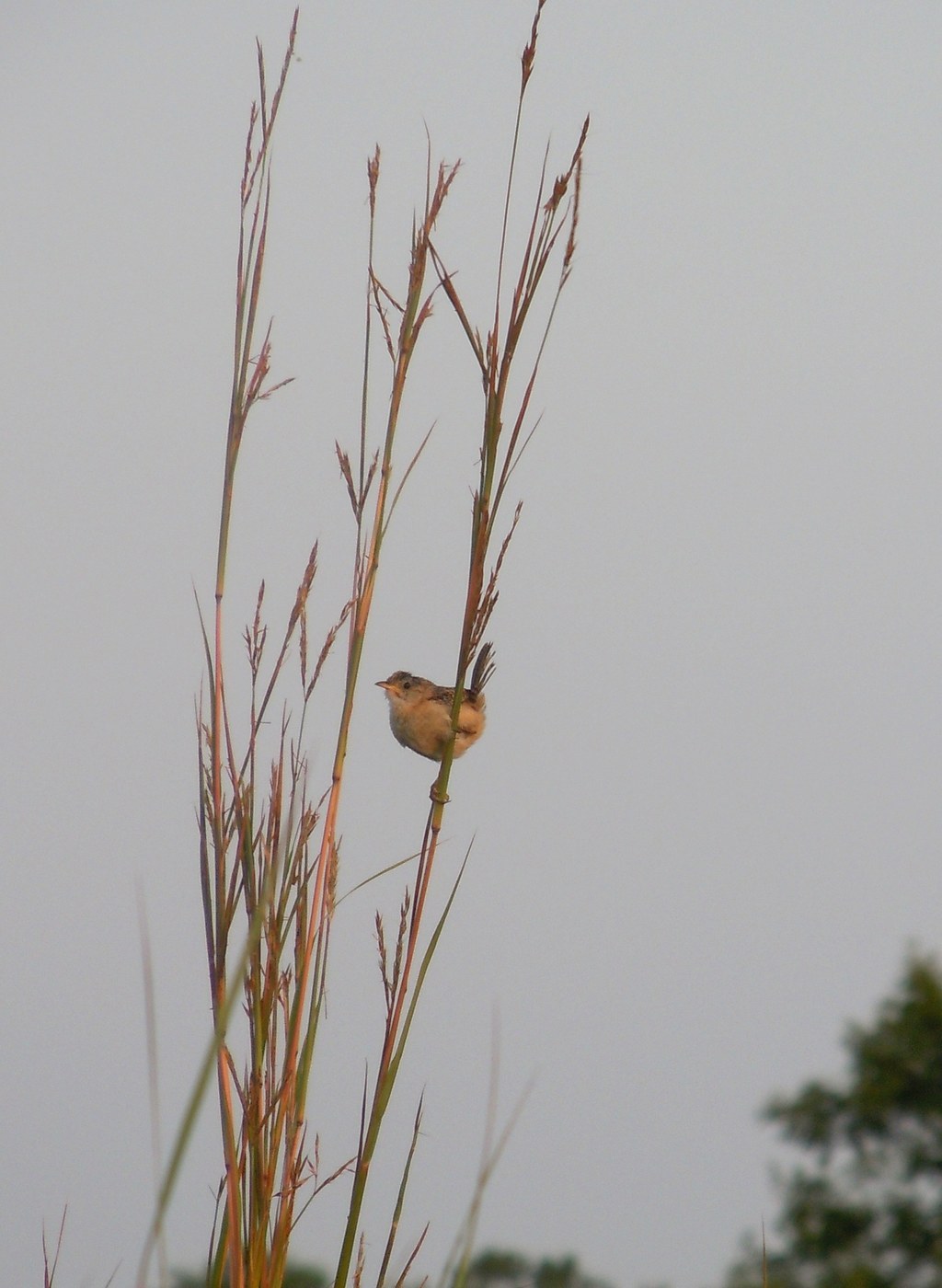
Sedge Wren
Tiny streaked crown and back feathers

Yellow-winged Cacique
Glossy black body feathers, yellow wing patch, shaggy crest

Yellow Warbler
Small contour and flight feathers
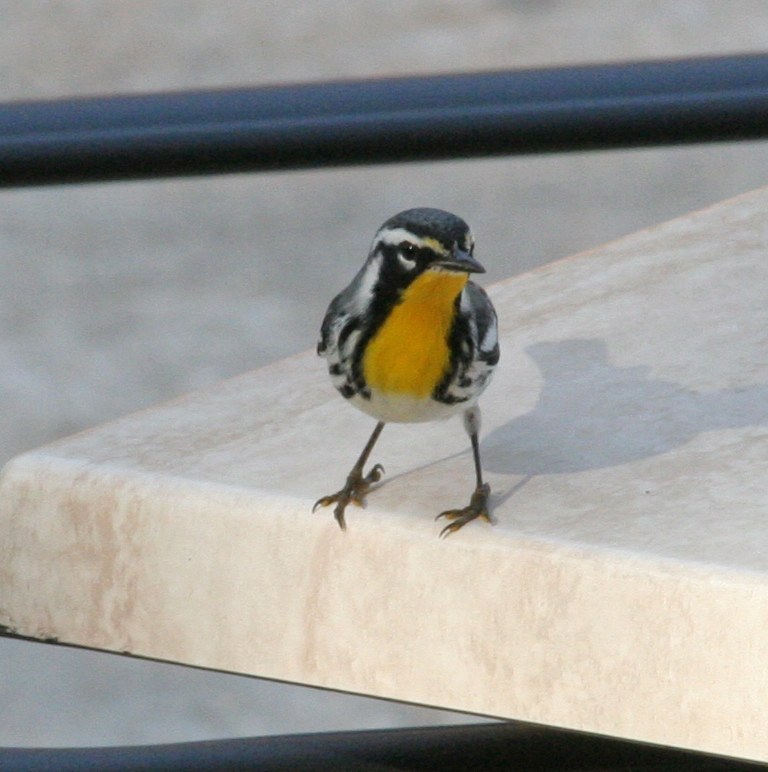
Yellow-throated Warbler
Small contour and flight feathers
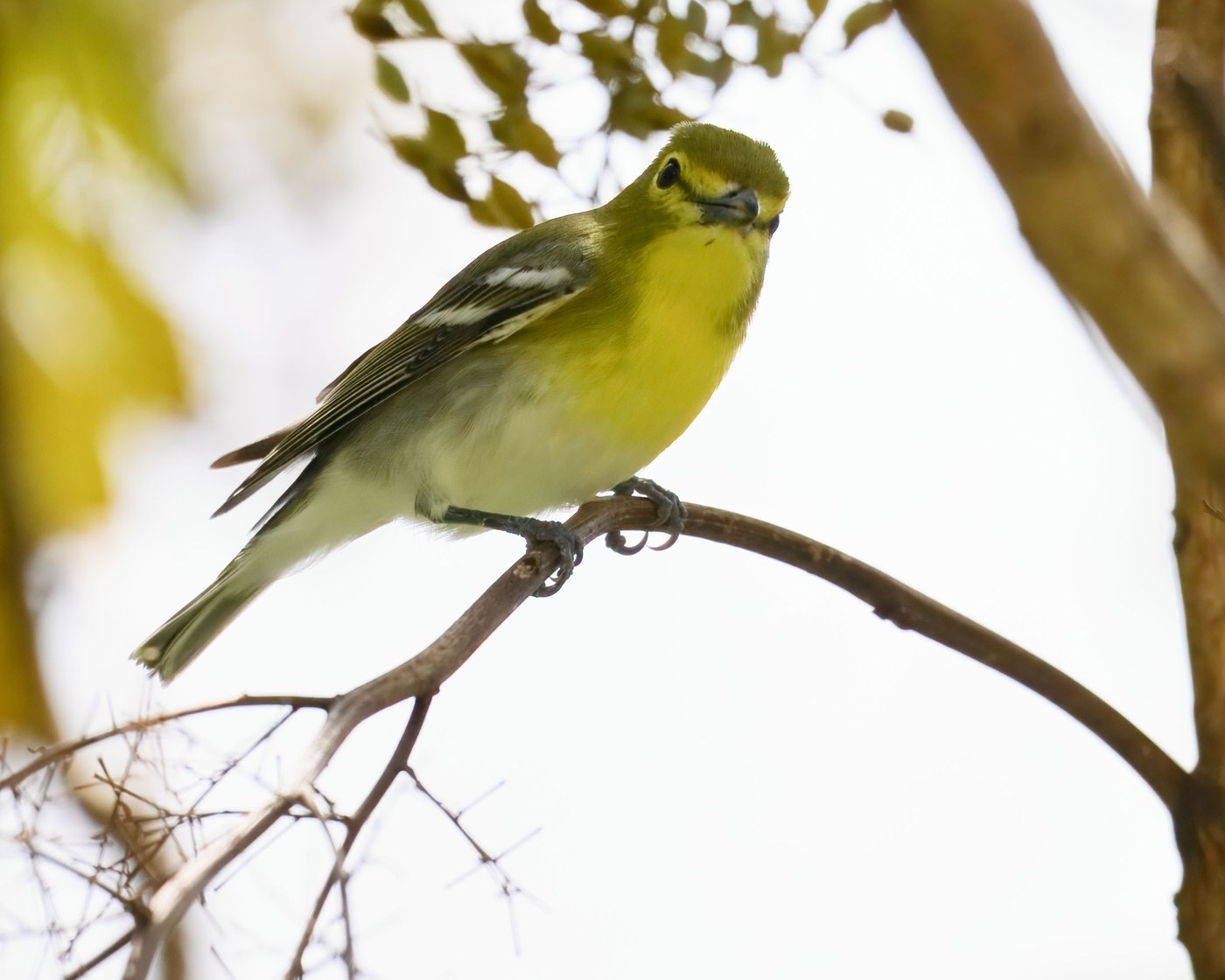
Yellow-throated Vireo
Bright yellow throat and spectacle feathers; olive-green back feathers; two white wing-bar feathers

Yellow-rumped Warbler
Small contour and flight feathers
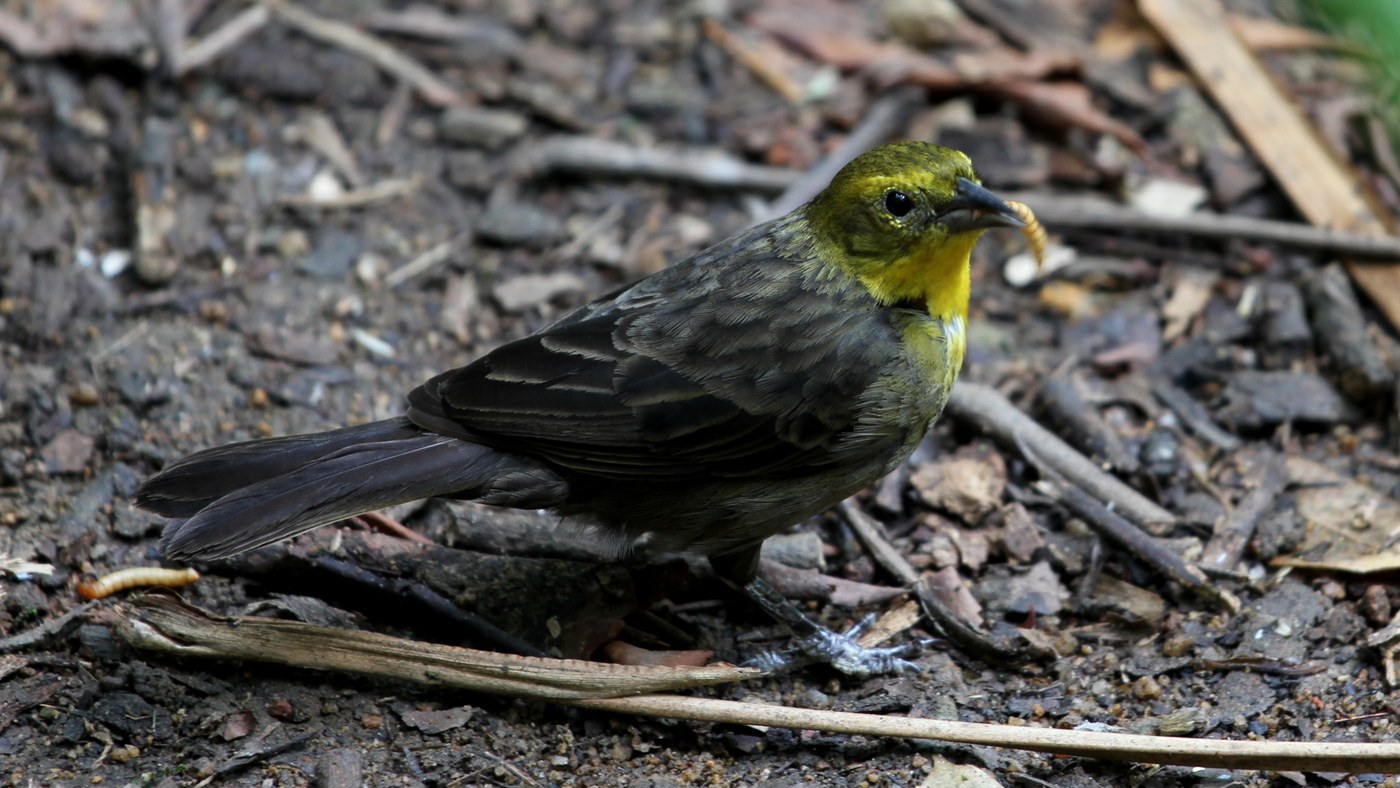
Yellow-hooded Blackbird
Contrasting hood and body feathers
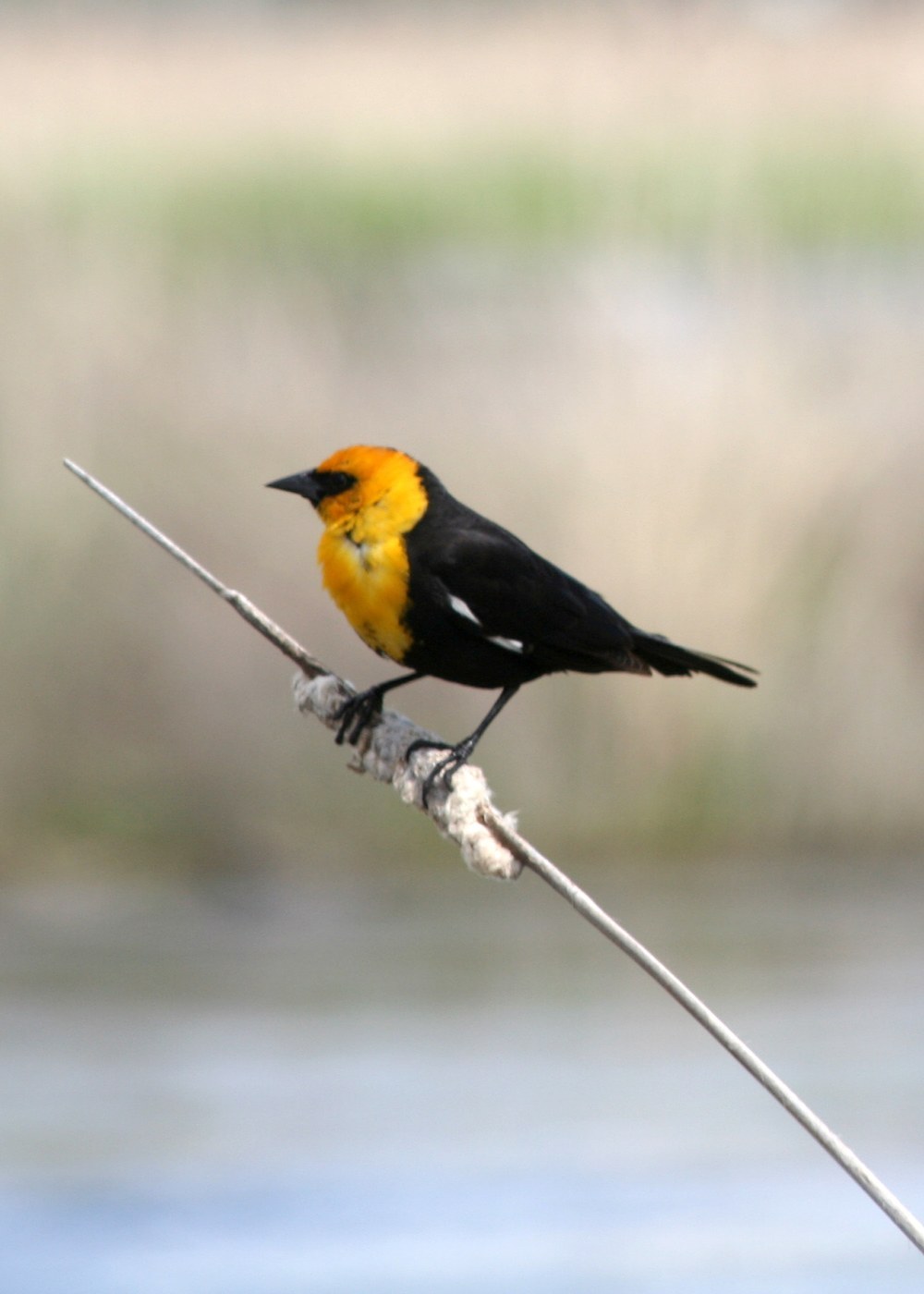
Yellow-headed Blackbird
Glossy black body plumage with a bright yellow head and breast

Yellow-eyed Junco
Contour and flight feathers

Yellow-fronted Canary
Small, smooth body plumage

Yellow-breasted Greenfinch
Compact, smooth body plumage