

Rose-breasted Grosbeak
Pheucticus ludovicianus
A striking eastern songbird whose males show a bold black-and-white pattern set off by a triangular rose-red patch on the breast, one of the most distinctive feather patterns among North American songbirds.
- Feather type
- Contour and flight feathers
- Colours
- Black and white (males), bold rose-red breast patch, brown-streaked (females)
- Bird size
- Medium, ~18-22 cm
Found a feather like this?
Identify any feather from a photo, free.
Overview
The Rose-breasted Grosbeak breeds in deciduous and mixed forests across the eastern and central United States and southern Canada. Males show a dramatic black head and back, white underparts and wing patches, and a vivid rose-red triangular patch on the upper breast, while females are cryptically patterned in brown streaking similar to a large sparrow. This strong plumage difference between the sexes makes feather identification straightforward once the sex of the source bird is known.
Identifying the Feather
Size and Shape
Feathers are fairly large and robust for a songbird, consistent with the grosbeak's heavy, seed-cracking bill and stocky build.
Color and Pattern
- Male head, back, and wing feathers: glossy black with bold white patches
- Male breast feathers: vivid rose-red triangular patch, unique among regularly occurring eastern songbirds
- Female feathers: brown and buff with heavy dark streaking overall, more sparrow-like
- Underwing coverts show pink or yellow tones depending on sex
Distinguishing from Similar Species
A male Rose-breasted Grosbeak's black-and-white pattern with a rose-red breast patch is unmistakable and not shared by any other regularly occurring eastern species. Females are more easily confused with large sparrows but can be told apart by their notably heavier, more conical bill-associated feather tracts and bold facial striping.
Plumage & Molt
Adult males show glossy black upperparts, white underparts and wing patches, and a rose-red breast triangle; adult females are heavily streaked brown and buff with a bold white eyebrow stripe, lacking any red. Immature males resemble females initially, gradually acquiring black and red feathering over their first couple of years. Adults undergo a complete molt after breeding, before fall migration.
Habitat & Range
Rose-breasted Grosbeaks breed in deciduous and mixed forests across the northeastern and north-central United States and adjacent Canada, favoring forest edges and clearings with a mix of canopy and understory. The species is a long-distance migrant, wintering from Mexico south through Central America and into northern South America.
Behavior & Field Notes
This grosbeak forages on insects, seeds, and fruit, using its heavy bill to crack open larger seeds, and often forages in the mid-to-upper canopy. It builds a loosely constructed cup nest in a tree or shrub, and unusually for songbirds, males help incubate the eggs and even sing while sitting on the nest. Its song is a rich, warbling series often described as similar to an American Robin's but more musical and complex, and its call is a distinctive sharp, squeaky note likened to a sneaker on a gym floor.
Frequently asked questions
What does a male Rose-breasted Grosbeak feather look like?
Glossy black on the head, back, and wings, white underparts and wing patches, and a vivid rose-red triangular patch on the upper breast.
Do female Rose-breasted Grosbeaks have red feathers?
No, females are heavily streaked brown and buff, resembling a large sparrow, with no red coloring.
Where would I find a Rose-breasted Grosbeak feather?
In deciduous and mixed forests and forest edges across the northeastern and north-central United States during the breeding season.
Do male Rose-breasted Grosbeaks help incubate eggs?
Yes, unusually among songbirds, males share incubation duties and are even known to sing while sitting on the nest.
Rose-breasted Grosbeak guides
In-depth guides for identifying and understanding Rose-breasted Grosbeak.

Other feathers you may enjoy

Yellow-breasted Bunting
Contour and flight feathers, chestnut-and-yellow breeding pattern
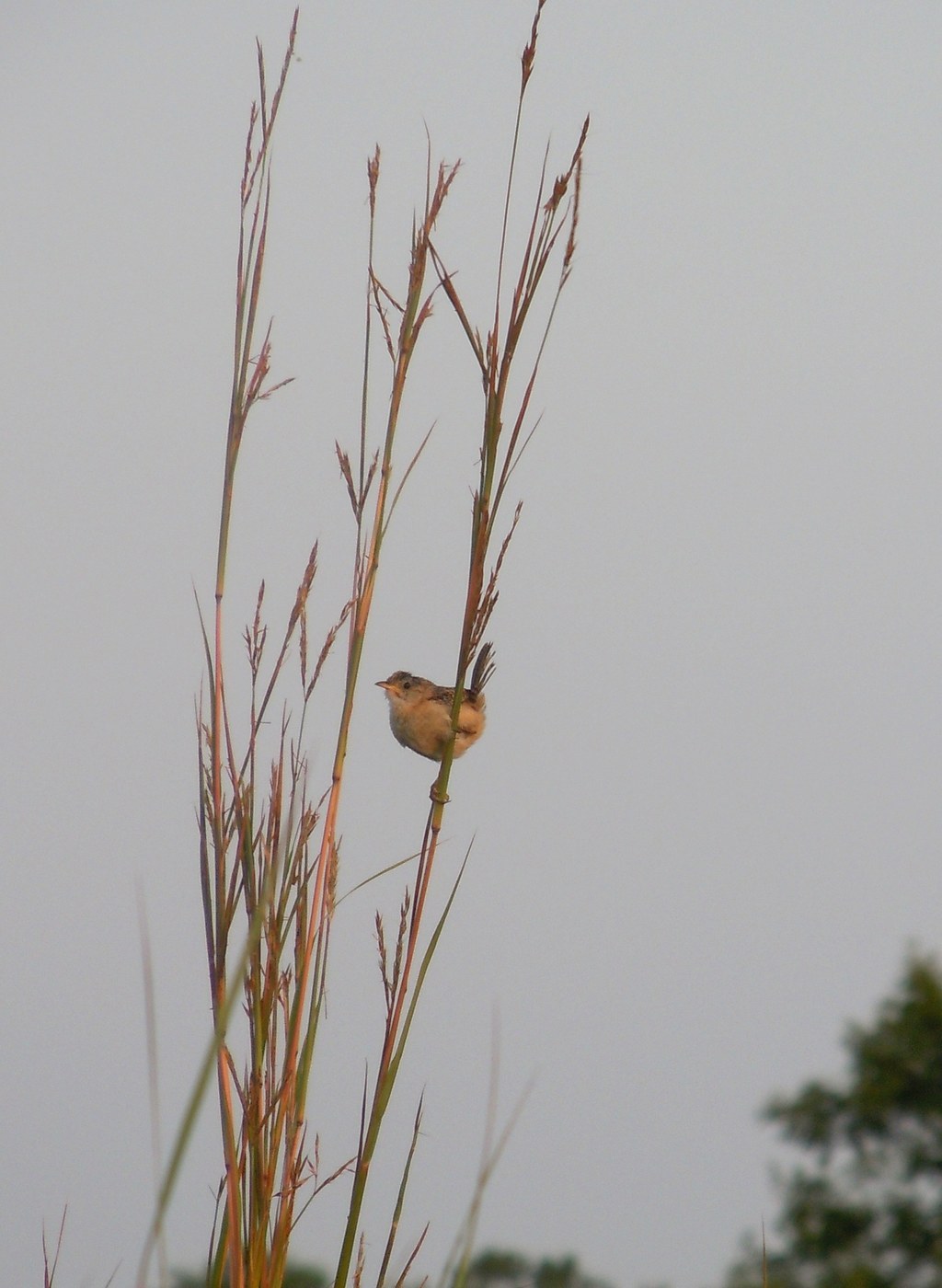
Sedge Wren
Tiny streaked crown and back feathers

Yellow-winged Cacique
Glossy black body feathers, yellow wing patch, shaggy crest

Yellow Warbler
Small contour and flight feathers
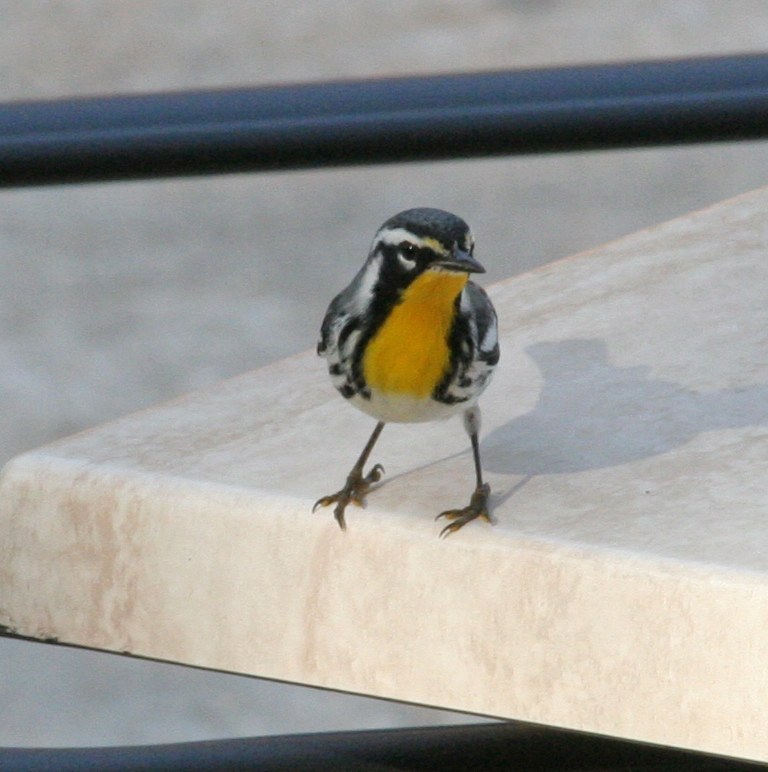
Yellow-throated Warbler
Small contour and flight feathers
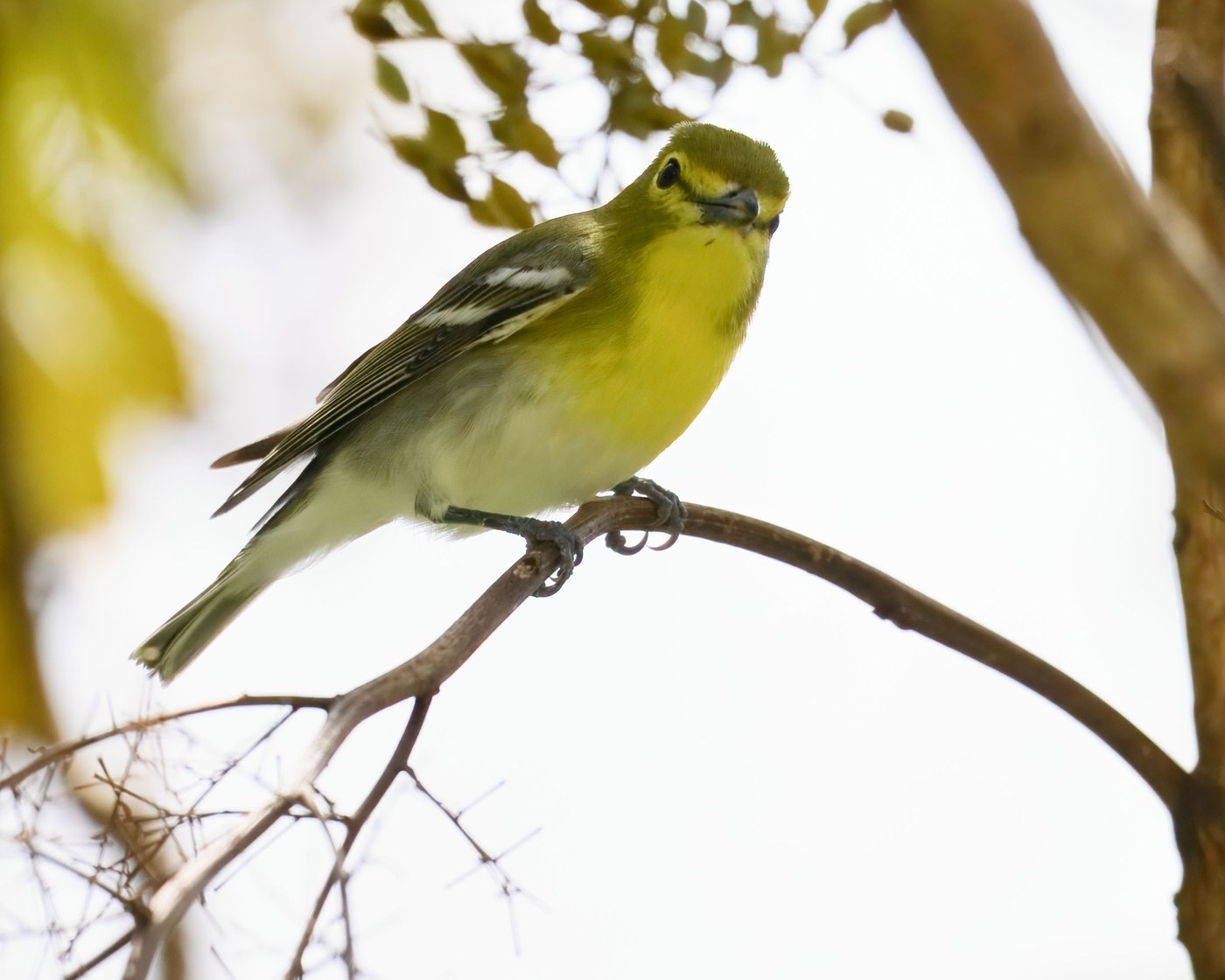
Yellow-throated Vireo
Bright yellow throat and spectacle feathers; olive-green back feathers; two white wing-bar feathers

Yellow-rumped Warbler
Small contour and flight feathers
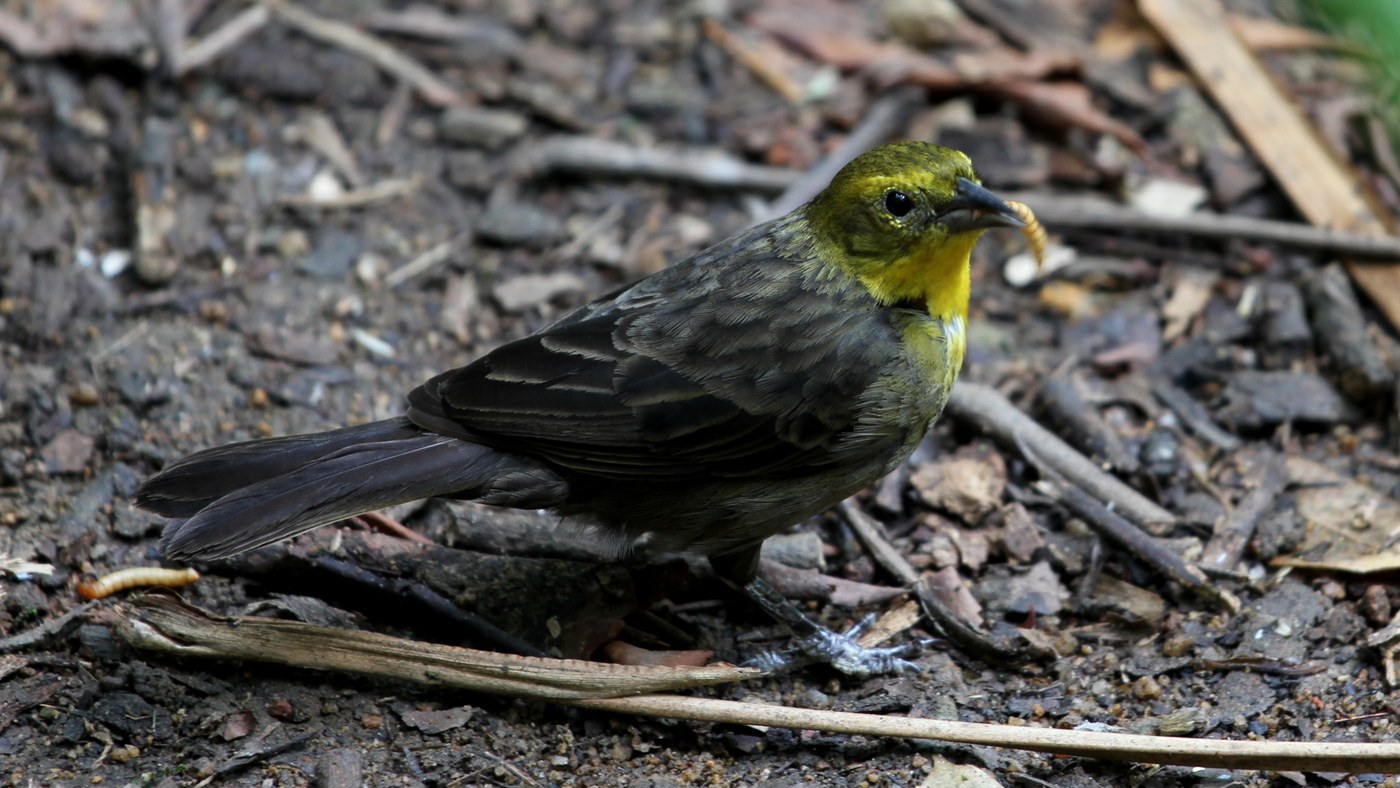
Yellow-hooded Blackbird
Contrasting hood and body feathers
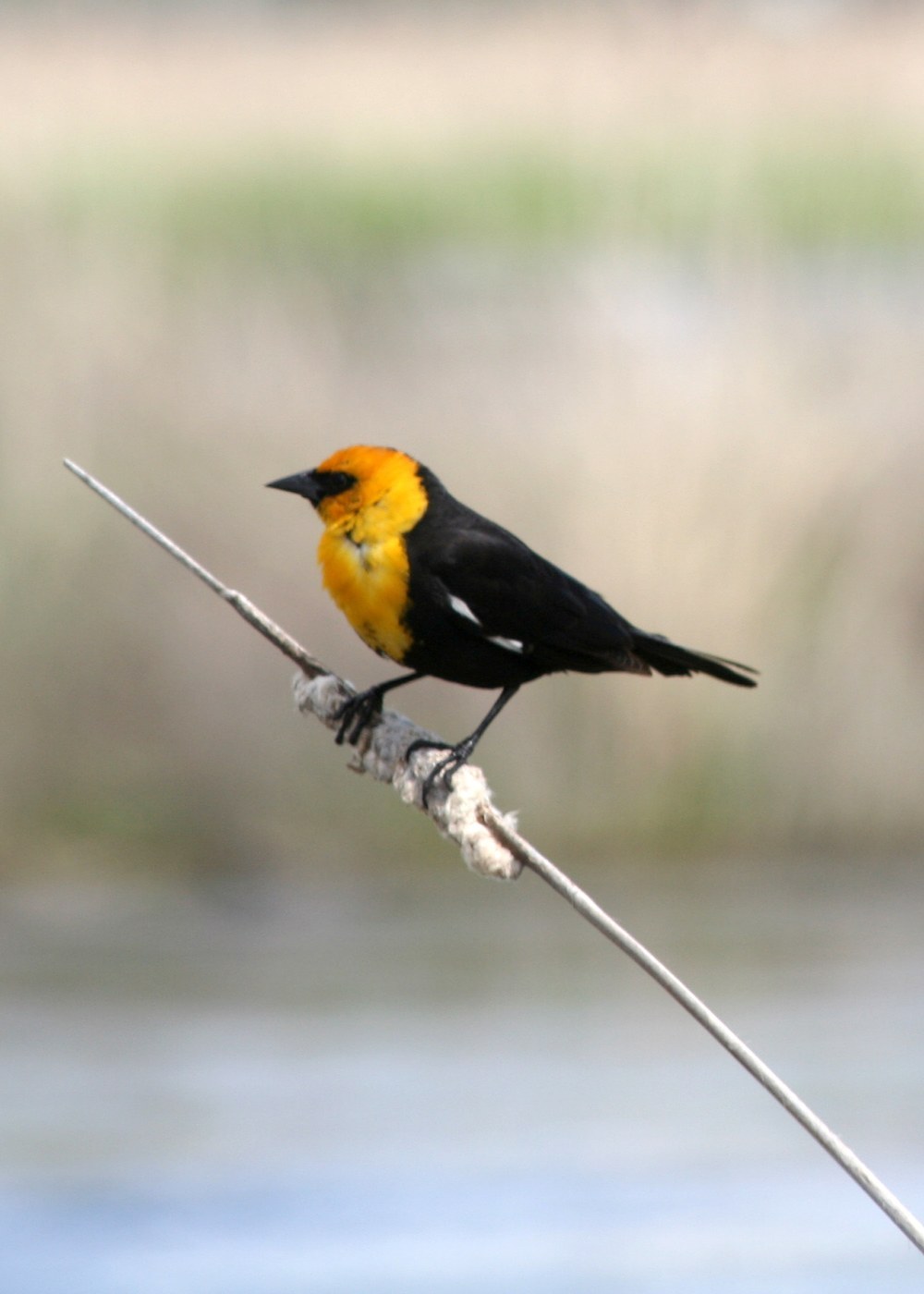
Yellow-headed Blackbird
Glossy black body plumage with a bright yellow head and breast

Yellow-eyed Junco
Contour and flight feathers

Yellow-fronted Canary
Small, smooth body plumage

Yellow-breasted Greenfinch
Compact, smooth body plumage