

Red Warbler
Cardellina rubra
The Red Warbler is a Mexican highland endemic whose entirely bright red plumage, broken only by a silvery cheek patch, makes it one of the most unmistakable warblers in the world.
- Feather type
- Uniformly colored contour feathers; silvery ear-patch feathers; rounded flight feathers
- Colours
- Nearly all bright red plumage with a contrasting silvery-white ear patch
- Bird size
- Small warbler, ~13 cm
Found a feather like this?
Identify any feather from a photo, free.
Overview
Overview
The Red Warbler is endemic to the highlands of Mexico, where it inhabits humid pine-oak and fir forest at moderate to high elevations. Its almost entirely red body plumage is unique among New World warblers, making it essentially unmistakable wherever it occurs.
Because it does not occur outside Mexico, encountering a feather from this species outside that range would be highly unusual, but its coloring is so distinctive that identification is straightforward when it does occur.
Identifying the Feather
Recognizing the Feathers
- Body feathers: almost uniformly bright red from head to tail, with little variation across body regions
- Ear-patch feathers: a contrasting patch of silvery-white or pale gray on the cheek
- Flight feathers: red to reddish-brown, unbarred
- Overall pattern: essentially no streaking, spotting, or wing bars anywhere on the body
No other New World warbler shows this level of overall red saturation, making even a single red body feather with a hint of the silvery cheek patch highly diagnostic for this species.
Plumage & Molt
Plumage
Males and females are similarly colored, both showing extensive red plumage, though females may appear slightly duller or more orange-red than the deeper red of males. Juveniles are considerably duller, more brownish, before acquiring full adult coloration. There is no seasonal plumage change, with one complete molt after breeding.
Habitat & Range
Habitat & Range
This species is restricted to humid pine-oak and fir forests in the highlands of Mexico, typically at moderate to high elevations. It is largely non-migratory, remaining within its highland range year-round, sometimes shifting elevation slightly with the seasons.
Behavior & Field Notes
Behavior & Field Notes
Red Warblers forage actively at low to mid levels in humid forest understory and edge, gleaning insects from foliage. They build cup nests low in vegetation or on sloped ground within dense cover. Their song is a thin, warbling series typical of many small warblers, though the bird's vivid color makes visual identification easy once spotted.
Frequently asked questions
What makes Red Warbler feathers so easy to identify?
Almost the entire body is a saturated red color broken only by a silvery-white cheek patch, a combination not shared by any other warbler species.
Where is this species found?
It is endemic to humid pine-oak and fir forests in the highlands of Mexico and does not occur elsewhere.
Do males and females look very different?
They are broadly similar, though females can appear slightly duller or more orange-toned than the deeper red of adult males.
Is this species migratory?
No, it is largely non-migratory, staying within its highland range year-round with only minor elevational movement.
Red Warbler guides
In-depth guides for identifying and understanding Red Warbler.

Other feathers you may enjoy

Yellow-breasted Bunting
Contour and flight feathers, chestnut-and-yellow breeding pattern
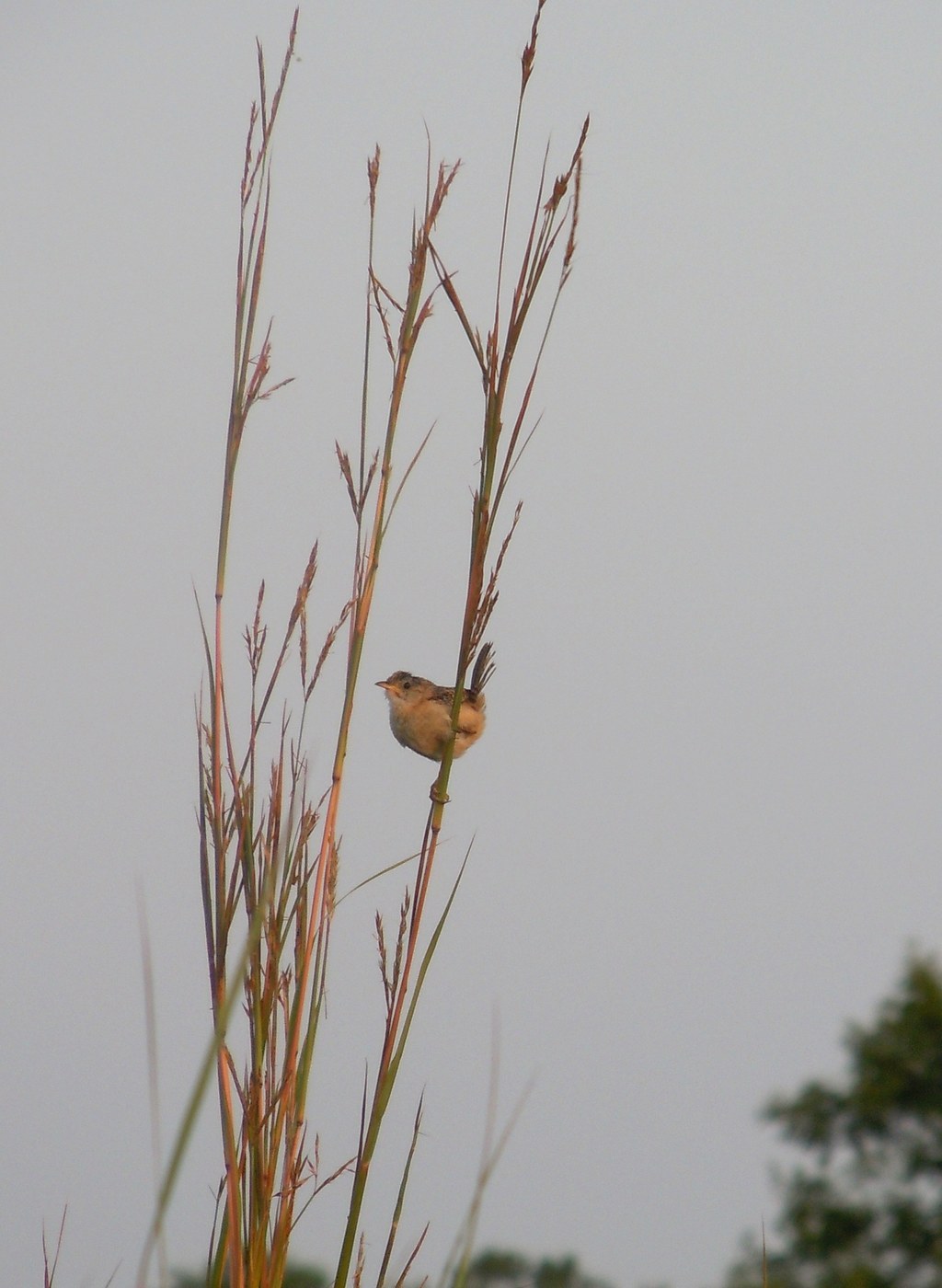
Sedge Wren
Tiny streaked crown and back feathers

Yellow-winged Cacique
Glossy black body feathers, yellow wing patch, shaggy crest

Yellow Warbler
Small contour and flight feathers
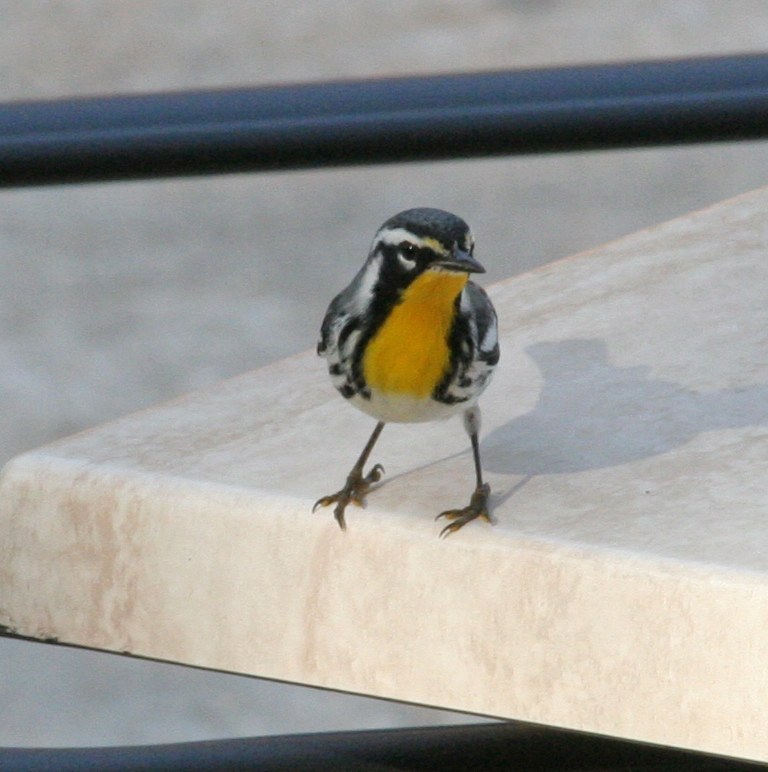
Yellow-throated Warbler
Small contour and flight feathers
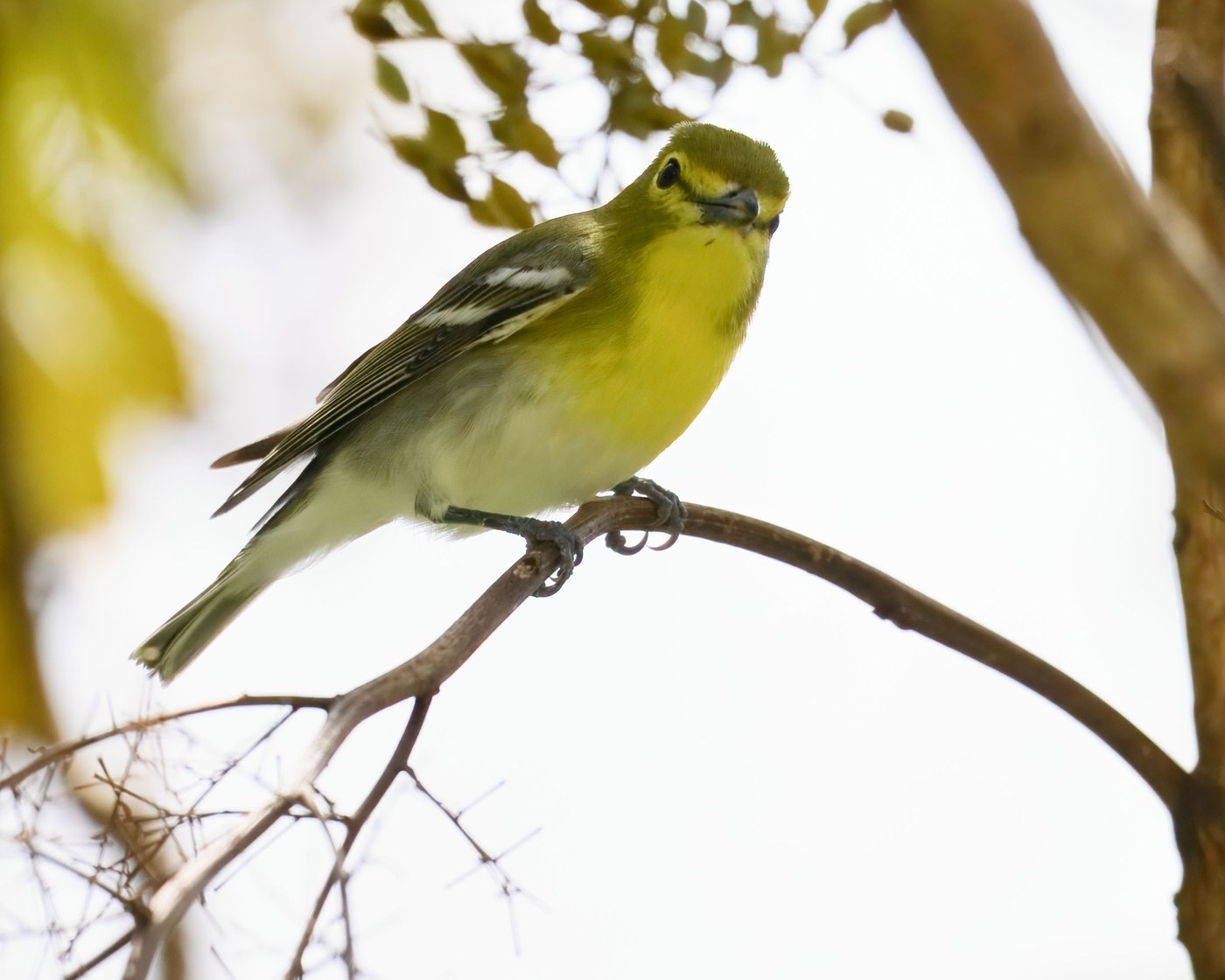
Yellow-throated Vireo
Bright yellow throat and spectacle feathers; olive-green back feathers; two white wing-bar feathers

Yellow-rumped Warbler
Small contour and flight feathers
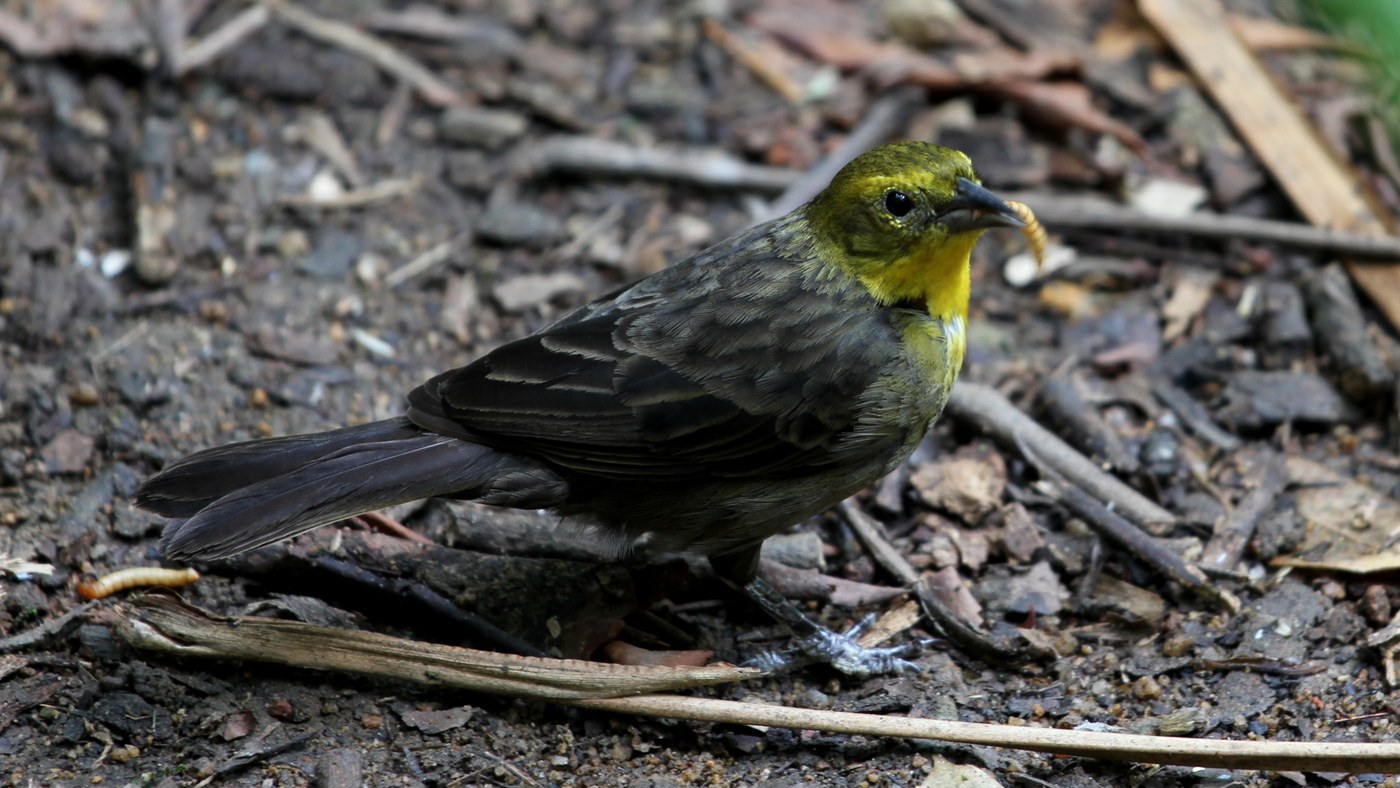
Yellow-hooded Blackbird
Contrasting hood and body feathers
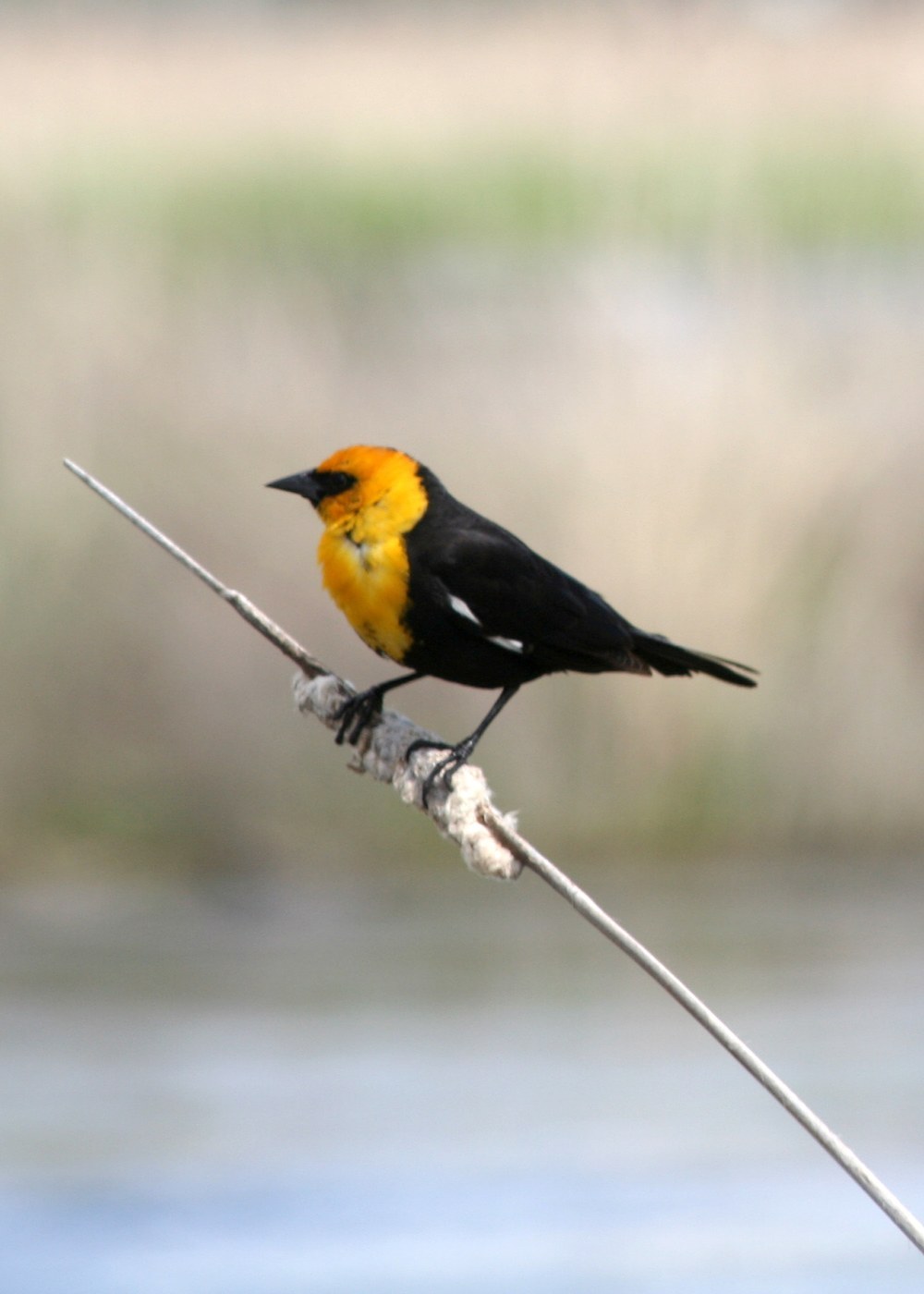
Yellow-headed Blackbird
Glossy black body plumage with a bright yellow head and breast

Yellow-eyed Junco
Contour and flight feathers

Yellow-fronted Canary
Small, smooth body plumage

Yellow-breasted Greenfinch
Compact, smooth body plumage