
Red-faced Warbler
Cardellina rubrifrons
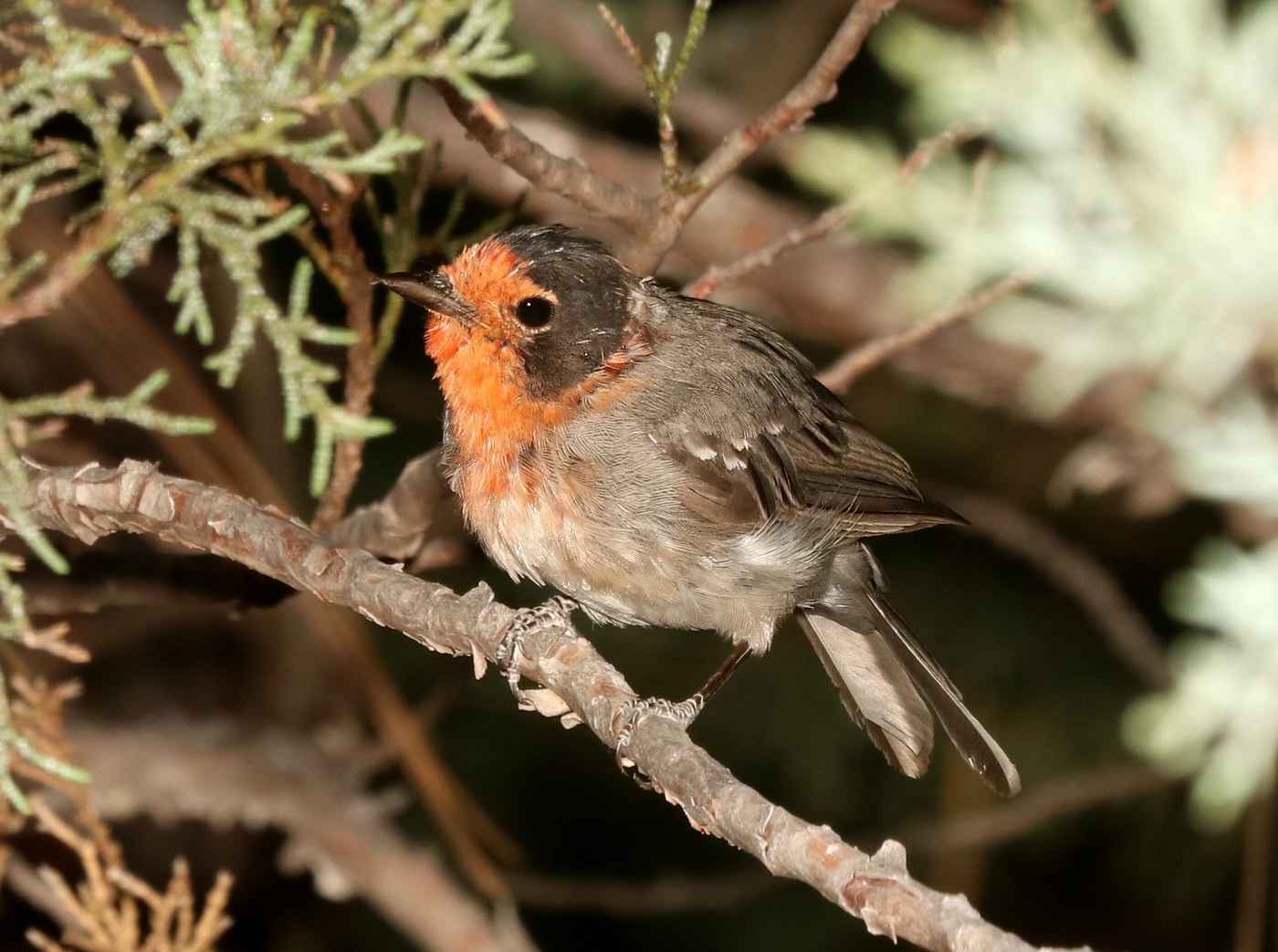
A gray-backed, high-mountain warbler with a strikingly bright red face and throat set off by a black crown and nape, unlike any other North American warbler.
- Feather type
- Small, soft contour feathers; bright red face patch
- Colours
- Gray upperparts, bright red face and throat, black crown and nape
- Bird size
- Kinglet-sized, ~13 cm
Found a feather like this?
Identify any feather from a photo, free.
Overview
Overview
The Red-faced Warbler is a distinctive, brightly colored warbler restricted as a breeder to high-elevation coniferous and mixed forests of the southwestern United States and Mexico, particularly in mountain ranges of Arizona and New Mexico. Its bright red face and throat, combined with a contrasting black crown and nape and plain gray body, make it one of the most readily identified warblers within its limited range.
This species favors relatively cool, high-elevation forest with a mix of conifers and oaks, often along mountain streams or canyons, and it forages actively at a range of heights from understory to canopy.
Identifying the Feather
Feather Identification
- Face: A bright red patch of feathers covers the face, forehead, and throat, unique in pattern and intensity among North American warblers.
- Crown and nape: Feathers here are solid black, sharply contrasting with the red face below and the gray body above and behind.
- Upperparts: Back, wing, and tail feathers are plain gray, without wing bars or streaking.
- Underparts: Belly and undertail covert feathers are whitish to pale gray, contrasting with the bright red throat and breast area.
- Rump: A small whitish patch is sometimes visible on the lower back or rump, adding a subtle additional feature.
- Size and shape: Small and fairly long-tailed for its size, with feathers of a texture and fullness typical of small, active canopy and understory foragers.
Plumage & Molt
Plumage Details
Sexes are similar in this species, unlike many warblers, with both adult males and females showing the bright red face and black crown, though males may average slightly more vivid or extensive red. Immatures show a duller, more orange-red or pinkish face patch with less contrast against a somewhat less solidly black crown, developing full adult coloration after their first molt.
A complete molt occurs on the breeding grounds in late summer, and plumage remains relatively stable through the year with only minor wear-related dulling of the red face color prior to the molt.
Habitat & Range
Habitat & Range
Red-faced Warblers breed in cool, high-elevation coniferous and mixed conifer-oak forests, often in mountain canyons with a mix of pines, firs, and oaks, across the mountain ranges of Arizona and New Mexico and further south through the highlands of Mexico.
This species is a medium-distance migrant, wintering in the highlands of Mexico and northern Central America, typically in habitats similar in structure to its breeding range, including pine-oak forest at moderate to high elevations.
Behavior & Field Notes
Behavior & Field Notes
This warbler forages actively at a range of heights, from low shrubs to the canopy, gleaning insects from foliage and bark and occasionally making short sallying flights to catch flying prey. It often forages in pairs or small family groups and may join mixed-species flocks outside the breeding season.
The nest is built on the ground, often at the base of a tree, log, or rock within its montane forest habitat. The song is a clear, warbling series of notes, generally similar in structure to other Cardellina warblers but distinct in overall tone. Because of its bright, essentially field-guide-perfect appearance and limited range, it is a sought-after species for birders visiting southwestern mountain ranges.
Frequently asked questions
What makes the Red-faced Warbler's feathers so distinctive?
Its bright red face and throat combined with a solid black crown and nape and plain gray body create a pattern unlike any other North American warbler.
Do male and female Red-faced Warblers look different?
They are quite similar, though males may show slightly more vivid or extensive red on the face compared to females.
Where is this species typically found breeding?
In cool, high-elevation coniferous and mixed conifer-oak forests in mountain ranges of Arizona, New Mexico, and Mexico.
Does this species have any wing markings?
No, its wings are plain gray without wing bars, keeping the visual focus on the bright red face and black crown.
Red-faced Warbler guides
In-depth guides for identifying and understanding Red-faced Warbler.
Other feathers you may enjoy

Yellow-breasted Bunting
Contour and flight feathers, chestnut-and-yellow breeding pattern
Sedge Wren
Tiny streaked crown and back feathers

Yellow-winged Cacique
Glossy black body feathers, yellow wing patch, shaggy crest

Yellow Warbler
Small contour and flight feathers
Yellow-throated Warbler
Small contour and flight feathers
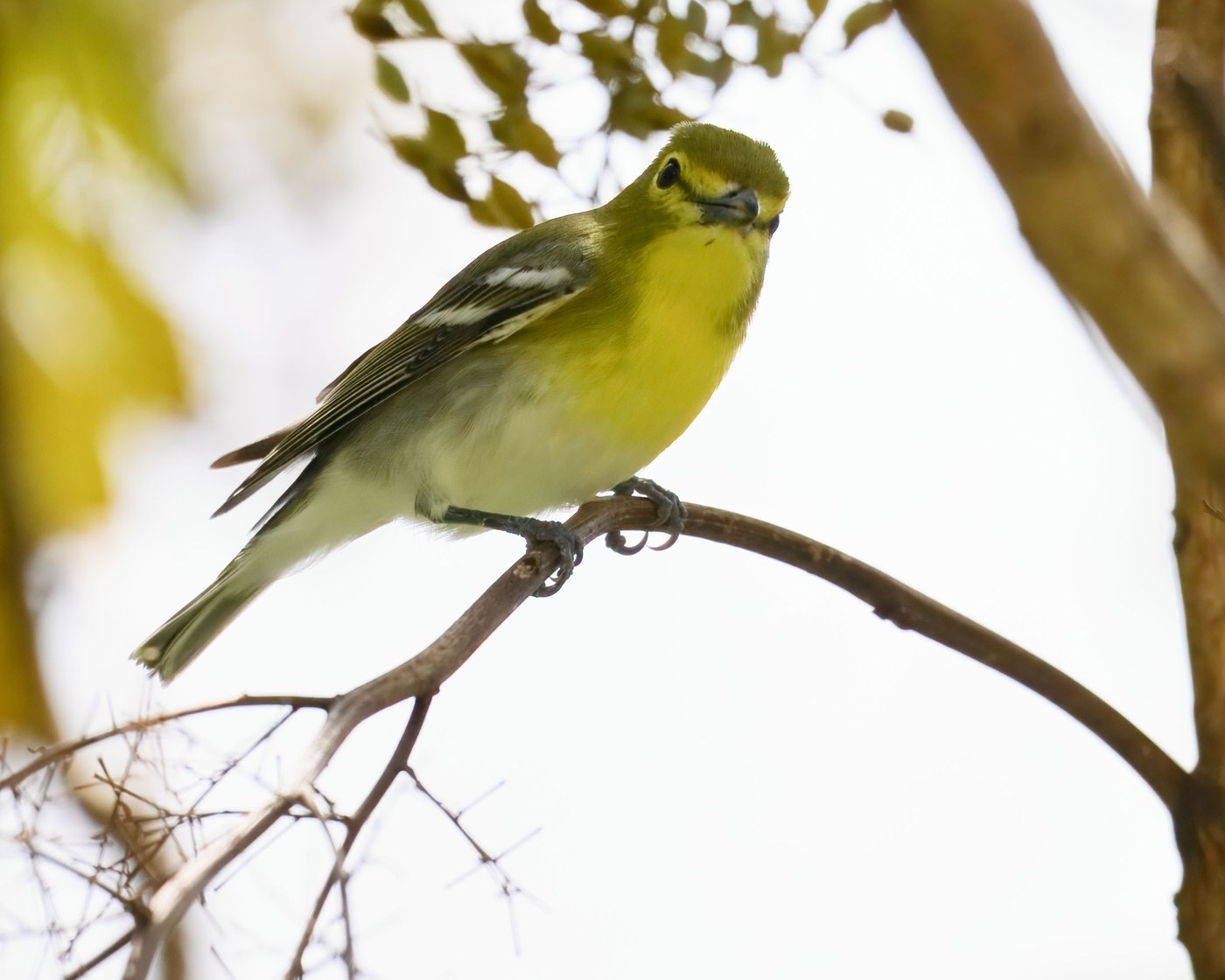
Yellow-throated Vireo
Bright yellow throat and spectacle feathers; olive-green back feathers; two white wing-bar feathers

Yellow-rumped Warbler
Small contour and flight feathers
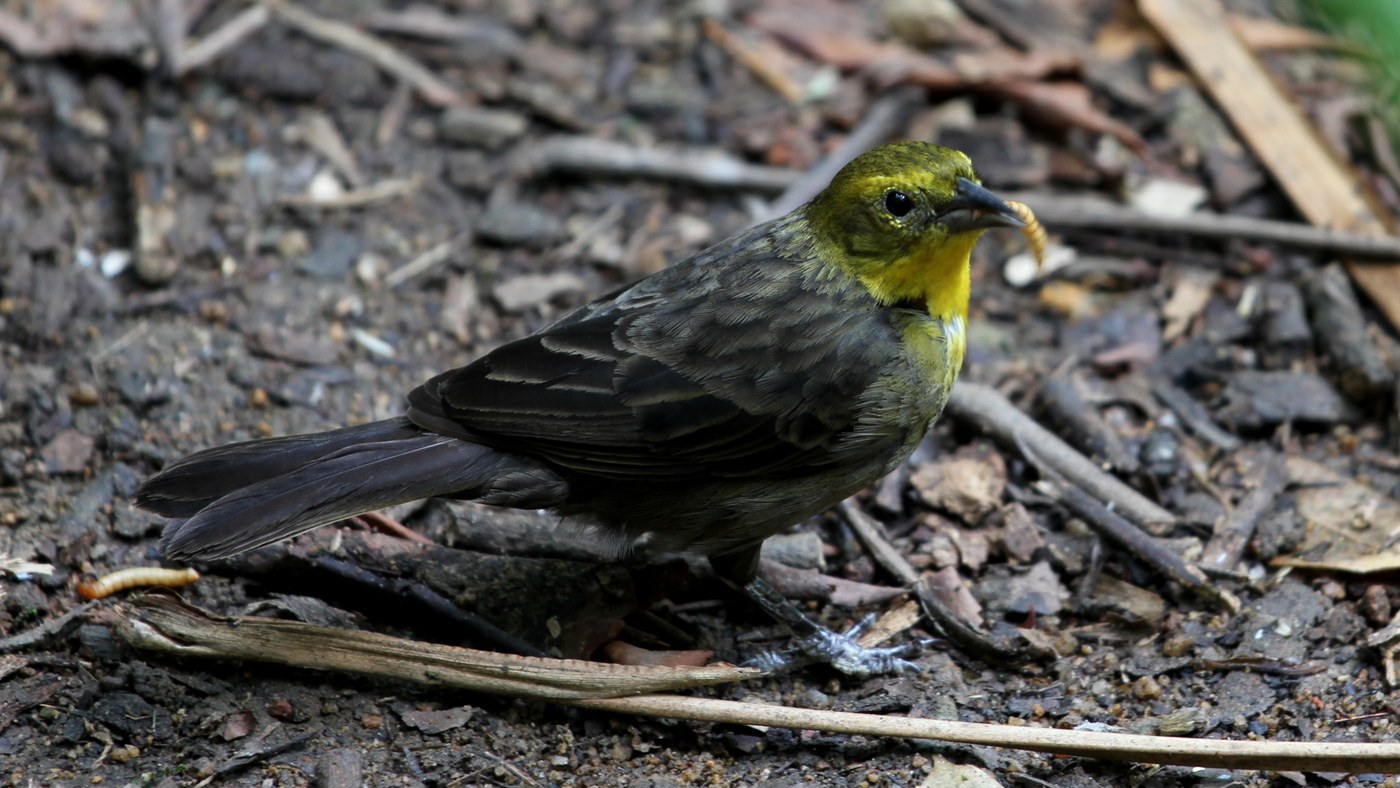
Yellow-hooded Blackbird
Contrasting hood and body feathers
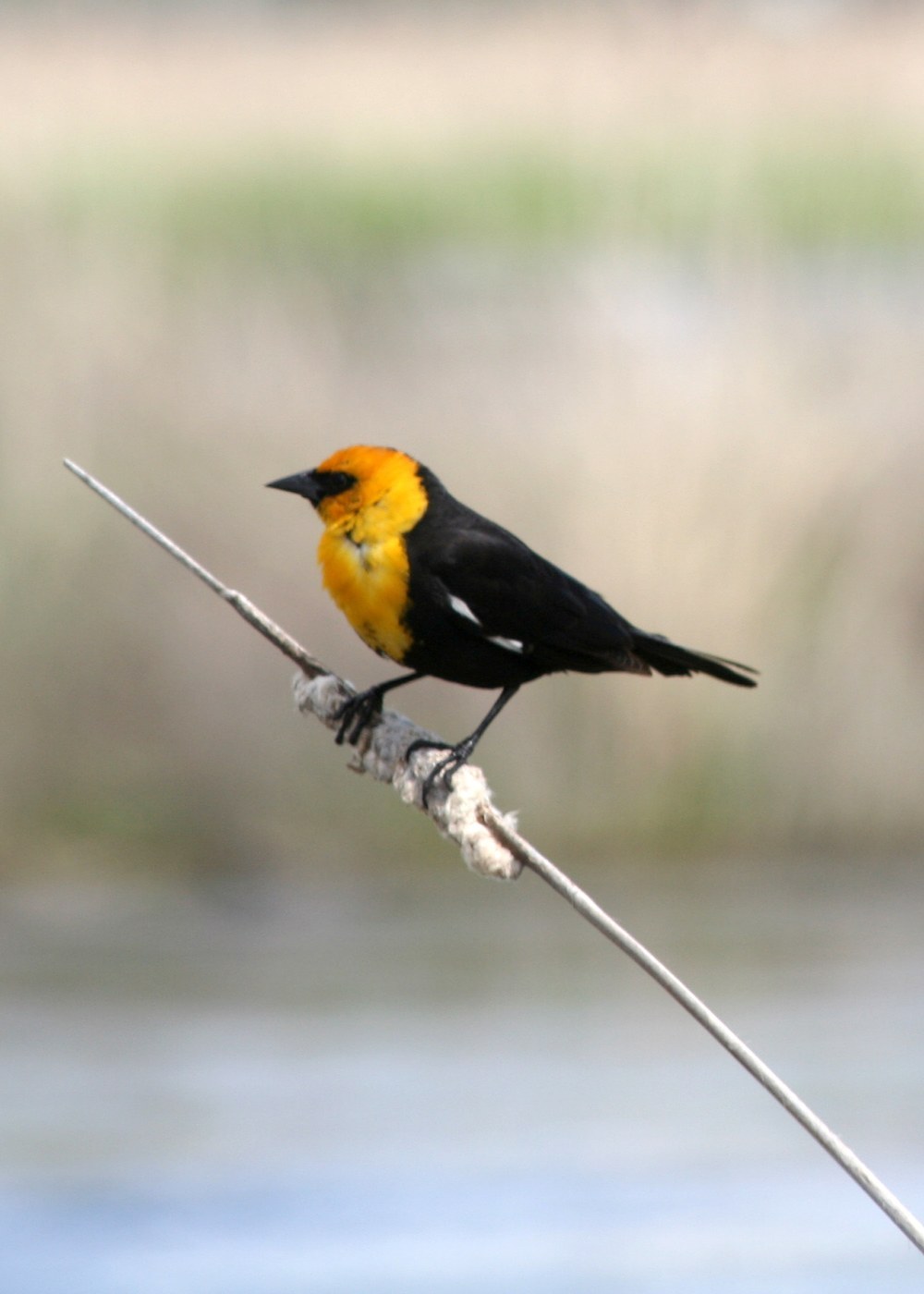
Yellow-headed Blackbird
Glossy black body plumage with a bright yellow head and breast

Yellow-eyed Junco
Contour and flight feathers

Yellow-fronted Canary
Small, smooth body plumage

Yellow-breasted Greenfinch
Compact, smooth body plumage