

Red-eyed Vireo
Vireo olivaceus
The Red-eyed Vireo is a common, persistent-singing woodland bird with a bold gray-and-white head pattern and, in adults, a distinctive red iris.
- Feather type
- Plain olive-green back feathers; gray crown feathers bordered in black; unmarked wing feathers
- Colours
- Olive-green upperparts, white underparts, gray crown with black borders, white eyebrow stripe
- Bird size
- Sparrow-sized, ~15 cm
Found a feather like this?
Identify any feather from a photo, free.
Overview
Overview
The Red-eyed Vireo is among the most abundant breeding songbirds of eastern and northern North American forests, known for males that sing an almost continuous series of short phrases throughout the day. Despite its abundance, its plain olive-and-white plumage and habit of foraging in leafy canopy make it easier to hear than see.
Its feathers show a clean, understated pattern that lacks wing bars, relying instead on a bold head pattern for identification.
Identifying the Feather
Recognizing the Feathers
- Back feathers: plain olive-green, unstreaked
- Underpart feathers: clean white, sometimes with a faint yellowish wash on the flanks or undertail
- Crown feathers: gray, bordered above and below by thin black lines
- Face feathers: bold white eyebrow stripe bordered by a dark eyeline
- Wing feathers: plain, without wing bars
The gray crown bordered by black lines above a white eyebrow, combined with the total absence of wing bars, distinguishes this species from many similarly colored vireos and warblers.
Plumage & Molt
Plumage
Sexes look alike, both showing olive-green upperparts, a gray crown edged in black, a white eyebrow, and white underparts. The adult's red iris (visible on the intact bird rather than on feathers) is a signature field mark, while immatures have a duller brown eye. There is no seasonal plumage change, with one complete molt occurring after breeding.
Habitat & Range
Habitat & Range
Red-eyed Vireos breed across a broad swath of deciduous and mixed forest in eastern and northern North America, extending into parts of the Pacific Northwest and western Canada. They winter in the Amazon basin of South America, making them long-distance migrants.
Behavior & Field Notes
Behavior & Field Notes
This vireo forages methodically in the leafy mid-story and canopy, gleaning caterpillars and other insects from foliage. Males are noted for singing persistently through the heat of the day, often continuing for hours with short, repeated phrases. Nests are cup-shaped and suspended from a forked branch, often at moderate height in deciduous trees.
Frequently asked questions
What feather features identify a Red-eyed Vireo?
A gray crown bordered by black lines, a bold white eyebrow stripe, plain olive-green back, and white underparts without any wing bars.
Why is it called the Red-eyed Vireo if feathers don't show an eye color?
The name refers to the adult's red iris, a soft-tissue feature visible on the living or freshly deceased bird rather than something reflected in feather color.
Where does this species spend the winter?
Most Red-eyed Vireos winter in the Amazon basin of South America after breeding across North America, making them long-distance migrants.
What behavior is this species known for?
Males are known for an almost continuous, repetitive song delivered from the canopy, often persisting through the middle of the day when many other birds fall quiet.
Red-eyed Vireo guides
In-depth guides for identifying and understanding Red-eyed Vireo.

Other feathers you may enjoy

Yellow-breasted Bunting
Contour and flight feathers, chestnut-and-yellow breeding pattern
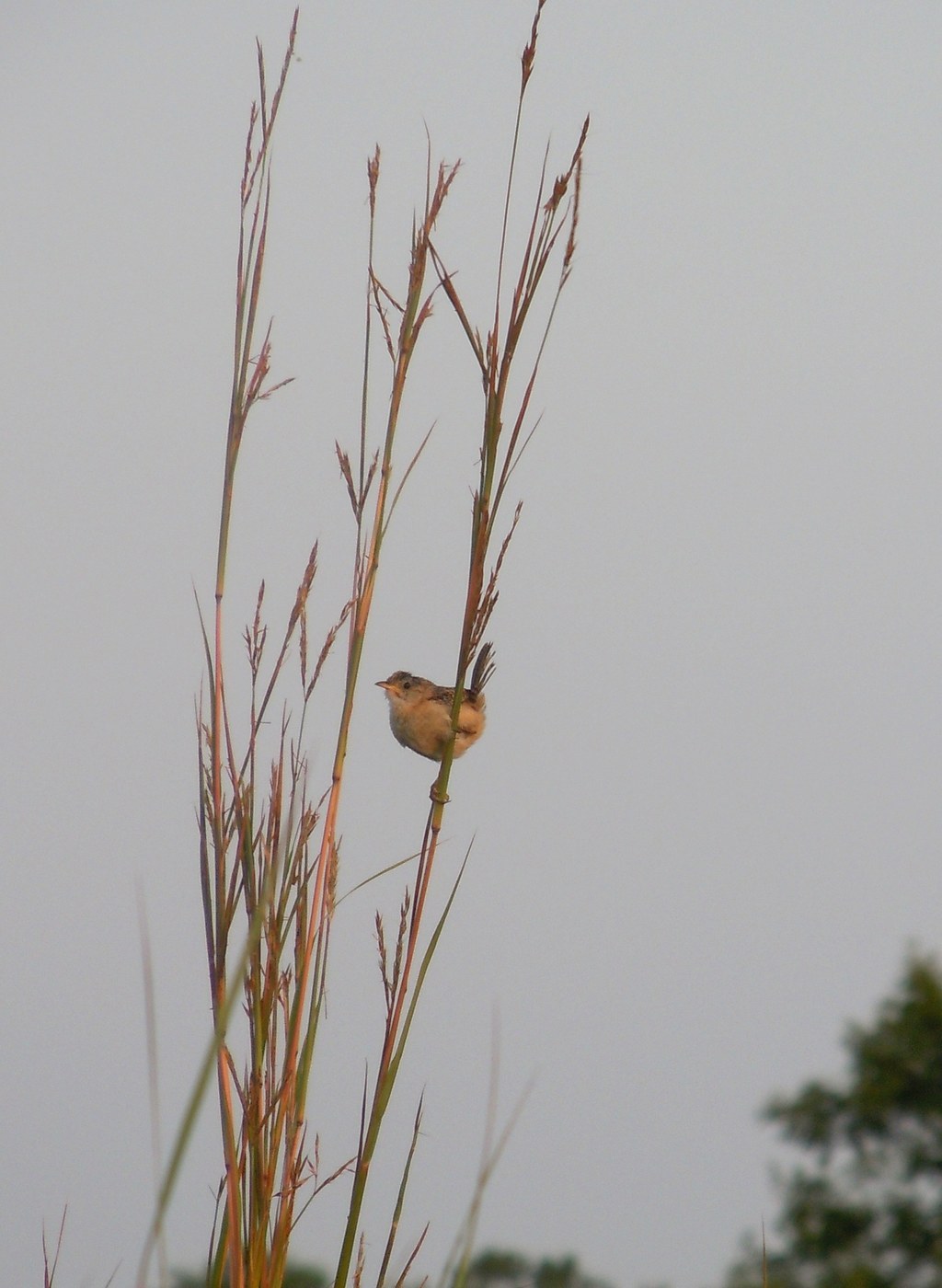
Sedge Wren
Tiny streaked crown and back feathers

Yellow-winged Cacique
Glossy black body feathers, yellow wing patch, shaggy crest

Yellow Warbler
Small contour and flight feathers
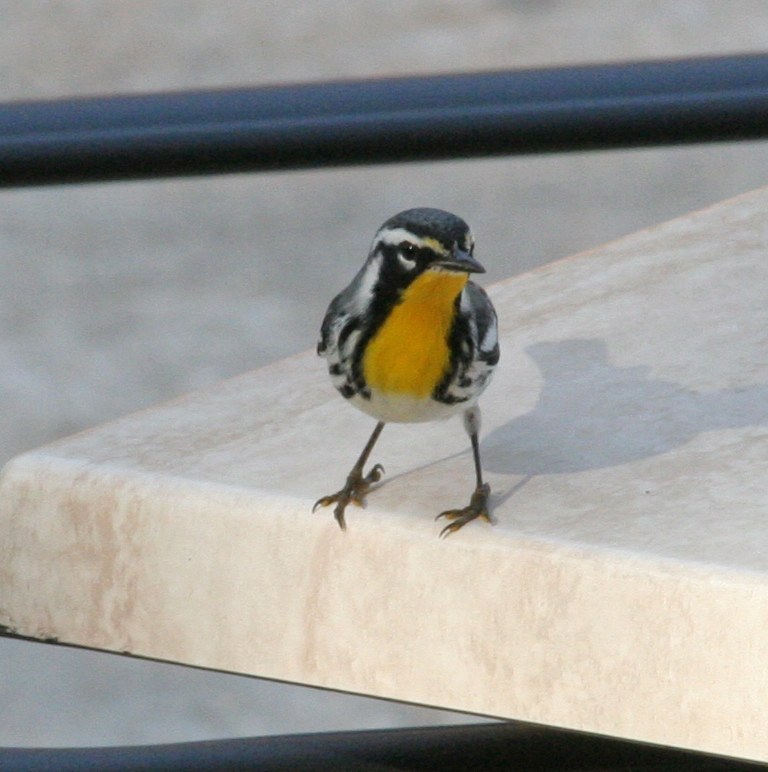
Yellow-throated Warbler
Small contour and flight feathers
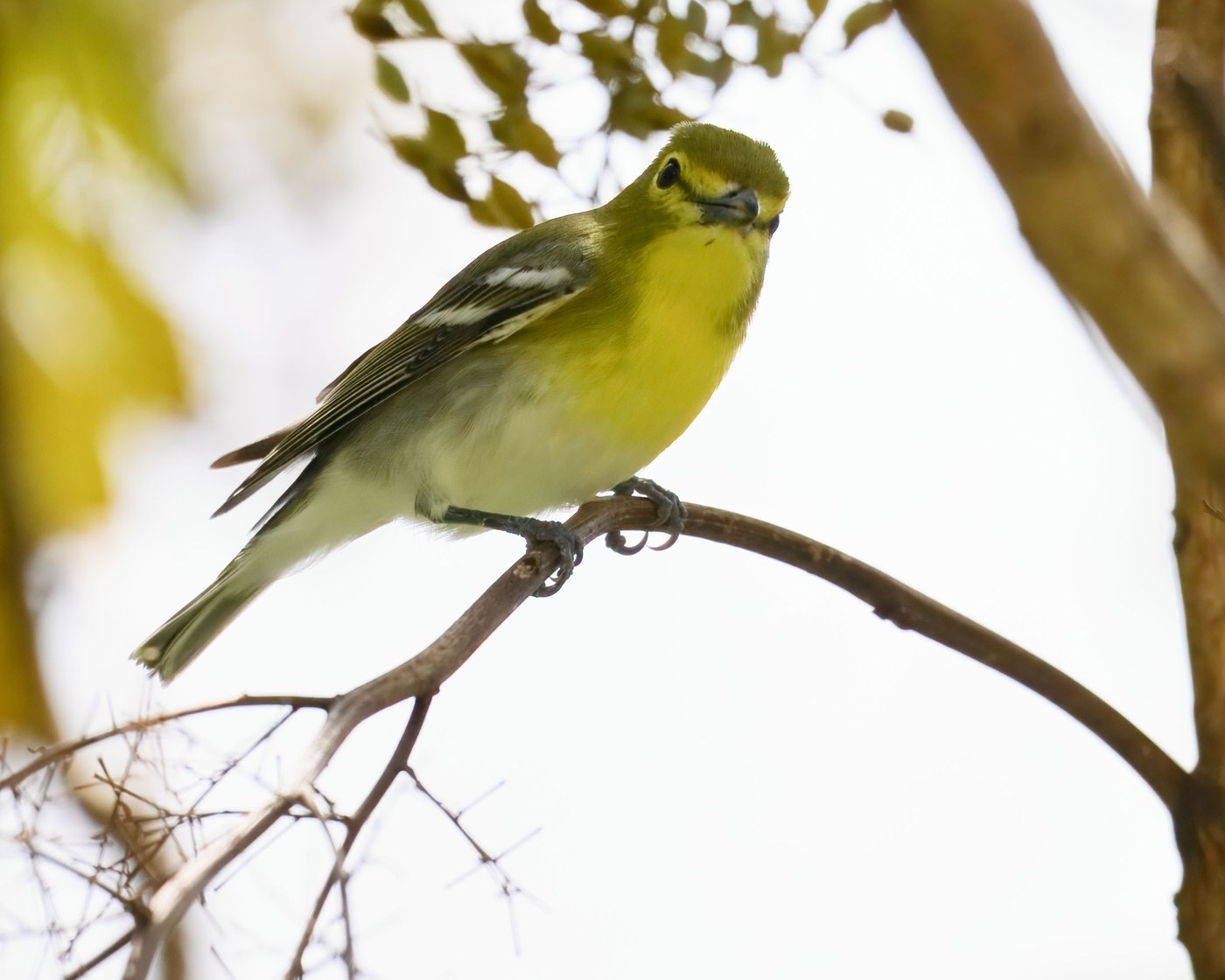
Yellow-throated Vireo
Bright yellow throat and spectacle feathers; olive-green back feathers; two white wing-bar feathers

Yellow-rumped Warbler
Small contour and flight feathers
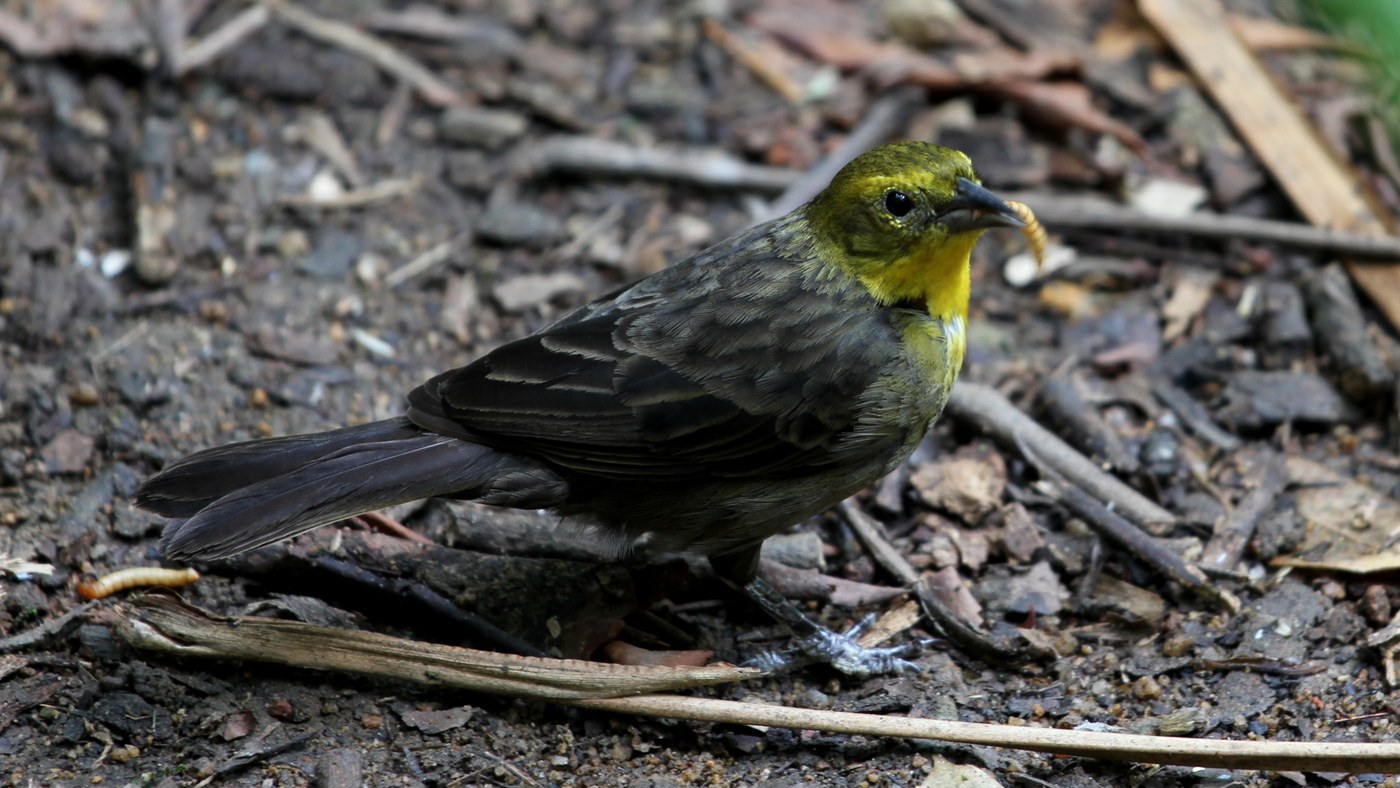
Yellow-hooded Blackbird
Contrasting hood and body feathers
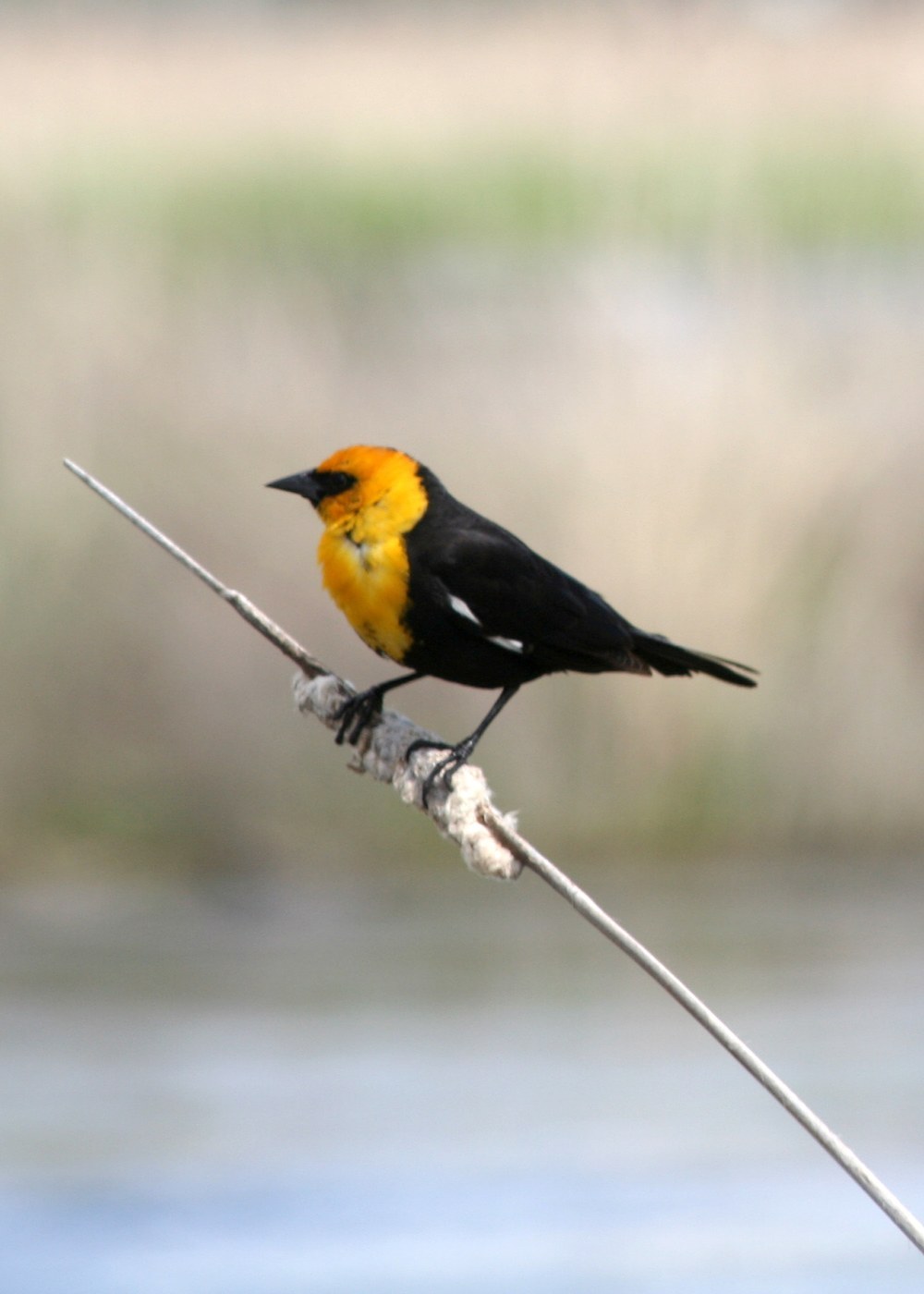
Yellow-headed Blackbird
Glossy black body plumage with a bright yellow head and breast

Yellow-eyed Junco
Contour and flight feathers

Yellow-fronted Canary
Small, smooth body plumage

Yellow-breasted Greenfinch
Compact, smooth body plumage