

Pine Bunting
Emberiza leucocephalos
The Pine Bunting is a Siberian relative of the Yellowhammer, with breeding males showing a striking white head pattern and chestnut breast band instead of yellow tones.
- Feather type
- Contour and flight feathers, chestnut-and-white breeding pattern
- Colours
- White crown and cheek patch with a chestnut breast band in breeding males
- Bird size
- Sparrow-sized, ~16 cm
Found a feather like this?
Identify any feather from a photo, free.
Overview
Overview
The Pine Bunting is closely related to the Yellowhammer, effectively replacing it across much of Siberia, and is best distinguished by its white rather than yellow head and underpart tones.
- Family: Buntings (Emberizidae)
- Genus: Emberiza, the Old World buntings
- Known to hybridize with Yellowhammer in a zone of range overlap in western Siberia
Identifying the Feather
Feather Identification
Pine Bunting feathers show a chestnut-streaked back, with breeding males displaying a white crown and cheek patch bordered by black stripes, and a chestnut breast band.
- Shape: Rounded contour feathers; tail feathers show white outer edges typical of the genus
- Size: Small, sparrow-sized feathers, similar in scale to Yellowhammer
- Color pattern: Breeding males show a white crown, cheek, and throat pattern bordered by black stripes, a chestnut breast band, and streaked chestnut-brown back; females and nonbreeding birds are duller with buffier head tones
- Shaft: Pale, not diagnostic
- Vs. similar species: Distinguished from Yellowhammer by white rather than yellow head and underpart tones; hybrids can show intermediate yellow-white patterning
Plumage & Molt
Plumage Details
Breeding males show a white crown, cheek, and throat pattern bordered by black stripes, and a chestnut breast band against a streaked chestnut-brown back; females and nonbreeding birds are duller and buffier.
- Sexes: Breeding males are more strongly patterned than females
- Juveniles: Streaked buff-brown, lacking strong white head coloring
- Seasonal changes: Nonbreeding plumage shows less crisp white-and-black head contrast
- Molt: Complete molt after breeding season
Habitat & Range
Habitat & Range
Pine Buntings breed across open coniferous and mixed woodland edge of Siberia and central Asia, wintering farther south in similar open habitats.
- Range: Breeds across Siberia and parts of central Asia; winters in parts of central and eastern Asia
- Habitat: Open coniferous and mixed woodland edge, forest clearings, and adjacent farmland
- Migratory status: Medium- to long-distance migrant, moving from northern breeding grounds to southern wintering areas
Behavior & Field Notes
Behavior & Field Notes
Pine Buntings forage on the ground and in low vegetation near woodland edge, feeding on seeds and insects depending on season.
- Diet: Insects during breeding season; seeds and grain during migration and winter
- Nesting: Builds a cup nest on or near the ground in woodland edge vegetation
- Voice: A song very similar to that of the closely related Yellowhammer
- Field notes: Where its range meets that of Yellowhammer in western Siberia, hybridization can produce birds with intermediate white-and-yellow head patterning
Frequently asked questions
How does Pine Bunting differ from Yellowhammer?
Pine Bunting shows white rather than yellow tones on the head and underparts, though the two species are otherwise similar in pattern and closely related.
Does Pine Bunting hybridize with other buntings?
Yes, it hybridizes with Yellowhammer where their ranges overlap in western Siberia, sometimes producing birds with intermediate coloring.
What habitat does Pine Bunting use for breeding?
It breeds along open coniferous and mixed woodland edges, forest clearings, and adjacent farmland across Siberia and central Asia.
Is the Pine Bunting migratory?
Yes, it is a medium- to long-distance migrant moving from northern breeding grounds to more southerly wintering areas.
Pine Bunting guides
In-depth guides for identifying and understanding Pine Bunting.

Other feathers you may enjoy

Yellow-breasted Bunting
Contour and flight feathers, chestnut-and-yellow breeding pattern
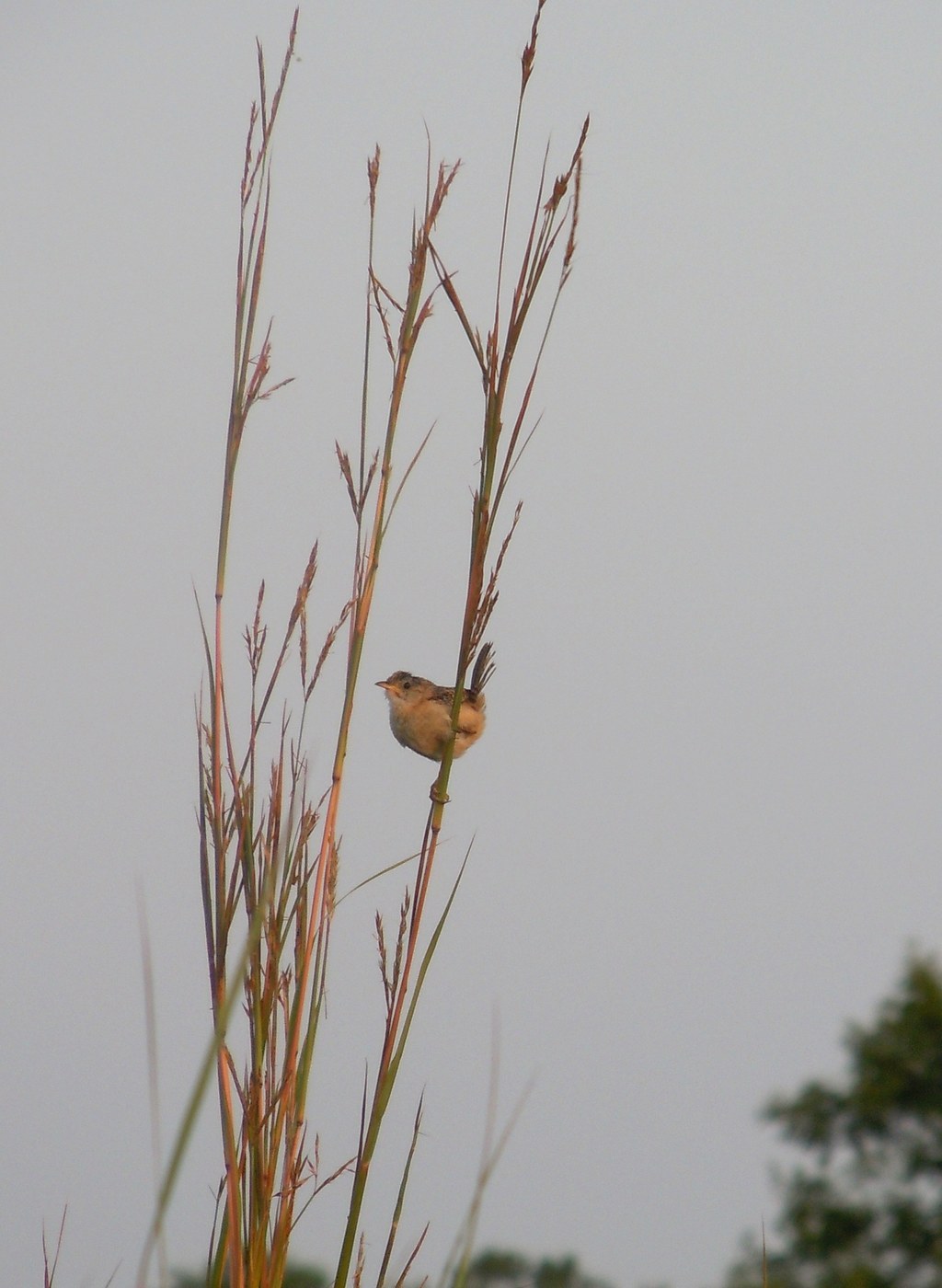
Sedge Wren
Tiny streaked crown and back feathers

Yellow-winged Cacique
Glossy black body feathers, yellow wing patch, shaggy crest

Yellow Warbler
Small contour and flight feathers
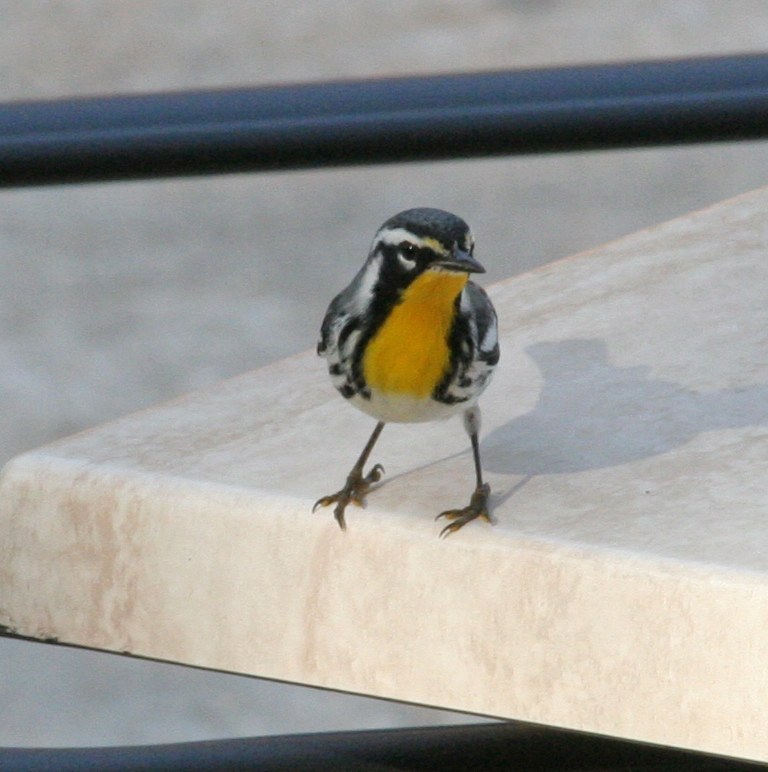
Yellow-throated Warbler
Small contour and flight feathers
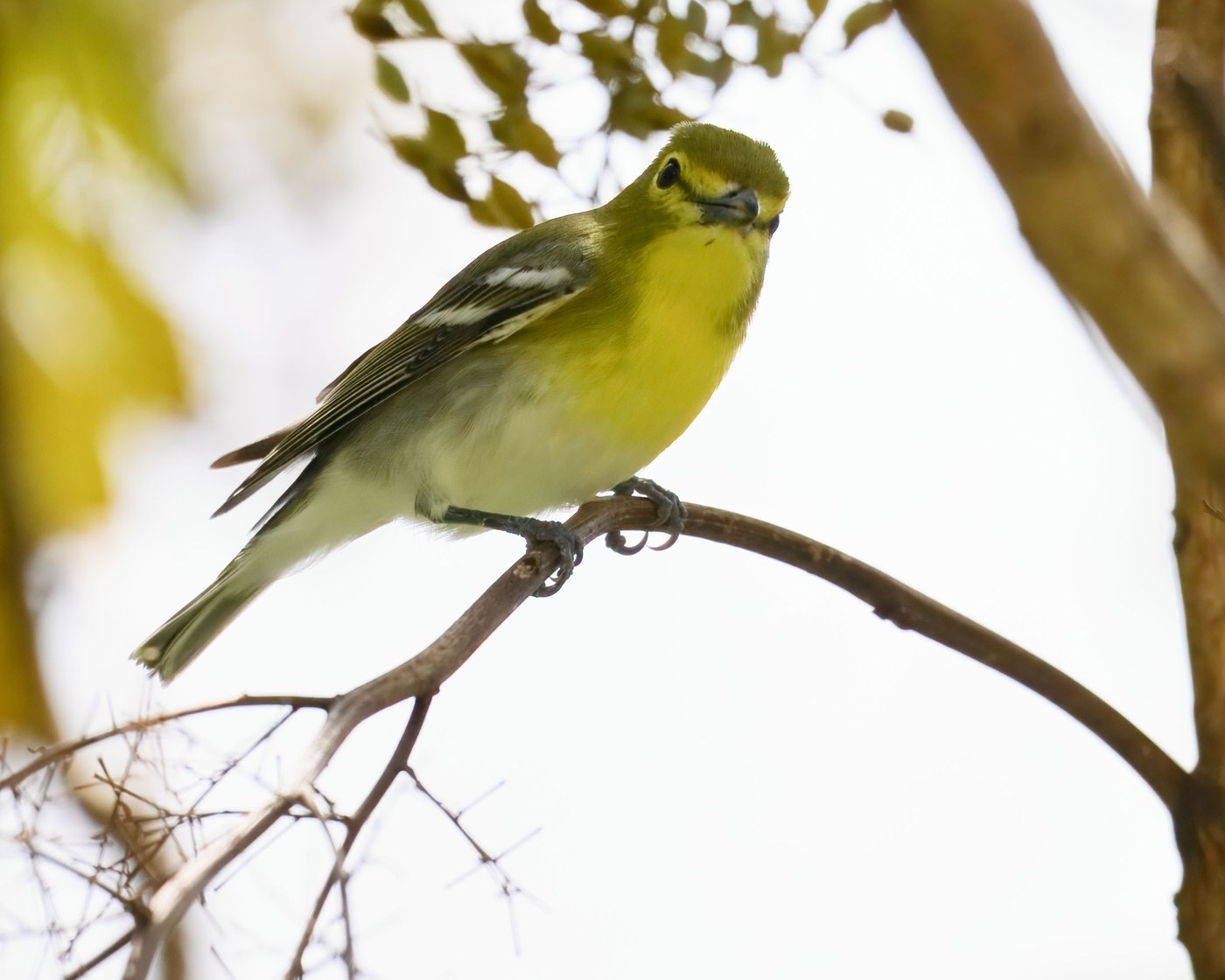
Yellow-throated Vireo
Bright yellow throat and spectacle feathers; olive-green back feathers; two white wing-bar feathers

Yellow-rumped Warbler
Small contour and flight feathers
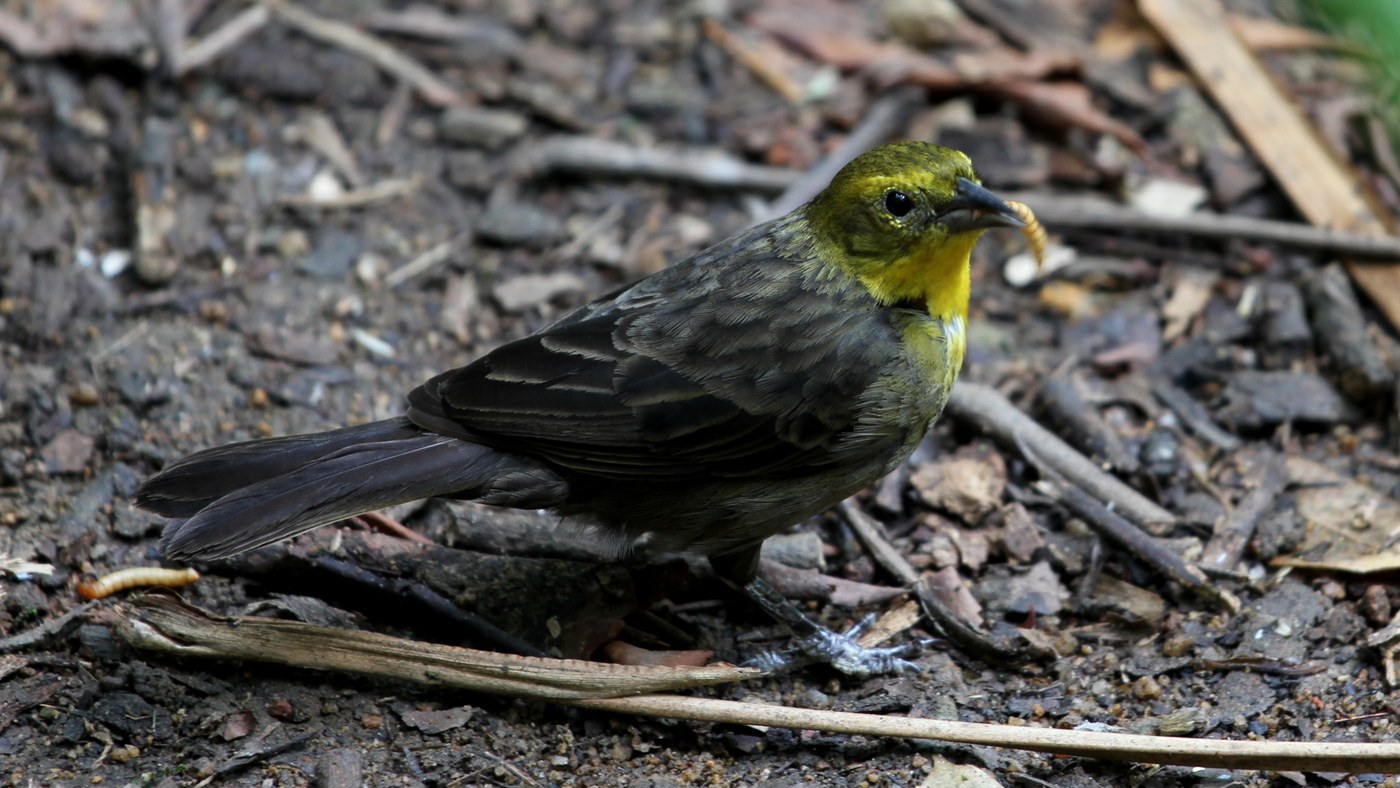
Yellow-hooded Blackbird
Contrasting hood and body feathers
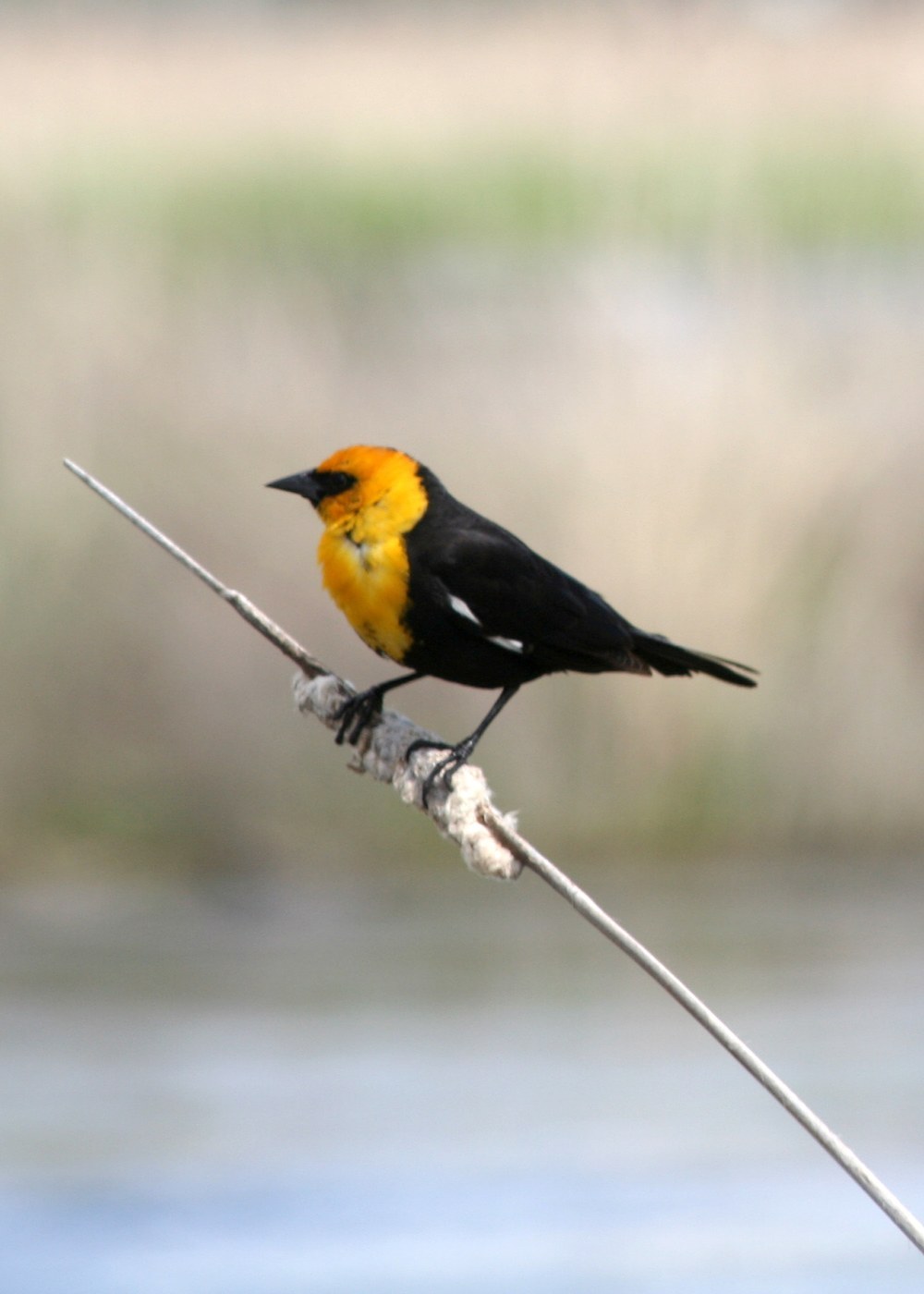
Yellow-headed Blackbird
Glossy black body plumage with a bright yellow head and breast

Yellow-eyed Junco
Contour and flight feathers

Yellow-fronted Canary
Small, smooth body plumage

Yellow-breasted Greenfinch
Compact, smooth body plumage