

Parrot Crossbill
Loxia pytyopsittacus
A heavy-billed northern finch specialized on pine cones, the largest of the crossbills with a correspondingly massive, deep bill.
- Feather type
- Dense, heavy body plumage
- Colours
- Brick-red to orange (male), olive-yellow (female), blackish-brown wings
- Bird size
- Large finch, ~16.5-17.5 cm
Found a feather like this?
Identify any feather from a photo, free.
Overview
Overview
The Parrot Crossbill is the largest and heaviest-billed member of the crossbill group, a specialist of mature Scots pine forest across northern Europe. Its oversized, deep-based bill with strongly crossed tips is built to prise open tough pine cones, a feeding adaptation shared with related crossbills but taken to an extreme in this species.
Because its bill and body size overlap with the smaller Common and Scottish Crossbills, this species is often identified by a combination of bulk, head shape, and call rather than plumage alone.
Identifying the Feather
Feather Identification
- Body feathers: dense and thick-textured, adapted to a cold boreal climate.
- Male body feathers: brick-red to orange-red, sometimes with a duller mottled base showing through.
- Female/immature body feathers: olive-green to greyish-yellow, streaked appearance on the mantle.
- Wing and tail feathers: uniformly blackish-brown with little contrast, unlike some crossbills that show pale wing bars.
- Distinguishing from similar species: closely resembles Common and Scottish Crossbill; feathers alone rarely separate them reliably, and bill depth and overall bulk are the more useful field characters.
Plumage & Molt
Plumage Details
Adult males show a rich brick-red to orange-red body plumage that can appear patchy as new red feathers grow in among older, duller ones. Females and immatures are olive-green to grey-yellow with darker streaking on the back. Juveniles are heavily streaked brownish-grey overall before their first molt introduces the adult-type coloration. Molt in this species, as in other crossbills, is not strictly tied to a single season and can track cone crop availability.
Habitat & Range
Habitat & Range
Parrot Crossbills are tied closely to mature stands of Scots pine across Scandinavia, the Baltic region, and parts of Russia, occasionally irrupting into Western Europe when pine cone crops fail locally. They are largely resident but can move nomadically in search of productive cone crops, a pattern typical of crossbills generally.
Behavior & Field Notes
Behavior & Field Notes
Parrot Crossbills feed almost exclusively on pine seeds extracted from cones using their heavy crossed bill, working methodically through cones while clinging parrot-like to branches. Flight is fast and undulating with a distinctive flight call. Nesting occurs early in the year, timed to coincide with cone availability, with nests built in conifer branches. Flocks can be detected by their sharp, hard call notes given in flight, which along with bill depth and structure are important aids to identification in the field.
Frequently asked questions
How is a Parrot Crossbill's feather color different from a male's?
Adult males show brick-red to orange-red body feathers, while females and immatures are olive-green to greyish-yellow with streaking, a pattern typical of many finches with pronounced plumage differences between sexes.
What makes this crossbill's bill so distinctive?
It has the deepest, heaviest bill of any crossbill species, an adaptation for opening the toughest pine cones, which also gives the head and face a heavier, more parrot-like profile.
Can Parrot Crossbill feathers be told apart from Common Crossbill feathers?
Plumage coloration overlaps considerably between crossbill species, so feathers alone are rarely diagnostic; bill depth, head shape, and calls are more reliable identification features.
Is this species migratory?
It is largely resident, though like other crossbills it can move irregularly, or irrupt, in search of areas with good pine cone crops.
Parrot Crossbill guides
In-depth guides for identifying and understanding Parrot Crossbill.

Other feathers you may enjoy

Yellow-breasted Bunting
Contour and flight feathers, chestnut-and-yellow breeding pattern
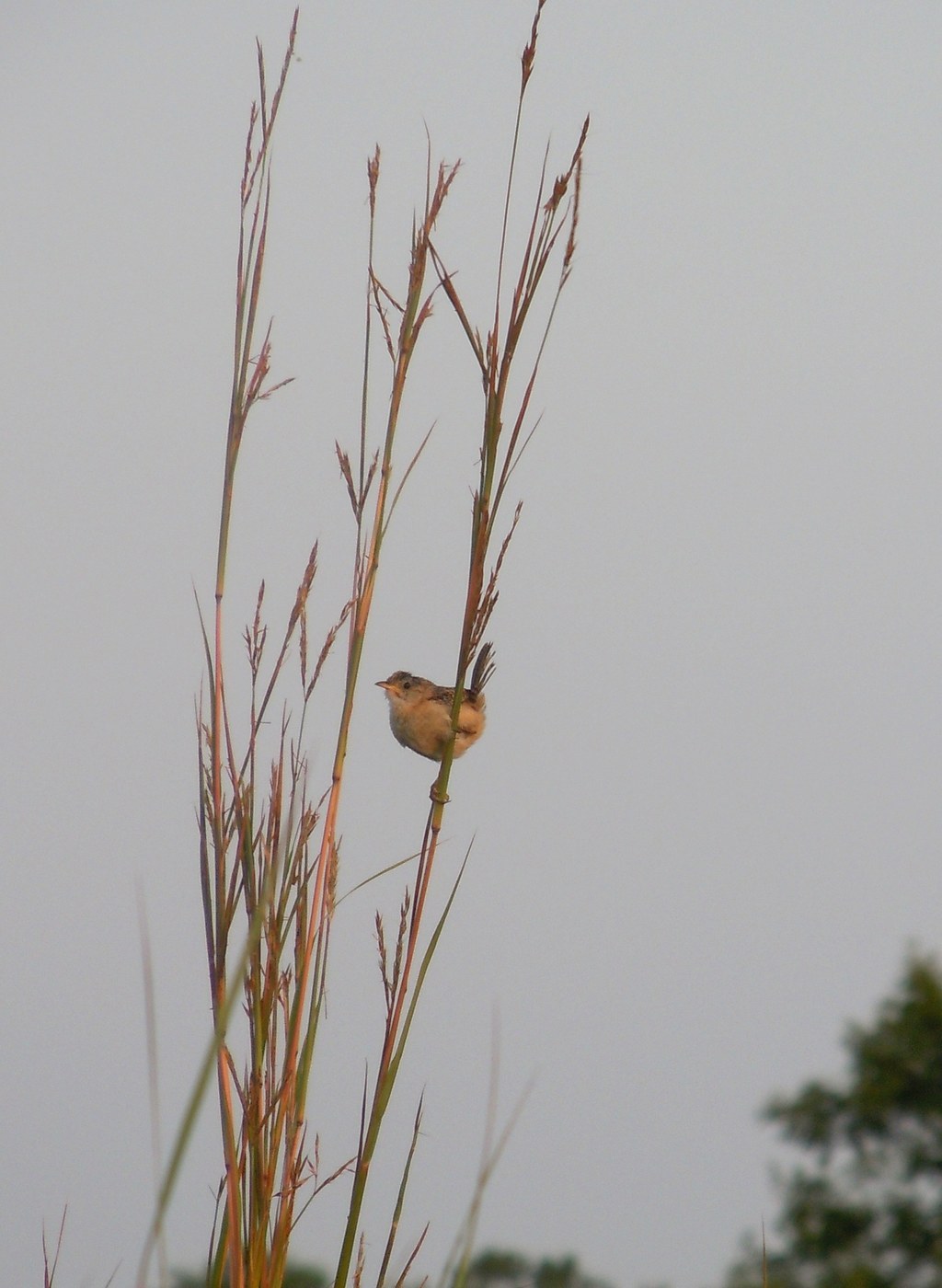
Sedge Wren
Tiny streaked crown and back feathers

Yellow-winged Cacique
Glossy black body feathers, yellow wing patch, shaggy crest

Yellow Warbler
Small contour and flight feathers
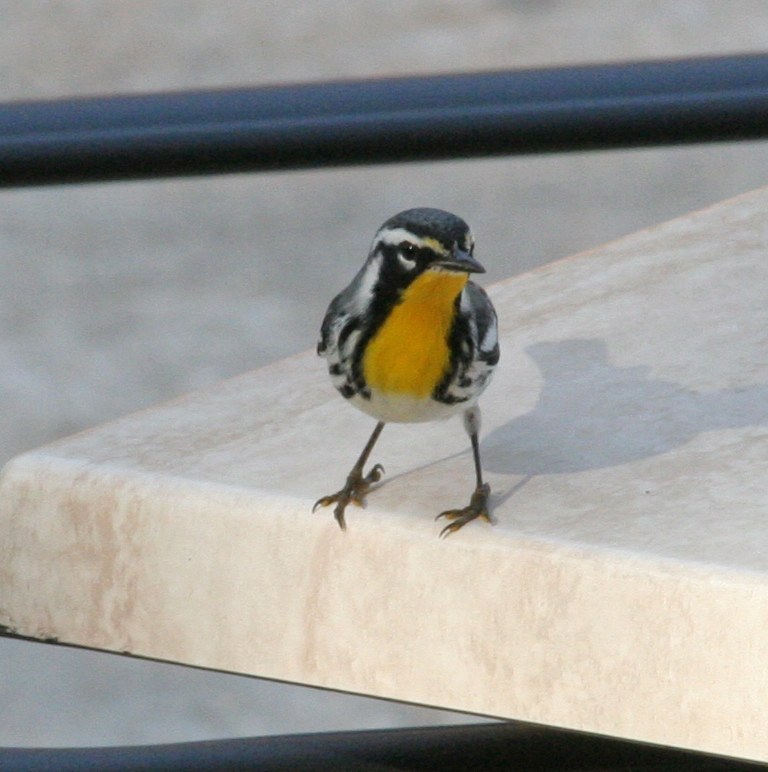
Yellow-throated Warbler
Small contour and flight feathers
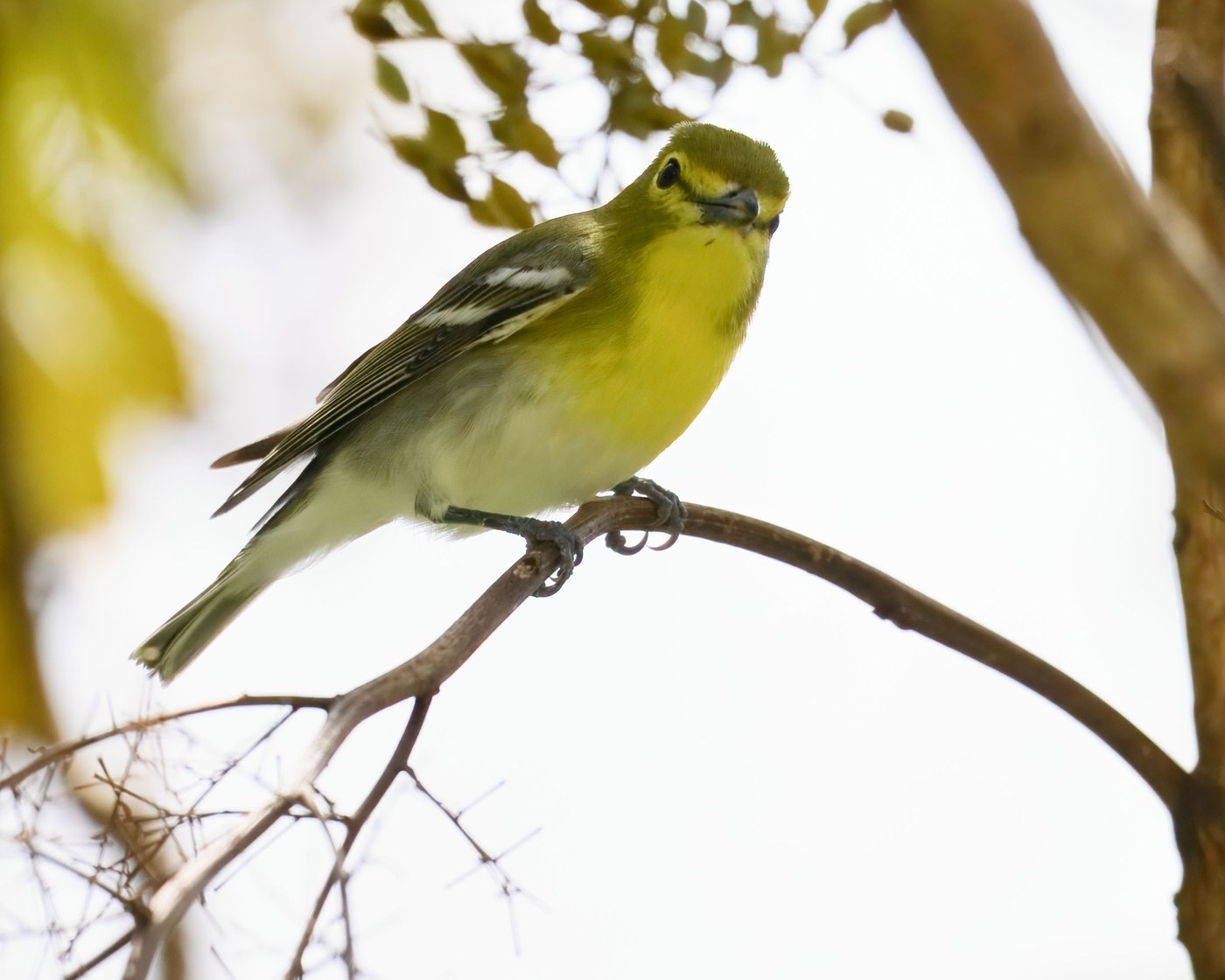
Yellow-throated Vireo
Bright yellow throat and spectacle feathers; olive-green back feathers; two white wing-bar feathers

Yellow-rumped Warbler
Small contour and flight feathers
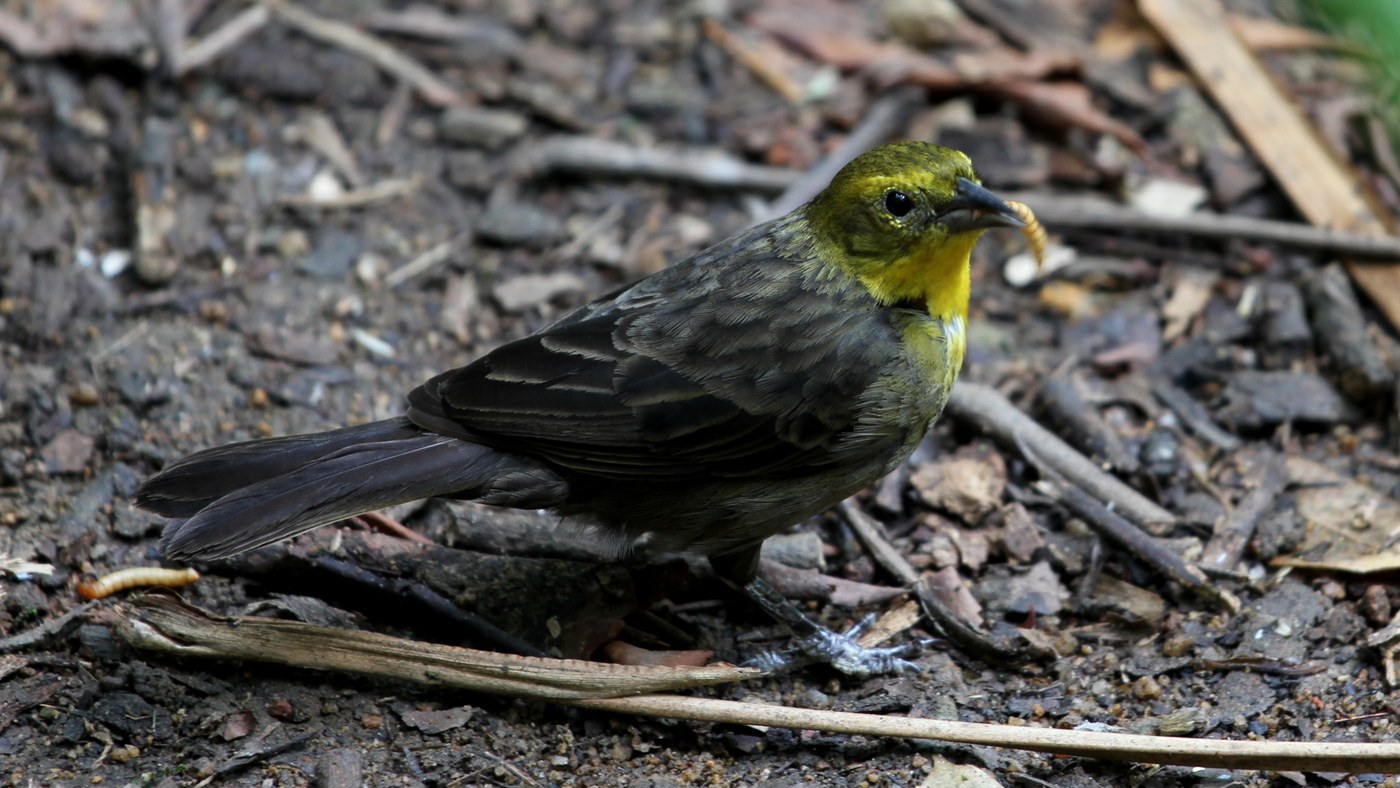
Yellow-hooded Blackbird
Contrasting hood and body feathers
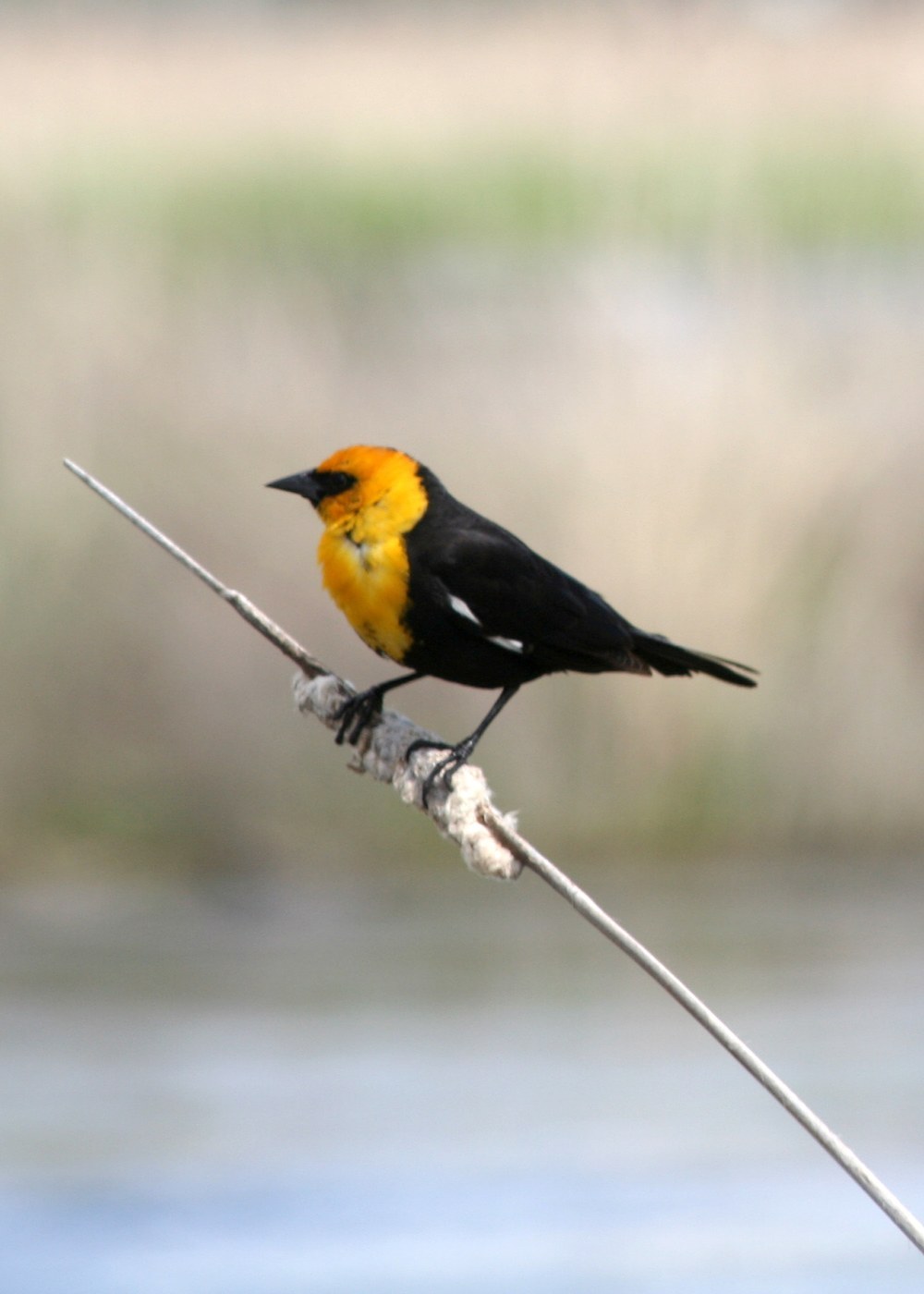
Yellow-headed Blackbird
Glossy black body plumage with a bright yellow head and breast

Yellow-eyed Junco
Contour and flight feathers

Yellow-fronted Canary
Small, smooth body plumage

Yellow-breasted Greenfinch
Compact, smooth body plumage